



MOFA Seminar focuses on development diplomacy, partner connectivity and local support
WVR - On the morning of May 8, at the Headquarters of the Ministry of Foreign Affairs, Deputy Minister of Foreign Affairs Ngo Le Van chaired a seminar on skills for implementing diplomacy for development with the theme “Sharing experiences and skills in building, maintaining relationships, connecting partners, supporting localities, and implementing diplomacy for development”.
Latest
This is the second theme in a series of three themes in the seminar on skills for implementing diplomacy for development, organized by the Personnel Organization Department in collaboration with the Diplomatic Academy, aiming to foster and enhance the capacity of foreign affairs officials in the country's key strategic areas.
Vietnamese diplomacy in the new era: Serving growth and integration
Sharing at the seminar, Deputy Minister of Foreign Affairs Ngo Le Van provided an in-depth discussion on the evolution of Vietnam's foreign policy thinking over different periods, emphasizing the need to focus on diplomacy serving development in the current phase.
According to the Deputy Minister, to effectively implement diplomacy for development, the first important step is to unify the understanding of the role of foreign affairs. Throughout Vietnam's revolutionary process, foreign affairs have always been closely linked to the strategic requirements of each historical period and have continuously evolved to meet the country's development tasks.
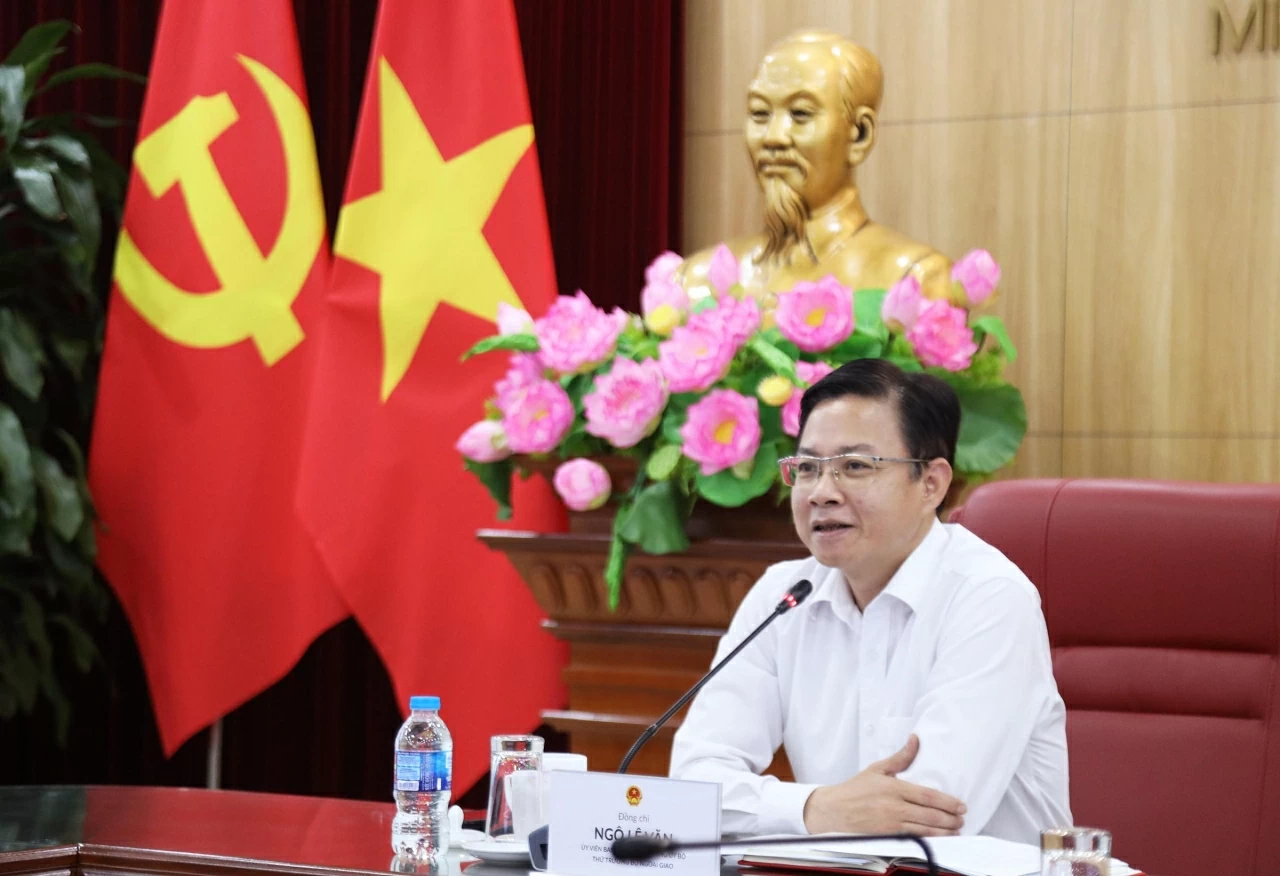 |
| Deputy Minister Ngo Le Van shares the current requirement for the Ministry of Foreign Affairs to emphasize the central role of localities and businesses in the integration process. (Photo: Thanh Long) |
According to the Deputy Minister, Vietnamese diplomacy has now entered a higher requirement phase, which is to serve the comprehensive development of the country. The three enduring pillars of foreign affairs remain: maintaining a peaceful and stable environment; attracting external resources for development; and enhancing national position and reputation. However, the current focus is on how foreign affairs activities can directly contribute to growth and development in each locality, sector, and business.
The Deputy Minister emphasized that the mindset regarding local foreign affairs has changed significantly compared to the past. Previously, localities mainly received guidance and directives from the central government with limited proactivity. Now, the requirement is to emphasize the central role of localities and businesses in the integration process.
According to the Deputy Minister, the principle of “putting people, localities, and businesses at the center of service” does not mean completely decentralizing foreign affairs authority to localities, but rather emphasizes the responsibility of the Ministry of Foreign Affairs in directly supporting the development process at the grassroots level. The role of the Ministry of Foreign Affairs and the Vietnamese Representative Missions abroad is not only to expand cooperative relations but also to proactively seek, connect, and bring development resources to localities.
From the practical perspective of implementing foreign affairs to serve localities, Deputy Minister Ngo Le Van also shared some important principles in building and maintaining relationships with international partners. According to the Deputy Minister, the first and core principle is to ensure harmonious and mutually beneficial interests.
Currently, international cooperation needs to be built on the foundation of equality, substance, and mutual development. According to the Deputy Minister, to maintain sustainable relationships with partners, localities need to clearly identify common interests, create specific cooperation values, and ensure long-term implementation capability instead of stopping at formal commitments.
The Deputy Minister's discussion not only summarized the development of Vietnam's foreign policy thinking over different periods but also emphasized the need for a strong renewal in the method of implementing diplomacy in the new development phase. The highest goal of foreign affairs activities is to directly serve socio-economic development, improve the quality of life for people, and enhance the competitiveness of each locality in the international integration process.
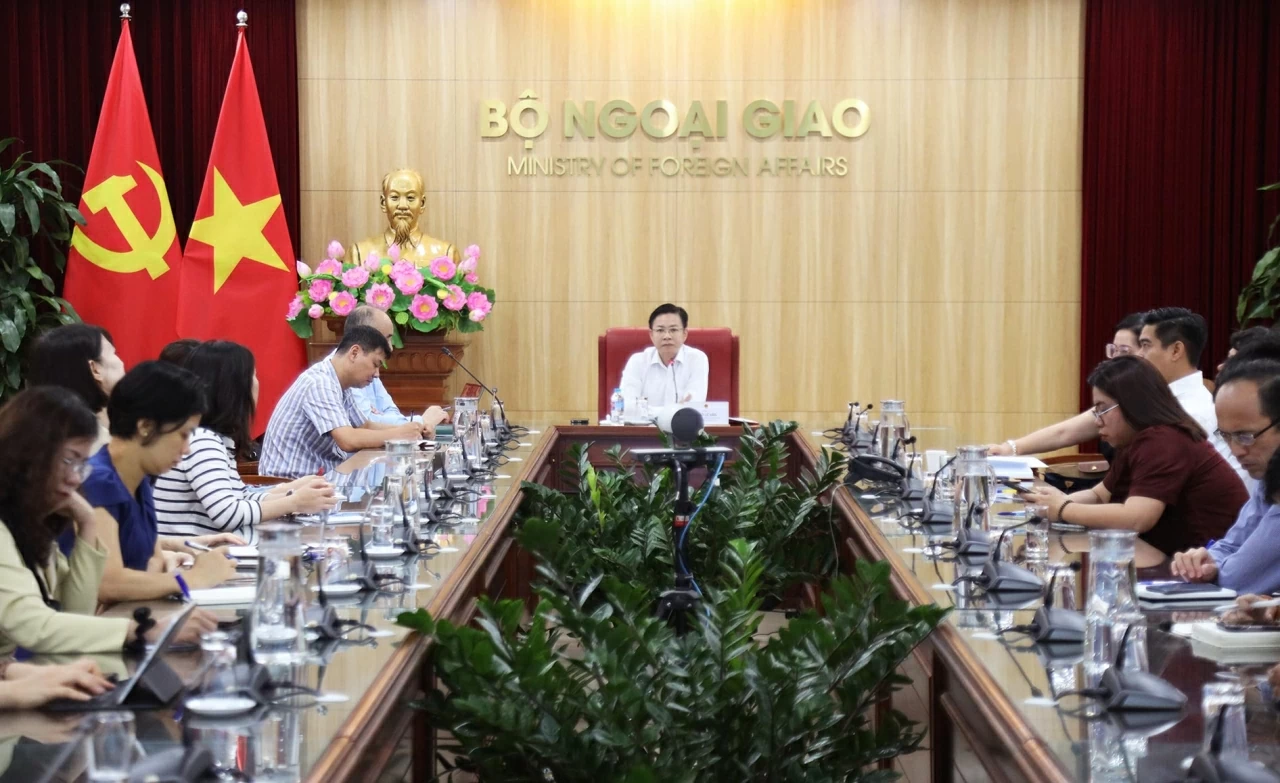 |
| An overview of the second theme in the series of three themes in the seminar on skills for implementing diplomacy for development. (Photo: Thanh Long) |
All foreign affairs activities must aim at local benefits
Concluding the seminar on “Sharing experiences and skills in building, maintaining relationships, connecting partners, supporting localities, and implementing diplomacy for development”, Deputy Minister of Foreign Affairs Ngo Le Van emphasized the need to enhance the substance, effectiveness, and sustainability in partner connection work to serve local development.
According to the Deputy Minister, the first important skill in implementing diplomacy for development is “properly matching” the needs of partners with the advantages of localities. The Deputy Minister believes this is not only a professional skill but also a core principle in promoting international cooperation.
The Deputy Minister urged the Vietnamese Representative Missions abroad and foreign affairs officials to develop a constant mindset of serving localities in the process of implementing all foreign affairs activities.
“Any work related to foreign affairs must consider the benefits of localities,” the Deputy Minister emphasized, stating that this is a continuous task for the Ministry of Foreign Affairs in the current phase.
Delving deeper into the factors ensuring the success of international cooperation relationships, Deputy Minister Ngo Le Van stated that the principle of “harmonious interests, shared risks” should be thoroughly implemented throughout the entire process of connecting and implementing cooperation. According to the Deputy Minister, only when all parties see tangible benefits can the cooperation relationship be sustainable and achieve long-term results.
Local foreign affairs work today not only stops at the role of connection but also must accompany localities in resolving difficulties and addressing obstacles between cooperating parties. Foreign affairs agencies need to proactively support information, consultation, promote exchanges, and facilitate the implementation of international cooperation projects and programs.
Deputy Minister Ngo Le Van believes that correctly understanding the role, nature, and limits of responsibility of the connecting agency is an important factor to ensure effective coordination between parties, while also helping diplomacy for development to become deeper, more substantive, and sustainable in the future.