




Mid-Year Review 2025: Setting key priorities to strengthen economic diplomacy for the second half
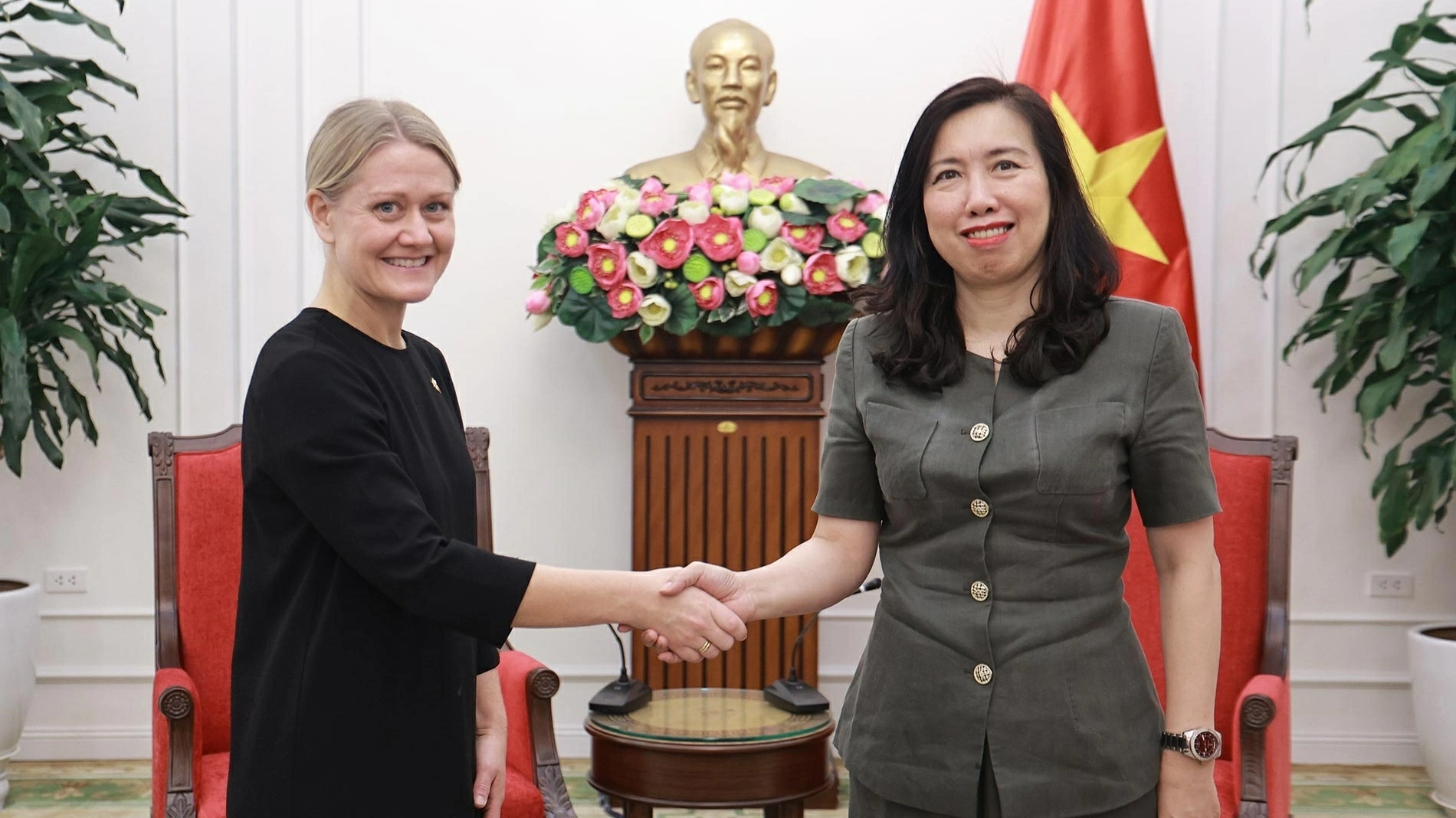
WVR - On July 21, Deputy Minister of Foreign Affairs Nguyen Minh Hang chaired a mid-year review meeting on economic diplomacy for the first half of 2025, organized by the Steering Committee on Economic Diplomacy under the Ministry of Foreign Affairs.
Latest
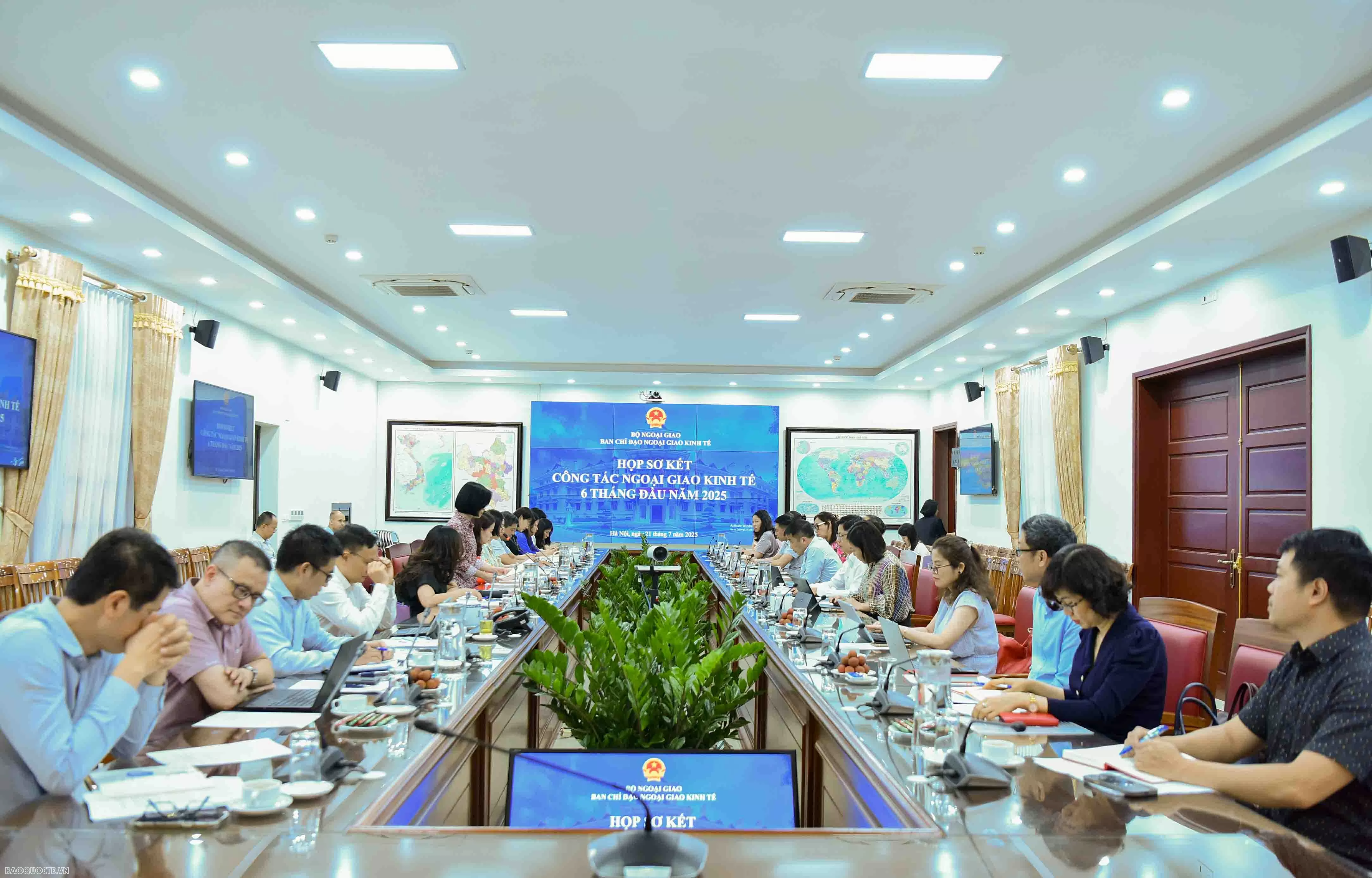 |
| Deputy Minister of Foreign Affairs Nguyen Minh Hang chairs the mid-year review meeting on economic diplomacy for the first half of 2025, hosted by the Ministry’s Steering Committee on Economic Diplomacy. (Photo: Hoang Hong) |
Present at the meeting were representatives from the Ministry of Science and Technology, the Private Economic Development Research Board (Board IV), the Vietnam Chamber of Commerce and Industry (VCCI), several export sector associations, including seafood, logistics, electronics, and leaders from member units of the Steering Committee on Economic Diplomacy.
The meeting took place in the context of continuing complexities in the global economy, while Vietnam has set an ambitious growth target of 8%—a goal that demands significant efforts and breakthrough solutions in the field of economic diplomacy.
In her directive speech, Deputy Minister Nguyen Minh Hang emphasized that the current situation is more urgent, the challenges more demanding, and the goals higher than before.
Given this, economic diplomacy must adopt new breakthroughs aligned with recent resolutions—especially those related to science and technology—and must yield concrete outcomes. This requires a clear understanding of current challenges and the identification of specific needs in each field.
Enhancing responsiveness and support roles
During the meeting, associations and businesses shared the challenges they are facing amid global economic uncertainty. Exports are becoming overly reliant on a few key markets, while competition is intensifying due to tariff measures and trade defense actions. Foreign direct investment (FDI) flows are proving unsustainable as globalization undergoes fundamental shifts.
|
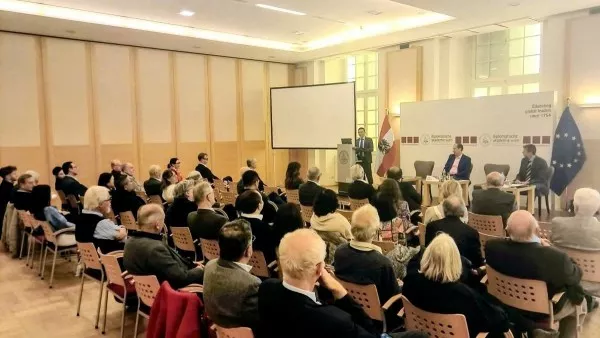
| Delegates discuss during the meeting. (Photo: Hoang Hong) |
Businesses are struggling with a lack of information about market trends, consumer behaviors, and technical regulations in potential markets. Meanwhile, certain domestic administrative procedures remain cumbersome, limiting favorable conditions for enterprises to invest abroad.
The discussion also focused on the role and methods through which the Ministry of Foreign Affairs and Vietnam’s overseas missions can support businesses to adapt to the new context—such as providing market intelligence and facilitating connections with foreign partners.
Regarding the implementation of Resolution 57-NQ/TW on the development of science, technology, innovation, and digital transformation, representatives from the Ministry of Science and Technology presented Vietnam's international cooperation roadmap for strategic technologies.
In terms of technology diplomacy, the Ministry of Science and Technology proposed a bottom-up approach—starting from strategic technology products to identify which businesses will implement them, who will be responsible, and how they will carry it out. They stressed that engaging with international partners to learn from implementation experiences is crucial in the cooperation roadmap.
Defining essential priorities
Based on the discussion, Deputy Foreign Minister Nguyen Minh Hang directed the Standing Committee of the Steering Committee to coordinate with relevant units to identify several key priorities for the second half of the year. These will be compiled and included in an appendix to the report submitted to the Prime Minister on the results of economic diplomacy in the first half and the strategic directions for the remainder of 2025.
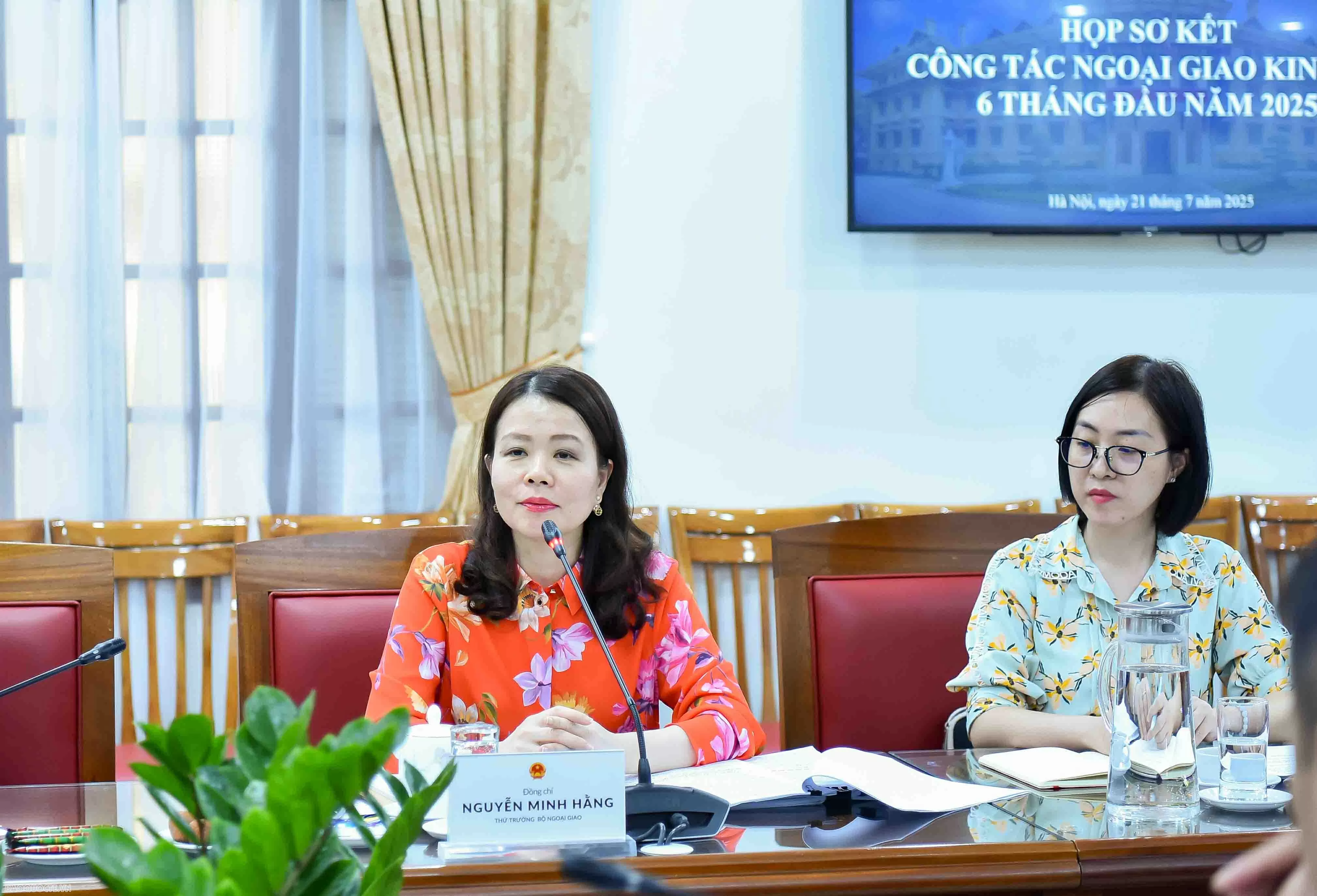 |
| Deputy Minister of Foreign Affairs Nguyen Minh Hang speaks at the meeting. (Photo: Hoang Hong) |
Looking ahead, she emphasized the need to intensify political and diplomatic efforts to resolve difficulties faced by associations and businesses, while affirming the Ministry’s commitment to accompanying them in trade promotion and market expansion activities. She also suggested organizing more in-depth working sessions to enhance the effectiveness of trade promotion in conjunction with high-level diplomatic missions.
Internally, the Deputy Foreign Minister called for the establishment of efficient coordination mechanisms, including formal regulations if necessary, to ensure the successful implementation of initiatives with measurable results. The Ministry of Foreign Affairs will continue to organize regular briefings with the participation of ministries, localities, associations, and enterprises to jointly address challenges in key industries and sectors—contributing to the implementation of the guiding principle: placing people, localities, and businesses at the center of service.


