



Ho Chi Minh’s diplomatic culture – The foundation of Vietnam’s resilience and position in the world
WVR - Ho Chi Minh's diplomatic culture is not only a valuable ideological legacy but also a foundation that helps Vietnam maintain its fortitude in a turbulent world, according to Dr. Cu Van Trung, Director of the Institute for Policy Research and Social Issues.
Latest
In a world filled with upheavals, Ho Chi Minh's ideology and diplomatic culture retain their timeless value with the spirit of “unchanging to respond to myriad changes,” prioritizing national interests above all. This serves not only as a foundation for Vietnam's current foreign policy but also as an important lesson for the younger generation to preserve their identity and project an image of a peaceful, responsible, and trustworthy Vietnam.
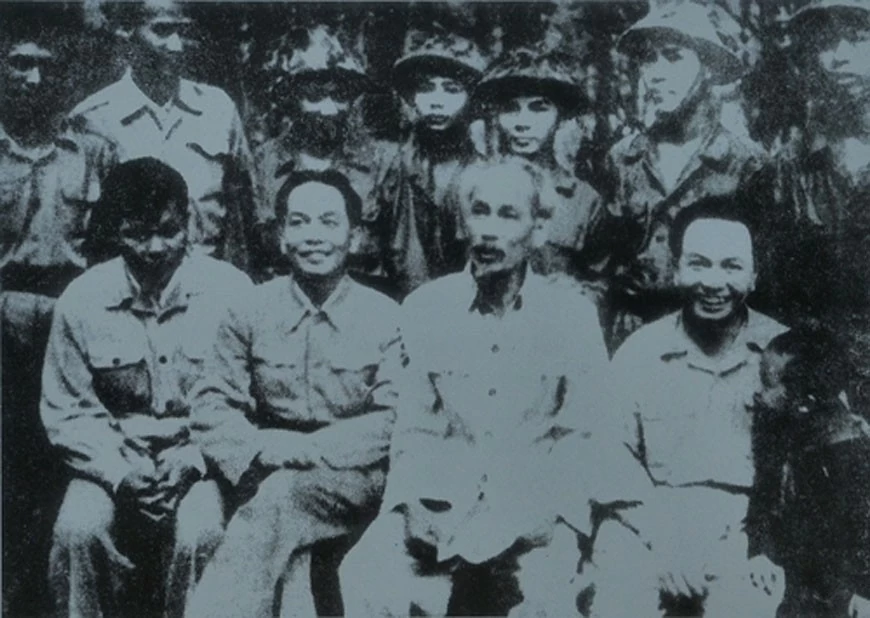 |
| Five outstanding soldiers representing units that had just triumphed at Dien Bien Phu were sent to Viet Bac to celebrate Uncle Ho's birthday on May 19, 1954. (Archival photo) |
The value of Ho Chi Minh's diplomatic culture
Ho Chi Minh's diplomatic culture encompasses a broad range of values, including diverse methods and approaches throughout different historical periods. At each moment, President Ho Chi Minh always chose the appropriate method to achieve national goals. Sometimes he would make phone calls, send letters, or diplomatic notes; other times he would visit, negotiate, or dialogue directly with other nations. He also engaged with many international politicians and journalists with a calm, sincere, and intelligent demeanor. This flexibility created a diplomacy with cultural depth, laying the foundation for modern Vietnamese diplomacy today.
| “In the digital age and global media, every young person can become a 'cultural ambassador' through their way of living, learning, behaving, and spreading the good values of the Vietnamese people.” |
The core value of Ho Chi Minh's diplomatic culture is the lesson of maintaining national independence linked with socialism. It is the ideology of always putting national interests first and foremost. However, in each specific circumstance, achieving this goal requires flexibility, adaptability, and choosing methods suitable to reality.
From the ideology of “unchanging to respond to myriad changes,” Vietnam has developed a “bamboo diplomacy” school, flexible yet resilient in the face of international fluctuations. This flexibility in international relations helps Vietnam avoid being drawn into the influence or pressure of major powers, especially given Vietnam's geostrategic significance.
Thousands of years of history in nation-building and defense have provided our nation with valuable lessons in fortitude and prudence in foreign relations. Regardless of future challenges or opportunities, the principle of “unchanging to respond to myriad changes” remains valid. Reality has shown that despite exploring different methods or mindsets, the ultimate return is to the spirit laid by President Ho Chi Minh.
Besides steadfast principles, Ho Chi Minh's diplomatic culture emphasizes the spirit of peace, valuing relationships, and the ability to cooperate for development. In the modern world, nations seeking sustainable development must know how to coexist peacefully, seek common benefits, and build trust with the international community.
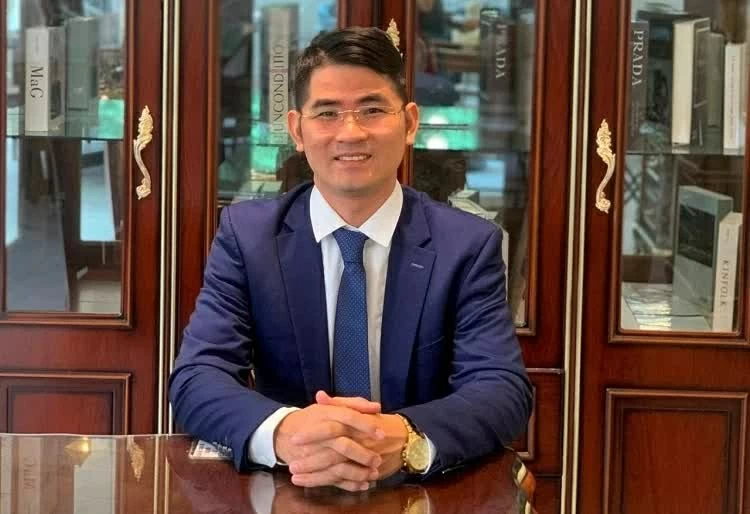 |
| Dr. Cu Van Trung. |
In today's era, nations must live harmoniously, peacefully, and find common interests with each other. Vietnam has long recognized this and clearly reflects this perspective in its foreign policy. Some opinions suggest that Vietnam should rise as a "dragon or tiger" of the region and Asia in the new era. However, reality shows that only nations that harmonize, cooperate, and coexist peacefully receive goodwill from the international community.
Therefore, the mindset of “empty vessels make the most noise” should not infiltrate the development process. In today's world, people are very practical and discerning in choosing destinations and partners in matters related to their interests.
The young generation and the responsibility to spread Vietnamese values
Vietnam has long recognized this in its foreign policy. Instead of pursuing ostentatious ambitions or the mentality of becoming a "dragon or tiger" at all costs, the more important task is to build a nation capable of harmonizing, cooperating, and creating goodwill with the world. In the current international context, nations are very practical and discerning in choosing partners. Therefore, sincerity, responsibility, and the ability to accompany long-term are what create the true position of a nation.
| “In the flow of globalization and increasingly deep international strategic competition, Ho Chi Minh's diplomatic culture retains its timeless value due to its flexibility, humanity, and especially the spirit of prioritizing national interests. It is not only a valuable ideological legacy of the nation but also a foundation that helps Vietnam maintain its fortitude and position in today's turbulent world.” |
Especially, today's young generation plays a very important role in spreading national culture and Ho Chi Minh's diplomatic values to the world. The youth inherit many developmental achievements of the country, have better learning conditions, more international exposure opportunities, and stronger integration capabilities than previous generations. Many young people have studied and worked in various countries, forming confidence and resilience in the global environment.
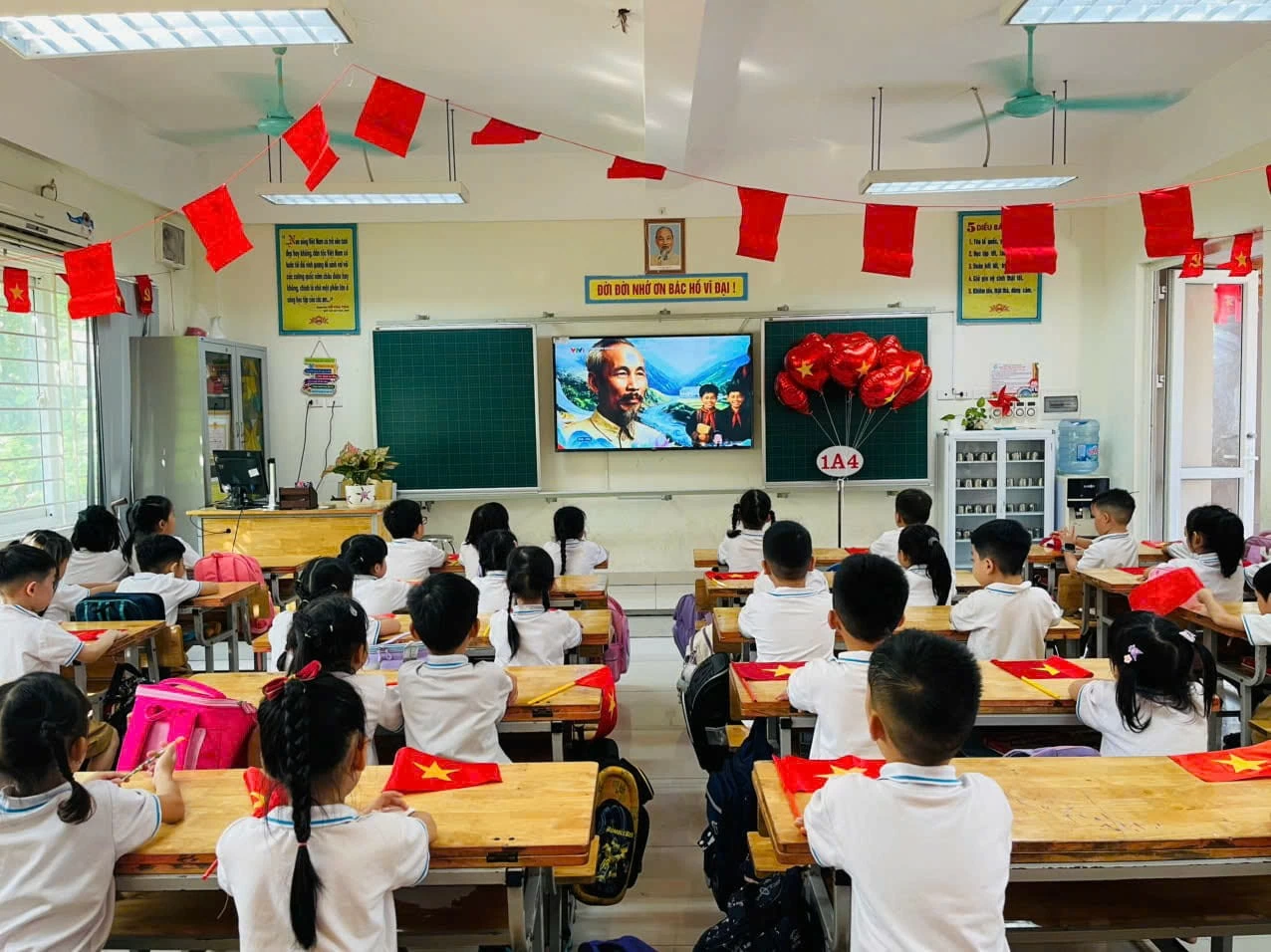 |
| Students attentively watching materials about Uncle Ho. (Photo: Than Phuong Quyen) |
We believe that with such a mindset, aspirations, and pride, the values of the Vietnamese people will always spread far and wide across the globe. However, the important thing lies not only in knowledge or integration opportunities but also in educating the younger generation about national identity, pride, and responsibility for Vietnam's image in the eyes of international friends. In the digital age and global media, every young person can become a "cultural ambassador" through their way of living, learning, behaving, and spreading the good values of the Vietnamese people.
Therefore, educating the younger generation about national history, cultural behavior, and Ho Chi Minh's diplomatic ideology is especially necessary. Only by deeply understanding the value of peace, independence, and national prestige can young people integrate without losing their Vietnamese essence. This is also the foundation for future generations to continue preserving and promoting the image of a humane, responsible, and trustworthy Vietnam.
Reflecting on President Ho Chi Minh's contributions to Vietnam's international position today, it is evident that this is an immensely significant legacy. President Ho Chi Minh was not only a national liberation hero but also a world cultural figure. During his lifetime, he left a profound impression on many international politicians and contributed to building the image of a nation that cherishes peace, rich in humanity and justice.
| “Only by deeply understanding the value of peace, independence, and national prestige can young people integrate without losing their Vietnamese essence.” |
In him, the world saw wisdom, balance, and the ability to leverage the most advantageous aspects for national liberation. Many international journalists and writers have described him as a symbol of a future culture – a convergence of intelligence, humanity, and the aspiration for peace.
The soft power from Ho Chi Minh's ideology, personality, and culture has contributed to building Vietnam's credibility today. Ultimately, credibility is a form of trust that the world places in a nation. As Vietnam continues to grow and move towards prosperity, this will be a valuable asset that today's and future generations need to preserve, promote, and enhance, especially through educating the younger generation who will continue to carry Vietnam's image further into the future.