



Diplomat highlights Vietnam’s achievements at UNHRC, priorities and commitments for the 2026-2028 term
WVR - Pham Hai Anh, Director General of the Department of International Organizations, Ministry of Foreign Affairs, shares about Vietnam’s prominent achievements as a member of the United Nations Human Rights Council for the 2023-2025 term, as well as Vietnam’s priorities, commitments, and messages for the 2026-2028 term.
Latest
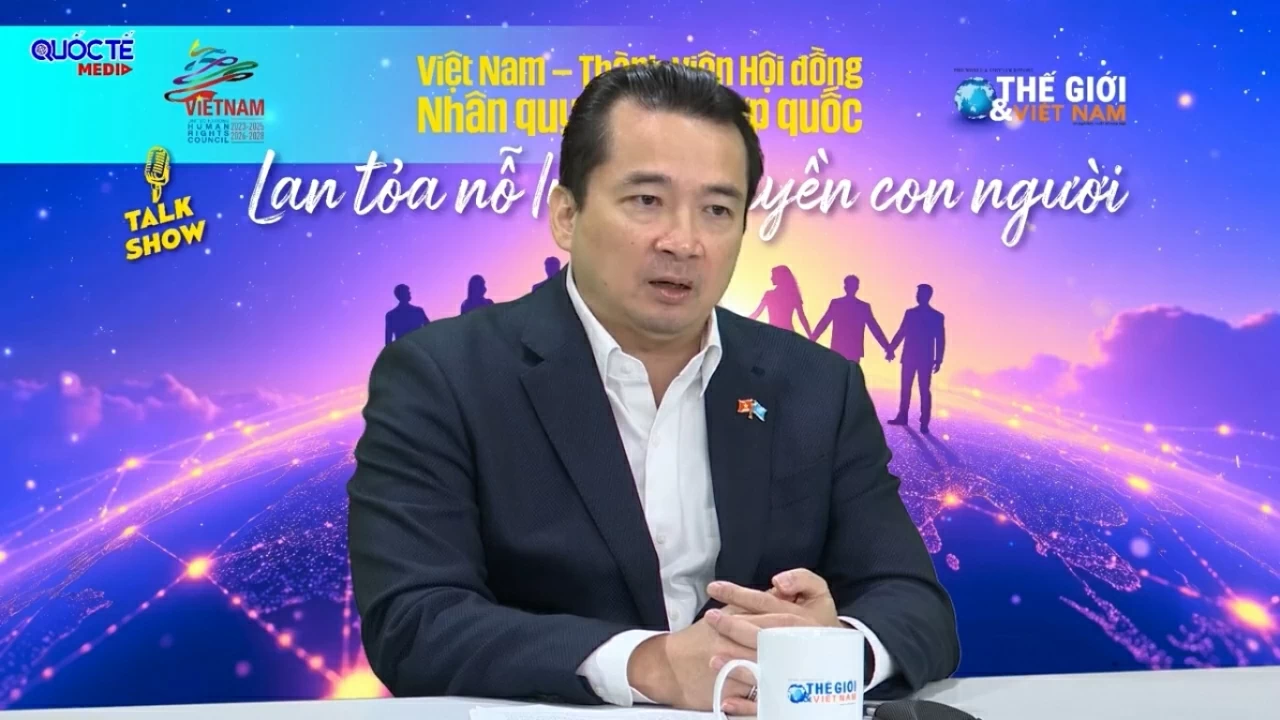 |
| Pham Hai Anh, Director General of the Department of International Organizations, Ministry of Foreign Affairs, says Vietnam contributes "Right" and "Relevant" to common concerns at the United Nations Human Rights Council. |
At the recent United Nations General Assembly meeting on October 14, Vietnam was re-elected as a member of the United Nations Human Rights Council for the 2026–2028 term with the highest support of 180 votes in the Asia-Pacific group. How do you assess the significance of Vietnam being elected to the United Nations Human Rights Council for the third time and for the second consecutive term?
Vietnam’s re-election to the United Nations Human Rights Council for the 2026–2028 term holds great significance.
Firstly, internationally, this is a clear recognition and high trust from the international community for Vietnam’s efforts in responsibly contributing to the construction and operation of the Human Rights Council in recent times. Especially in a context where multilateral cooperation is fragmented, politicized, and confrontations are increasing, Vietnam’s sincere and constructive contributions to building consensus are valuable for a Human Rights Council member, helping the Council’s activities to be more focused, effective, and consensual.
Secondly, for Vietnam, this is the clearest international recognition of its efforts and achievements in ensuring human rights as well as strictly fulfilling international commitments and obligations. Specifically, commitments under the Universal Periodic Review (UPR) mechanism and international human rights treaties that Vietnam participates in.
Thirdly, this marks a new milestone reflecting the maturity of Vietnam’s diplomacy with a broad, comprehensive foreign policy landscape. We have diplomatic relations with all United Nations member countries and have the capacity to propose initiatives, lead, coordinate, and make substantive contributions to the common work of the Human Rights Council. This is also an opportunity for us to concretely and vigorously implement the foreign policy of the upcoming 14th National Party Congress.
Finally, for officials participating in multilateral foreign affairs at various ministries and sectors, this is a recognition of their positive, persistent contributions over time; at the same time, it is an opportunity for the team to continue honing their qualities in a complex, challenging but also opportunity-rich foreign environment.
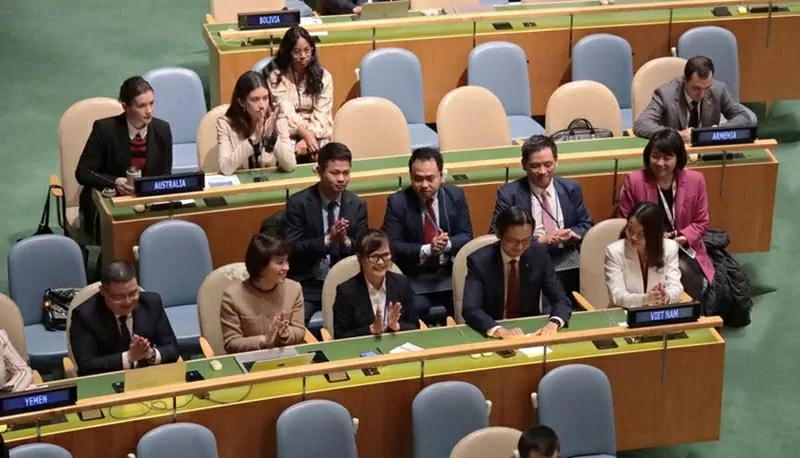 |
| The Vietnamese delegation celebrates the moment Vietnam was announced as re-elected to the United Nations Human Rights Council for the 2026-2028 term in New York, October 14. (Source: Vietnam Delegation in New Yor |
Is that the trust partly due to Vietnam's successful fulfillment of the role of a United Nations Human Rights Council member for the 2023-2025 term? Could you highlight Vietnam’s key achievements and milestones in this role over the past three years?
Our high vote count in the Human Rights Council election reflects the international community’s recognition of Vietnam’s contributions in recent times. I would like to highlight three notable contributions and milestones:
Firstly, Vietnam proposed and was the lead author of two resolutions: the Resolution commemorating the 75th anniversary of the Universal Declaration of Human Rights and the 30th anniversary of the Vienna Declaration and Programme of Action (co-sponsored by 121 countries); and the Resolution on Climate Change and Human Rights in the context of a just transition with the Core Group on Climate Change and Human Rights; and participated with the Core Group in promoting two other resolutions. Additionally, Vietnam actively participated in the Core Group promoting the resolution on protecting children in cyberspace, advocating for the inclusion of the role of the United Nations Convention on Cybercrime, which was recently opened for signing in Hanoi in October.
Secondly, we led and guided the development of many joint statements of regional and inter-regional groups (Joint Statement on "Implementing SDGs and Promoting Gender Equality" at annual March sessions; Joint Statement on "Vaccination and Human Rights" at annual September sessions; Joint Statement on "Climate Change and Human Rights" at annual June sessions). Furthermore, we represented some groups like ASEAN and Francophonie in drafting joint statements on various diverse topics.
Besides, Vietnam organized many international seminars to promote human rights in key areas important to both the world and Vietnam, such as health, gender equality, workplace harassment prevention, the right to food, climate change prevention, the right to education, and human rights education; receiving positive responses from international organizations and countries.
Based on feedback and the level of engagement and participation from countries, international organizations, and partners, it is evident that Vietnam’s initiatives are “relevant” and “right”, contributing to addressing common concerns at the Human Rights Council, while enhancing Vietnam’s position and voice.
Thirdly, our position and voice at the Human Rights Council are further strengthened by our efforts in seriously and fully fulfilling international commitments on human rights, especially successfully defending the National Report on the protection and promotion of human rights in Vietnam under the Universal Periodic Review (UPR) cycle IV (May 2024) and National Reports on the implementation of the Convention on the Rights of Persons with Disabilities (CRPD, March 2025), the Convention on the Elimination of Racial Discrimination (CERD, November 2023), the International Covenant on Civil and Political Rights (ICCPR, July 2025). Additionally, Vietnam welcomed the Special Rapporteur on the right to development for a working visit in November 2023.
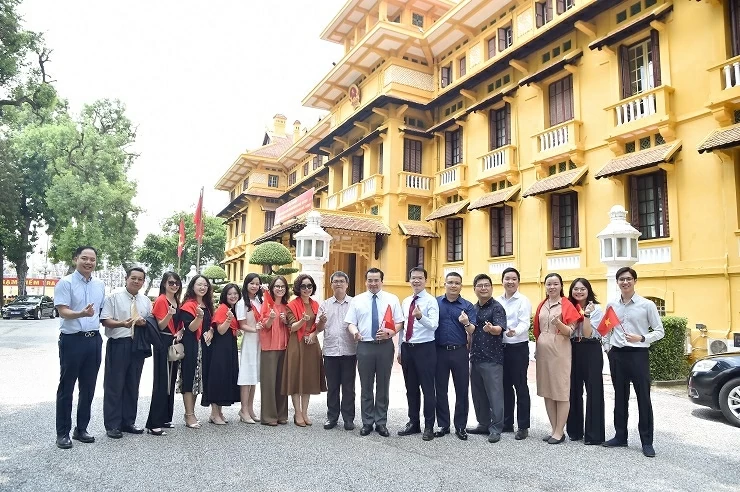 |
| Vietnam’s 2026-2028 Human Rights Council membership term is an opportunity for officials to continue honing their qualities in a complex, challenging but opportunity-rich foreign environment. (Source: Department of International Organizations) |
How do you evaluate the role of inter-agency coordination between the Ministry of Foreign Affairs and other ministries, agencies, and members of inter-agency mechanisms on human rights to ensure Vietnam successfully completes its upcoming United Nations Human Rights Council membership term?
Being a member of the Human Rights Council for 2026-2028 is a crucial opportunity for us to enhance the capacity of our multilateral foreign affairs officials as well as those involved in protecting and promoting human rights in Vietnam, meeting the Party’s requirements for these tasks in the new situation.
From the experience of the two previous terms (2014-2026 and 2023-2025), inter-agency coordination and direction have always been timely and synchronized; senior leaders directly participated in Human Rights Council sessions, demonstrating Vietnam’s respect and seriousness towards human rights issues and fulfilling its commitments when running for the Human Rights Council, affirming itself as a responsible member of the international community.
It can be said that the coordination between ministries, sectors, localities, and the Ministry of Foreign Affairs has been implemented smoothly, methodically, and timely. It is evident that not only have the diplomatic team involved in multilateral foreign affairs, external communication, and international legal affairs matured significantly, but the participation, contributions, and initiatives of officials, sectors, and experts in human rights fields for the common work of the Human Rights Council have also become increasingly effective and closely linked with the promotion and protection of human rights domestically.
Additionally, the proactive, positive, and methodical accompaniment of media and press agencies during key activities has effectively conveyed Vietnam’s efforts and achievements in ensuring human rights to the world. This is evidenced by the systematic, continuous, and highly effective internal and external communication on human rights, countering the arguments of hostile forces distorting Vietnam’s human rights situation.
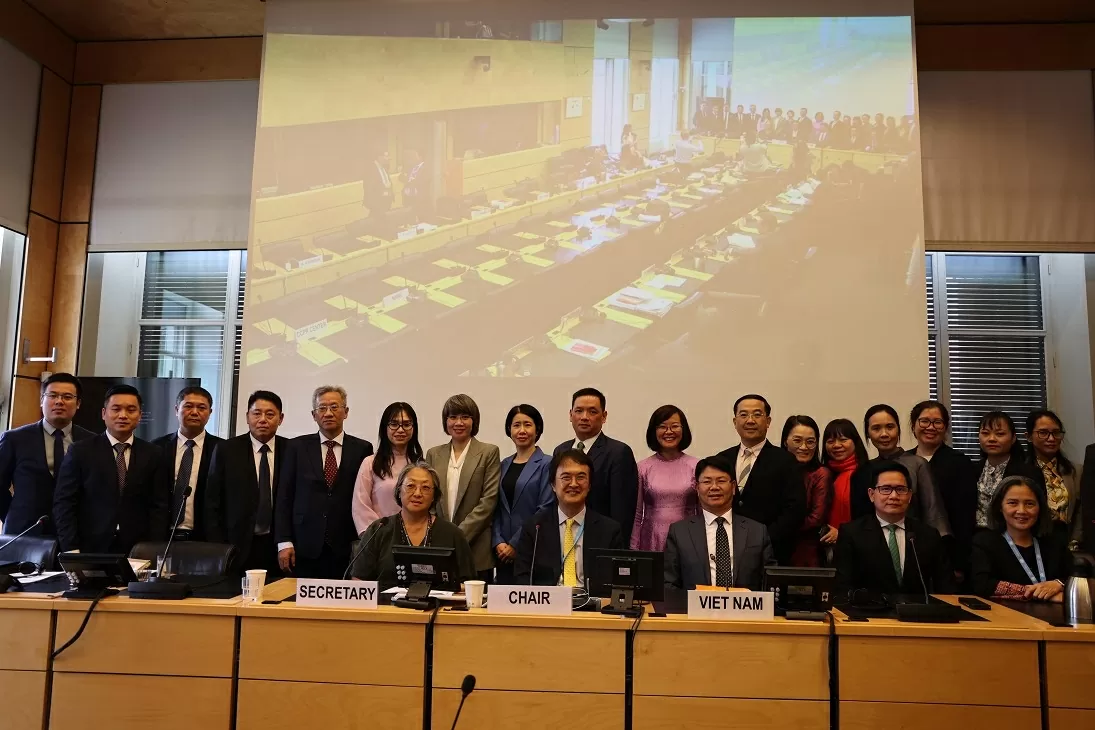 |
| The Vietnamese inter-agency delegation attends the session reviewing Vietnam’s fourth national report on the implementation of the International Covenant on Civil and Political Rights (ICCPR) from July 7-8 in Geneva, Switzerland. |
Could you share Vietnam’s priorities, commitments, and messages as a United Nations Human Rights Council member for the 2026-2028 term?
Throughout the process of building and developing the country, the Party and State of Vietnam have always affirmed: people are the center of the development strategy, both the goal and the driving force of the renovation process. Ensuring and promoting human rights is not only a constitutional principle but also a consistent practice across all fields: politics, law, economy, culture, society, education, and health...
Looking towards the 2026-2028 term, in its third tenure as a United Nations Human Rights Council member, Vietnam will continue to promote eight priority areas: enhancing the effectiveness of the Human Rights Council’s operations, ensuring human rights in climate change and digital transformation, promoting gender equality, protecting vulnerable groups, the right to health, the right to work, human rights education, and the right to education.
Vietnam will continue to contribute to the international community’s joint efforts, addressing common human rights concerns in the spirit of “Respect and Understanding – Dialogue and Cooperation – All Human Rights for All”. Through this, we aim to enhance the implementation of multilateral foreign policy orientations in the spirit of the Politburo’s Resolution 59 on international integration in the new situation, Directive 25 of the Secretariat on promoting and elevating multilateral foreign affairs, and Conclusion 125 of the Secretariat on strengthening the implementation of Directive 25.
Previously, when running for the Human Rights Council membership for the 2026-2028 term, Vietnam made 12 voluntary commitments in various human rights fields and will seriously implement these commitments.
These commitments are not only linked to initiatives at the Human Rights Council and UN and regional human rights mechanisms but also to the implementation of recommendations Vietnam accepted under the Universal Periodic Review (UPR) cycle IV or from human rights treaty committees of which Vietnam is a member. Vietnam’s voluntary commitments are also closely tied to the country’s strategic tasks such as building a rule-of-law state, legal reform, international integration, innovation, and digital transformation, aiming to become a high-income developed country by 2045.
Thank you very much!
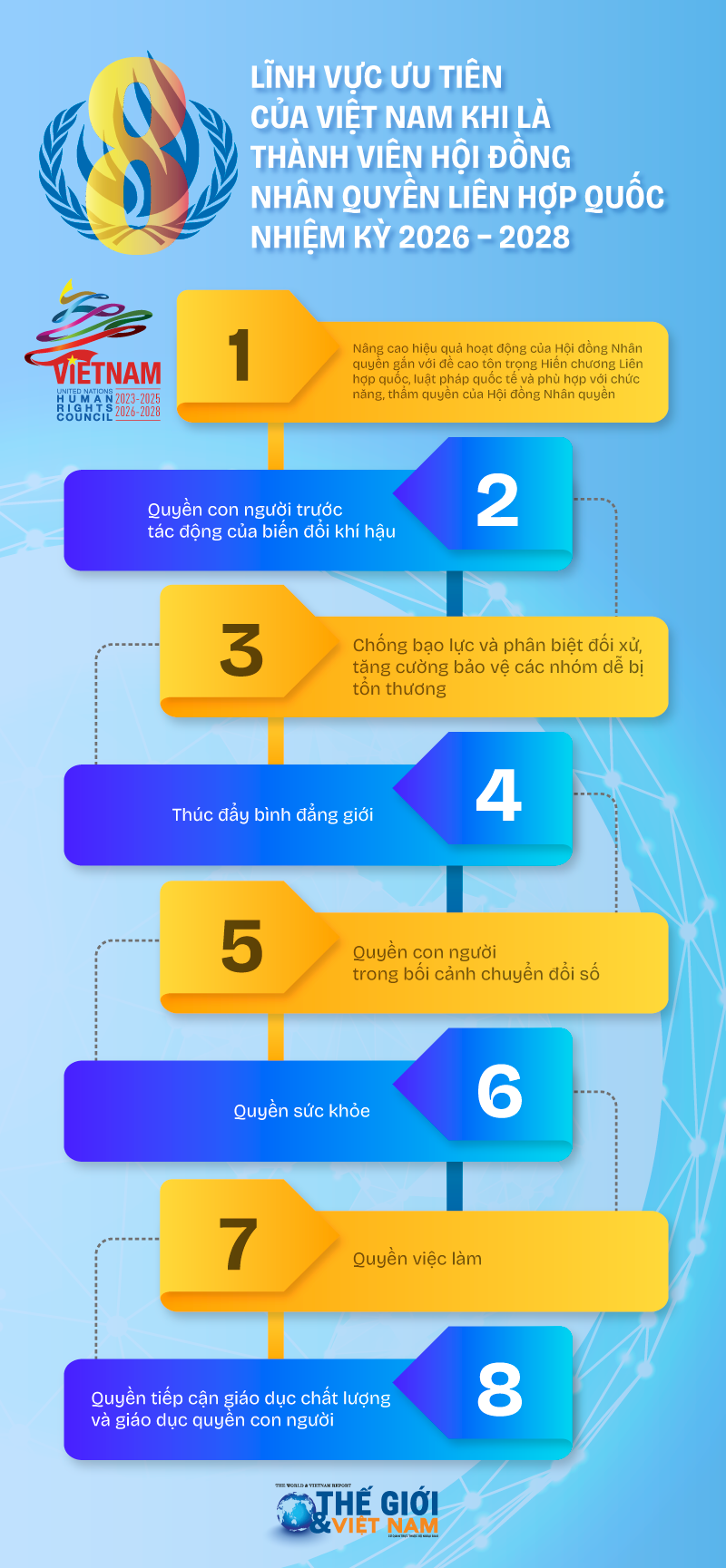 |
| 8 priority areas of Vietnam as a United Nations Human Rights Council member for the 2026-2028 term. (Design: Anh Tuan) |