


FD 2026: International experts share green transition experience with Ho Chi Minh City
WVR - In the course of modern urban development, Ho Chi Minh City faces challenges similar to those confronting many cities around the world, including limited public space, growing traffic volumes and increasing urban density, alongside the urgent need to address climate change and reduce dependence on fossil fuels.
Latest
Experience from Leipzig, Germany, and Japan's Kansai region shows that the green transition requires more than investment in infrastructure. It also calls for changes in transport planning, human resource development and the creation of an environment in which businesses are encouraged to invest in research, development and the application of new technologies.
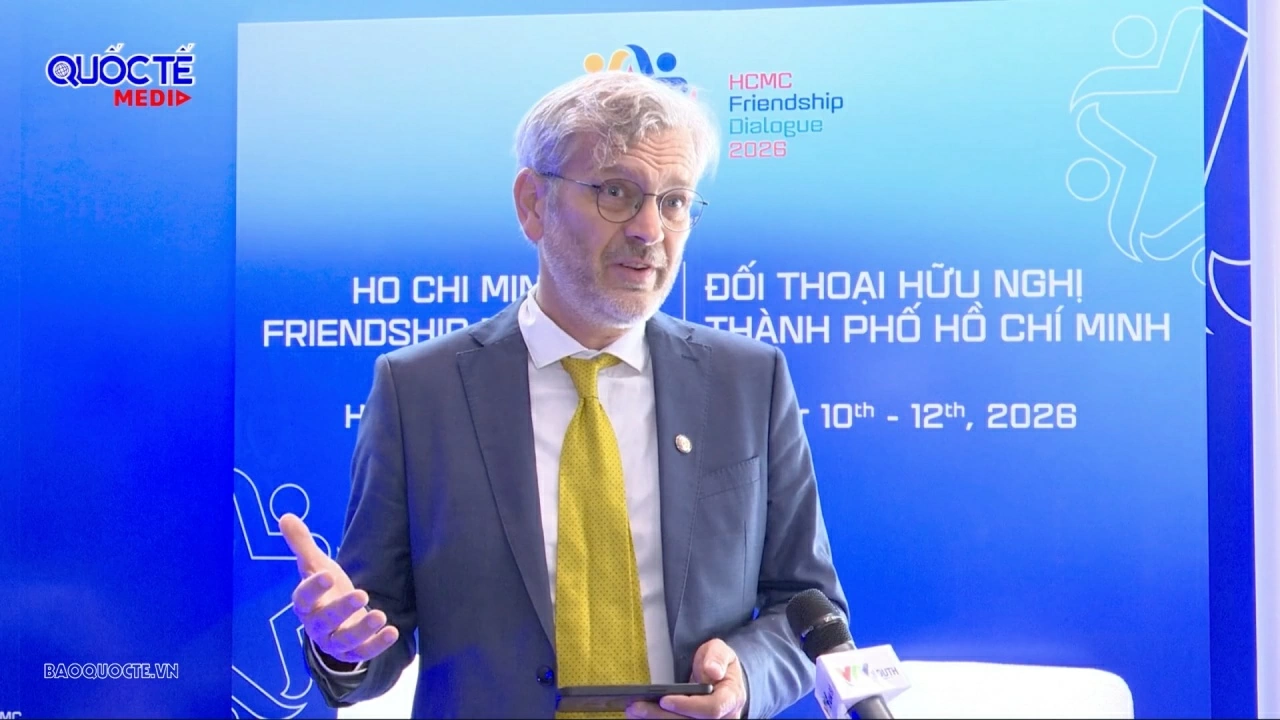 |
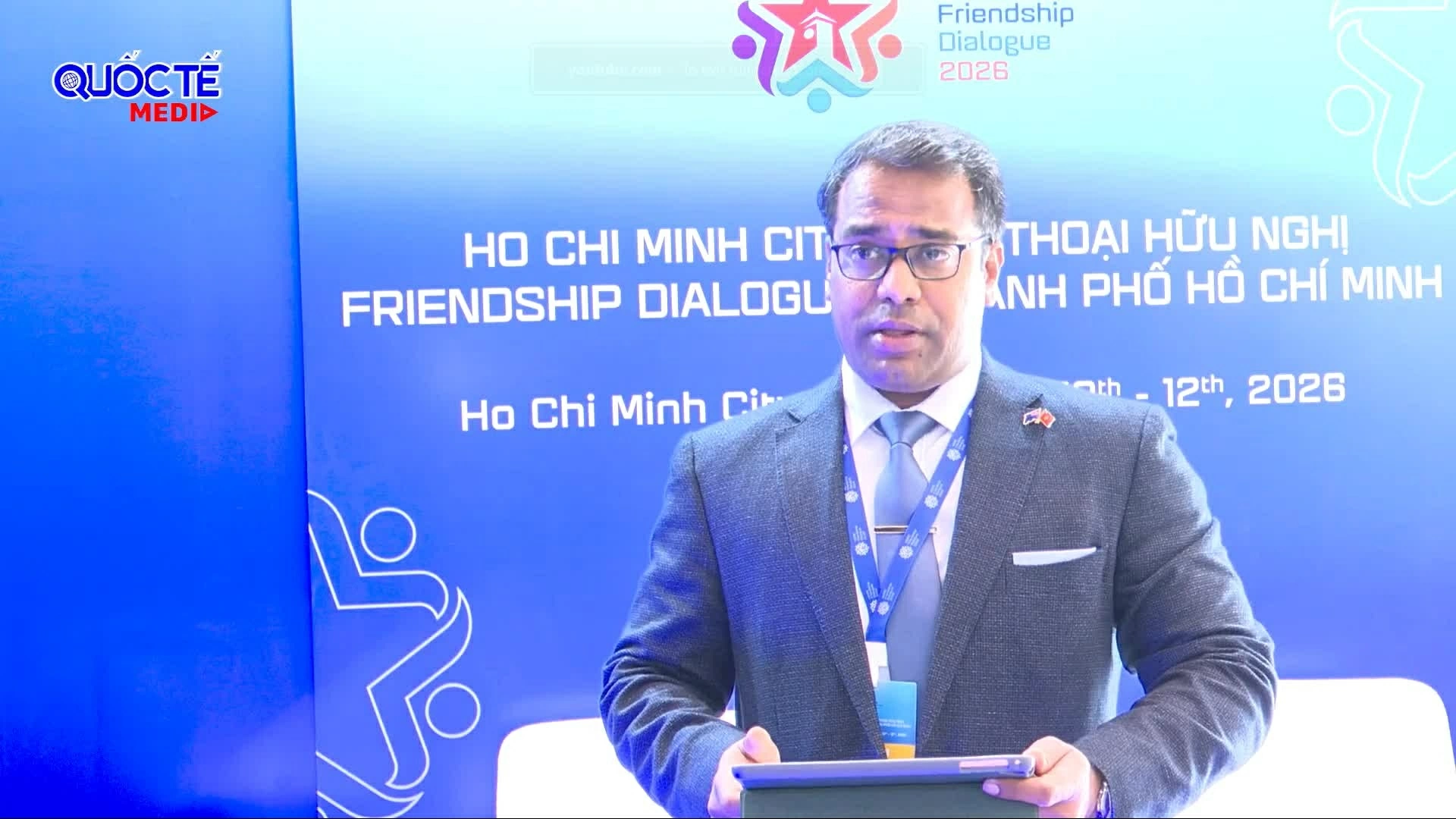
| Tobias David, former Chief of Staff to the Mayor of Leipzig, Germany, spoke to The World and Vietnam Report on the occasion of the Ho Chi Minh City Friendship Dialogue 2026. |
Reclaiming public space for residents
According to Tobias David, former Chief of Staff to the Mayor of Leipzig, cities around the world are grappling with similar challenges involving public space, transport and climate change. For Leipzig, the question is not simply how to organise transport, but also how to build a liveable city with clean air and streets safe enough for children to move around independently.
Across Europe, cities are required to develop Sustainable Urban Mobility Plans (SUMPs). Leipzig adopted its plan in 2018. Under its Transport Strategy 2030, the city aims for 70% of all urban journeys to be made using environmentally friendly modes of transport by 2030, while cars should be necessary for no more than 30% of journeys.
| More from WVR |
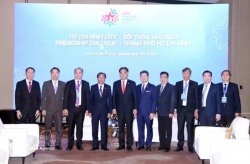 FD 2026: Ho Chi Minh City seeks to enhance experience exchange, expand connections, and create new cooperation opportunities FD 2026: Ho Chi Minh City seeks to enhance experience exchange, expand connections, and create new cooperation opportunities |
To achieve this goal, Leipzig has planned more than 600 specific measures, ranging from sidewalk construction and public transport expansion to the development of cycling routes. With a budget of nearly €1.5 billion, these measures are now being implemented.
According to Tobias David, one of the biggest challenges, alongside infrastructure investment, is changing transport behaviour. The city needs to provide convenient mobility options while communicating effectively with residents so that they understand and use those alternatives. Leipzig prioritises active mobility, such as walking and cycling, while strengthening public transport through new trams, electric buses, shared mobility schemes and an efficient operating network.
The aim is to ensure that residents can rely on public transport, walking or cycling both during the day and at night, thereby reducing dependence on cars. This approach also helps redistribute public space more effectively, while preserving room for essential logistics and services.
Initial results suggest that Leipzig is moving towards its objectives. A recent study found that, as early as 2025, 69% of journeys in the city were made by walking, cycling or public transport, with walking accounting for 33%, cycling 20%, public transport 16% and cars 31%.
Alongside transport, Leipzig is also pursuing urban planning that enables residents to reach most destinations within their neighbourhoods within 15 minutes. Residential areas, shopping centres, schools and public infrastructure are planned in ways that reduce the need for long journeys. Tobias David said this is a long-term process requiring numerous measures and substantial financial resources, but it will ultimately contribute to sustainable development and help create a more liveable city.
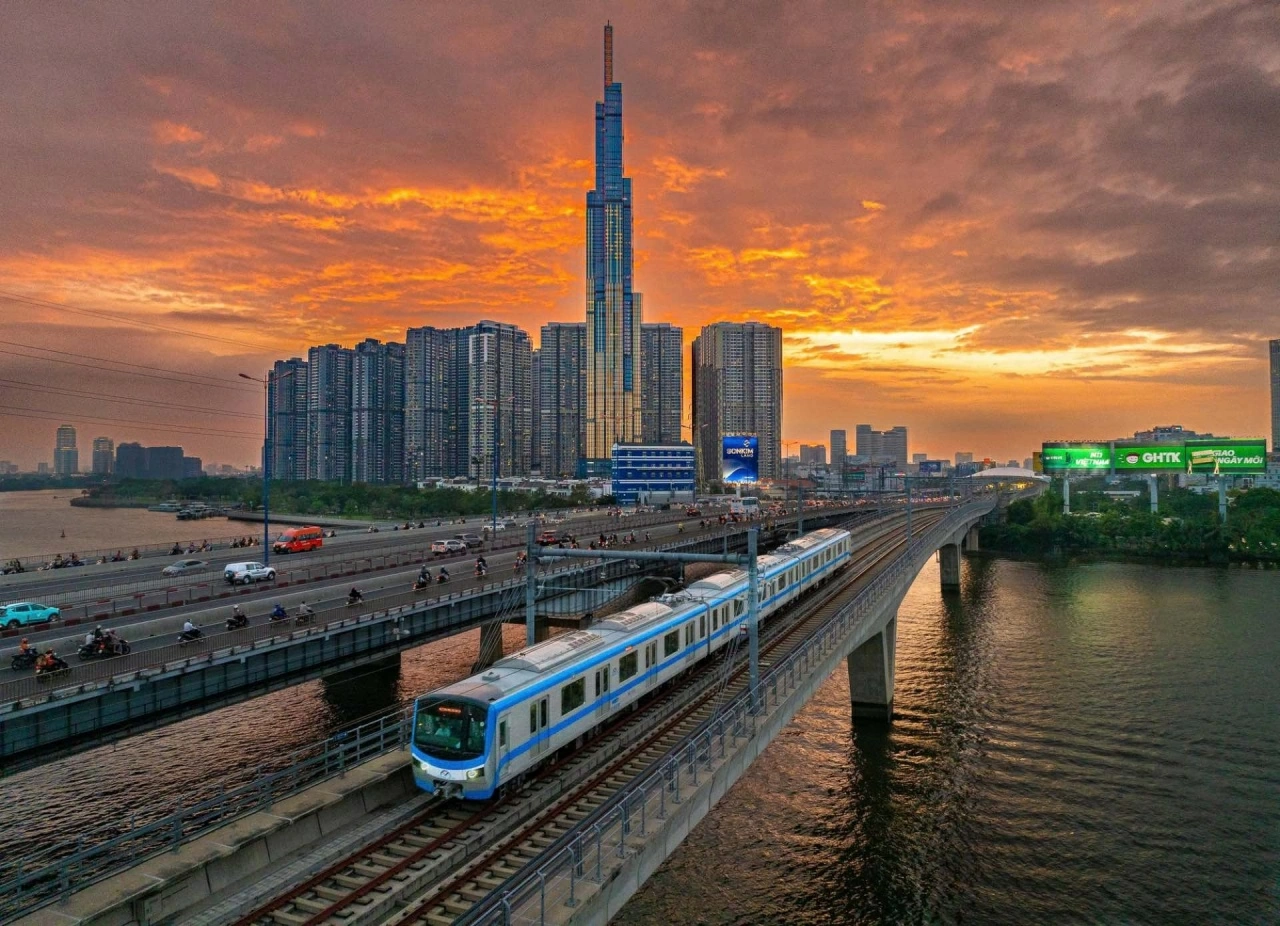 |
| The metro system is expected to make an important contribution to turning Ho Chi Minh City into a modern, civilised and sustainable urban centre. (Source: VGP) |
Drawing on his observations in Ho Chi Minh City, the German expert said there remains considerable scope for improving space for pedestrians. In some areas, he noted, pavements are not yet sufficiently safe and crossing the road can be hazardous, particularly for children. In his view, the city could become more liveable by reallocating public space more decisively, reducing the space occupied by noisy and polluting cars and motorbikes, while expanding safe areas for residents and establishing public transport as the backbone of the urban mobility system.
Alongside green infrastructure, the former Chief of Staff to the Mayor also highlighted the role of vocational training in the green transition. Leipzig and Ho Chi Minh City, he suggested, could move beyond student exchanges towards joint training programmes geared towards the jobs of the future. A key feature of Germany's dual vocational training model is that training programmes are not designed by the education system alone. Businesses are also an integral part of the training system. Students divide their time between vocational schools and practical training within companies, working with real-world technologies and addressing real-world problems.
On this basis, Tobias David proposed that Leipzig and Ho Chi Minh City focus on several occupations directly related to the green transition, including electric vehicle and charging infrastructure engineering; mechatronics and industrial automation; renewable energy and energy storage systems; smart grids and building technologies; environmental and water technologies; and digital logistics.
These programmes could be developed jointly by a Vietnamese vocational school, a training institution or company in Leipzig, and businesses on both sides. A notable feature would be the international orientation built into the training from the outset. Students could spend most of their time studying in Ho Chi Minh City while gaining exposure to German standards and technologies; German companies could provide training modules and equipment; Leipzig-based companies could offer internships or advanced training; and teachers from both sides could exchange expertise and participate in joint training programmes.
Tobias David also strongly recommended the introduction of “training of trainers” programmes. If dual vocational training is to be expanded, he argued, it is not enough to train 50 students; teachers and in-company instructors must also be trained so that they can subsequently train the next 500.
He noted that Vietnam already has a strong foundation for such an approach, with German-Vietnamese vocational training programmes demonstrating the ability to develop curricula jointly with businesses, train students to German standards and incorporate green occupations into training programmes, including careers in energy, building technology, sanitary engineering, heating and air conditioning.
Creating an environment for business investment in R&D and the green transition
Drawing on the experience of the Kansai region, Keiko Murakami, Deputy Director of the Kansai Bureau of Economy, Trade and Industry (METI-Kansai), stressed that creating an environment in which businesses can more easily test new technologies and implement demonstration projects is crucial to promoting research and development (R&D).
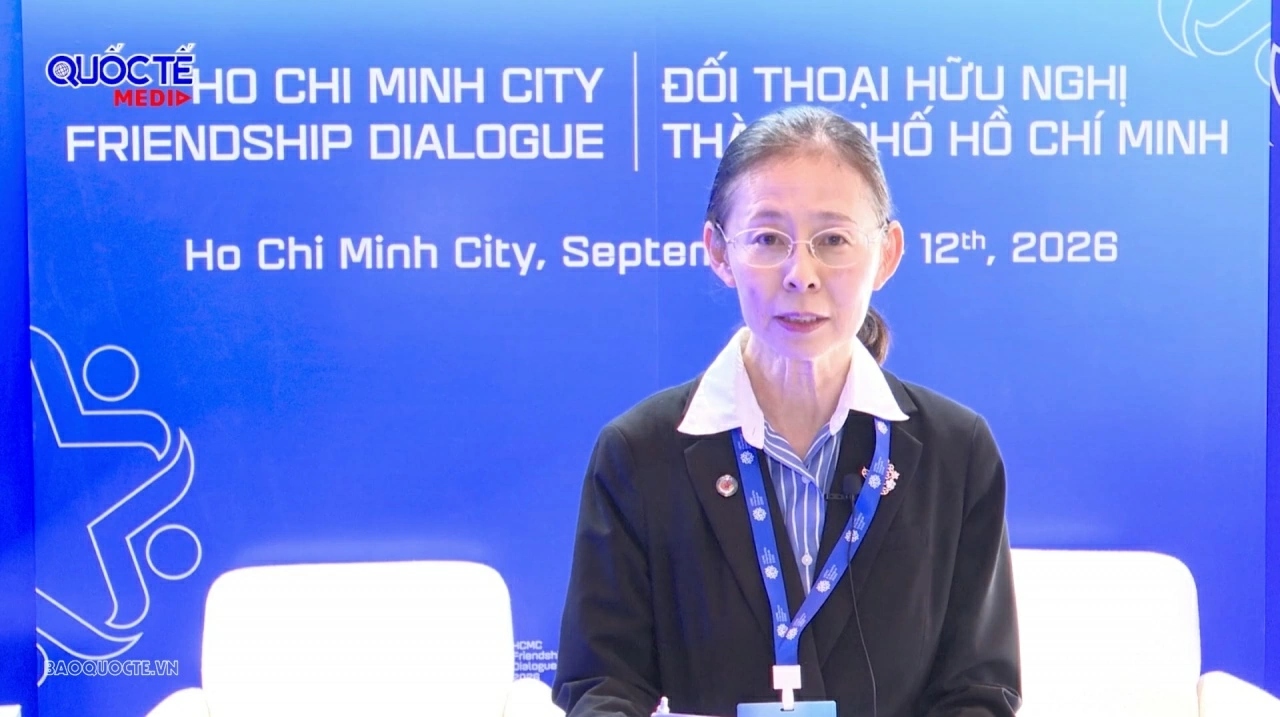 |
| Keiko Murakami, Deputy Director of the Kansai Bureau of Economy, Trade and Industry (METI-Kansai), spoke to The World and Vietnam Report on the sidelines of the Ho Chi Minh City Friendship Dialogue 2026. |
One policy regarded by METI-Kansai as effective is its support programme for research and development. In Japan, the Go-Tech Programme supports R&D activities by small and medium-sized enterprises. Businesses receive support when carrying out R&D projects in cooperation with universities and public research institutes operated by local authorities.
Notably, support under the programme can continue for up to three years rather than being limited to a single year. Projects are assessed throughout the implementation period, and support may be discontinued if they fail to achieve satisfactory results. Projects are evaluated not only on their technological merits but also on their market potential and prospects for commercialisation. According to Keiko Murakami, this approach enables public resources to be directed towards projects with long-term development potential and a clear path towards practical application and commercialisation, rather than research in isolation.
| More from WVR |
 FD 2026: Ho Chi Minh City expands development space, boosts local foreign affairs initiatives FD 2026: Ho Chi Minh City expands development space, boosts local foreign affairs initiatives |
For the green transition, another effective policy is to support the deployment of advanced environmental technologies, energy-efficient equipment and renewable energy systems in newly built factories, business facilities and public infrastructure. Such measures can help reduce the environmental impact and energy consumption of industrial activities.
Keiko Murakami also referred to cooperation between METI-Kansai and Binh Duong Province. In 2022, the two sides signed a cooperation agreement on environmental matters aimed at improving the business environment and creating market opportunities for Japanese companies by introducing Kansai's environmental technologies, as well as Japanese management systems and regulations, to local authorities and businesses actively addressing environmental challenges.
As part of this framework, METI-Kansai organised seminars in Binh Duong to introduce environmental and energy-saving technologies developed by Kansai businesses. At the same time, local authorities and industrial park developers were provided with a “Solutions List” showcasing technologies, products and systems developed by Kansai companies that could contribute to the development of environmentally friendly industrial parks.
The list categorises challenges in the development of eco-industrial parks into areas such as green energy, resource recycling, water reuse and pollution control, while introducing Japanese measures and technologies that could help address each challenge. According to the expert, this experience demonstrates that industrial development and environmental protection need to proceed in parallel, supporting economic growth while addressing environmental challenges.
For connecting high-tech businesses in Kansai with Ho Chi Minh City's innovation ecosystem, Keiko Murakami said the most important factor is the presence of capable “co-ordinators”.
According to her, differences in language, culture and business practices between Japanese and Vietnamese companies, as well as between universities and research organisations, can mean that promising technologies and clearly identified business needs do not necessarily translate into concrete cooperation. There is therefore a need for people who understand both sides, can build trust and create opportunities for new collaborative projects.
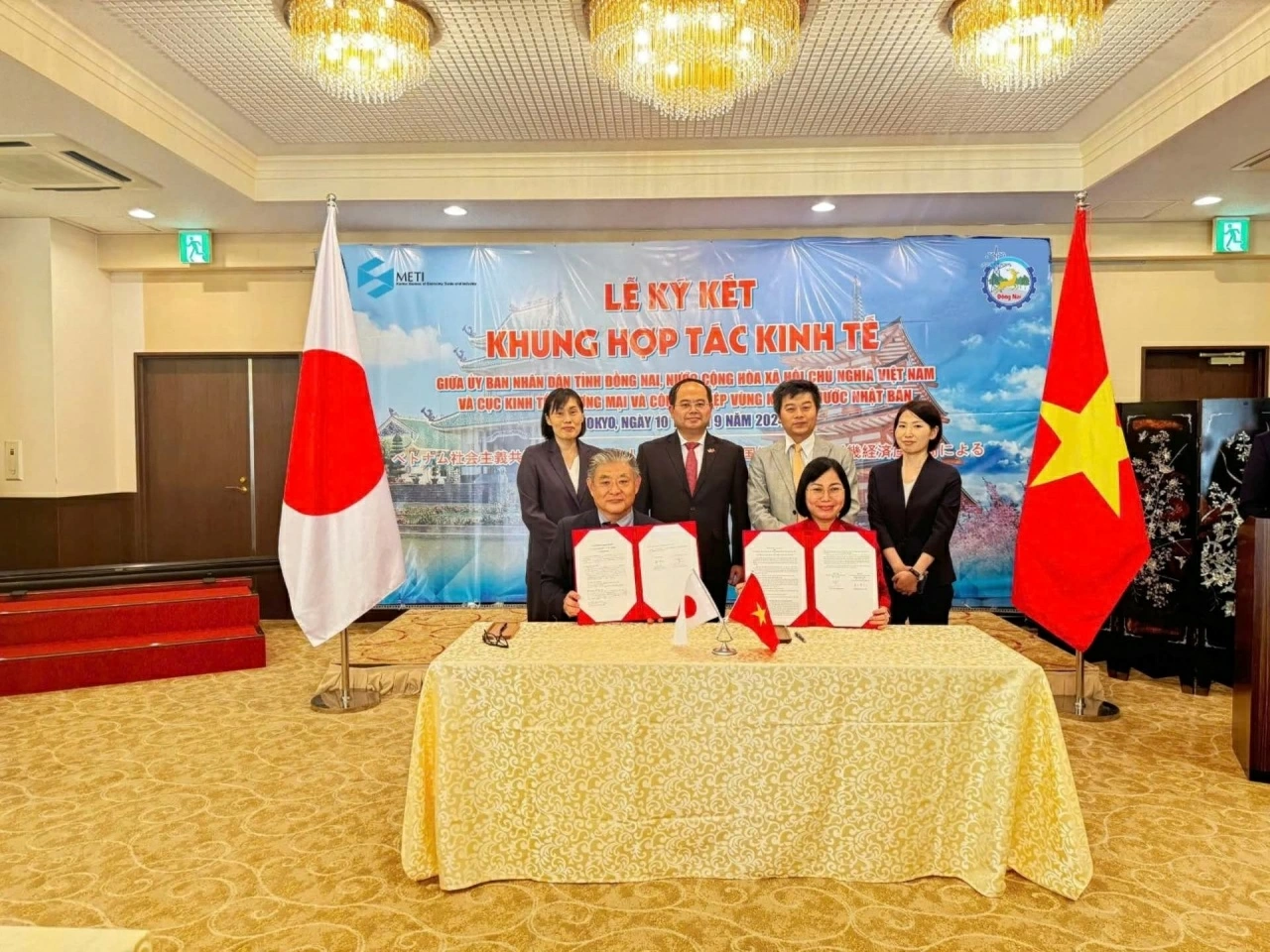 |
| In September 2024, in Tokyo, Japan, the People's Committee of Dong Nai Province, in coordination with the Embassy of Vietnam in Japan, held a ceremony to renew the Fifth Economic Cooperation Framework with the Kansai Bureau of Economy, Trade and Industry (METI-Kansai). (Source: Dong Nai Newspaper) |
In particular, as part of its cooperation with the People's Committee of Dong Nai Province, METI-Kansai implemented a six-year programme from 2017 to 2022 to develop a pool of co-ordinators capable of connecting Japanese and Vietnamese businesses, universities and research organisations. The programme included regular mentoring by Japanese experts, online training, company visits, practical business-matching activities and study tours to Japan. These activities strengthened participants' ability to identify business needs, seek potential partners and build professional networks.
As a result, more than 10 co-ordinators were trained. In 2019, the Dong Nai Co-ordinators Group was established and now operates independently, actively promoting business links and human resource exchanges between Japanese and Vietnamese organisations.
Looking ahead, she said co-ordinators in Ho Chi Minh City could play a central role in promoting cooperation between Japanese and Vietnamese businesses, as well as connecting them with universities and research organisations for joint research, pilot projects and human resource development.