



FD 2026: Harnessing momentum of cooperation, building a sustainable development foundation for Ho Chi Minh City
WVR - As localities face the dual challenge of expanding their development space while strengthening their capacity to adapt, local diplomacy is increasingly being translated into practical cooperation in markets, livelihoods, infrastructure and urban resilience.
Latest
On the occasion of the recent Ho Chi Minh City Friendship Dialogue 2026 (FD 2026), Member of the Central Committee of the Lao People's Revolutionary Party, Secretary of the Provincial Party Committee and Chairman of the Provincial People's Council of Xiangkhouang Phouvong Ounkhamsen, and Tokyo Metropolitan Government Vice Governor Tomohide Sato spoke to The World and Vietnam Report about advancing substantive cooperation, strengthening urban resilience and laying the foundations for sustainable development.
Turning friendship into tangible benefits
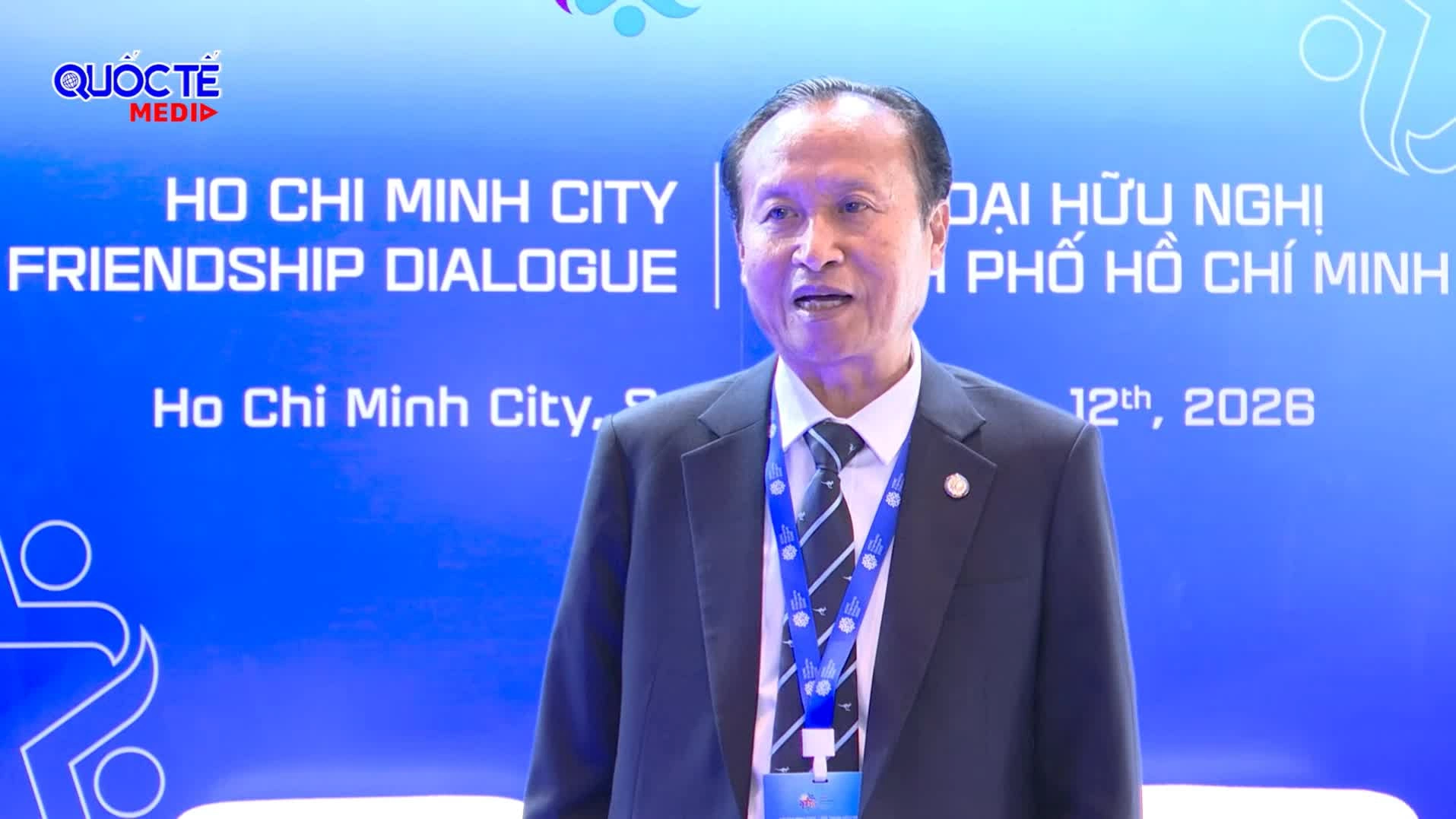 |
| Member of the Central Committee of the Lao People's Revolutionary Party, Secretary of the Provincial Party Committee and Chairman of the Provincial People's Council of Xiangkhouang Phouvong Ounkhamsen shares his views on concrete avenues for cooperation to expand markets for local products, create livelihoods and raise people's incomes. (Photo: Thanh Long) |
Against the backdrop of localities taking a more proactive approach to seeking markets, resources and development opportunities, friendship ties are increasingly being translated into concrete cooperation programmes, creating new livelihoods for local communities and opening up greater opportunities for businesses.
From this perspective, Secretary of the Xiangkhouang Provincial Party Committee and Chairman of the Provincial People's Council Phouvong Ounkhamsen said that the friendship between Xiangkhouang and Ho Chi Minh City should continue to be translated into programmes with clear and tangible outcomes, thereby raising people's incomes and creating greater opportunities for businesses on both sides.
For Xiangkhouang, Ho Chi Minh City represents an important distribution network, logistics hub and gateway to international partners, which could help the province's products reach broader markets.
The story of Kaynoi sticky rice provides a concrete example. According to a 9 September report by Indochina Holdings, Xiangkhouang's Kaynoi sticky rice has entered Vietnam through official trade channels, with consumption reaching around 100 tonnes a month and nearly 300 distributors stretching from Hanoi to Ho Chi Minh City.
Building on this initial result, Xiangkhouang hopes the two localities can continue to address bottlenecks in transport, warehousing, product documentation and market connectivity, thereby developing a more efficient supply chain.
| More from WVR |
 |
Notably, Xiangkhouang's proposal goes beyond introducing more products to the Ho Chi Minh City market, instead seeking to establish cooperation mechanisms capable of delivering long-term results.
These include establishing regular coordination focal points for trade and logistics, connecting businesses, and exploring suitable transport solutions as practical steps towards stronger cooperation.
The province has also proposed establishing a Xiangkhouang product showcase in Ho Chi Minh City, initially featuring Kaynoi sticky rice and gradually expanding to other distinctive local products.
Alongside trade in goods, people are at the heart of Xiangkhouang's approach to cooperation.
According to Mr. Phouvong Ounkhamsen, human resources training should be aligned with the locality's practical needs, combining academic learning with workplace experience and employment opportunities after graduation.
In addition to sending officials and workers to undertake training, the two sides could expand programmes that bring experts and lecturers to Xiangkhouang to provide on-site guidance, thereby broadening opportunities for the transfer of knowledge and skills.
In tourism, Xiangkhouang hopes to develop products tailored to the Ho Chi Minh City market, with the Plain of Jars, a UNESCO World Heritage Site inscribed in 2019, serving as a key attraction alongside experiences centred on nature, community culture and local cuisine.
Under this approach, tourism development should go hand in hand with heritage conservation, improved service quality and the creation of livelihoods for local communities.
From trade and logistics to human resources training and tourism, the common thread running through Xiangkhouang's proposals is a focus on areas capable of generating direct and lasting benefits.
This approach can also help local cooperation move beyond traditional exchanges and become part of a broader process of building development capacity for local communities.
Building resilience, sustaining growth
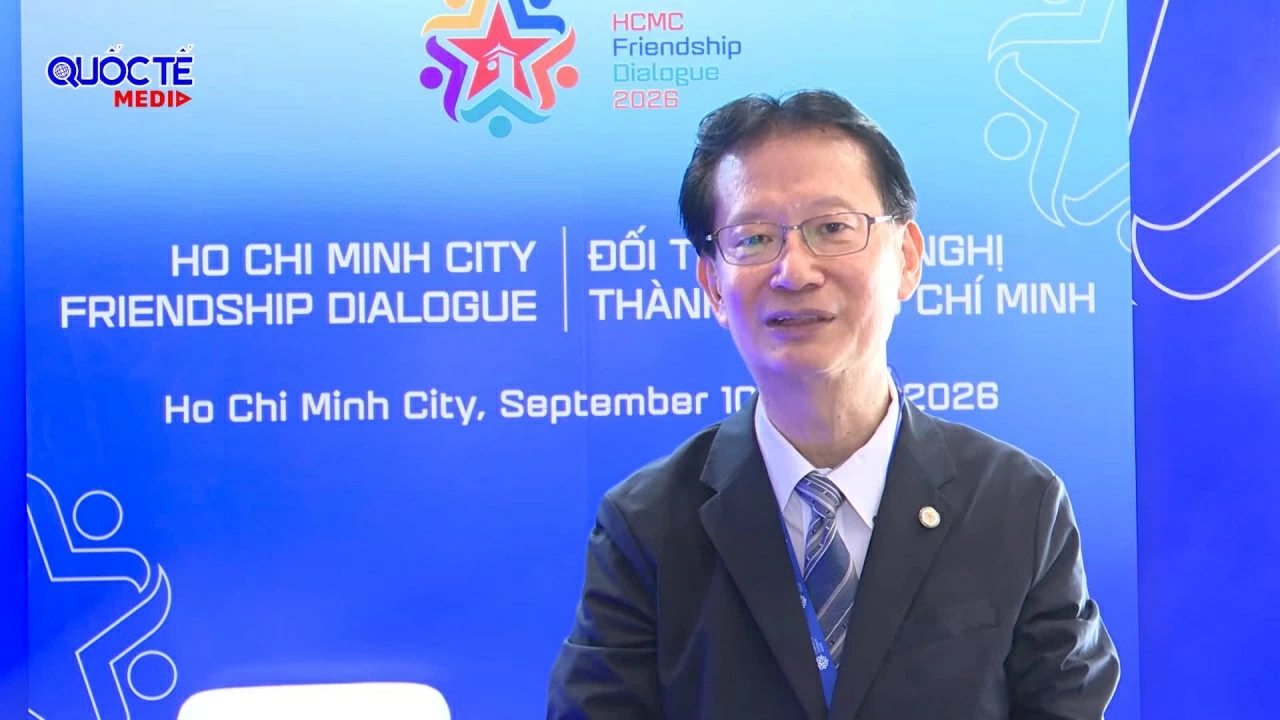 |
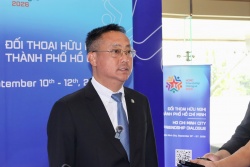
| Tokyo Metropolitan Government Vice Governor Tomohide Sato highlights the role of cooperation among cities in strengthening resilience to climate change, thereby laying the foundations for sustainable development and attracting investment. (Photo: Thanh Long) |
While Xiangkhouang places the emphasis on bringing local cooperation closer to markets and people's livelihoods, the experience of Tokyo highlights another dimension of sustainable development: the capacity of cities to withstand increasingly unpredictable disruptions.
Tokyo Metropolitan Government Vice Governor Tomohide Sato said that heavy rainfall, extreme heat and climate-related risks are becoming common challenges for cities around the world.
Tokyo has strengthened its infrastructure for responding to storms and floods, from reinforcing riverbanks and constructing water-retention basins to developing rainwater storage facilities, while also applying digital technologies to enhance disaster-response capabilities.
According to Mr. Tomohide Sato, although Ho Chi Minh City and Tokyo differ in their geographical conditions and risk profiles, the two cities have considerable scope to share experience, expertise and technology.
For Ho Chi Minh City, building a city capable of withstanding natural disasters and climate change is also directly linked to the goal of sustaining economic momentum and attracting investment.
| G-NETS (Global Network of Sustainable Cities) is a network connecting major cities around the world to promote cooperation and the sharing of experience in sustainable development, innovation and urban governance. In 2026, the G-NETS Summit was held in Tokyo, Japan, from 27 to 29 April, bringing together mayors and urban leaders from cities around the world to discuss urban resilience in the face of increasingly frequent and severe shocks. |
A robust urban foundation can give businesses greater confidence to operate, thereby reinforcing trust in the city's long-term development prospects.
From this perspective, resilience is no longer solely a matter of infrastructure or risk management, but has become an integral part of a city's competitiveness.
Tokyo hopes to further strengthen its partnership with Ho Chi Minh City while expanding cooperation through multi-city networks such as G-NETS, with “Urban Climate and Disaster Resilience” identified as a key theme.
By sharing experience, technology and practical solutions, cities can turn lessons from dialogue into concrete action, working towards a safer urban environment and a stronger foundation for sustainable growth.
| FD 2026: Ho Chi Minh City identifies participation in international urban networks as a key method for direct development support On the sidelines of the Ho Chi Minh City Friendship Dialogue 2026 (FD 2026), on September 11, Director General of the Department of Foreign Affairs ... |
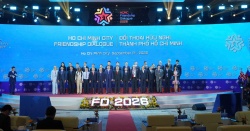
| The HCM City Mayors' Conference 2026 officially opens: A message of cooperation for joint development On the morning of September 11, in Vung Tau ward, within the framework of the 3rd Ho Chi Minh City Friendship Dialogue 2026 (FD 2026), ... |
| FD 2026: Ho Chi Minh City expands development space, boosts local foreign affairs initiatives WVR - Ho Chi Minh City is asserting its position as a gateway connecting global resources, achieving significant strategic advancements in promoting local foreign affairs. |
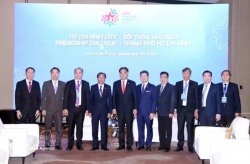
| FD 2026: Ho Chi Minh City seeks to enhance experience exchange, expand connections, and create new cooperation opportunities WVR - On the afternoon of September 11, in Vung Tau ward, Standing Vice Chairman of the Ho Chi Minh City People's Committee Nguyen Loc ... |
|
| Urban Diplomacy: From friendship commitments to sustainable development and innovation drivers At the Mayors' Conference within the framework of the 3rd Ho Chi Minh City Friendship Dialogue 2026 (FD 2026), leaders of provinces and cities discussed ... |