




Promoting connectivity to green logistics supply chains
On the sidelines of the Ho Chi Minh City Friendship Dialogue 2026 (FD 2026) on September 11, Ngo Thi Thanh Vy, General Director of QTM International Port Joint Stock Company, and Huynh Dinh Thai Linh, Vice President of the Ho Chi Minh City Logistics and Port Association (HLA) spoke about developing port infrastructure towards green and smart solutions, enhancing data connectivity, and improving the quality of human resources.
Latest
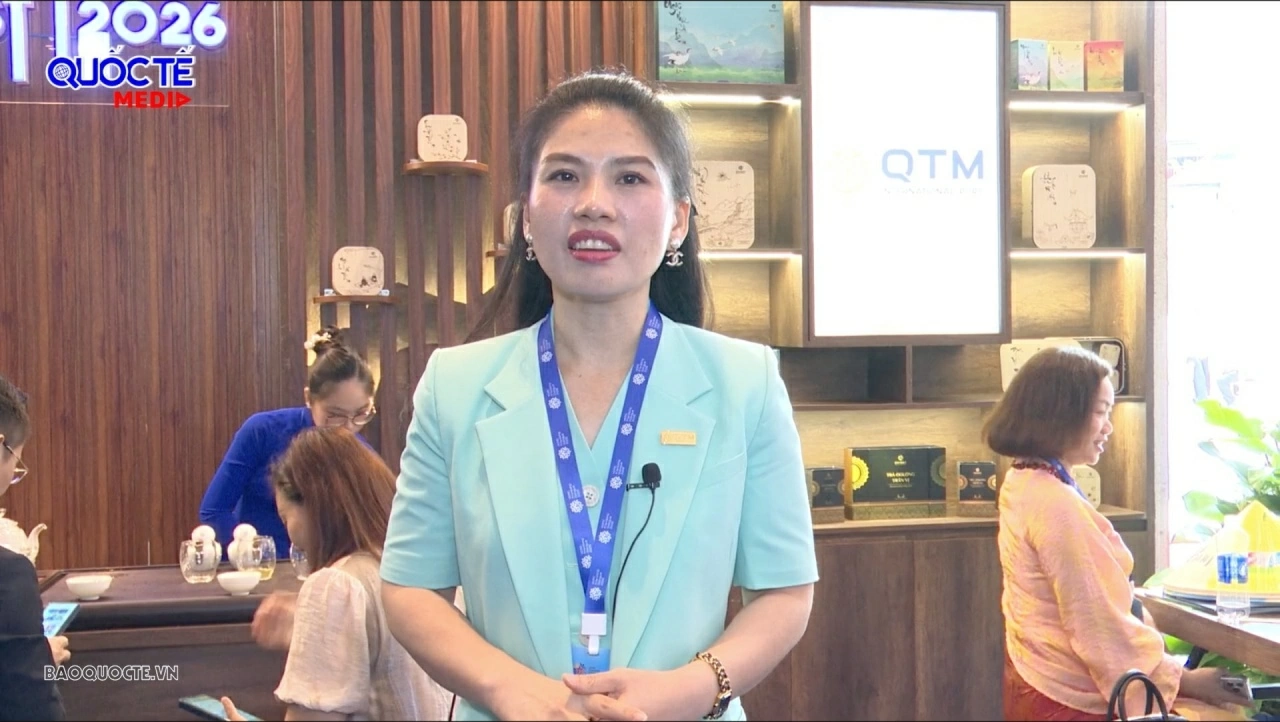 |
| Ngo Thi Thanh Vy, General Director of QTM International Port Joint Stock Company. |
Integrating “green” and “smart” from the investment process
According to Ngo Thi Thanh Vy, General Director of QTM International Port Joint Stock Company, green and smart should not be seen as two separate goals but should be integrated from the outset of the port's investment and development process.
QTM's ongoing investment in and construction of the port provides an advantage, as the company can consider factors such as technology, equipment, energy, and the environment from the outset, rather than having to retrofit after the port is operational. QTM aims to develop into a modern, comprehensive port, where infrastructure, technology, and equipment are invested in tandem, suited to the characteristics of each cargo line and actual operational needs.
During the investment process, the company prioritises solutions that enhance operational efficiency, optimise berth and equipment utilisation, increase safety, and reduce energy consumption and environmental impact. Additionally, digitising operations and data management is a particular focus to help the port connect more effectively with customers and services across the logistics chain.
Ngo Thi Thanh Vy emphasized that modern technology does not mean choosing the most complex technology. The important thing is to choose suitable technology that can solve operational problems, optimize usage efficiency, and ultimately create the best value for customers. This is a practical approach to building a green and smart port.
Furthermore, Ngo Thi Thanh Vy noted that optimising the logistics supply chain is not only about data connectivity but also about connecting all stakeholders in the chain.
A port can be equipped with modern facilities, but if information among the port, shipowners, cargo owners, logistics companies, transport companies, and management agencies remains fragmented and disconnected, the effectiveness of the entire chain remains limited.
Therefore, when implementing data connectivity, parties need to clearly define objectives to ensure that necessary information can be shared, enabling them to better coordinate plans and make quicker decisions. This way, connectivity can help reduce waiting times and optimise the use of vehicles, warehouses, and berths, thereby reducing logistics costs.
However, according to her, data connectivity needs to be implemented simultaneously with market and business connectivity. During the investment and construction phase, QTM has engaged in proactive collaboration with international ports and partners to learn from their management, organisation, operations, and technology. Additionally, the company actively works with cargo owners and logistics units to prepare for the port's future operations. In this process, the government plays an important role in creating connections among localities, ports, and businesses.
According to the General Director of QTM International Port Joint Stock Company, data connectivity only truly holds value when it is expanded and linked to operational efficiency. Similarly, cooperation should be directed towards specific projects, and business connectivity must create genuine trade flows that bring value to the market, supply chain, and businesses.
Accompanying businesses in dual transformation
From the business community's perspective, Huynh Dinh Thai Linh, Vice President of the Ho Chi Minh City Logistics and Port Association (HLA), stated that after the merger, the Association now spans over 6,000 km² and brings together more than 300 members. During its activities, supporting businesses in implementing “dual transformation”, including digital transformation and green transformation, is an important task of the Association.
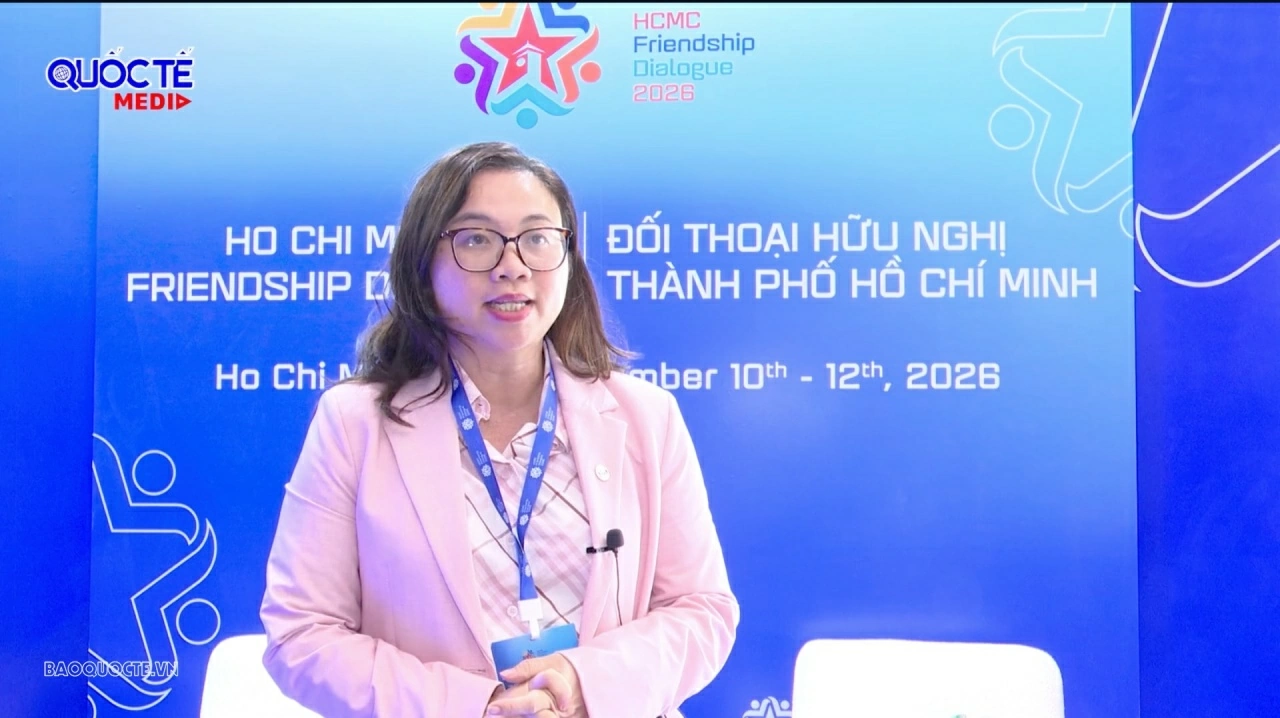 |
| Huynh Dinh Thai Linh, Vice President of the Ho Chi Minh City Logistics and Port Association (HLA). |
HLA is currently implementing various programs to support businesses. Every month, the Association organises HLA Talk and collaborates with programs in Ho Chi Minh City and the Department of Industry and Trade to support businesses in digital and green transformation. A key long-term program from now until 2030 is the plan to establish the HLA Training Center. Accordingly, the Association aims to implement in-depth training courses at various levels, thereby helping business personnel enhance awareness of digital and green transformation.
In addition to raising awareness, HLA also focuses on implementation and human resource development. A program being implemented by the Association this month is training and supporting the enhancement of human resources for the port sector, specifically training 1,000 personnel in crane operation.
According to Huynh Dinh Thai Linh, this is one of the Association's contributions to Ho Chi Minh City, aimed at enhancing and supplementing the city's human resources while also contributing to the digital and green transformation process.
Additionally, regarding efforts to remove barriers and reduce inter-regional logistics transhipment costs, the Vice President of HLA pointed out that the Association regularly contributes to the mechanisms and policies of Ho Chi Minh City, including measures aimed at reducing logistics costs.
According to Huynh Dinh Thai Linh, the activities of HLA members in recent times have not only focused on reducing costs in the logistics sector alone but also delved into each industry, identifying the strengths and weaknesses of each sector to jointly design new mechanisms and propose them to city leaders, thereby supporting the reduction of logistics costs for various industries.
Furthermore, the formation of free trade zones and the development of large-scale seaports, such as the Cai Mep - Thi Vai area, are considered important factors. HLA hopes that with continued support and development promotion, Ho Chi Minh City will become one of the transhipment ports of Southeast Asia in the future. In that spirit, to meet the needs of global partners, the Vice President of HLA said the business community in the logistics and supply chain sector needs to further promote digital and green transformation.
| Opportunities for Vietnamese businesses to deepen participation in Australia's value chains The cooperation opportunities between Vietnam and Australia are expanding from trade to joint capacity building in production, supply chains, and new growth drivers. |
| Guangdong steps up business connectivity, expands cooperation with Vietnam On 21 August, in Guangzhou, the Consulate General of Vietnam in Guangzhou, in coordination with the Guangdong Commercial Federation and the Guangzhou International Cooperation and ... |
Tags: