




Energy Infrastructure – A foundation for marine economic development
WVR - According to Nguyen Tai Anh, Deputy General Director of Vietnam Electricity Group (EVN), prioritizing investment in marine energy infrastructure, particularly offshore wind power, coastal power transmission systems, and power supply infrastructure for marine and island regions, will contribute to laying a foundation for the development of a green marine economy, a circular economy, and a low-carbon economy.
Latest
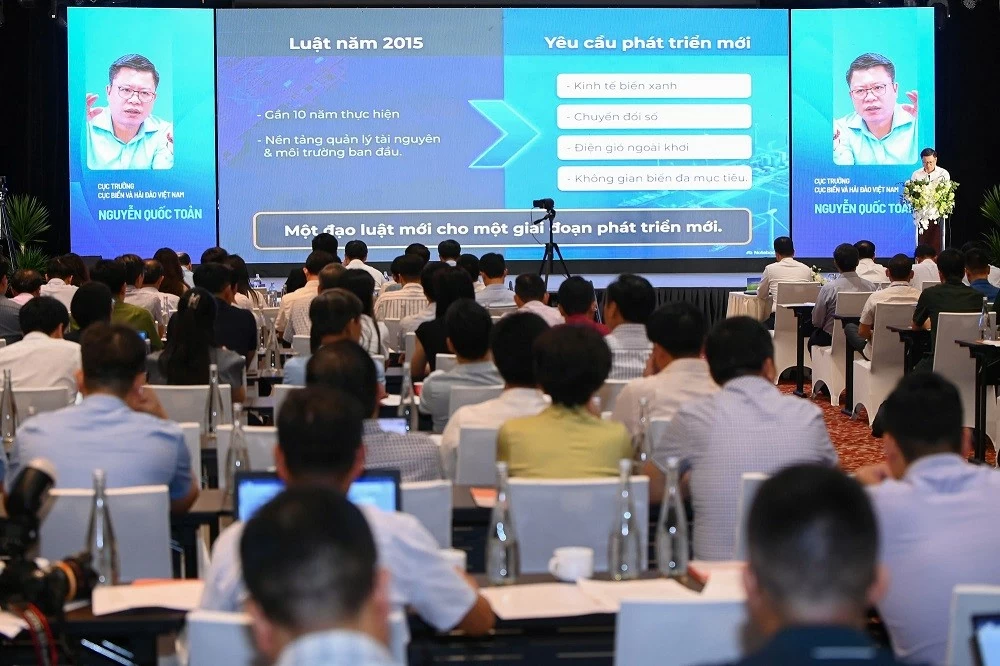 |
| National workshop 'Improving Institutions and Policies to Promote Sustainable Marine Economic Development' in Nghe An on June 5, 2026. (Source: VGP) |
On June 5, these insights were shared by EVN Deputy General Director Nguyen Tai Anh at the national workshop “Improving Institutions and Policies to Promote Sustainable Marine Economic Development” organized by the Ministry of Agriculture and Environment in collaboration with the Central Policy and Strategy Committee and the People's Committee of Nghe An Province in Nghe An Province. This event was part of the activities in response to Vietnam Sea and Island Week, World Oceans Day (June 8), and the Month of Action for the Environment in 2026. The workshop was attended by representatives from central ministries and sectors, leaders from 21 coastal provinces and cities, experts, scientists, associations, and businesses.
At the workshop, many opinions affirmed that the marine economy is becoming an important strategic development space for Vietnam, with significant potential for exploitation. In addition to traditional industries, emerging fields such as offshore renewable energy, marine logistics, circular economy, and high-tech aquaculture will contribute to creating new growth drivers for the economy.
However, experts also pointed out many challenges related to institutions, planning, and marine spatial management, such as overlapping plans, cumbersome investment procedures, and policy gaps for new marine economic sectors, especially offshore renewable energy.
Many delegates proposed amending the Law on Marine Resources and Environment towards creating a more favourable legal framework while balancing economic development, environmental protection, climate change response, and ensuring maritime defense and security.
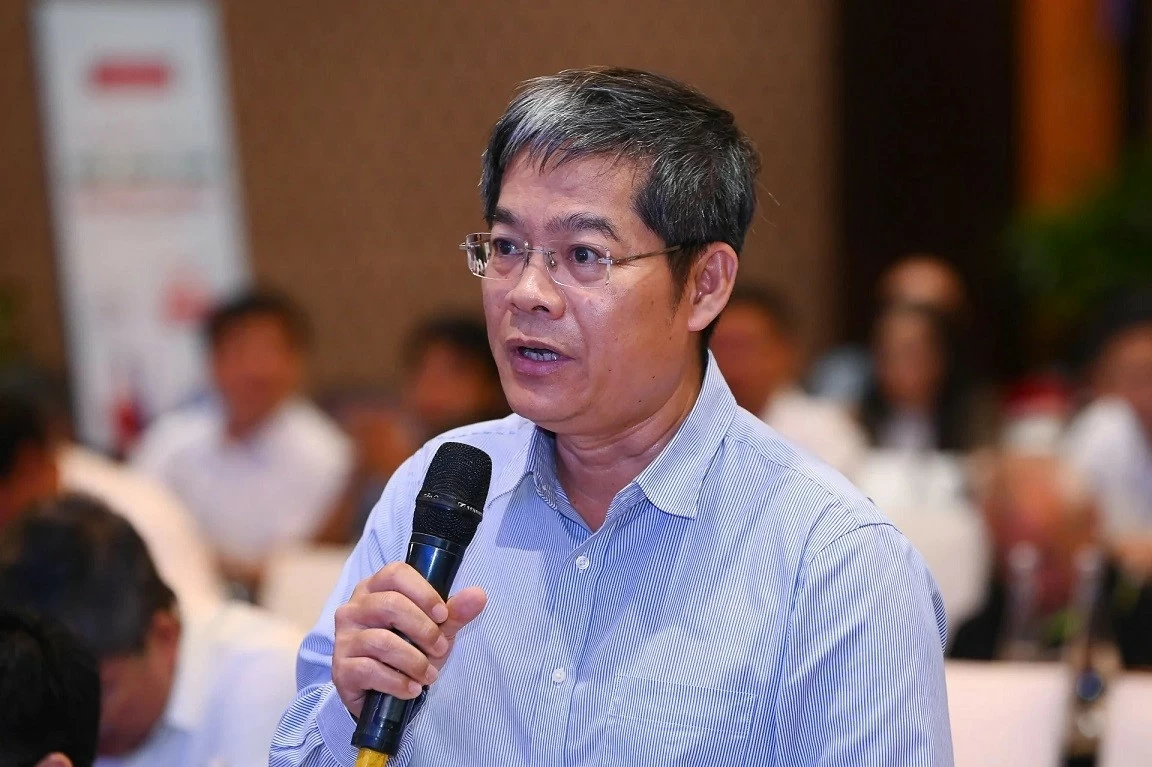 |
| EVN Deputy General Director Nguyen Tai Anh speaking at the workshop. (Source: EVN) |
Contributions to the marine economy
Speaking at the workshop, Nguyen Tai Anh stated that EVN is directly and indirectly involved in six marine economic sectors: marine tourism and services, maritime economy, oil and gas and marine mineral extraction, aquaculture and fisheries, coastal industry, and renewable energy.
EVN clearly recognizes that providing electricity to marine and island regions is not only a business task but also holds significant political importance. In recent years, EVN has heavily invested in power supply projects for these areas, contributing to improving the lives of residents, promoting socio-economic development, and strengthening national defense and security. To date, most coastal economic zones have been supplied with electricity from the national grid or stable power sources.
EVN leadership emphasized that with the demand for marine economic development in the new phase, the need for investment in marine energy infrastructure is becoming increasingly urgent.
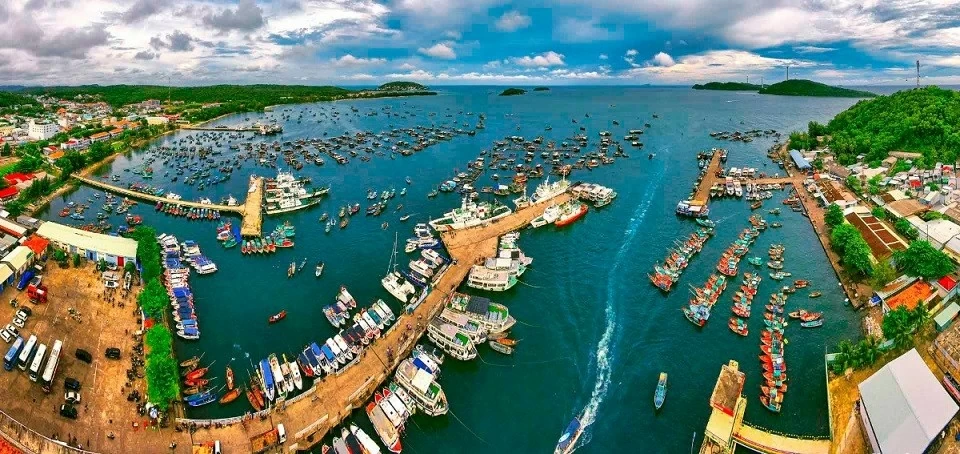 |
| With the demand for marine economic development in the new phase, the need for investment in marine energy infrastructure is becoming increasingly urgent. (Source: Photography and Life) |
Recommendations for marine spatial planning and energy transition
Based on practical activities, EVN proposes that the Government continue to prioritize resources for the development of marine energy infrastructure, focusing on offshore wind power, new forms of marine energy, coastal power transmission systems, and power supply infrastructure for marine and island regions.
The Deputy General Director of EVN suggested that in addition to public investment resources, there should be mechanisms to more strongly mobilize private sector participation in implementing power supply programs for frontier islands, coastal border areas, and particularly challenging regions. This is not only a solution for economic development but also contributes to enhancing national sovereignty protection at sea.
EVN particularly emphasized the role of marine spatial planning. Both surface and seabed spaces are directly related to energy projects such as offshore wind power, wave energy, new forms of marine energy, and transmission cable systems.
Therefore, planning should be integrated and linked across sectors to use resources efficiently and minimize conflicts. Planning must also harmonize the interests of renewable energy, maritime, aquaculture, marine tourism, and ecological conservation.
Nguyen Tai Anh recommended that in addition to the overall national plan, detailed planning should be developed for each specific marine region and area to serve as a basis for project implementation.
To support energy transition and green marine economic development, Vietnam needs to accelerate scientific research, technological innovation, and digital transformation in the energy sector. Technologies such as smart grids, high-capacity transmission, energy storage, and new energy will be crucial foundations for the sustainable development of marine economic sectors in the future.