


Consular work and citizen protection contribute to Vietnam’s diplomatic achievements: Deputy FM Le Thi Thu Hang
WVR - Throughout the 80-year history of the diplomatic service, consular work and citizen protection have always been among the most important tasks, receiving close attention and direction from the Party and the State.
Latest
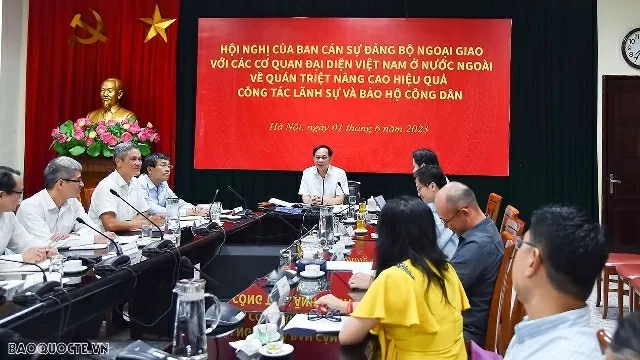 |
| Consular work and citizen protection contribute to Vietnam’s diplomatic achievements: Member of the Party Central Committee, Secretary of the Party Committee of the Ministry, Minister of Foreign Affairs Bui Thanh Son chairs the Conference on Strengthening the Effectiveness of Consular Work and Citizen Protection on June 1, 2023. (Photo: Tuan Anh) |
On the 80th anniversary of the Ministry’s founding, Deputy Foreign Minister Le Thi Thu Hang shared the highlights and contributions of consular work and citizen protection, as well as strategic and breakthrough directions to elevate this field in the new stage of development.
The year 2025 holds special significance, because it will not only be a year of many historic decisions for the country, but also marks the proud 80-year journey of the diplomatic sector. On this occasion, Deputy Minister of Foreign Affairs Le Thi Thu Hang reflected on the highlights and contributions of consular work and citizen protection to the Ministry’s overall achievements.
She recalled the teaching of President Ho Chi Minh, Vietnam’s first Minister of Foreign Affairs, who affirmed that the Party “has no other interest but the interests of the people and the Fatherland”. This principle has guided Vietnam’s diplomacy over the past eight decades—always devoted to serving the nation and the people.
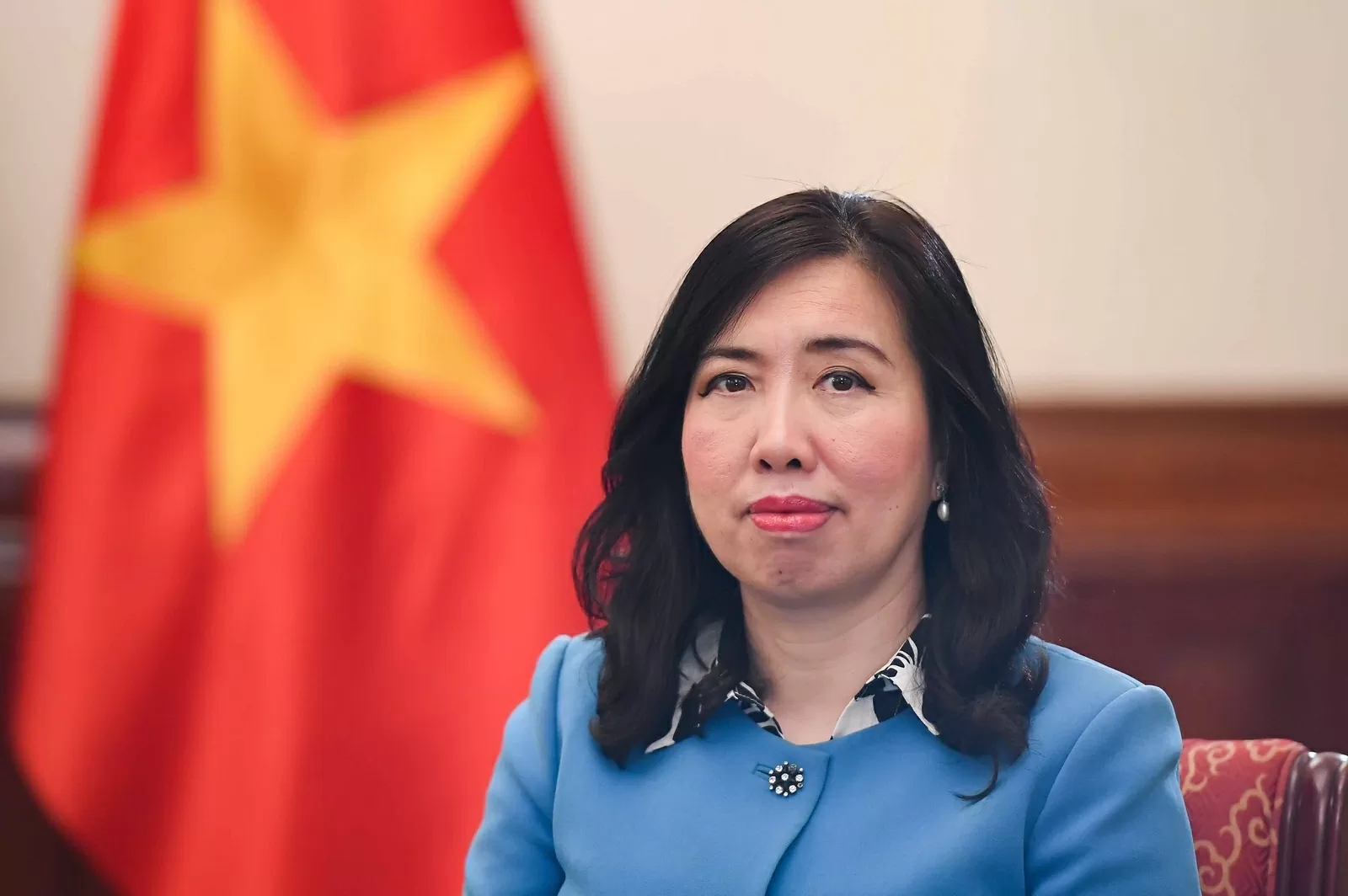 |
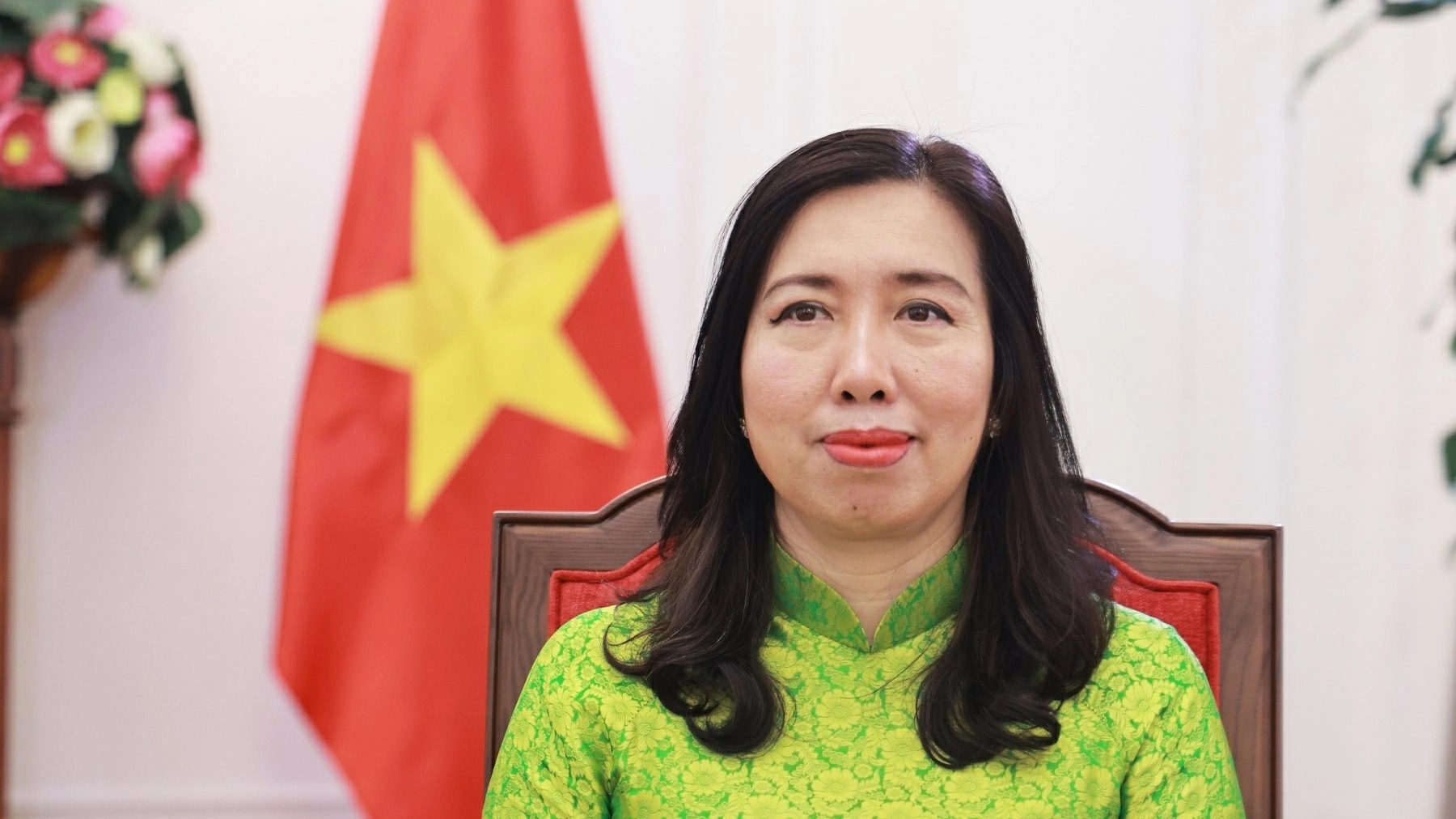
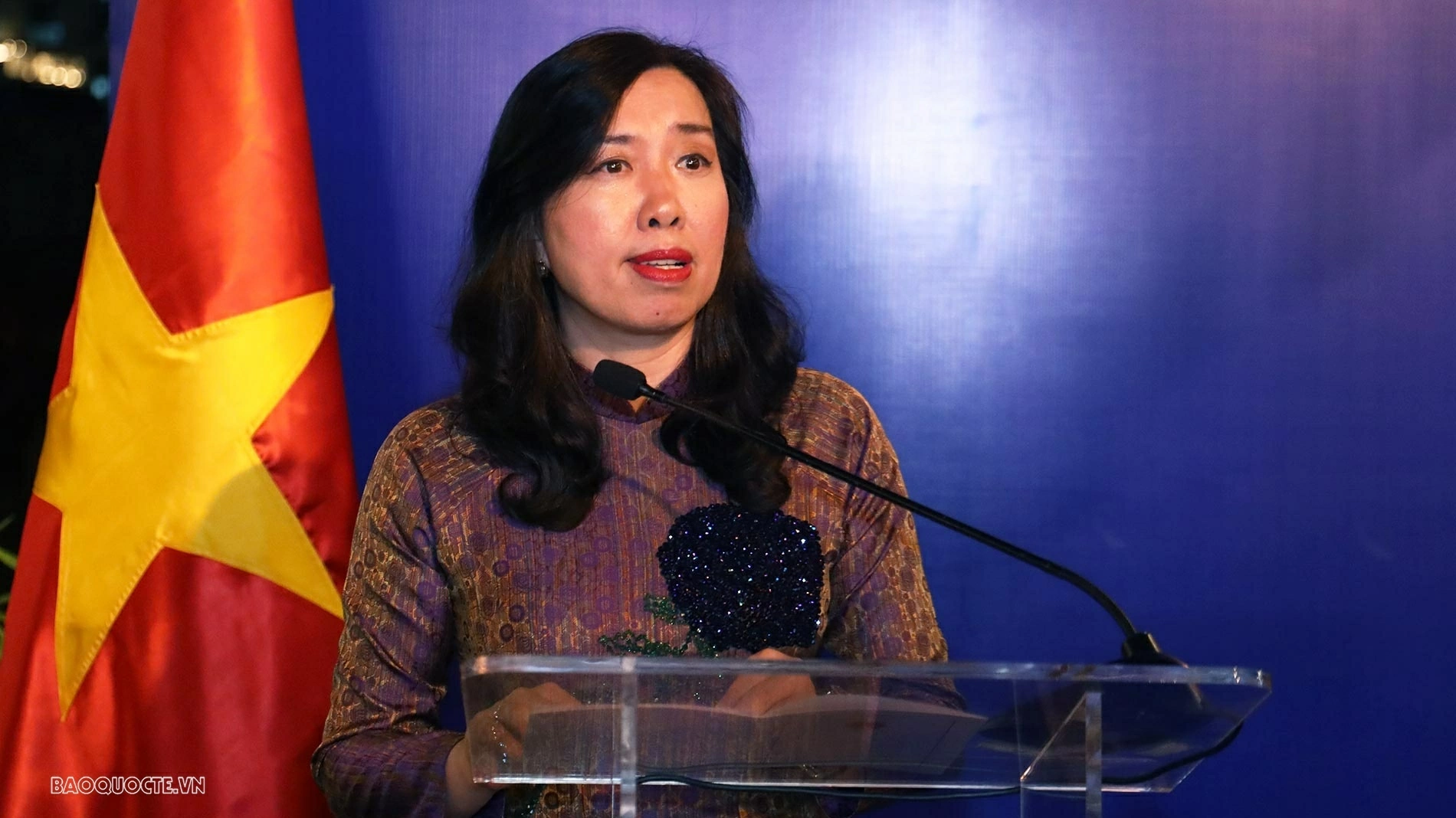
| Deputy Minister of Foreign Affairs Le Thi Thu Hang. (Photo: WVR) |
This is evident from the earliest days and throughout the development of the sector: consular work, and the protection of citizens’ rights and interests, has been one of the core tasks of the diplomatic sector. With the initial mission of promoting patriotism, mobilizing overseas Vietnamese to support the homeland, and joining the resistance to defend the country, the first consular offices were opened in India, Myanmar, and Indonesia. These laid the foundation for the establishment of later diplomatic missions as well as consular work and citizen protection.
Over 80 years of building and growth, consular work and citizen protection have achieved significant results, contributing to the diplomatic sector’s overall achievements and earning recognition from the Party, the State, and the people. Some notable highlights include:
First, citizen protection work has always been implemented swiftly and decisively, with the highest sense of responsibility, prioritizing citizens’ lives and safety. The world is full of complex developments—from armed conflicts, terrorism, and crime to natural disasters and extreme weather—while Vietnam is becoming increasingly open and integrated. This places new challenges and demands on consular work and citizen protection. Beyond routine procedures, document issuance, and ordinary protection measures, the Ministry of Foreign Affairs, in coordination with relevant ministries and agencies, has conducted large-scale evacuation campaigns from areas of armed conflict, political unrest, natural disasters, and epidemics. Notable illustrations include evacuations from Iraq in 1991, Libya in 2011 and 2014, Ukraine in 2022, Myanmar in 2023, and most recently during the Israel–Iran conflict—ensuring safety and avoiding any casualties among Vietnamese citizens. Consular officers have braved danger to rescue hostages from pirates and traveled to earthquake- and tsunami-hit areas while aftershocks were still occurring. Ensuring citizens’ safety has helped strengthen the Ministry’s image, reputation and the public’s trust in the Party and State’s sound, humane policies.
Second, with the principle of putting people and businesses at the center, consular work at home and abroad has been increasingly reformed toward openness and transparency, contributing to building a service-oriented, efficient, and effective administration. Administrative simplification, coupled with digital transformation, has been actively promoted to save time and compliance costs for people and businesses, using public satisfaction as the measure of results. Breakthrough policy proposals on entry–exit, visa exemptions, nationality, and migration have been timely submitted. Notable examples include drafting and amending legal documents on consular affairs, gradually piloting fully online consular procedures where feasible, launching online appointment booking with VNeID authentication and online payment, and decentralizing certain consular tasks to local authorities.
Third, international cooperation in consular affairs and migration has been expanded and deepened through the establishment and maintenance of consular consultation mechanisms with key partners. Bilaterally, complex consular issues have been resolved smoothly, strengthening Vietnam’s foreign relations, meeting the needs and interests of the people. Multilaterally, Vietnam has actively participated in and contributed initiatives to international and regional migration mechanisms, processes, and forums—most notably in drafting, negotiating, and adopting the United Nations Global Compact for Safe, Orderly and Regular Migration (GCM)—in line with Vietnam’s migration and development interests. This has helped position Vietnam as “a friend, a reliable partner, and a responsible member of the international community”, ready to “jointly address global challenges” and to protect the legitimate rights and interests of Vietnamese citizens abroad to the fullest.
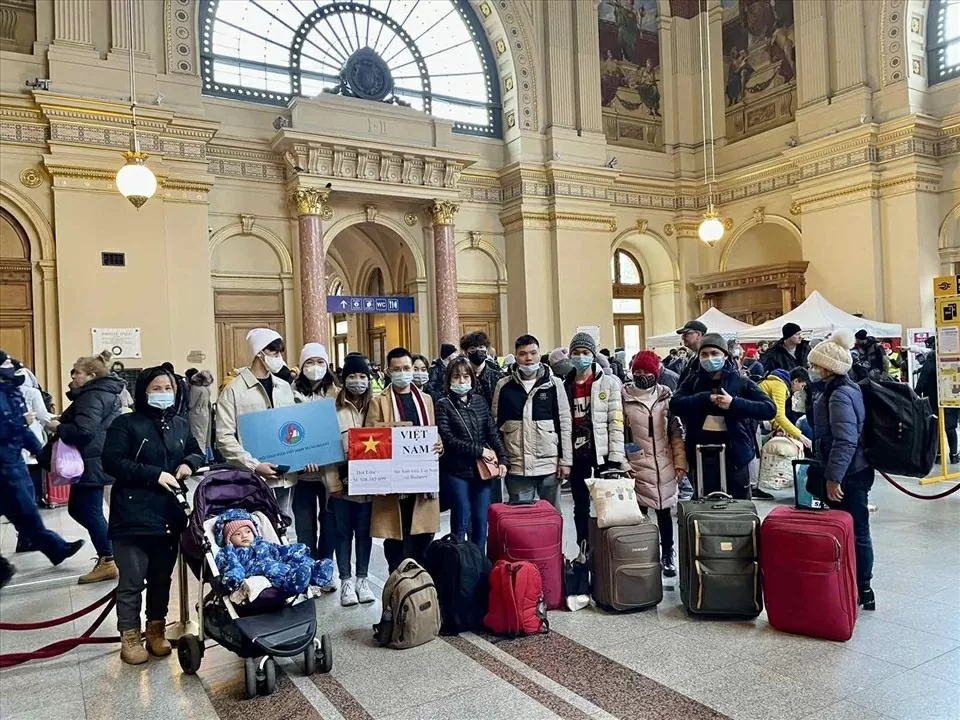 |
| Vietnamese citizens evacuated from Ukraine to Hungary welcomed by the Embassy and Vietnamese community in Hungary on March 5, 2022. (Source: Embassy of Vietnam in Hungary) |
Looking ahead, the global and regional landscape is expected to remain fast-changing and complex, while the migration of Vietnamese citizens continues to rise. Against this backdrop, the diplomatic sector faces the task of identifying breakthrough directions to elevate consular work and citizen protection, thereby contributing to the nation’s development aspirations in the new era.
Vietnam is entering a new stage of development, marked by rapid progress in all sectors and swift changes in the lives of its people. This evolving context demands that consular work and citizen protection be raised to a higher level.
Deputy Foreign Minister Le Thi Thu Hang emphasized that such progress requires profound shifts in awareness, thinking, and action. Guided by the Party and State’s policies toward overseas Vietnamese, as well as the strategic orientations outlined in the Politburo’s Resolutions and the tasks set in the Party Committee of the Ministry of Foreign Affairs’ Resolution for 2025–2030, the Ministry has identified four key groups of tasks to pursue:
First, innovate thinking and taking the lead in building institutions and improving policies, laying the foundation for a comprehensive reform of consular work and citizen protection, creating and maintaining favourable conditions for people and businesses to exchange, invest, and integrate internationally. This requires proactively researching, proposing, and perfecting policies and laws related to consular affairs—such as entry–exit, migration, nationality, and civil status; standardizing processes for handling consular work and citizen protection; strengthening inter-agency coordination mechanisms in crises and emergencies; improving the management of foreign consulates in Vietnam under the new administrative boundaries; and expanding and enhancing the network and effectiveness of Vietnam’s Honourary Consuls abroad.
Second, accelerating digital transformation, applying science and technology to fundamentally modernize consular work and citizen protection. This means focusing resources on completing the Migration Database; digitizing administrative records; building, finalizing, and stably operating software related to consular work to develop a smart digital consular ecosystem based on artificial intelligence and big data to analyze, forecast, and support policy-making and implementation.
Third, establish a core and more proactive role in international cooperation on consular affairs and migration by expanding and renewing cooperation mechanisms and content with other countries; actively exchanging international experience in handling consular issues; and participating in treaties and agreements appropriate to Vietnam’s conditions. The Ministry of Foreign Affairs will continue to proactively propose initiatives and make substantive contributions at international and regional migration mechanisms and processes, affirming Vietnam’s active and responsible role in global migration governance and contributing to shaping the “rules of the game” regionally and globally.
Fourth, comprehensively renewing the training and capacity-building of consular and citizen protection staff at home and abroad, at both central and local levels. This requires improving training programs; innovating professional training methods linked to job positions; fostering political will, a spirit of service, and dedication; and pairing training with supervision to ensure policy compliance and prevent corruption, negativity, and waste. Officials must be both “red” (politically sound) and “expert” (professionally capable), with the “core of the core” task being to build a team of leaders, managers, and experts of sufficient integrity, competence, and prestige to meet the demands of the new situation.
In conclusion, Deputy Foreign Minister Le Thi Thu Hang expressed her firm belief that, with the spirit of “solidarity, innovation, breakthrough, responsibility, and discipline”, consular and citizen protection personnel at home and abroad will strive to overcome difficulties, determined to successfully fulfill the tasks entrusted by the Party, the State, and the people, wholeheartedly serving the nation and the people.