



Composer Nguyen Van Chung: The Storyteller Through Melodies
Composer Nguyen Van Chung, known for his romantic ballads and popular children's songs, continues to make a strong impression with the song "Viết tiếp câu chuyện hòa bình - Carry on the melody of peace".
Latest
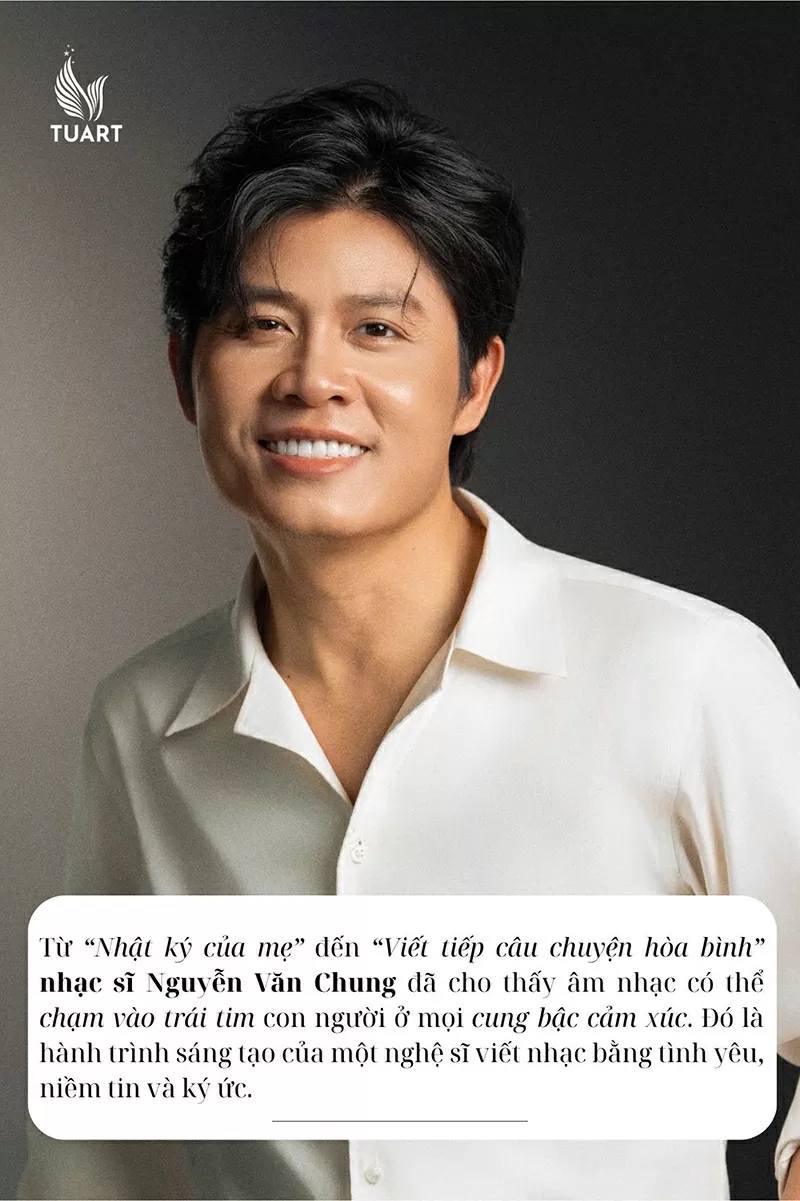 |
As a composer, he always seeks to balance traditional artistry with widespread appeal, ensuring that his music not only touches the hearts of listeners but also resonates broadly within the community, reaching audiences of all walks of life.
On the occasion of the 80th anniversary of the successful August Revolution and the National Day of the Socialist Republic of Vietnam on September 2, the song became a phenomenon, embraced by audiences nationwide and performed on primary stages nationwide.
In a conversation with The World and Vietnam Report, composer Nguyen Van Chung shared his feelings about seeing his music resonate with the community and the profound message he wishes to convey to the younger generation.
 |
Hello composer Nguyen Van Chung, on this National Day on September 2, your song "Viết tiếp câu chuyện hòa bình - Carry on the melody of peace" continues to be widespread. How do you feel witnessing your song become a phenomenon?
I am thrilled, proud, and honoured. Because my song has become a "hit" and reached all levels of society, from young people, older adults, soldiers, officials, to even children. Recently, I've seen many schools and organizations perform choral and flashmob renditions of this song.
This makes me emotional because the song is not only associated with the spirit of patriotism but also connects the younger generation with important national events. Contributing even a small part to the national celebration is an immense source of pride for a composer.
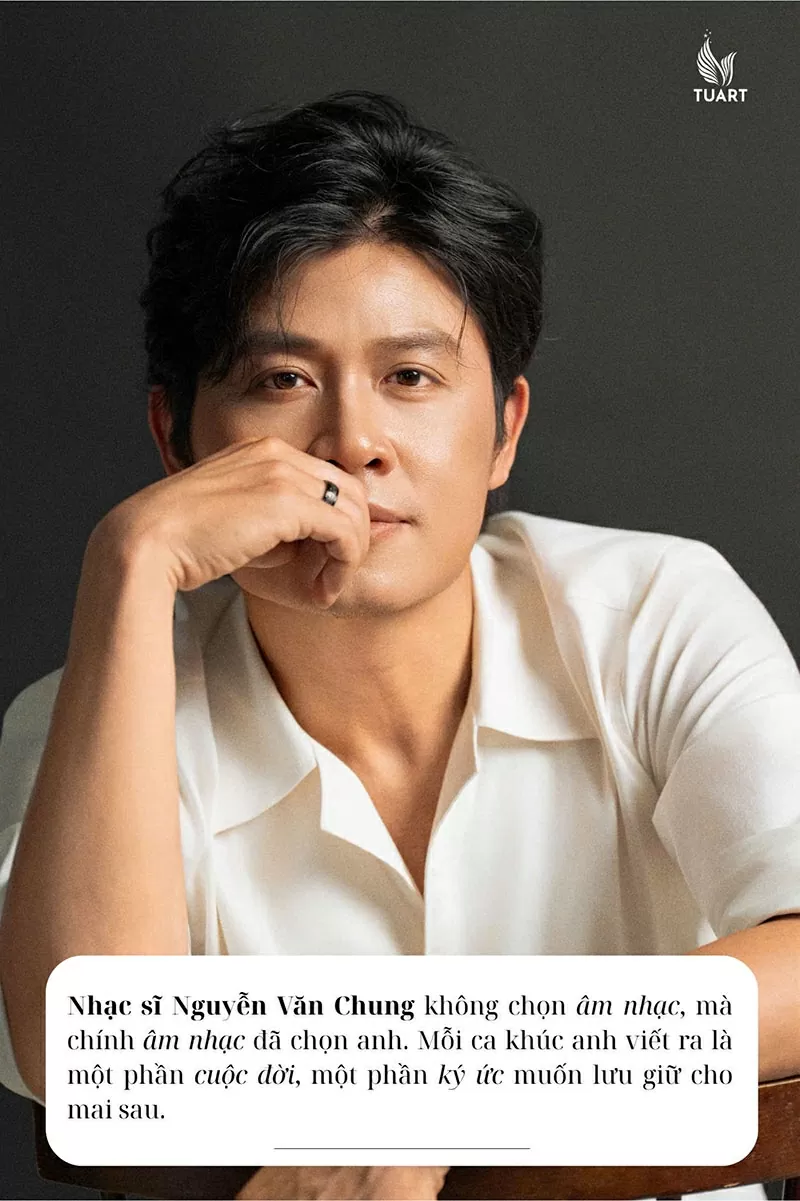 |
| Composer Nguyen Van Chung did not choose music, but music chose him. Each song he writes is a part of his life, a part of his memories that he wants to preserve for the future. |
"Viết tiếp câu chuyện hòa bình" is being called a "national song". Are you surprised that a song composed in 2023 has exploded so strongly, reaching billions of views in such a short time? Do you consider this a special milestone in your composing career?
I am astonished. When I composed "Viết tiếp câu chuyện hòa bình", I didn't expect it to go viral so powerfully. For me, this is indeed a special milestone in my composing career. Initially, I saw it as a new challenge, writing about homeland and country—a direction quite different from the market music, which leans towards love. I know that songs about the motherland often have fewer opportunities to spread widely, as the music market mostly follows audience tastes and charts. I did then simply because I found it meaningful and wanted to challenge myself. I understand how harsh the music market can be. But fortunately, the song met many favorable factors, launching at the right time, in a special year with many national holidays; along with the openness of organizers, national-scale art programs created a "fertile ground" for music about homeland and country to have the opportunity to resonate far and wide. And I am happy that my song has become a part of that flow.
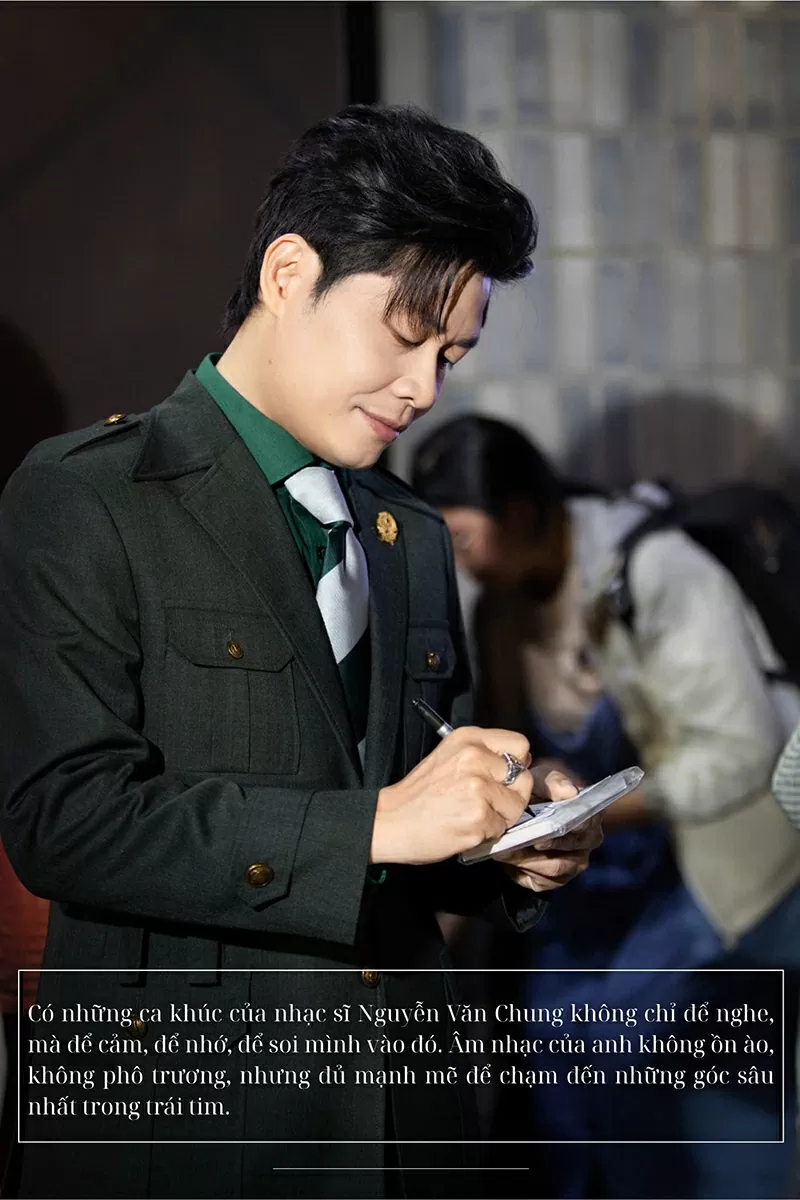 |
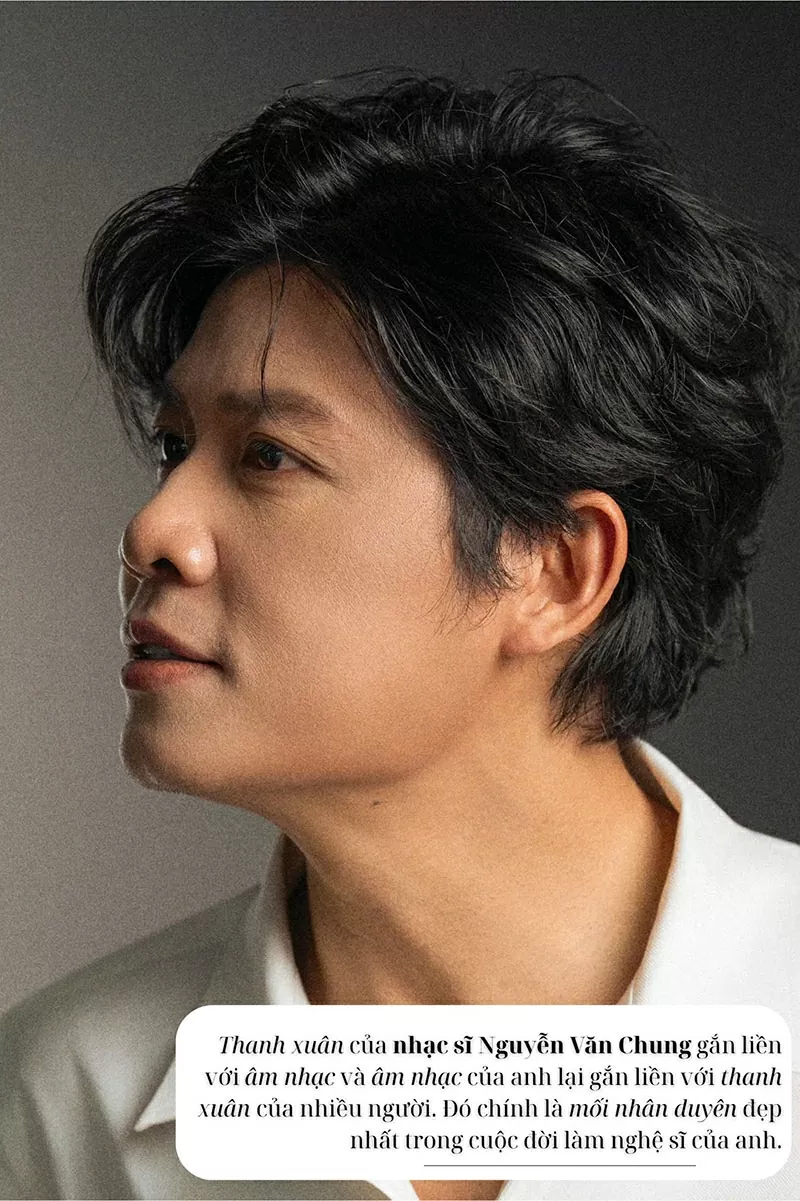
| There are songs by composer Nguyen Van Chung that are not just to listen to, but to feel, remember, and reflect on oneself. His music is not loud, not ostentatious, but powerful enough to touch the deepest corners of the heart. |
You were once best known for romantic ballads, followed by popular children's songs. Why did you decide to shift to composing about the country and peace? Looking back at your journey from love songs to children's music, and now, a song covering National Day on September 2, how do you see yourself changing your composing mindset?
My music always goes hand in hand with my personal growth and awareness. In my youth, romantic love was the most important thing, so I wrote love songs to dedicate to my relationships. As I matured, I realized that parental love and family affection are more enduring and precious, so I wrote songs about fathers and mothers. I saw that children are essential in my life when I had children. As a father and a composer, I wanted to create a "musical garden" for children, so my child and the children of friends and audiences could enjoy it. It's been a long time since children had truly new songs, and if I could do it, why not try? Having cared for my parents and feeling somewhat assured with my responsibilities towards my children, I think I can devote my efforts to writing songs with positive, meaningful messages for society and the audience. That's why I moved on to composing about homeland and country. Perhaps as my emotions and awareness change, I will write about other things in the future, but I will always remain true to my heart and emotions. In my composing mindset, I am steadfast with a single ideal—to write about what is beautiful. With love, I always aim for romance and positivity; even in breakups or heartbreaks, there is still faith in tomorrow. With family or children, my music always carries positive, warm messages. And now, when writing about homeland and country, I still hold that view, spreading good things, writing melodies that touch emotions.
I believe that as long as I am honest with my emotions and steadfast with my love for music, every song I write has the chance to touch the audience's hearts. I strive to touch the audience's emotions as much as possible and always stay true to my feelings. This means I write what I feel and what genre I love, which is consistent with my composing mindset.
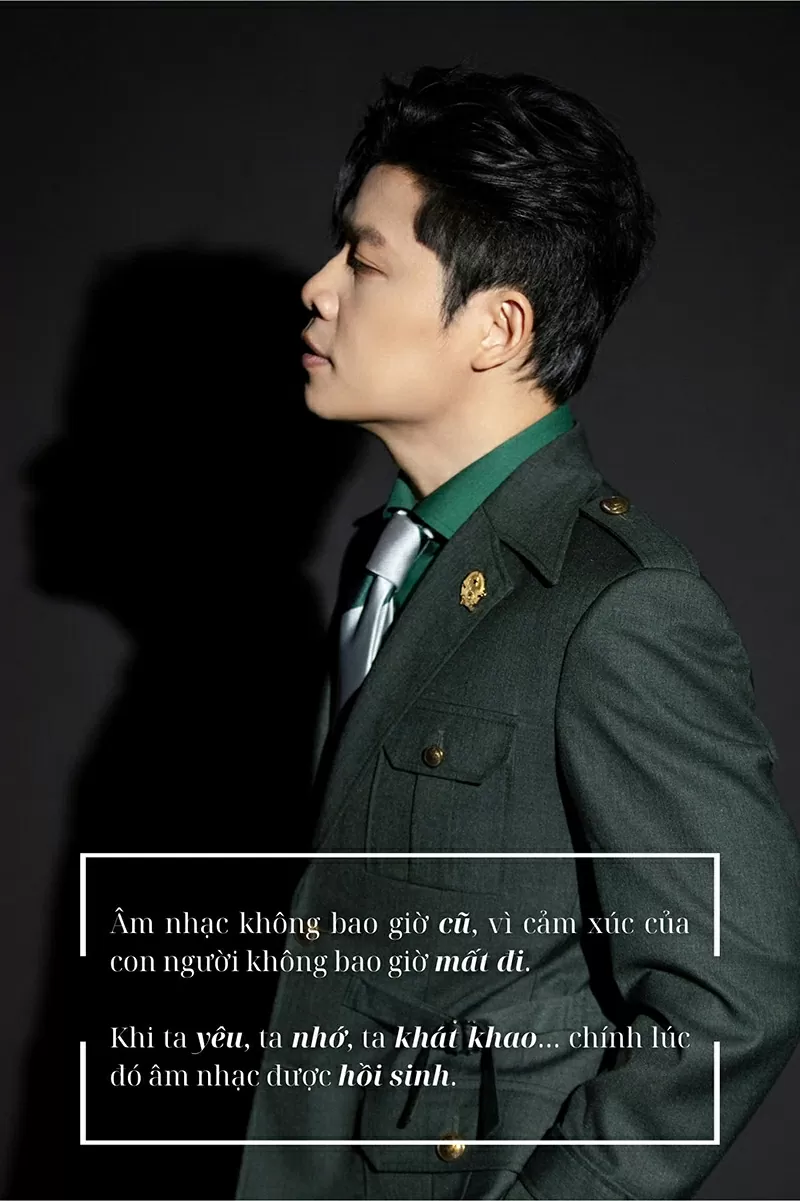 |
| Music never gets old because human emotions never die. When we love, we miss, we crave… that’s when music is revived. |
According to you, what are the most significant similarities and differences when you write about the three themes: love, children, and the country?
The most significant similarity is that I always compose with my genuine emotions. I am moved by love, so I write about love; I cherish children, so I write children's music; and when my love for the homeland surges, I write songs about the country. The difference lies in the message and expression in each theme. With love, the music is often gentle, deep, sometimes poignant, even carrying a bit of sadness. Children's style must be youthful and cheerful, with short, easy-to-sing, easy-to-remember melodies so they can easily receive them. When writing about homeland and country, the emotions must be conveyed with heroism, pride, gratitude, and a desire to contribute. Each theme brings a different emotional energy, but all originate from the heart and sincerity.
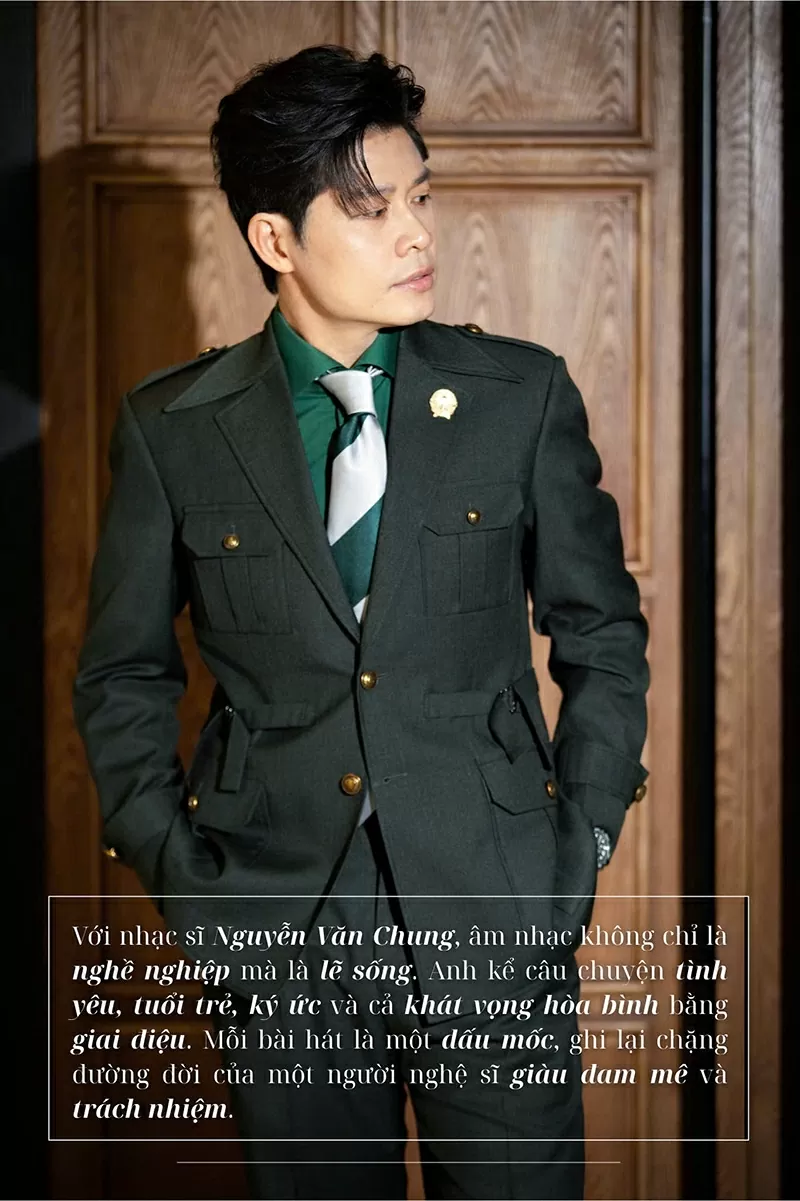 |
| For composer Nguyen Van Chung, music is a career and a way of life. He tells stories of love, youth, memories and even the desire for peace through melody. Each song is a milestone, recording the life journey of an artist full of passion and responsibility. |
Some say that writing love songs easily touches individual hearts, writing children's music is sowing seeds of the soul, and writing about the country is tied to community responsibility. What do you think about this view?
I agree, and in fact, that is also my composing perspective. Love songs originate from personal experiences. When moved by love, I write to preserve my emotions and share with those who feel the same. I see children's music as sowing seeds of the soul for children. These are seeds of "truth - goodness - beauty". "Truth" is sincerity, purity; "goodness" is compassion, love for parents, teachers, friends, nature, and oneself; "beauty" is the beauty of the Vietnamese language, melody, and lyrics. Children become an essential foundation for character development when nurtured with these values. Music about the homeland and the country is tied to community responsibility. It is an expression of love for the homeland and a way to preserve history, convey pride, and the spirit of unity to the audience. When writing music about the country, I also hope to contribute to igniting the flame of patriotism, spreading it widely within the community, and reaching my audience.
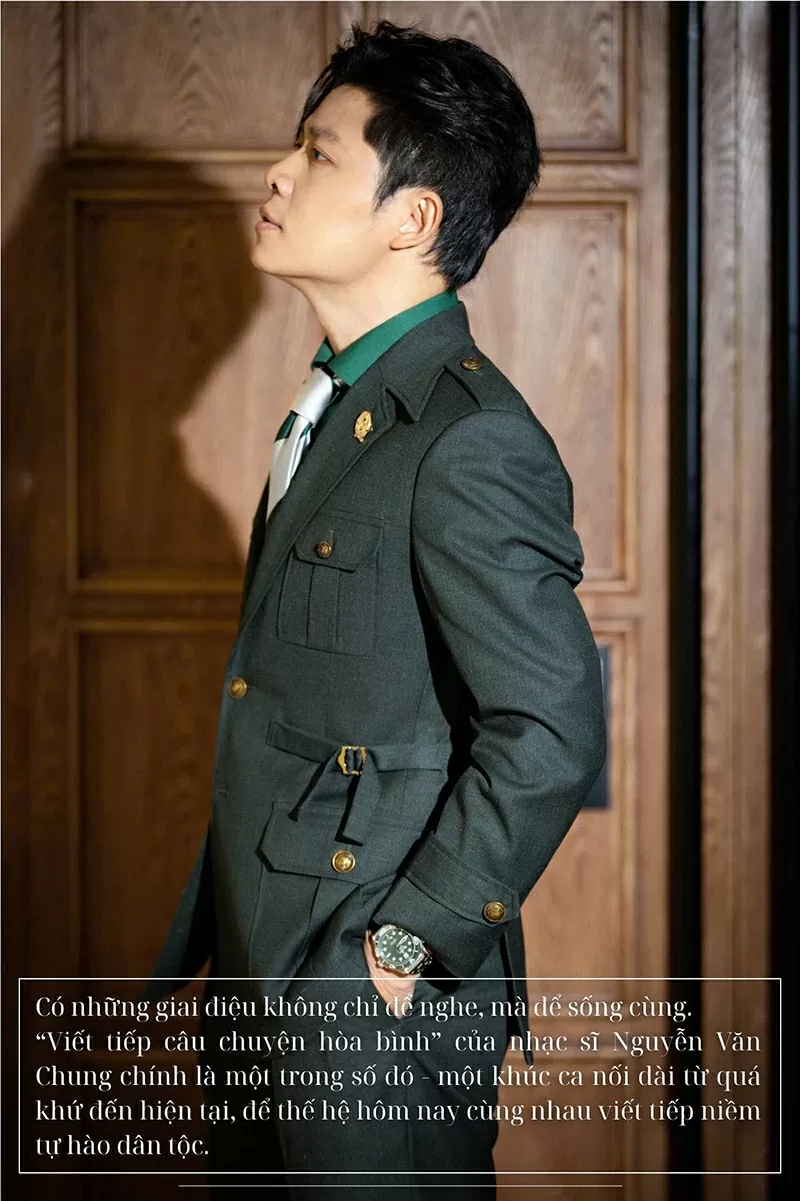 |
| Some melodies are meant to be listened to and lived with. “Carry on the melody of peace” by composer Nguyen Van Chung is one of them - a song that spans the past and present, so that today’s generation can continue writing national pride together. |
Were you surprised to see students from many schools simultaneously cover and perform "Viết tiếp câu chuyện hòa bình - Carry on the melody of peace"?
I was astonished and very delighted. This song has not only remained a "hit" like previous love songs but has also become a wave, a playground for students to express their love for the country in their own way. Through this, they also demonstrate the spirit of unity and connection between teachers and students in each school and across the nation. The important thing is that the messages and ideas in the song have been spread naturally and enthusiastically, inspiring the younger generation. Especially when children—the future owners of the country—sing this song, I feel even more proud and happy.
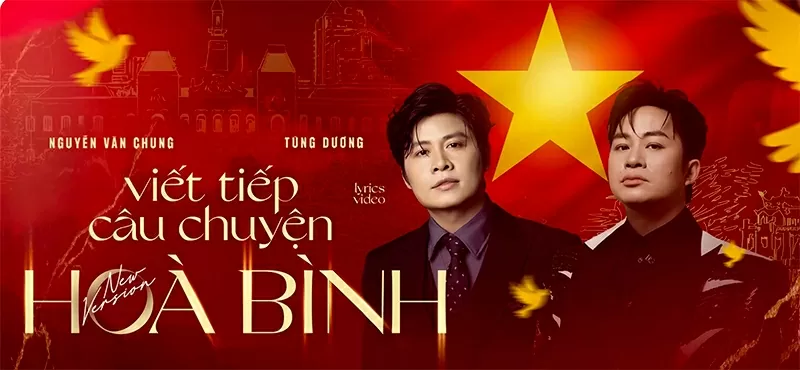 |
What experience and emotions did the new version with singer Tùng Dương at the National Concert "Tổ Quốc trong tim" bring to you?
It was an incredibly special experience, perhaps one that a composer only needs once in a lifetime to feel fulfilled. In front of more than 50,000 audience members singing along to my song, I felt like I was living in a dream. I was also one of those 50,000 people, singing and feeling my heart swell with emotion, filled with pride. What made me even more satisfied was that the song was conveyed with the spirit I intended, the lyrics resonating fully, powerfully, heroically, and brimming with energy. It was truly an incredible moment in my composing career.
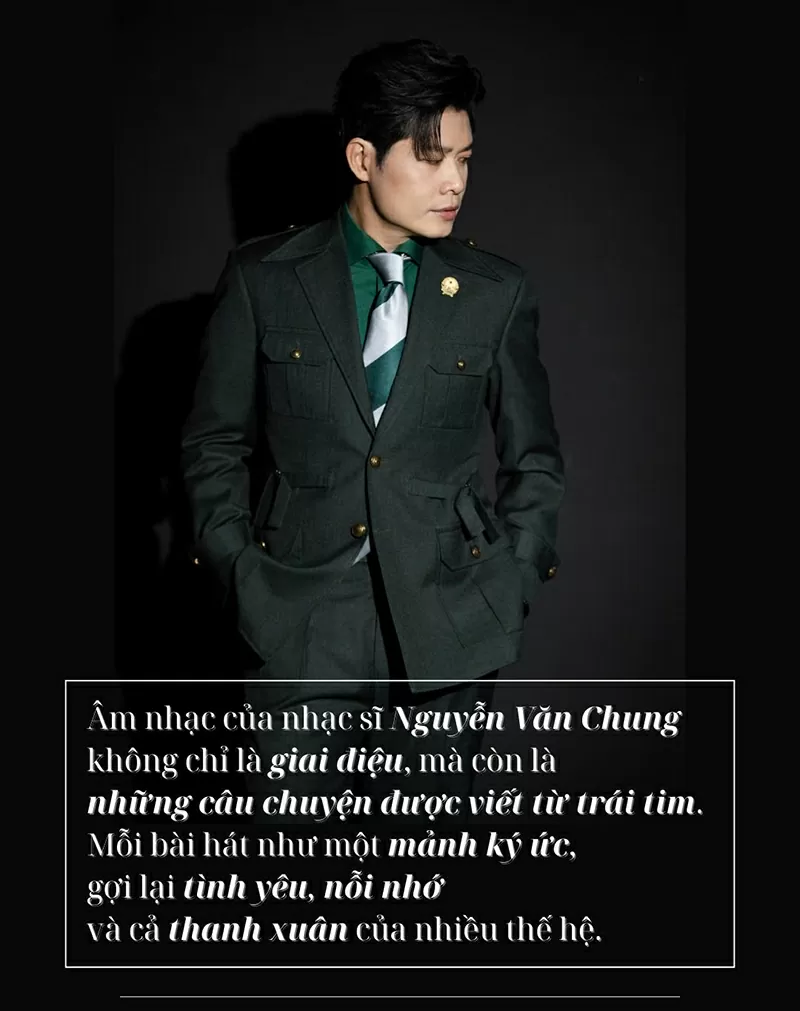 |
| Composer Nguyen Van Chung’s music is not just melodies, but also stories written from the heart. Each song is like a piece of memory, evoking love, nostalgia and the youth of many generations. |
How do you view the role of social media in turning a meaningful song into a trend that spreads to millions of young people?
Social media plays a vital role. It is the "playground" and almost the "second world" for young people. If we want music to reach this generation, social media is indispensable. Instead of avoiding or rejecting it, we should listen, utilise, and adapt to technological advancements. It is an irreversible trend; only by integrating into that environment can music truly spread widely. Fortunately, in this process, I received the support of many young producers. With their ability to capture trends and quickly reach audiences, they have helped the song reach the public, especially the youth, most naturally and swiftly.
What is the message of "Viết tiếp câu chuyện hòa bình" that you want to send to today's young generation?
It is gratitude. I believe that gratitude is the foundation of all good things. We need to look back at the past to see the losses and sacrifices our ancestors endured, the blood and flesh that fell, the young people who left at eighteen, twenty and never returned, the mothers who lost their children, the families who lost their dearest ones. When we step into museums and see the lands once "bombed and shelled", we truly feel the value of peace and cherish our peaceful life. From that gratitude, appreciation arises—appreciating peace, cherishing every quiet moment. And when we understand, we will desire to contribute, preserve, develop, and make those values sustainable and better so that those good values and historical traditions will be extended and remain strong forever. That is the core message I want to convey in this song.
After this phenomenon, do you plan to continue writing more songs about the country, peace, and national pride?
I always stay true to my heart and emotions. If there is a story or a moment that truly touches my heart, I will definitely write. And I also hope to gradually complete a more comprehensive "musical painting" on the theme of homeland and country.
What do you see as your most significant responsibility to society today as an artist? What would you choose if you had to define your musical journey in just one sentence?
I think the most significant responsibility of a composer is to spread beautiful, meaningful, and humane messages. Previously, I thought writing music was telling my own love stories. But today, I realize that music has a much greater power; it can change a person's thoughts, attitudes, dreams, and aspirations; thereby affecting a family, a community, even a country, and the world. For me, that is the most significant meaning of a song and a composer's mission. If I had to define my musical journey in one sentence, it would be: "To honour and spread the good things in life."
Thank you very much, composer Nguyễn Văn Chung, for sharing your feelings as your music has touched the community, and the meaningful messages you wish to convey to the younger generation. Through this conversation, readers will better understand the dedication of a composer who always wants to spread good values, connect generations, and sow seeds of love for the homeland, gratitude, and the spirit of unity in society.
| Ho Huu Thoi- the composer of Vietnam-Laos love-song For a long time, the melody and lyrics of the song “Tinh Viet-Lao” (The Love of Vietnam-Laos), composed by musician Ho Huu Thoi with simple, ... |

| UNESCO Vietnam congratulates composer Hoang Van's following UNESCO recognition WVR - UNESCO’s recognition of Hoang Van’s works is not only a tribute to the composer and his family but also a reaffirmation of the ... |