




80 years of Vietnam’s diplomacy: Charting new frontiers
WVR - The August Revolution and the National Day of 2 September not only ushered in a new era of independence for the Vietnamese people but also marked the birth of modern Vietnamese diplomacy. Over the past 80 years, amid unprecedented global transformations, Vietnam has skilfully harnessed culture and soft power as “extended arms” in shaping its national image and positioning itself on the world stage.
Latest
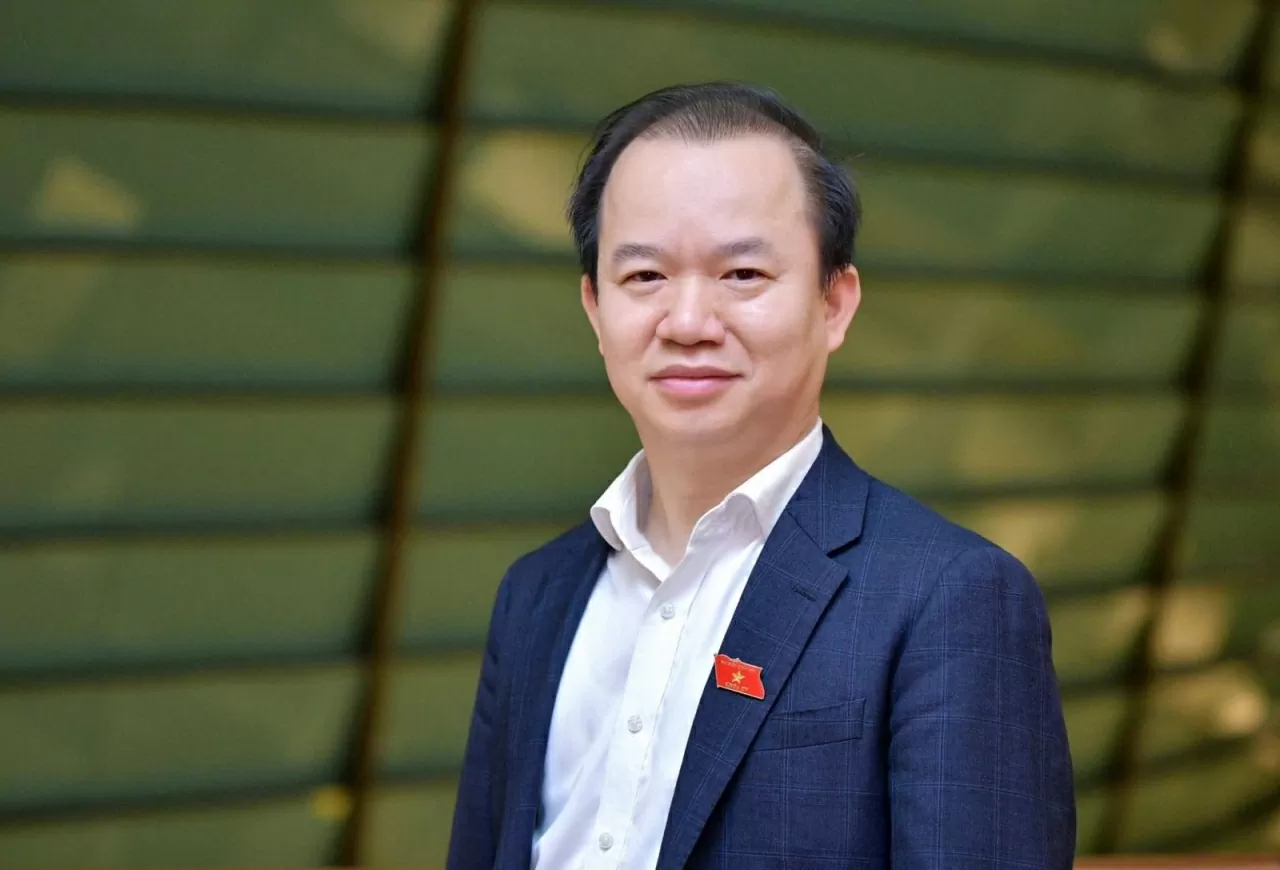 |
| National Assembly deputy Bui Hoai Son. (Photo courtesy of the author) |
The August Revolution - Beginning of a Diplomacy for Independence and Peace
In August 1945, with burning patriotism and the unyielding aspiration for national independence, the Vietnamese people under the leadership of the Communist Party staged a revolution that “shook the world”. The August Revolution did not merely overthrow colonial and fascist rule; it also gave birth to the Democratic Republic of Vietnam, the first workers’ and peasants’ state in Southeast Asia, marking the dawn of a new era: independence, freedom, and integration.
On 2 September 1945, at Hanoi’s historic Ba Dinh Square, President Ho Chi Minh solemnly proclaimed the Declaration of Independence, affirming Vietnam’s sovereignty before the world. More than a statement of political independence, the Declaration embodied a deeply humanist and conciliatory vision of diplomacy, rooted in Vietnam’s millennia-old culture and love for peace.
From that moment, Vietnam’s diplomacy was no longer simply an instrument of politics or security; it became a living expression of the nation’s culture, values and identity. Culture was not a secondary element to politics, but the very foundation upon which trust could be built and Vietnam’s message could resonate sustainably and emotionally across borders.
“Culture became a ‘second passport’, carried by every Vietnamese person, every creative product, every festival, every folk song, every traditional dish, crossing borders and touching hearts around the globe”.
From the earliest days of the young republic, President Ho Chi Minh laid down this guiding principle: “We want to make friends with all democratic countries and not to make enemies with anyone”. From these humanistic roots, Vietnam has consistently built its image as a peace-loving, self-respecting nation, committed to its responsibilities within the international community.
In Vietnam, diplomacy has never belonged to diplomats alone. It is present in poetry, folk melodies, the flowing ao dai, a steaming bowl of pho and in the warm smile of every Vietnamese. Culture is the first bridge that reaches the hearts of friends around the world, opening the door to understanding and empathy.
Eighty years on, looking back at the journey of nation branding, one truth stands clear: culture, as a form of soft power, is not only an element of foreign policy but also a pillar of Vietnam’s position and influence in the age of globalisation.
A lasting pillar of national image
In today’s increasingly interconnected world, where physical borders blur before the tides of globalisation and digital transformation, culture as soft power has emerged as a core determinant of national identity and standing. Scholars worldwide increasingly highlight “soft power” as a new form of influence: one that requires no weapons, inflicts no losses, but can win hearts, foster trust and inspire admiration.
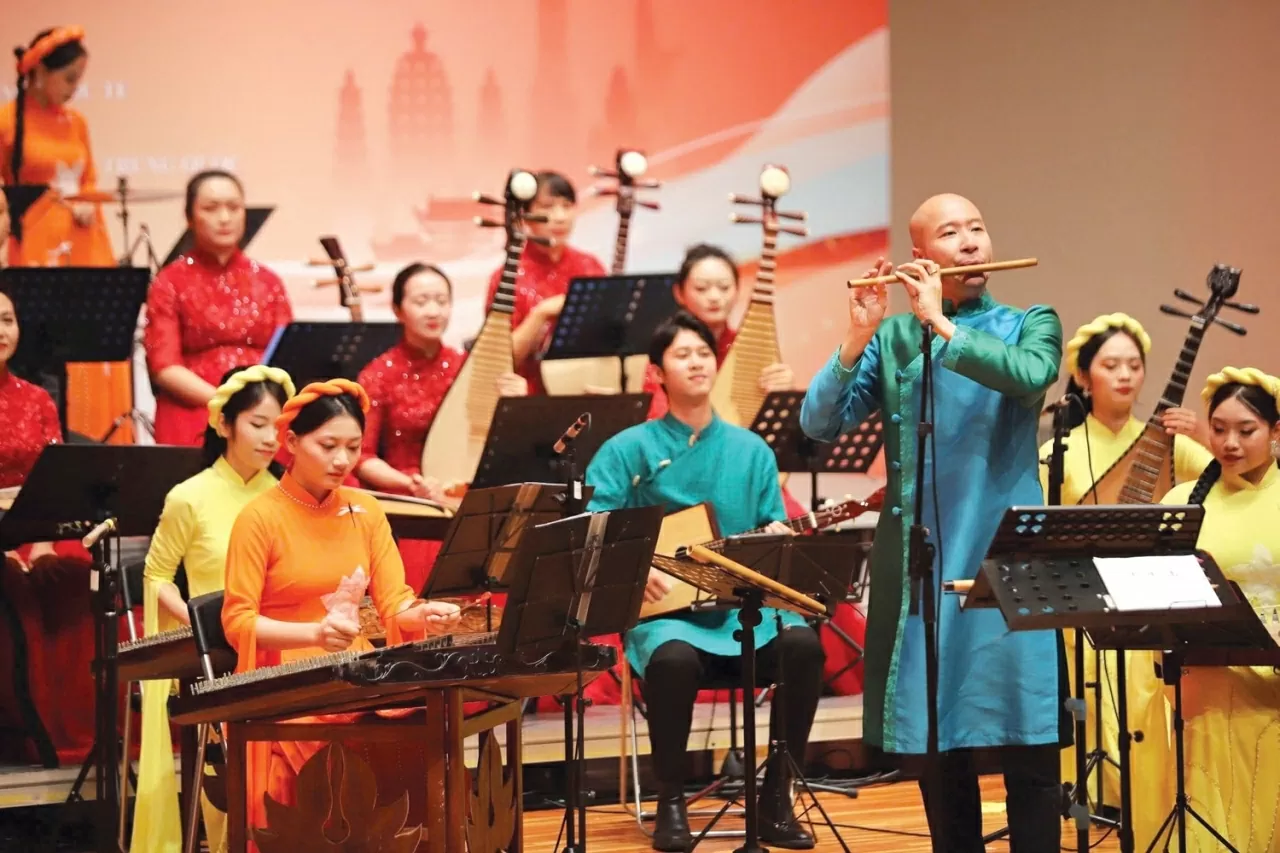 |
| Vietnamese artists performing at the Vietnam Culture and Tourism Festival in Yunnan, China, November 2024. (Source: icd.gov.vn) |
For Vietnam, a nation that has endured wars, culture has become the most enduring and emotionally resonant path to assert identity, spread values and establish a humane, confident, modern and responsible image.
President Ho Chi Minh recognised early on that culture is not only the spiritual foundation of society but also one of the three pillars of national strength, alongside politics and the economy. He stressed: “Culture must light the way for the nation”. That path was not only one of internal development but also one of integration with the world, an equal, confident and radiant journey into the wider seas.
Along that journey, culture has become Vietnam’s “second passport”, a bridge through which every Vietnamese, every creative product, every festival, every folk tune, every traditional dish can transcend borders and move hearts.
“Vietnam’s soft power today is not only shaped by official campaigns but also by millions of ordinary citizens - the ‘stateless ambassadors’ who bring Vietnamese culture to the world through every TikTok video, every tourism start-up, every street food stall, every Vietnamese class in Europe, every photo of an ao dai in Paris or Kyoto”.
Vietnamese culture is a vast treasury of thousands of years of history, reflected in customs, language, beliefs, arts and a way of life imbued with humanity, morality, and love for peace. It is seen in the proud ao dai gracing international stages; in the sound of the dan bau echoing at the United Nations; in pho, banh mi and egg coffee recognised in global culinary rankings; in quan ho, vi giam and ca tru - listed by UNESCO as intangible heritage; and in the thousands of ancient temples, village communal houses, old quarters and historical relics across the land.
This is an inexhaustible reservoir of soft resources, ready to be transformed into real power if properly understood and invested in.
Cultural diplomacy - From policy to global resonance
With this vision, Vietnam has steadily integrated culture into foreign policy. Cultural diplomacy has gradually matured into a distinct strategy, systematic, coordinated and increasingly professional.
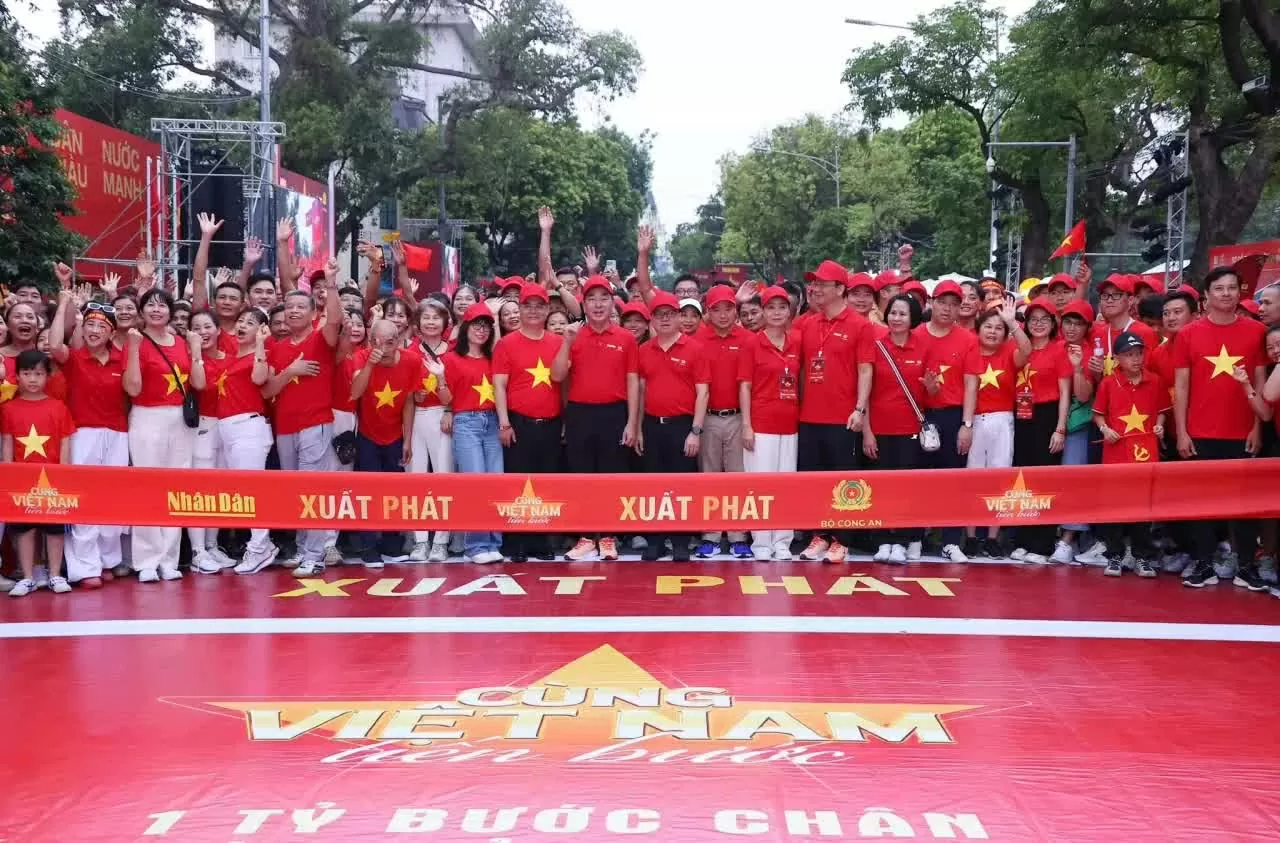 |
| Over 1 million people took part in the “Step Forward with Vietnam” walk in Hanoi and 33 provinces and cities, covering 3,121 communes, wards and special zones. (Photo: Thanh Dat) |
In recent years, Vietnam has hosted cultural weeks in dozens of countries, expanded networks of cultural centres abroad, and dispatched delegations of artists, chefs, designers, musicians and athletes to perform, exchange and participate in international events. Major occasions such as APEC 2017, Vesak 2019 and 2025, and the 31st SEA Games were not only milestones in diplomacy but also stages for Vietnamese culture to shine. Vietnamese cinema, music, tourism, fashion and fine arts have reached regional and international markets, boosting Vietnam’s global soft power rankings.
Yet more remarkably, Vietnam’s soft power today is not only built through state initiatives but also millions of everyday people - “stateless ambassadors” sharing Vietnamese culture via TikTok, travel start-ups, street food, Vietnamese language classes in Europe, or photos of the ao dai against the backdrop of Paris or Kyoto.
They are Gen Z youths bringing water puppetry to YouTube; independent artists fusing folk music with modern sounds on Asian stages; overseas Vietnamese intellectuals creating cultural spaces abroad. Culture is no longer confined to museum halls or formal exhibitions - it has entered the digital age, becoming an everyday, dynamic and attractive global language.
All of this affirms that Vietnam is progressively demonstrating: culture is not only a “foundation” but a “name” by which the world recognises and cherishes Vietnam. Soft power, when leveraged wisely, becomes a “weapon without gunfire”.
Through it, Vietnam not only integrates but also contributes to shaping common values; not only participates but inspires; not only learns but also teaches. Culture is the very source of vitality and magnetism that propels Vietnam forward in today’s era of deep international integration.


