


Vietnam shows strong commitment to fighting human trafficking: IOM Representative
WVR - According to the Officer-in-Charge of the International Organization for Migration (IOM) in Vietnam Mitsue Pembroke, the proactive and coordinated interdisciplinary and international cooperation of Vietnam demonstrates a shared determination to take action against human trafficking.
Latest
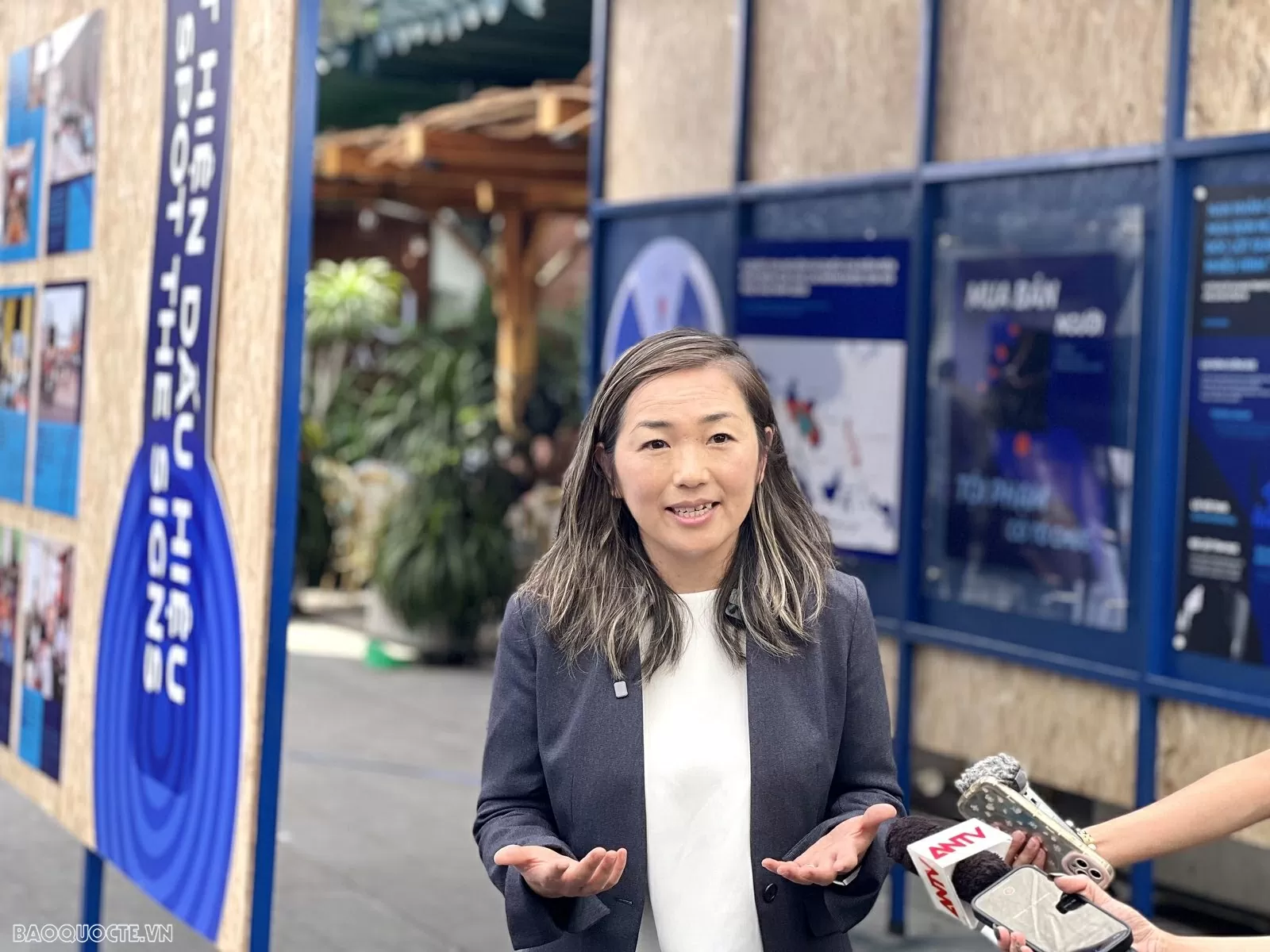 |
| IOM Officer-in-Charge in Vietnam Mitsue Pembroke. (Photo: Thu Trang) |
On the occasion of the dialogue “United for change: Leaving no one behind in the fight against trafficking in persons” held in Hanoi on occasion of the World Day against Trafficking in Persons and Vietnamese Day for all people to prevent trafficking in persons (July 30), IOM Officer-in-Charge in Vietnam Mitsue Pembroke acknowledged the efforts of the VietnameseGgovernment in combating human trafficking and emphasizing the role of youth in the fight against this crime.
How do you assess the efforts of the Vietnamese Government in preventing and combating human trafficking in recent years?
First, we would like to recognize Vietnam’s remarkable progress in anti-human trafficking efforts in recent years. Notably, the country has demonstrated strong inter-disciplinary coordination and enacted the amended Law on Human Trafficking Prevention and Control (2024), which takes effect on July 1, 2025.
One of the highlights of the amended law is its emphasis on a "victim-centered approach" in policy-making, while also improving reintegration support for all affected individuals - including Vietnamese citizens, foreigners in Vietnam, stateless persons, and minors. Importantly, the 2024 amended law incorporates key principles to meet practical demands and align with international treaties to which Vietnam is a party.
As a UN migration agency that has closely partnered with Vietnam in anti-human trafficking efforts, how does IOM perceive Vietnam’s interdisciplinary coordination and international cooperation in this field?
It can be affirmed that the Vietnamese government has been highly proactive, with strong engagement from its ministries and agencies. IOM has worked closely with relevant Vietnamese authorities - such as the Ministry of Public Security, the Ministry of Foreign Affairs, and the Ministry of Health - to provide immediate initial support for trafficking victims, including those deceived through online scams, helping them return and reintegrate into their communities.
Additionally, as the UN’s specialized agency in this field, IOM has actively collaborated with Vietnamese authorities while also serving as a coordinator to integrate international perspectives into anti-trafficking efforts and connect international organizations with Vietnamese ministries and agencies.
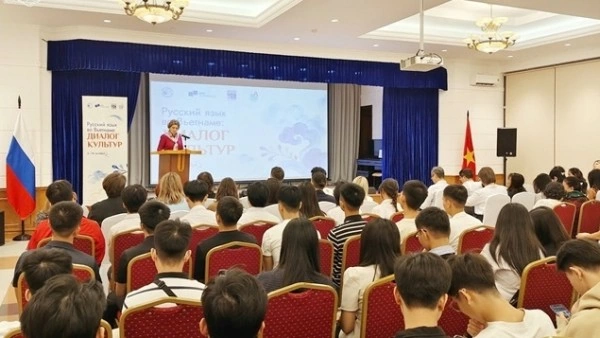
For example, today’s dialogue - co-organized by IOM and the Ministry of Public Security - demonstrates the broad participation of agencies and organizations within Vietnam’s anti-trafficking network, including government representatives, Embassies, UN agencies, and international organizations. This reflects Vietnam’s strong commitment to interdisciplinary and international cooperation in combating human trafficking and supporting victims’ reintegration.
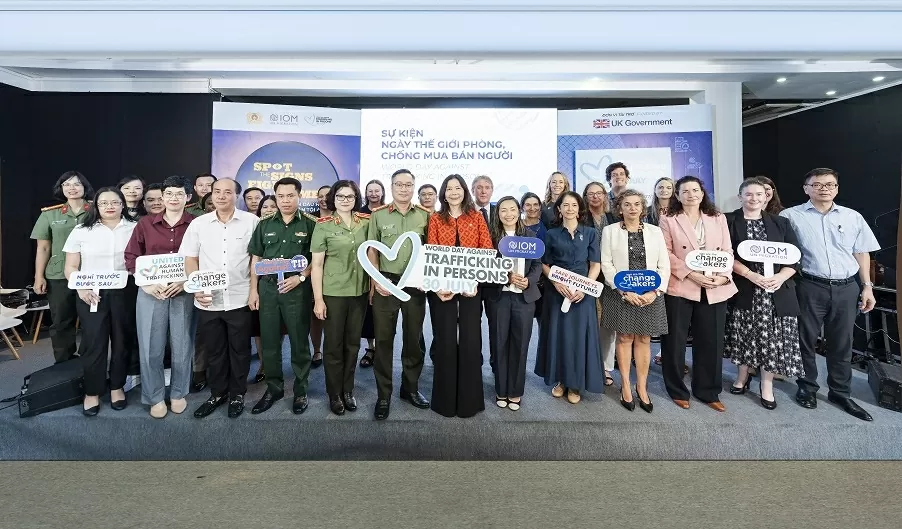 |
| The dialogue 'United for change: Leaving no one behind in the fight against trafficking in persons' held in Hanoi on July 28. (Source: IOM) |
In your view, how has Vietnam’s amended 2024 Law on Human Trafficking Prevention and Control contributed to advancing human rights protection?
I highly commend the Vietnamese Government’s efforts in amending its legal framework to promote human rights. A key feature of the 2024 amended law is its expanded scope of protection, covering: victims, individuals in the process of being identified as victims, accompanying minors, relatives of victims, and individuals involved in anti-trafficking efforts or victim support.
This aligns with international treaties and enhances human rights protections.
On this occasion, do you have a message for Vietnamese youth - who are expected to drive change in the fight against human trafficking?
My message to young people is: You are our future. Youth are the force that can create change in the fight against human trafficking. Their creativity, energy, and technological proficiency enable them to develop innovative solutions to combat trafficking in the digital age. None of us can do this better than young people.
The dialogue also featured a side event – an exhibition and interactive experience space titled “Spot the Signs, Fight the Crime”– where participants and the public actively engaged in learning to recognize the signs of human trafficking through facts, figures and real-life stories. This exhibition youth-led initiatives in safe migration and anti-trafficking awareness and I am very proud of the young people behind these efforts.
Above all, I have one key piece of advice for all young people: If you see job ads promising "easy work, high pay," pause for a second and question whether it might be an online scam. Strengthen your self-protection skills to avoid sophisticated trafficking traps in today’s world.
Thank you!
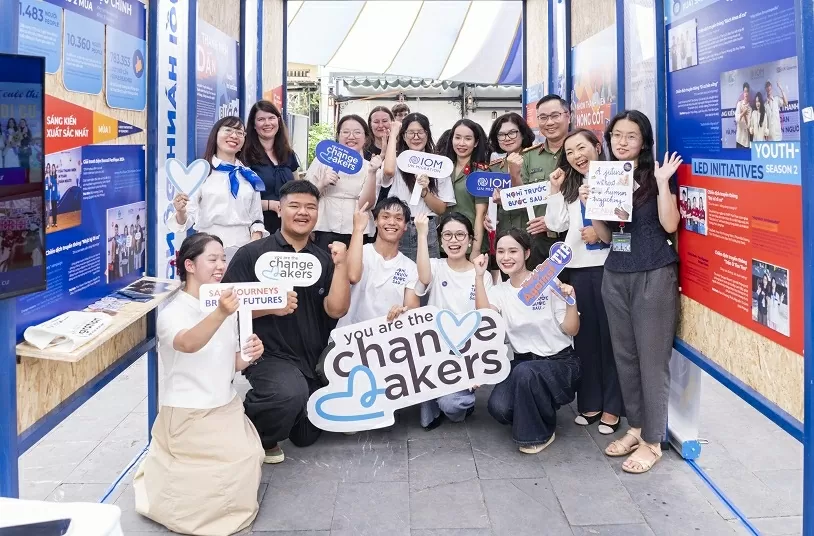 |
| The exhibition and interactive experience space titled “Spot the Signs, Fight the Crime”. (Source: IOM) |