


Vietnam demonstrates proactive, responsible and leading spirit at AMM-58: Ambassador
WVR - On the occasion of the 58th ASEAN Foreign Ministers’ Meeting (AMM-58) and related meetings taking place in Kuala Lumpur, Ambassador Tran Duc Binh, Director General of the ASEAN Department, Ministry of Foreign Affairs, gave an interview with the press about the outstanding results of the conference and Vietnam’s contributions.
Latest
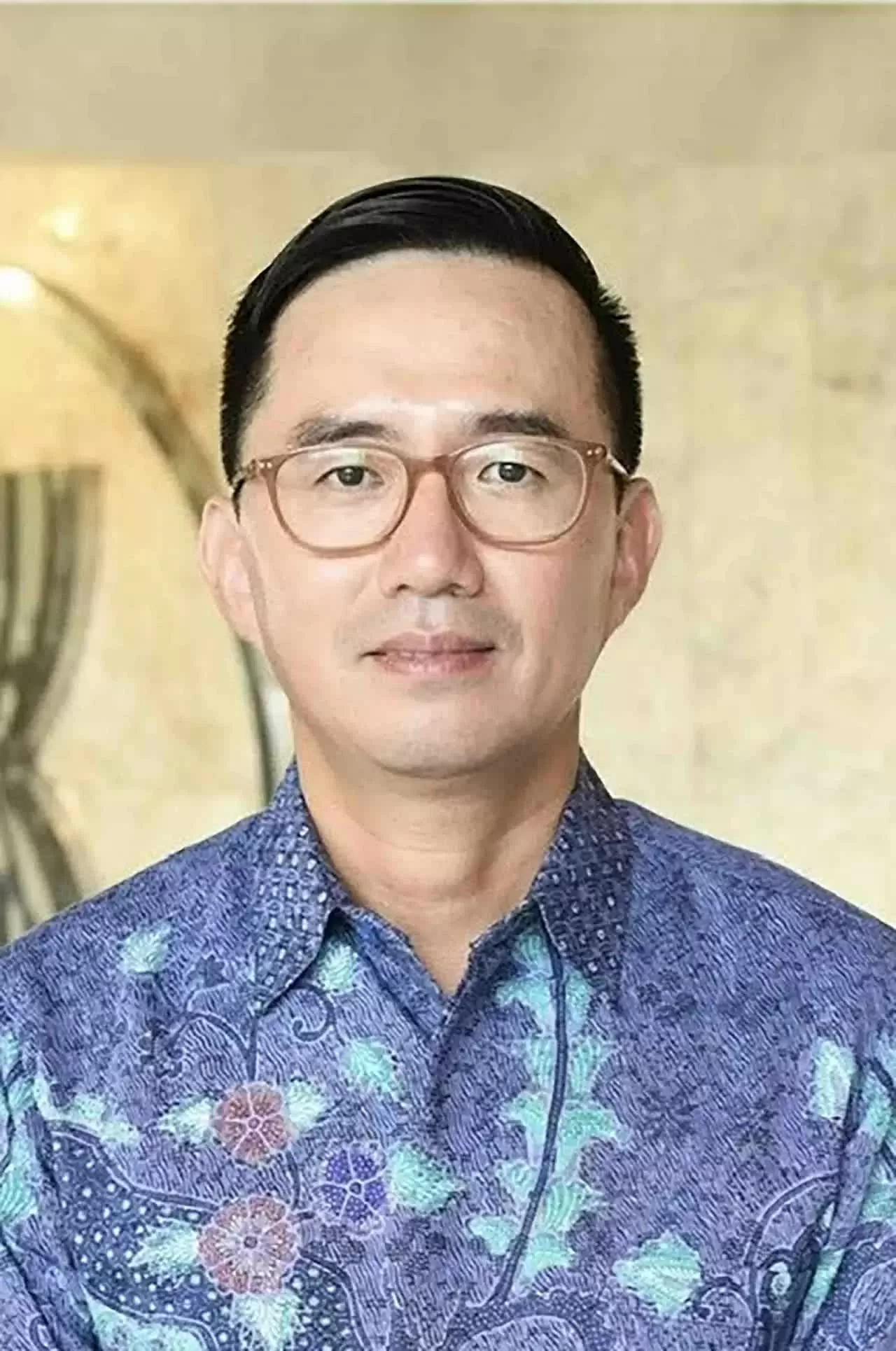 |
| Ambassador Tran Duc Binh, Director of the ASEAN Department, Ministry of Foreign Affairs.(Photo: Quang Hoa) |
How do you assess the outcomes of the 58th ASEAN Foreign Ministers' Meeting (AMM-58) and related events held from July 8–11, 2025, in Malaysia?
The 58th ASEAN Foreign Ministers’ Meetings took place at a special moment, both in terms of regional context and ASEAN’s own developments.
We are witnessing a world full of turbulence, intertwined with both challenges and opportunities. Internally, ASEAN is entering a new stage of development, implementing its strategic documents for ASEAN 2045, which serve as a roadmap for deeper cooperation, integration, and the growth of the ASEAN Community. The decision to admit Timor-Leste this coming October will significantly expand the region’s strategic space.
In this context, more than 20 ministerial-level activities were successfully held, achieving results in three key areas: strengthening internal unity, deepening cooperation with partners, and enhancing ASEAN’s role in the regional and global architecture.
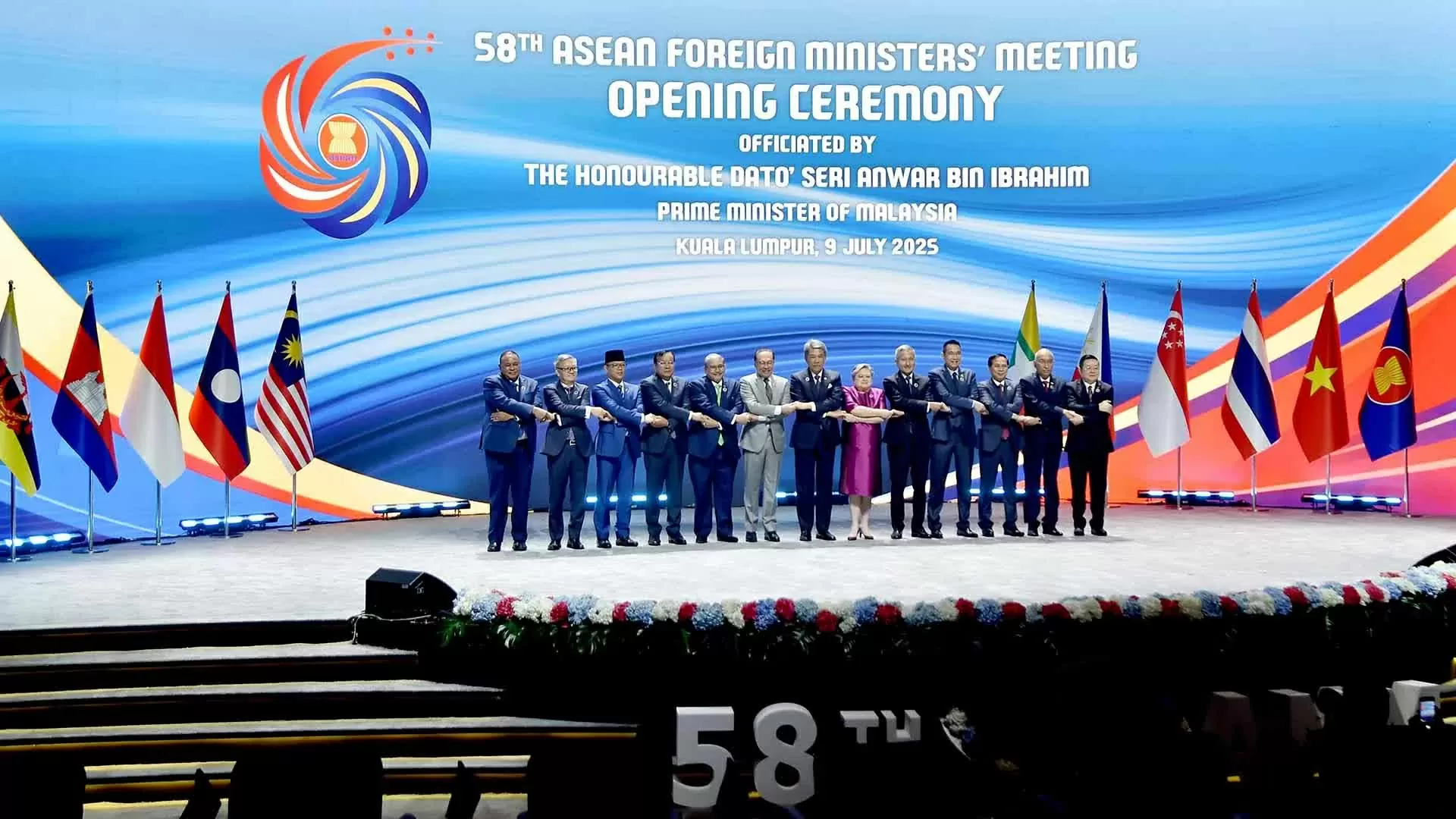 |
| Malaysian Prime Minister Anwar Ibrahim (sixth from left) poses for a photo with ASEAN Foreign Ministers, Timor-Leste and ASEAN Secretary-General Kao Kim Hourn at the opening ceremony of AMM-58. (Photo: Quang Hoa) |
The first major highlight is the strong reaffirmation of the enduring value of ASEAN solidarity. Solidarity is not merely a continuation of tradition but is truly the strength and guiding compass that enables ASEAN to overcome differences, respond to challenges, and remain resilient in the face of adversity. All ASEAN member states emphasized that solidarity is a prerequisite for maintaining strategic autonomy, avoiding entanglement in major power competition, and proactively adapting to an uncertain world. A wide range of cooperation frameworks—from the ASEAN Community Vision 2045 to concrete initiatives such as the ASEAN Power Grid, the ASEAN Digital Economy Framework Agreement, the upgrade of the ASEAN Trade in Goods Agreement, and supply chain connectivity—demonstrate ASEAN’s determination to take ownership of and shape the region’s future.
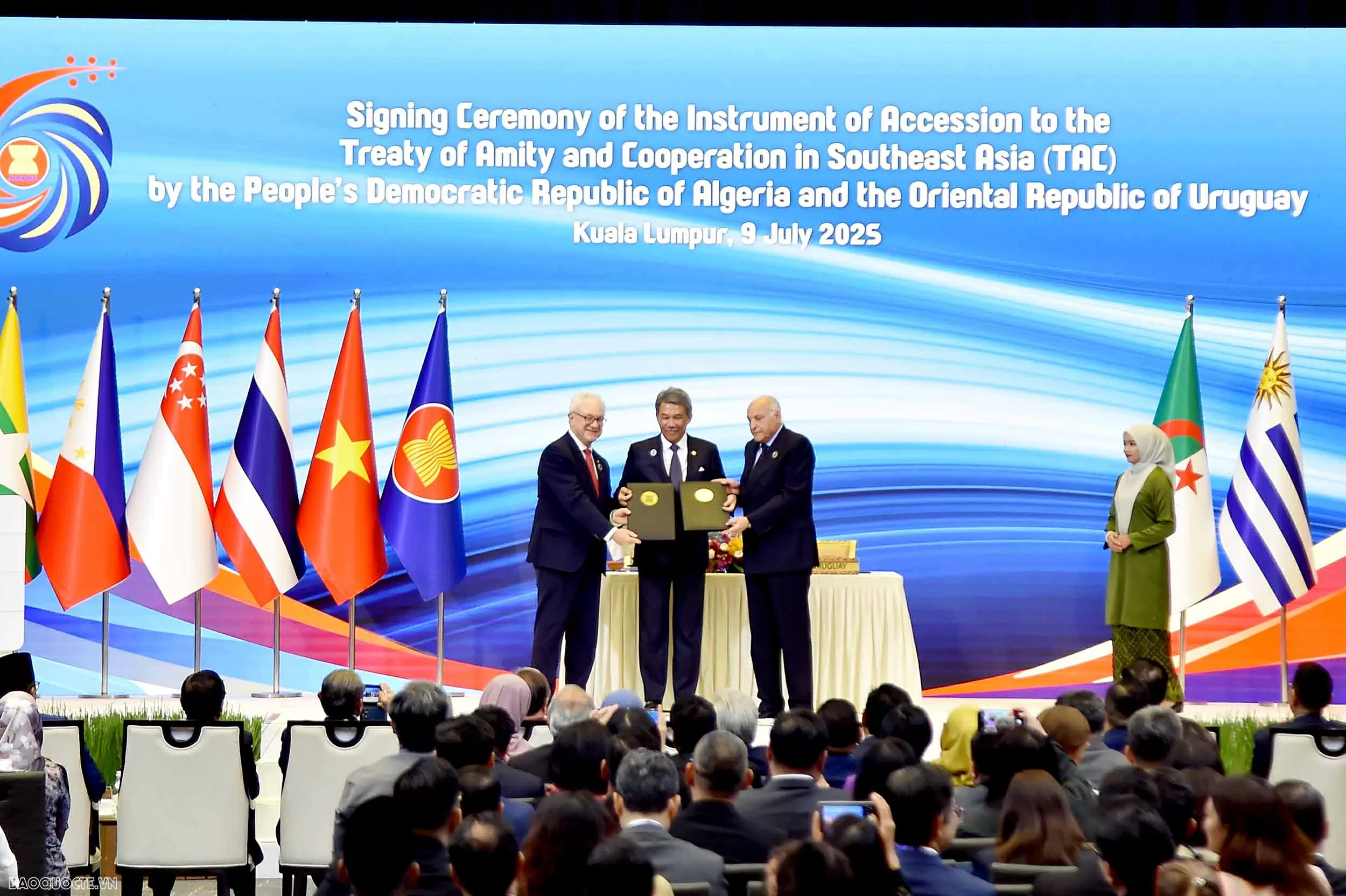 |
| The Signing Ceremony of the Instrument of Accession to the Treaty of Amity and Cooperation in Southeast Asia (TAC) by the People's Democratic Republic of Algeria and the Oriental Republic of Uruquay was held in Kuala Lumpur, on July 9, 2025. (Photo: Quang Hoa) |
Another prominent feature of this year’s meetings was the consistent support for ASEAN centrality. The presence of partners from around the world continues to be the clearest testament to the vitality and value of ASEAN-led mechanisms.
ll partners expressed long-term commitment to ASEAN and a desire to develop meaningful relations. This is reflected, first and foremost, in the negotiation, review, and upgrading of FTAs between ASEAN and its partners such as China, Australia, New Zealand, India, South Korea, and Canada, helping to reinforce an open, rules-based multilateral trading system. Most cooperation initiatives are focused on emerging growth areas such as digital transformation, renewable energy, science and technology, and innovation. These efforts reflect ASEAN’s adaptability and the trust it receives from partners, opening up opportunities for inclusive and sustainable cooperation. The decision on enhancing external relations adopted by the ASEAN Foreign Ministers at this occasion is a timely move to optimize the roles and complementarities among ASEAN mechanisms, in line with its strategic priorities.
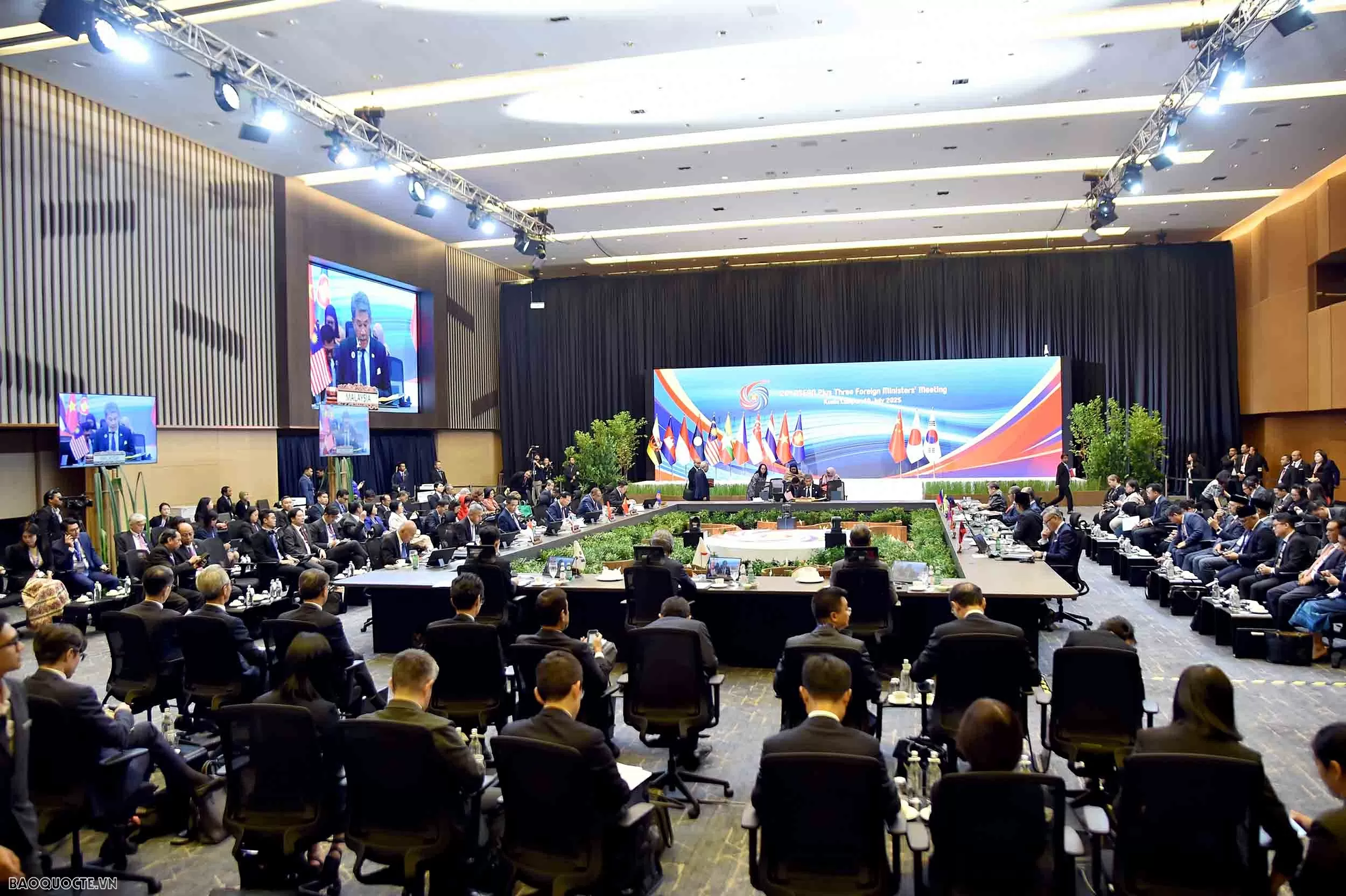 |
| Overview of the 26th ASEAN Plus Three Foreign Ministers’ Meeting (with Japan, China, and the RoK). (Photo:Quang Hoa) |
The 16th Mekong-Japan Foreign Ministers’ Meeting and the 13th Mekong-ROK Foreign Ministers’ Meeting, also held during this occasion, reaffirmed the commitment of partners to prioritize the Mekong sub-region in their foreign policies. Notably, countries agreed to resume the Mekong-Japan Summit and to continue discussions on potentially restarting it later this year. Cooperation areas such as transport infrastructure investment, digital human resource development, application of technology and AI in water management, smart agriculture, and early disaster warning systems continue to be fleshed out, bringing practical benefits to businesses and local communities. The organization of these meetings within the AMM-58 framework reflects the close link between sub-regional cooperation and ASEAN Community building and external relations, contributing to more effective partnerships between ASEAN and its dialogue partners.
Lastly, ASEAN is striving to contribute more actively to global agendas, shifting from a participant role to one that shapes the rules of the game. ASEAN’s unified voice on regional and international issues, from the East Sea and Myanmar to trade, climate change, and energy security—continues to be recognized, affirming ASEAN’s leadership in promoting multilateralism and adherence to international law. The Treaty of Amity and Cooperation in Southeast Asia continues to expand its membership, with Uruguay and Algeria joining this year, underscoring the value that partners place on ASEAN and its growing global role.
Could you share about Vietnam’s participation and contributions at the Meetings?
The Vietnamese delegation, led by Deputy Prime Minister and Minister of Foreign Affairs Bui Thanh Son, actively participated and made significant contributions to the success of the Meetings, reflecting Vietnam’s proactive, responsible, and leading role.
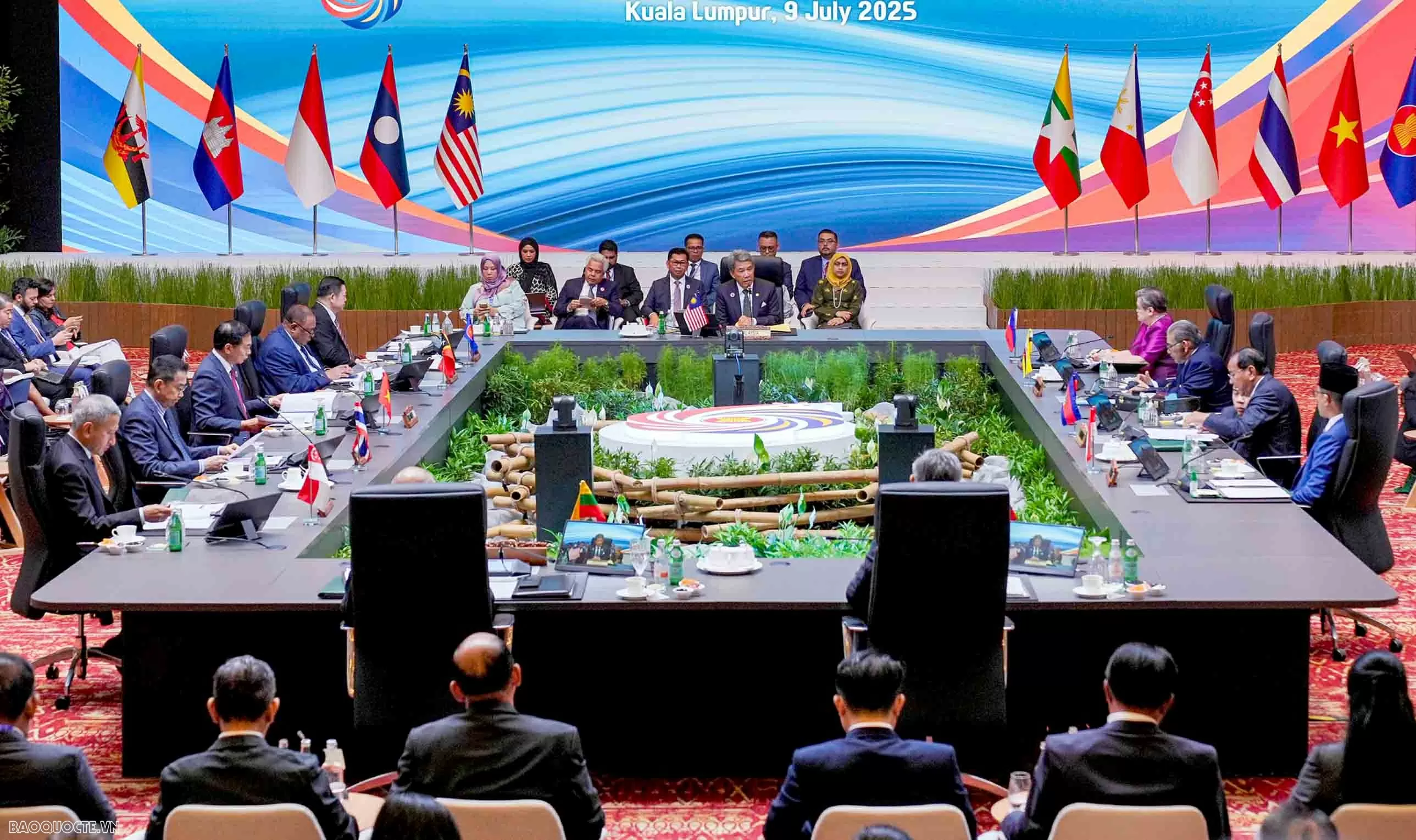 |
| Deputy Prime Minister and Minister of Foreign Affairs Bui Thanh Son proposed key orientations for the Association of Southeast Asian Nations (ASEAN) in the coming time while addressing the plenary session of the 58th ASEAN Foreign Ministers' Meeting (AMM-58) in Kuala Lumpur, Malaysia, on July 9, 2025. (Photo: Quang Hoa) |
First of all, Vietnam demonstrated its proactive spirit from the preparatory phase through to participation in the Meetings. Alongside other countries, Vietnam contributed to drafting key documents and shaping the agenda under the theme “Inclusive and Sustainable,” promoting priorities aligned with current development trends. The orientations shared by the Deputy Prime Minister and Minister at the Meetings closely addressed the practical needs and shared concerns of the region, while also aligning with and supporting Vietnam’s own socio-economic development goals—such as economic growth, diversification of trade and investment relations, supply chain expansion, and the development of science, technology, and innovation.
Specifically, the Deputy Prime Minister and Minister emphasized that ASEAN should prioritize maintaining the region’s growth momentum amid global uncertainty, strengthening intra-regional connectivity, expanding inter-regional linkages, and turning digital transformation and innovation into new pillars of cooperation. He also called for building a people-centered ASEAN Community by using communication strategies to tell real, inspiring stories about the people, businesses, and localities of the region.
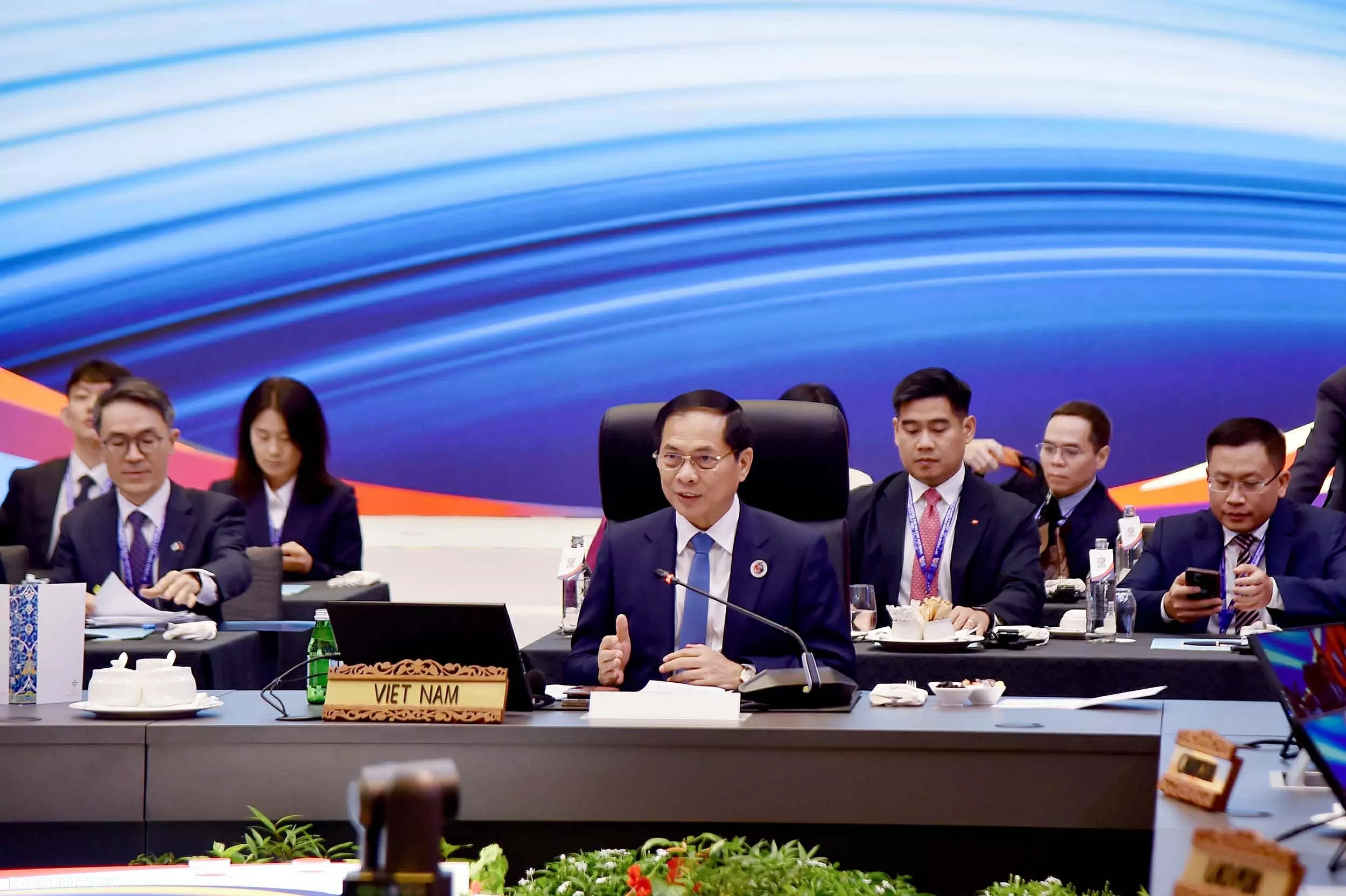 |
| Deputy Prime Minister and Minister of Foreign Affairs Bui Thanh Son co-chaired the 13th Mekong–ROK Foreign Ministers’ Meeting. (Photo: Quang Hoat) |
Second, Vietnam’s responsible contributions helped reinforce ASEAN’s solidarity and consensus. Notably, the Deputy Prime Minister and Minister conveyed the message that ASEAN should serve as a “beacon of peace.” In today’s turbulent context, this message holds deep significance not only for ASEAN but also for the wider region and the global community. After nearly 60 years of development, ASEAN has become a model for regional cooperation based on unity, dialogue, and collaboration. ASEAN’s success, grounded in common principles and norms, continues to inspire and reinforce trust in multilateralism and a rules-based international order. Vietnam constructively engaged with other countries on major regional and international issues, including the South China Sea and Myanmar, thereby contributing to ASEAN’s principled stance and central role in shaping the regional architecture.
On this occasion, the Deputy Prime Minister and Minister also attended the 4th Conference on Cooperation among East Asian Countries for Palestinian Development (CEAPAD IV), reaffirming Vietnam’s commitment and contributions to addressing global challenges.
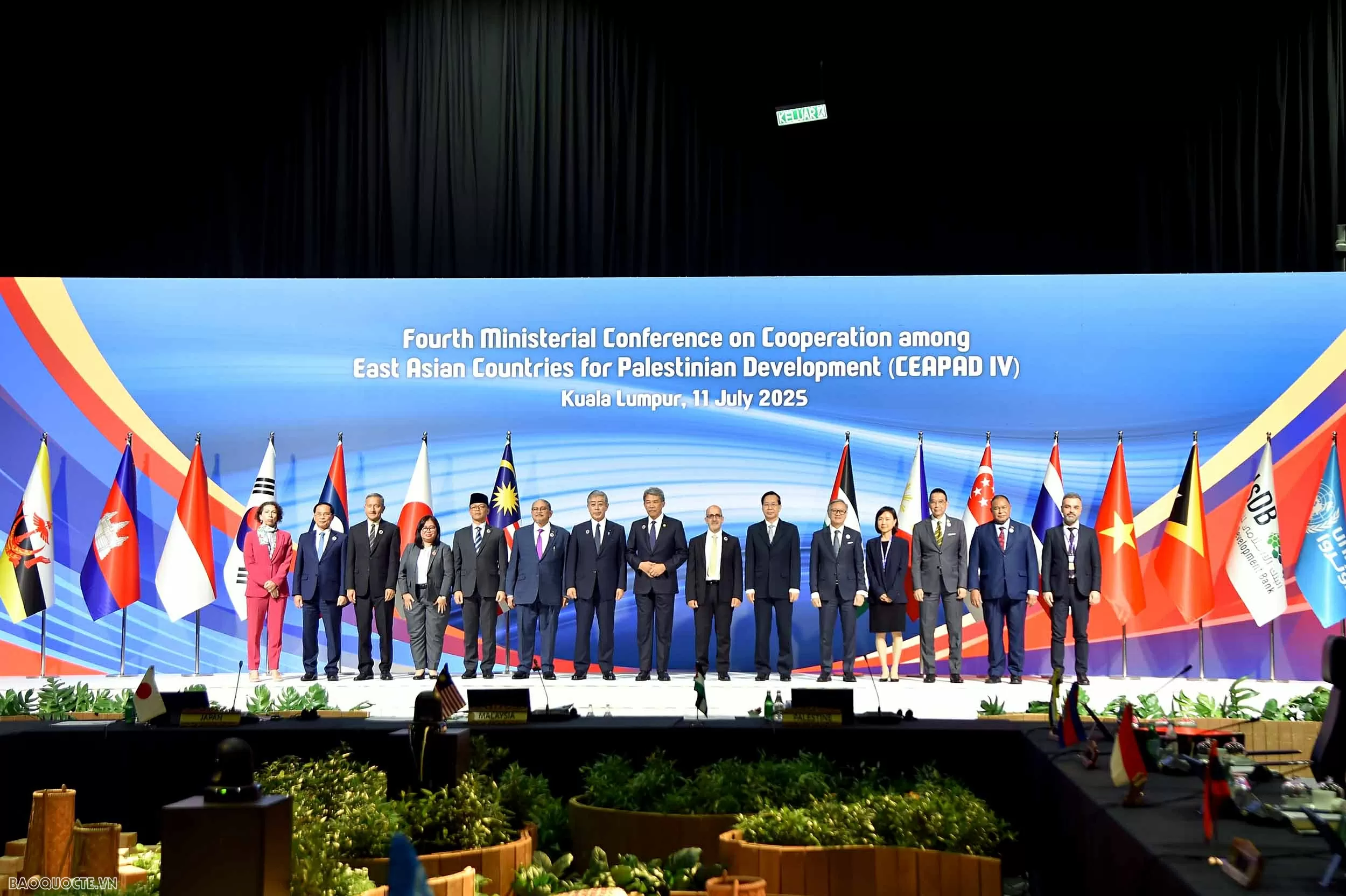 |
| Deputy Prime Minister and Minister Bui Thanh Son attends the 4th Conference on Cooperation among East Asian Countries for Palestinian Development (CEAPAD IV), expressing Vietnam’s readiness to work closely with partners, including East Asian countries, to pool resources, share development expertise, and support capacity-building efforts for the State and people of Palestine. (Photo: Quang Hoa) |
Third, Vietnam demonstrated effective leadership. This was exemplified through its co-chairing of two ASEAN Foreign Ministers’ Meetings with the United Kingdom and New Zealand. As the country coordinator for these partnerships, Vietnam actively conducted consultations and proposed new directions that connect ASEAN’s priorities and concerns with the strengths of its partners—such as trade, digital economy, science and technology, development of small and medium-sized enterprises, and combating transnational crime. These efforts helped translate cooperation into practical, substantive outcomes.
At other ASEAN-partner cooperation forums, the Deputy Prime Minister and Minister consistently emphasized the importance of economic collaboration as a key driver, calling for the effective implementation of existing FTAs and joint efforts to uphold principles of open, free, fair trade, and a rules-based multilateral trading system.
Within the sub-regional cooperation framework, the Deputy Prime Minister and Minister successfully co-chaired the Mekong-Japan and Mekong-Republic of Korea Foreign Ministers’ Meetings, highlighting Vietnam’s core role and proactive approach by putting forward practical initiatives. The motto of “new mindset, new method, new approach” in Mekong-Japan cooperation and “together do, together benefit, together win, together grow” in Mekong-ROK cooperation—proposed by the Deputy Prime Minister and Minister—received strong support and high appreciation from both Mekong countries and partners, injecting new vitality into sub-regional collaboration.
Thank you, Ambassador!