








UN Convention against Cybercrime: Toward a more secure digital future for all
WVR - Chief of Cybercrime and Technology Section, United Nations Office on Drugs and Crime (UNODC) Glen Prichard highly appreciated Vietnam’s efforts in preventing and combating cybercrime, both domestically and through its engagement with international partners.
Latest
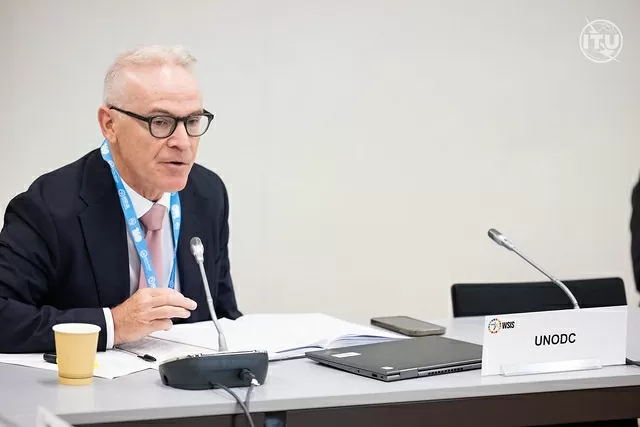 |
| Mr. Glen Prichard, Chief of Cybercrime and Technology Section, UNODC. (Source: UNODC) |
On the occasion of the Signing Ceremony of the United Nations Convention against Cybercrime, Chief of Cybercrime and Technology Section, UNODC Glen Prichard gave an exclusive interview to The World & Vietnam Report about the significance of the event and Vietnam’s efforts in combating cybercrime and working with partners in combating crimes.
In your opinion, why Vietnam was chosen as the host for the signing ceremony of the UN Convention against Cybercrime?
Vietnam’s selection as the host for the signing ceremony of the United Nations Convention against Cybercrime is a testament to the leadership and commitment the country has demonstrated in addressing cybercrime and fostering trust in the digital domain.
Vietnam has shown a strong determination to be at the forefront of regional and global efforts to prevent and counter cybercrime and to foster international cooperation. Hosting this landmark event reflects Vietnam’s proactive stance and its aspiration to contribute meaningfully to shaping the global response to cybercrime threats.
What are your comments on the significance of the signing of the UN Convention against Cybercrime in the current context? What are your expectations for this event?
In today’s interconnected world, criminal activities are increasingly sophisticated, transnational, and difficult to tackle through isolated national efforts. The United Nations Convention on Cybercrime marks a pivotal milestone in the global response to this challenge. It is the result of five years of intensive intergovernmental negotiations and reflects a shared commitment to establishing a comprehensive international framework to prevent and combat cybercrime, as well as to facilitate the sharing of electronic evidence of serious crimes.
The signing of the Convention represents a significant shift from conceptual discussions to the operationalization of concrete measures agreed upon by the international community. We are now entering a crucial phase where States will begin translating the Convention’s principles into action through legislative reforms, capacity-building initiatives, and enhanced international cooperation.
My expectation for the signing ceremony is that it will serve as a catalyst for momentum, encouraging swift ratification and implementation by States. It will also reaffirm the collective responsibility of the international community to address cybercrime in a coordinated, inclusive, and effective manner, while promoting trust and cooperation in the digital age.
How do you feel about Vietnam’s efforts in combating cybercrime and working with partners in combating crimes?
Vietnam has demonstrated commendable efforts in preventing and combating cybercrime, both domestically and through its engagement with international partners. It has taken proactive steps to strengthen its legal and institutional frameworks, enhance the capacity of law enforcement agencies, and promote regional cooperation.
This signing ceremony is an opportunity to showcase Vietnam’s capabilities and its commitment to global norms and standards in countering cybercrime. UNODC greatly values its partnership with Vietnam and looks forward to expanding our collaboration.
Together, we aim to continue supporting the development of technical expertise and institutional capacity among practitioners in Vietnam and across the region. This joint effort is essential to ensure that responses to cybercrime are effective, sustainable, and aligned with international best practices and human rights standards.
 |
| Hanoi ready for the Signing Ceremony of the United Nations Convention against Cybercrime. (Photo: Tran Trung) |
What are the opportunities and challenges for each country in implementing the Convention?
The implementation of the United Nations Convention against Cybercrime presents both significant opportunities and notable challenges for States.
In terms of opportunities, the Convention provides a unique and comprehensive framework for international cooperation in criminal justice matters, legal consistency, and capacity-building. It guides countries on how to strengthen their domestic legislation, improve investigative and prosecutorial capabilities, and facilitate the exchange of electronic evidence. For many countries, this is a chance to modernize their criminal justice systems and align them with global standards.
However, challenges remain. Operationalizing the Convention requires sustained political will, adequate resources, and technical expertise. Countries must ensure that their institutions are equipped to implement its provisions effectively. This includes training law enforcement and judicial authorities, upgrading digital infrastructure, and fostering cross-border collaboration.
UNODC stands ready to support Member States in this endeavour. We offer a range of technical tools, training programs, and advisory services to assist countries in ratifying and implementing the Convention. It is crucial that the momentum generated by the signing ceremony of the Convention is maintained. Countries must seize this moment to take concrete steps toward ratification and operationalization, ensuring that the Convention can contribute to a more secure digital future for all.
Thank you!
| "My expectation for the signing ceremony is that it will serve as a catalyst for momentum, encouraging swift ratification and implementation by States. It will also reaffirm the collective responsibility of the international community to address cybercrime in a coordinated, inclusive, and effective manner, while promoting trust and cooperation in the digital age." (Mr. Glen Prichard, Chief of Cybercrime and Technology Section, UNODC) |
 |
| Mr. Glen Prichard attended the talkshow about the UN Convention against Cybercrime with The World & Vietnam Report. (Photo: Thanh Long) |


