





Simplifying for growth: India’s 7 pillars of GST reform
WVR - India is set to implement a significant overhaul of its Goods and Services Tax (GST) system, effective September 22, 2025.
Latest
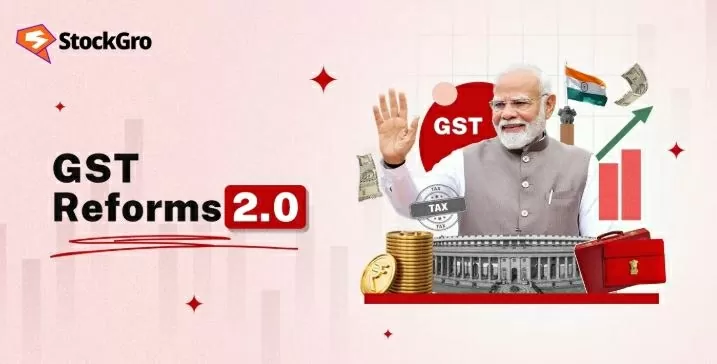 |
| The current reform, labeled as GST 2.0, reaffirms India’s commitment to building further simpler, fairer and growth-oriented GST framework. |
The Government of India has laid out 7 (seven) pillars of the GST reforms which will shape India’s economic future. To this end, the 56th GST Council has simplified the indirect tax system into a two-tier structure of 5 per cent and 18 per cent on goods and services in India from a four-tier structure of 5 per cent, 12 per cent, 18 per cent and 28 per cent. Highlights of the 7 pillars are:
(i) Pillar 1: Unified India’s tax system with One Nation, One Tax expanded the taxpayer base and ensured stable revenues in the country. The next Generation GST 2.0 further simplifies tax processes with a cleaner 2-tier structure.
(ii) Pillar 2: Shift to a simpler 2-tier system (5 percent and 18 percent), fewer classification disputes, smoother duty structures, faster refunds for better liquidity, thus rationalizing tax for fairer taxation.
(iii) Pillar 3: Easy registration for small and low-risk businesses (license in 3 days), 90 percent upfront provisional refunds for exporters, end-to-end digital compliance with e-invoicing and AI-driven risk detection, thereby simplifying filing through technology.
(iv) Pillar 4: Essential goods & services in the 0 to 5 percent bracket, and high-value items like cars and household appliances down from 28 percent to 18 percent thereby making daily needs affordable and aspirations achievable, keeping consumers first.
(v) Pillar 5: Fix inverted duty structures to smoother cash flow, simpler rates to support Make in India, faster refunds and easier rules for business, thus empowering Micro, Small, and Medium Enterprises and manufacturers.
(vi) Pillar 6: Sustainable revenue growth for all Indian States (provinces) with rationalization of GST rates, which will lead to higher demand and more consumption.
(vii) Pillar 7: Lower taxes will boost savings and spending as families buy more, and increase in demand leading to growth of industries. Cheaper cars, appliances, electronics increase demand and give a push to manufacturing.
The next Generation GST Reforms thus highlight how GST system evolves into a citizen and business friendly system in India, driving growth and stability for the country’s economy. These reforms go far beyond tax rates and structures and represent a decisive shift towards a simpler, fairer, and growth-oriented system that is aligned with the aspirations of a Viksit Bharat 2047.
The GST was, initially, introduced in India on July 1, 2017- hailed as India’s most significant indirect tax reform since Independence. It subsumed various central and state taxes providing a unified taxation system in India. The current reform, labeled as GST 2.0, reaffirms India’s commitment to building further simpler, fairer and growth-oriented GST framework, which will ensure ease of living for the common man, improve ease of doing business and stimulate economic growth.

| Connecting Vietnam-India tourism in Hyderabad, India WVR - On the evening of September 9, in Hyderabad (India), a program to introduce Vietnam tourism and connect businesses in the Indian market for ... |

| Vietnam, India enhance cultural ties through film project On July 1, the film "Love in Vietnam", the first cinematic co-production between Vietnam and India, premiered in the central city of Da Nang as ... |

| VinFast opens its first showroom in India VinFast Auto India, a subsidiary of Vietnamese electric vehicle (EV) maker VinFast, has begun its retail journey in the country with the inauguration of its ... |

| India grants 78 long-term Scholarships to Vietnamese students WVR - The Government of India has awarded 78 long-term scholarships to Vietnamese students and scholars to pursue studies at India’s leading higher education institutions ... |

| EVFTA powers Vietnam’s trade rise, but more reforms needed: Ambassador WVR - The EU-Vietnam Free Trade Agreement (EVFTA), now in its fifth year, is a vital driver of the Vietnam-EU strategic partnership, said Ambassador Nguyen ... |