





Shaping new human rights standards at the United Nations and policy implications for Vietnam
WVR - On December 19 in Hanoi, the Department of International Organizations, Ministry of Foreign Affairs, in collaboration with the Standing Office of the Human Rights Steering Committee, the Department of Foreign Affairs, Ministry of Public Security, organized the scientific workshop 'Shaping New Human Rights Standards at the United Nations and Policy Implications for Vietnam'.
Latest
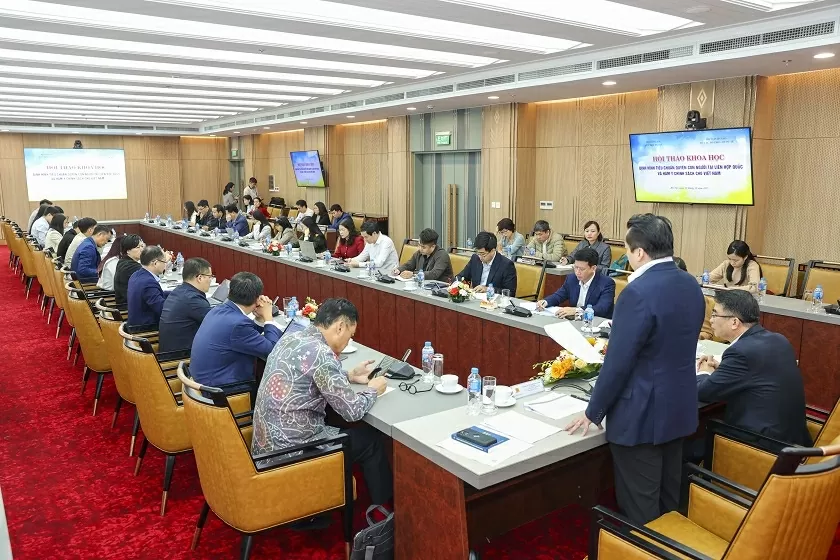 |
| Overview of the scientific workshop 'Shaping New Human Rights Standards at the United Nations and Policy Implications for Vietnam' on December 19 in Hanoi. |
As part of the activities commemorating the 77th anniversary of World Human Rights Day (10/12/1948-10/12/2025), the workshop aimed to clarify and identify trends in the formation and development of new human rights standards during the 2021-2025 period. It also analyzed the impacts, opportunities, and challenges for Vietnam in the context of international integration and digital transformation, and suggested specific, feasible policy implications to enhance Vietnam's participation in multilateral human rights mechanisms, while better ensuring and promoting human rights domestically.
The event attracted numerous experts, researchers, scholars, and representatives from ministries, sectors involved in the inter-agency mechanism on human rights, as well as media and press agencies.
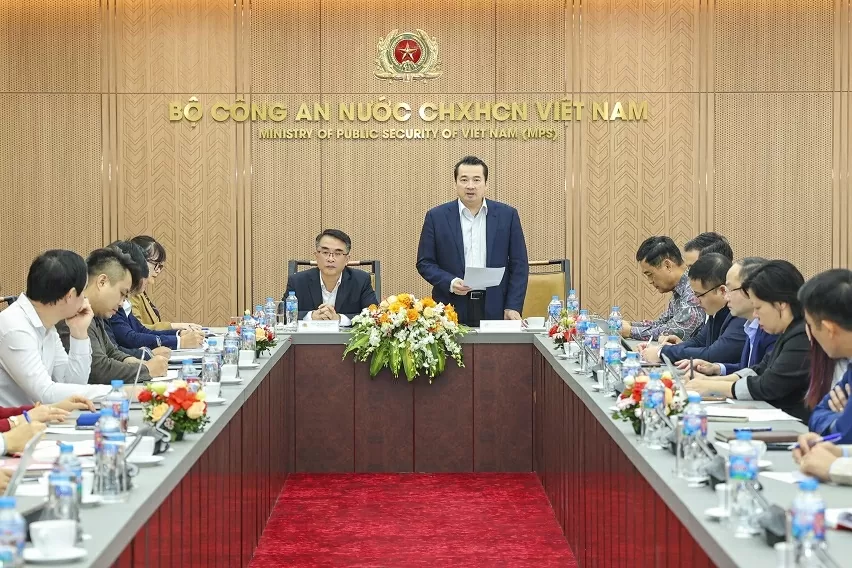 |
| Pham Hai Anh, Director of the Department of International Organizations, Ministry of Foreign Affairs, delivering the opening speech at the workshop. |
In his opening remarks, Pham Hai Anh, Director of the Department of International Organizations, Ministry of Foreign Affairs, noted that the 2021-2025 period has witnessed profound changes in global, regional, and international life. Emerging global challenges such as pandemics, climate change, digital transformation, artificial intelligence, platform economy, and non-traditional security issues are posing new demands on the international legal system and human rights standards.
In this context, new approaches, standards, and norms related to the right to development, the right to a clean, healthy, and sustainable environment, the rights of vulnerable groups in the digital space, the protection of children's rights online, and human rights issues related to digital transformation and artificial intelligence have emerged and gradually formed at United Nations forums, especially the Human Rights Council.
"For Vietnam, a nation actively and proactively integrating comprehensively and deeply into the international community, and a responsible member of the United Nations Human Rights Council for the 2023-2025 term, preparing to begin its membership term for 2026-2028, monitoring, researching, evaluating, and participating in shaping new human rights standards is not only academically significant but also has profound practical value, directly serving the process of formulating and implementing foreign policy, legal policy, and sustainable development of the country," emphasized Pham Hai Anh.
Pham Hai Anh expressed confidence that, with a spirit of frank, scientific, and constructive exchange, the workshop would bring many profound, multi-dimensional insights, contributing to supplementing the theoretical and practical basis for Vietnam's policy-making process in the field of human rights in the coming time.
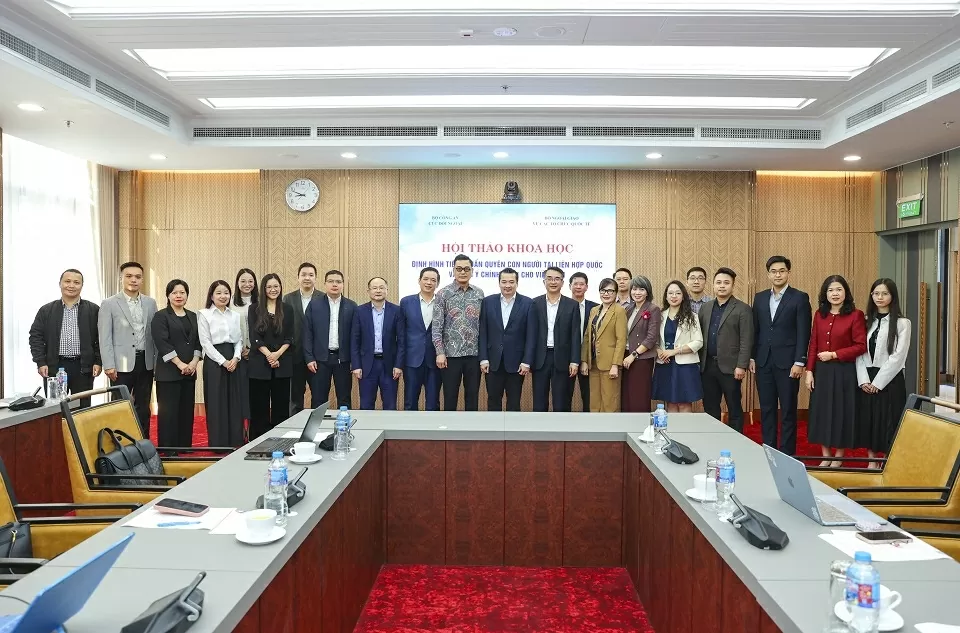 |
| Delegates attending the workshop. |
Within the framework of the workshop, delegates listened to in-depth presentations from reputable state management agencies, research, and training institutions. The presentation by Master Nguyen Vu Minh from the Department of International Organizations (Ministry of Foreign Affairs) focused on analyzing orientations and recommendations for Vietnam in shaping new human rights at the United Nations.
From a legal perspective in the digital era, Dr. Vu Dinh Hoang from the Internal Affairs Department, Government Office, clarified new challenges for the legal system in protecting human rights amidst the rapid development of digital technology and artificial intelligence (AI).
Sharing at the workshop, Vietnam's Representative to the ASEAN Intergovernmental Commission on Human Rights (AICHR), Ambassador Nguyen Trung Thanh, contributed opinions on Vietnam's proactive and active participation in shaping human rights standards at the regional forum - AICHR.
Meanwhile, Master Le Quang Binh from the Department of International Organizations, systematized the codification process of the right to development and environmental rights at the United Nations.
Notably, Dr. Chu Thi Thuy Hang, Deputy Editor-in-Chief of the Journal of Human Rights Law (Institute of Human Rights, Ho Chi Minh National Academy of Politics), focused on protecting children's rights in digital advertising and marketing - a very urgent and practical issue in the current digitalization context.
For her part, Associate Professor Dr. Nguyen Thi Hong Yen from Hanoi Law University presented a paper on human rights in digital transformation and artificial intelligence, analyzing new standards and challenges for Vietnam in this process.
The presentations comprehensively analyzed new challenges arising from the digital environment and the rapid development of modern media, particularly the risks of privacy violations, personal data abuse, increased exposure to inappropriate content, and the increasingly sophisticated impact of commercial advertising and media on children. Based on this, the workshop proposed many practical solutions to continue improving the legal framework, contributing to better ensuring the legitimate rights and interests of people in general and children's rights in particular.
Additionally, the opinions at the workshop clarified the requirements and orientations for Vietnam in actively participating and contributing to the process of building and perfecting international human rights standards, ensuring harmony between the universal values of human rights and the specific conditions and national interests.
The delegates agreed that in the field of human rights, Vietnam's proactive participation in shaping international principles and "rules of the game" not only reflects the strategic vision of the Party on the role and position of the country in the context of profound global changes but also creates an important impetus to promote the consolidation and improvement of legal, institutional, and practical foundations to ensure human rights domestically in a comprehensive, sustainable manner, adapting to the development trends of the era. Through this, Vietnam gradually transitions from primarily receiving international standards to being an active subject capable of contributing intellect, experience, and perspectives to the formation and development of the international human rights system.
In his closing remarks, Colonel Tran Viet Trung, Deputy Director of the Department of Foreign Affairs, Ministry of Public Security, affirmed that the workshop successfully achieved its objectives, with presentations and discussions offering profound theoretical and practical value. These presentations and discussions will serve as important information and arguments, contributing to advising the Human Rights Steering Committee in further promoting Vietnam's proactive, active, and responsible participation in global political life in the field of human rights, in line with the Party and State's foreign policy. They will also be a useful reference for policy-making agencies, organizations, and interested individuals in the future.
The workshop also demonstrated Vietnam's determination to actively integrate and contribute intellect and responsibility to global political life. Through this, Vietnam sends the message: "Respect and understanding, dialogue and cooperation. All human rights, for all people".
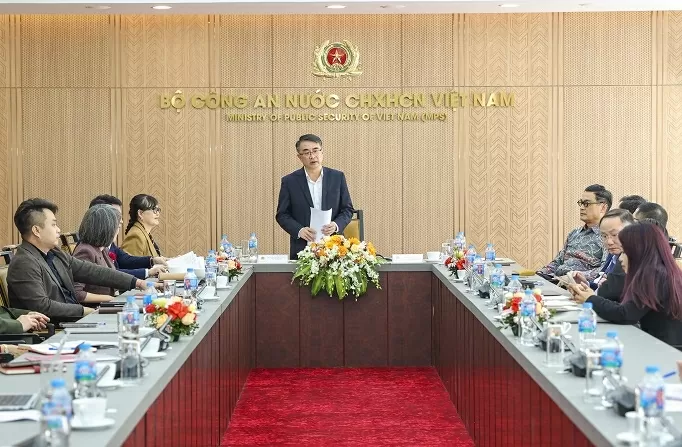 |
| Colonel Tran Viet Trung, Deputy Director of the Department of Foreign Affairs, Ministry of Public Security, delivering the closing speech at the workshop. |


