





Science and technology diplomacy - Vietnam’s new bridge to the future
WVR - In the context of increasingly knowledge-driven global competition, science, technology and innovation must become new pillars of diplomacy. The initial foundations have been laid, and the journey ahead requires Vietnam to take more decisive, systematic and strategic steps.
Latest
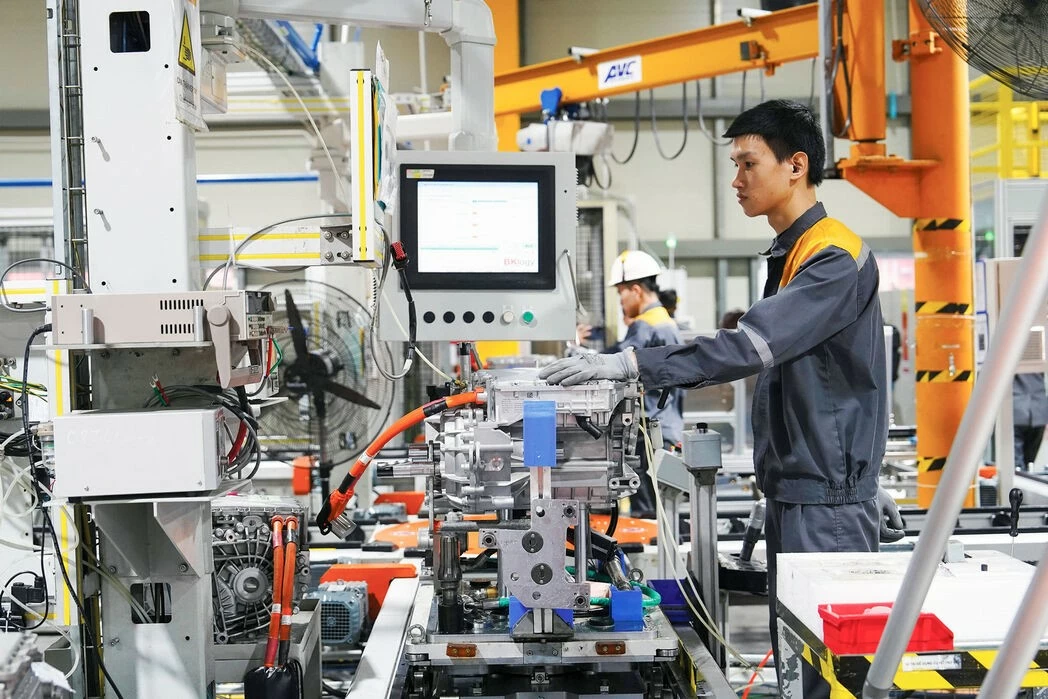 |
| A key strategic framework is Resolution 57 of December 2024, which recognises science, technology, innovation and national digital transformation as crucial drivers for Vietnam’s next development stage, and sets out corresponding measures. (Photo: Ha Linh) |
The foundations have been laid
A key strategic framework is Resolution 57 of December 2024, which recognises science, technology, innovation and national digital transformation as crucial drivers for Vietnam’s next development stage, and sets out corresponding measures. By 2030, Vietnam aims to rank among the world’s top 50 in terms of digital competitiveness and e-government, and to be among the top three in the South-East Asian region.
The digital economy is set to contribute at least 30 per cent to GDP, high-tech products are to account for at least 50 per cent of export value, and research and development expenditure is to reach 2 per cent of GDP. Resolution 57 thus – alongside other resolutions and laws passed over the last two years – creates a vital domestic policy foundation for Vietnam’s rise.
Science and technology diplomacy will, in addition, serve as a bridge in foreign policy. To this end, the Vietnamese Ministry of Foreign Affairs has already developed an action plan for science and technology diplomacy up to 2030. At the same time, it is working on a strategy for international cooperation on strategic technologies up to 2030/2045. The overarching principle here is that science, technology and innovation diplomacy, as key pillars of Vietnam’s foreign policy, are intended to contribute to this national goal of achieving industrialised nation status.
The fact that these bold words are to be backed up by action is demonstrated by the fact that Vietnam’s diplomatic missions abroad have been involved even more closely than before in activities to promote trade and investment. In 2025 alone, embassies and consulates supported almost 500 activities. Added to this are more than 150 events organised by the provinces and around 100 cooperation agreements between Vietnamese and international partners, in which Vietnam’s diplomatic missions were involved.
Furthermore, overseas Vietnamese - many of whom are highly qualified - are effectively recognised as a strategic reserve. Encouraging people to return to their homeland and cooperating with them whilst they are abroad is already a focus of attention for the Vietnamese government.
It is important to note at this point that Vietnam is by no means passive in the face of current global trends, but has already incorporated them into its institutions and policies.
Turning technology diplomacy into implementation
However, in addition to the aforementioned prerequisites, it is important to recognise that the path to becoming a high-income country does not lie in purely quantitative economic growth, but rather in quality. This is precisely where science and technology diplomacy can help: technology transfer, management expertise, knowledge of international standards, research collaborations and the attraction of international talent.
Of course, Vietnam still needs FDI, but in a different mix to before: the focus should be on R&D, semiconductor technology, AI applications, high-tech and digital platforms. Technology diplomacy should not only attract capital, but also encompass knowledge, patents, training and the integration of local suppliers.
When it comes to the localisation of production, Vietnam still has some work to do: within ASEAN, Vietnam is at the middle to lower end of the scale with a localisation rate of around 36 per cent. FDI should therefore definitely be linked to a process of technological learning for Vietnamese companies. It is understandable that Vietnam’s diplomacy can play a key role in this regard. For example, in the area of dual vocational training systems and practice-oriented industry-university cooperation, ideas from countries such as Germany can be incorporated by strengthening collaboration at bilateral and multilateral levels. Research collaborations should be promoted more than before, both financially and, above all, through matchmaking.
With regard to Vietnam’s technological and industrial development, it will ultimately also be crucial not only to rely on Vietnam’s large enterprises, but also to foster knowledge and skills within the SME sector. And with regard to international standards, Vietnam’s aim should be not merely to be a rule-taker, but to actively develop, within international forums and bilateral partnerships, into a rule-shaper. For one thing is clear: in the digital age, standards are instruments of economic power.
With all this in mind, it can be said that a Vietnamese ‘technology diplomacy’ would certainly fit very harmoniously with the country’s ‘bamboo diplomacy’, which embodies flexibility in foreign relations whilst remaining firmly focused on national interests.
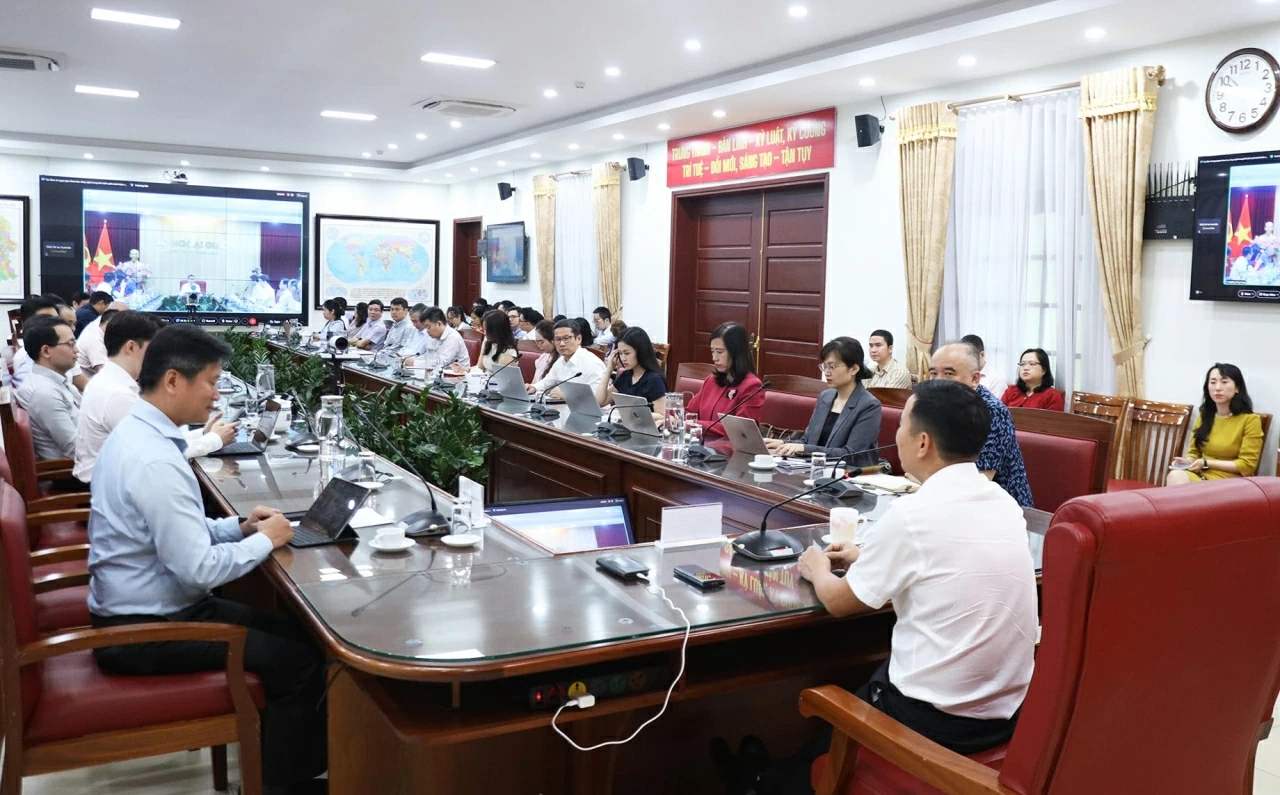 |
| The seminar "Science and Technology Diplomacy in the Context of Global Competition," organized by the Department of Personnel and Organization under the Ministry of Foreign Affairs, was held in a hybrid format (in-person and online) in April 2026. (Photo: Thanh Long) |
What Vietnam still needs to do in the field of science and technology diplomacy
It is certainly a valid question as to what, specifically, Vietnam should still be doing in the field of development diplomacy. First and foremost, it should be clear that efforts should build on existing capabilities and networks. In future, however, Vietnam could make greater use of its embassies and consulates as so-called ‘technology scouts’. This is not just a matter of seeking new investors and trading partners, but quite clearly of identifying international research and technology partners.
Diplomatic missions could, for example, maintain priority lists of partners: companies, venture capitalists, experts, networks, research institutions, universities and business-related organisations in the respective countries. In any case, Vietnamese experts living abroad must also be involved as an important human resource. Highly educated, these ‘Viet Kieu’ form vital bridges to universities, technology, companies and political networks.
However, development diplomacy also means going beyond these purely national starting points and attracting foreign experts to work in Vietnam. By the time Vietnam is expected to become an industrialised nation in less than 20 years’ time, the appeal of a job in Vietnam is likely to have increased immensely. Vietnamese diplomacy should certainly bear this in mind, so that the right international talent finds its way to Vietnam and can contribute to building the country as a centre of technology and innovation.
Vietnam should consider more flexible long-term visa, residence and work permits for selected foreign experts and overseas Vietnamese specialists. In the long run, even more ambitious talent attraction instruments could be discussed. While migration in recent decades has tended to be a one-way street out of Vietnam, this has been changing noticeably of late. Vietnam is already an attractive destination not only for many overseas Vietnamese returning home, but also for foreign experts. Having lived and worked in Hanoi for eight years, and with a personal and family connection to Vietnam, I can confirm this from my own experience.
Vietnamese diplomats could increasingly act as ‘technology scouts’: not only promoting trade and investment, but identifying research partners, venture capital networks, high-tech firms, universities and Viet Kieu experts. One task could also be to put global Vietnamese talent networks into practice, for example through databases, regularly organised meetings or perhaps even annual ‘Technology Return Missions’, during which overseas Vietnamese, as well as foreign specialists interested in Vietnam, are invited to Vietnam for specific project weeks.
Vietnamese diplomatic missions could also strengthen the country’s international technology branding. Other ASEAN countries are already very visible in Europe, for example Malaysia through MIDA and MATRADE, or Thailand through the BOI. Vietnam has strong arguments, but needs to communicate more.
It is certainly worth mentioning, too, the need for even greater promotion of cooperation within the framework of ‘innovation diplomacy’ with foreign universities. Dual degrees in the fields of AI, data science, semiconductor technology, FinTech, cybersecurity and digital legislation would certainly be conceivable here, as would matchmaking for relevant research projects. Vietnam already has a number of universities that are very active internationally. Their network should also be utilised more extensively within the framework of innovation diplomacy, for example to host even more international conferences in Vietnam and to make Vietnam a more attractive study destination for foreign undergraduates and postgraduates.
Twenty years ago, this would certainly have been difficult, but I can say from my own experience as a researcher and professor that Vietnam is already operating in a completely different academic league today than it was some years ago. Universities such as FTU, UEB, NEU, UEH and others can easily hold their own against other international universities in the region. However, here too, proactive public relations work on the diplomatic stage would be a valuable asset. Vietnam should not only send students abroad, but also consistently develop its own research ecosystems within the country. Yet here too, the following applies: alongside its own national expertise – which undoubtedly exists – it will be overseas Vietnamese and foreign experts in particular who can make a significant contribution in this regard.
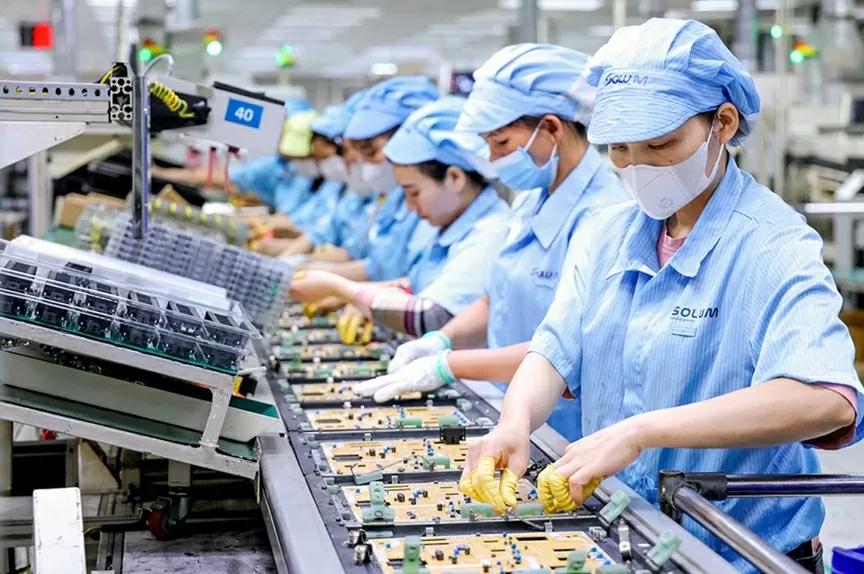 |
| Vietnam is not lacking in ambition. The crucial questions, however, are direction, discipline and implementation. In short: doing the right things. And doing things right. (Source: Vneconomy) |
The risk of spreading oneself too thin and micromanagement
However, amidst all these ongoing and planned activities, we must not lose sight of the fact that there is a real risk of over-regulation and micromanagement. Too many uncoordinated initiatives can, in fact, dilute resources. Technology transfer alone is not enough. Vietnam must also strengthen its capacity to absorb and apply knowledge. It should not be forgotten that Vietnam’s human capital still leaves room for improvement: researchers, engineers, managers and technical specialists should be trained in a more practical manner and in greater numbers than has been the case to date. Furthermore, it would be advisable to attract experts from abroad to Vietnam. International partnerships must be established and further expanded.
Setting the right priorities within a plan that takes into account foreign policy, domestic policy and economic policy elements is essential. To avoid micromanagement, Vietnam’s political leadership and administration will need to set out the guidelines and establish key networks, whilst granting sufficient autonomy to the private initiatives of companies, institutions and universities.
And as technology becomes an increasingly sensitive issue in geopolitical terms, Vietnam’s diplomacy will have to strike a balance without allowing itself to become technologically, politically or economically dependent on others on the international stage.
Vietnam is not lacking in ambition. The crucial questions, however, are direction, discipline and implementation. In short: doing the right things. And doing things right.
Vietnam’s standing in diplomatic, economic and political circles has risen steadily in recent years and decades. Vietnam can and should capitalise on this to act as a bridge-builder in the field of technological cooperation. In this respect, technology diplomacy should not be understood merely as ‘event diplomacy’, but as genuine support for international cooperation and for Vietnam’s preparation for the next stage of its development. This will not be successful simply because more factories, ports and financial centres are built, but because Vietnam manages to integrate itself into the global knowledge economy.
It will be crucial for Vietnam not only to import technology, but also to learn to adapt technology, develop human capital and, ultimately, to help establish its own new technologies. In the age of AI, development diplomacy will be a learning diplomacy.

| Talent diplomacy (Part 1): Building national competitive advantage From visas for experts to global networks connecting scholars and scientists, many countries are intensifying efforts to attract high-quality human resources through diplomacy, forming a ... |

| EU Ambassador to ASEAN: Vietnam expected to continue advancing multilateral diplomacy WVR - Speaking in an interview with the Vietnamese press on July 15, Europe Union (EU) Ambassador to ASEAN Sujiro Seam said he hoped Vietnam ... |
| VFF delegation promotes people-to-people diplomacy, strengthens ties with overseas Vietnamese business, expert, and intellectual communities in RoK WVR - From July 19-21, a high-level delegation from the Central Committee of the Vietnam Fatherland Front (VFF) conducted a working program in the Republic ... |
| Innovating people-to-people diplomacy to enhance the comprehensive strength of Vietnam's diplomacy WVR - As the country enters a new era of development, innovating people-to-people diplomacy aims to fully harness the strength of the people, the great ... |

| “The Lens of Diplomacy”: Photo exhibition marks 50 years of Vietnam-Thailand relations WVR - On the morning of July 24, at the Vietnam Fine Arts Museum, the Embassy of Thailand in Vietnam, in collaboration with the Vietnam ... |


