


Workshop on promoting diplomacy's role in ensuring security and fostering cooperation in cyberspace
WVR - On November 3-4, the Ministry of Foreign Affairs and the National Cybersecurity Association, in collaboration with the Embassy of Canada, the Embassy of the Kingdom of the Netherlands, and the Delegation of the European Union (EU) in Vietnam, organized an international workshop on cyber diplomacy and technology.to ensure security and foster cooperation in cyberspace.
Latest
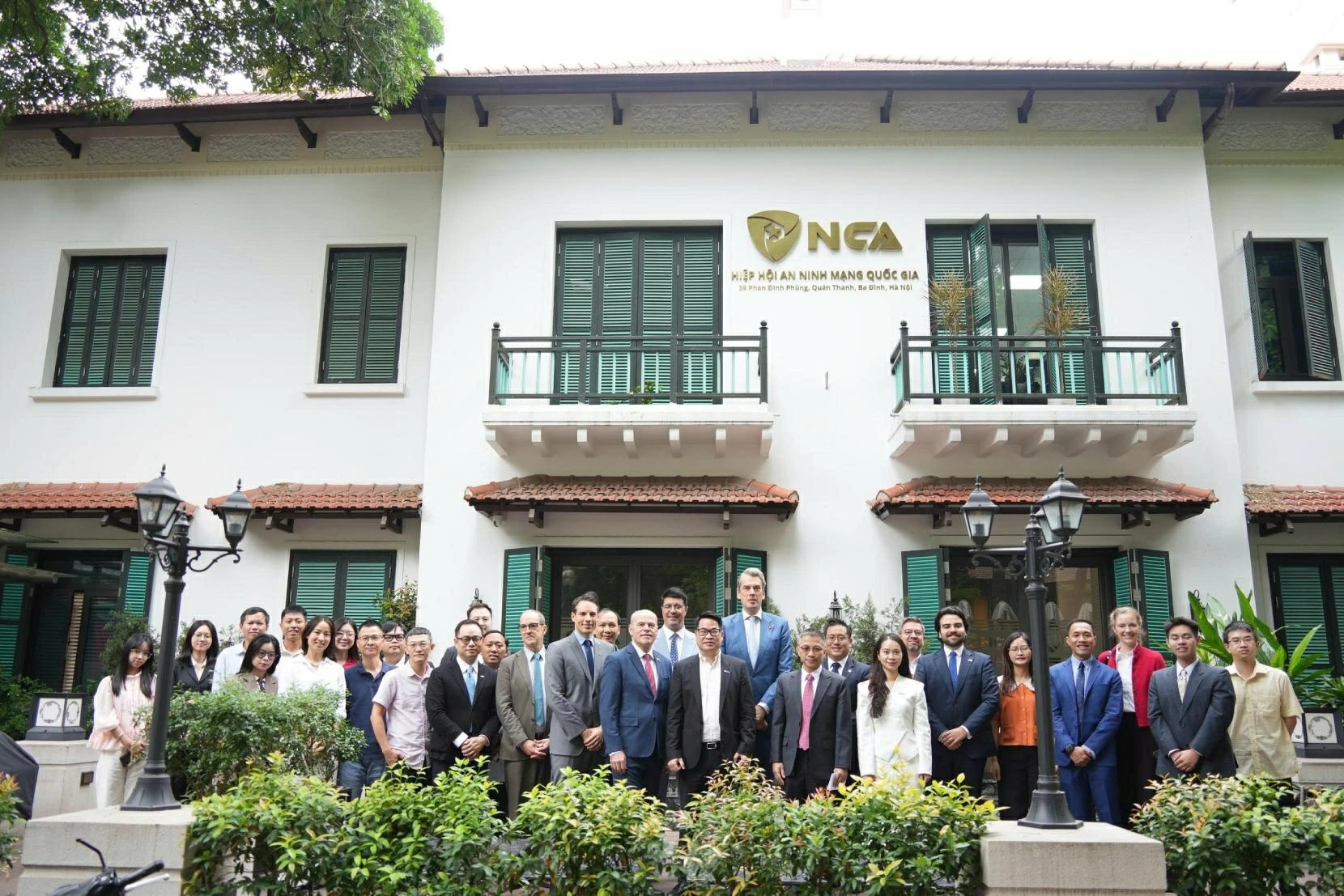 |
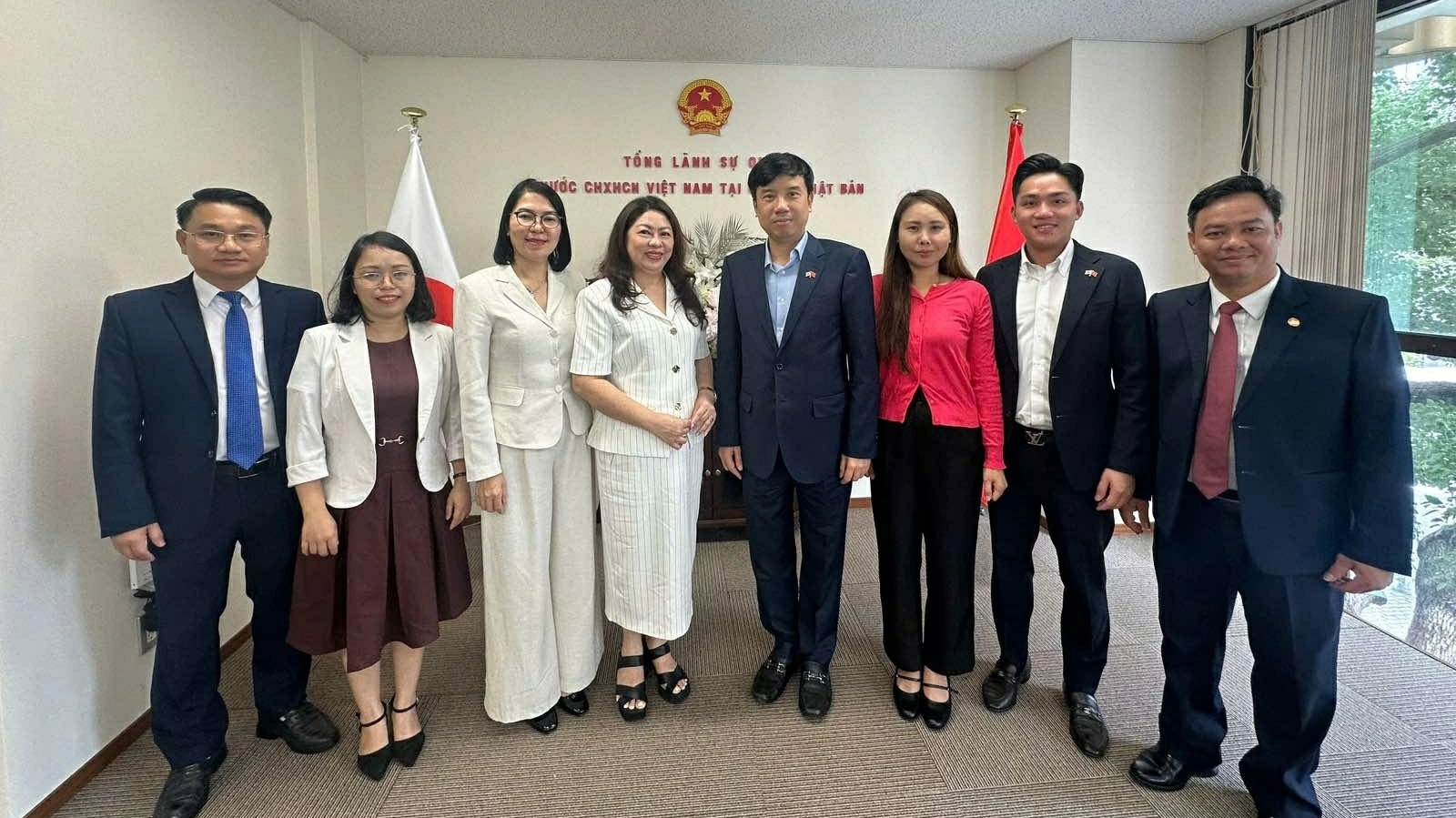
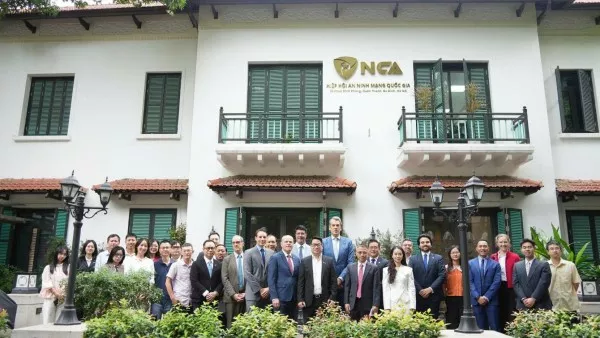
| Delegates take a group photo at the opening of the workshop. (Source: Organizing Committee) |
The workshop has the participation of representatives from ministries, sectors, and enterprises operating in the fields of diplomacy, information technology, and cybersecurity. It was organized to enhance policy-making capacity in cyber diplomacy and technology, international law, and norms of conduct in cyberspace, as well as governance models and cybersecurity policies of developed countries like Canada, the Netherlands, and the EU; and to enhance Vietnam's participation in regional and multilateral cooperation mechanisms on cybersecurity.
The workshop program was built upon the foundation of the Cyber Policy and Capacity Building Training Course organized by the Ministry of Foreign Affairs of Vietnam and the United Nations Institute for Disarmament Research (UNIDIR) in Hanoi, September 2026.
The opening session was attended by Mr. Chu Tuan Duc, Deputy Director General of the Department of International Law and Treaties (Ministry of Foreign Affairs); Mr. Vu Duy Hien, Deputy Secretary General and Chief of Office of the National Cybersecurity Association; Mr. Jim Nickel, Ambassador of Canada to Vietnam; Mr. Rick Slettenhaar, Deputy Chief of Mission, Embassy of the Netherlands in Vietnam; Mr. Rafael de Bustamante Tello, Deputy Head of the EU Delegation to Vietnam, along with international experts and representatives from ministries, sectors, and enterprises.
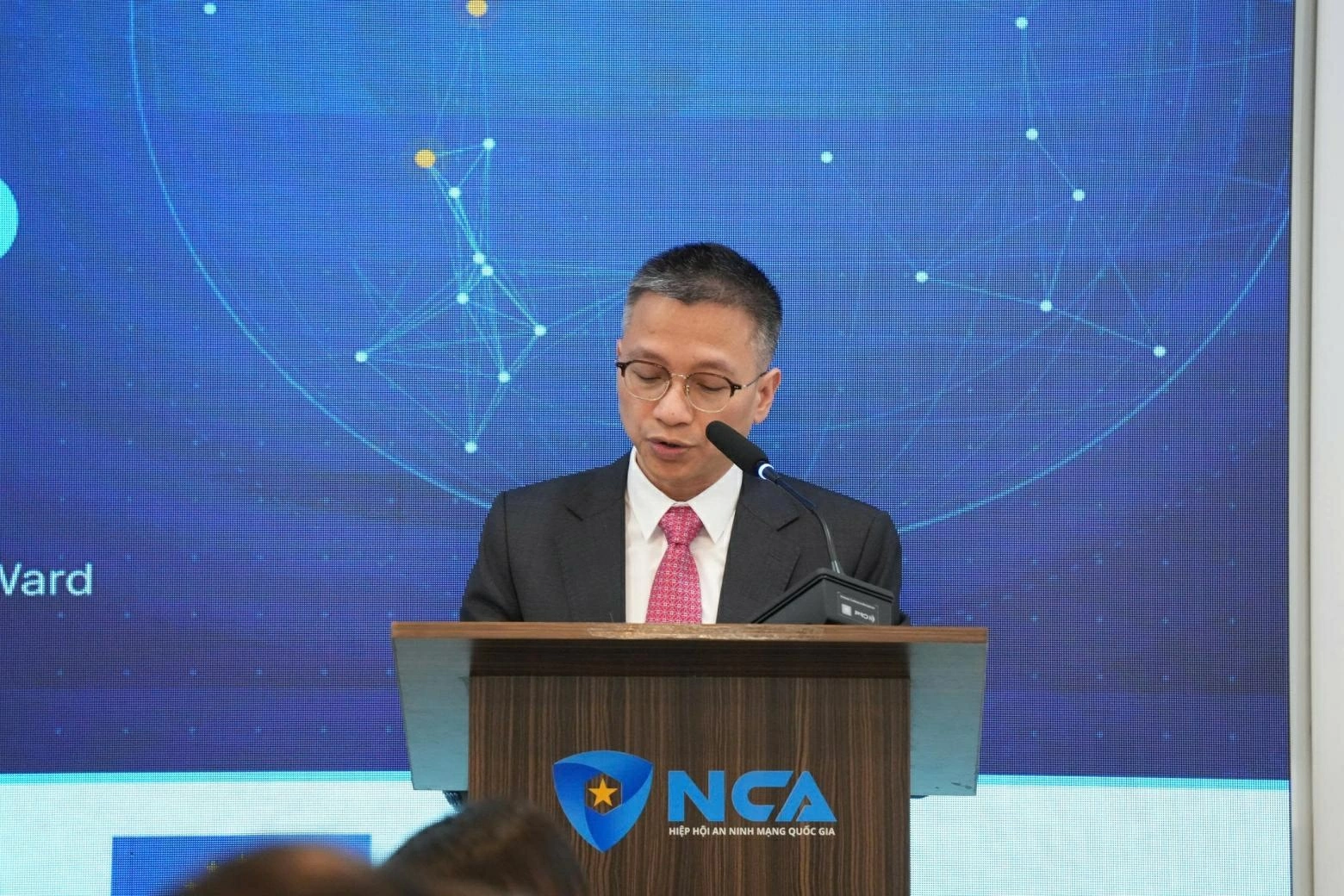 |
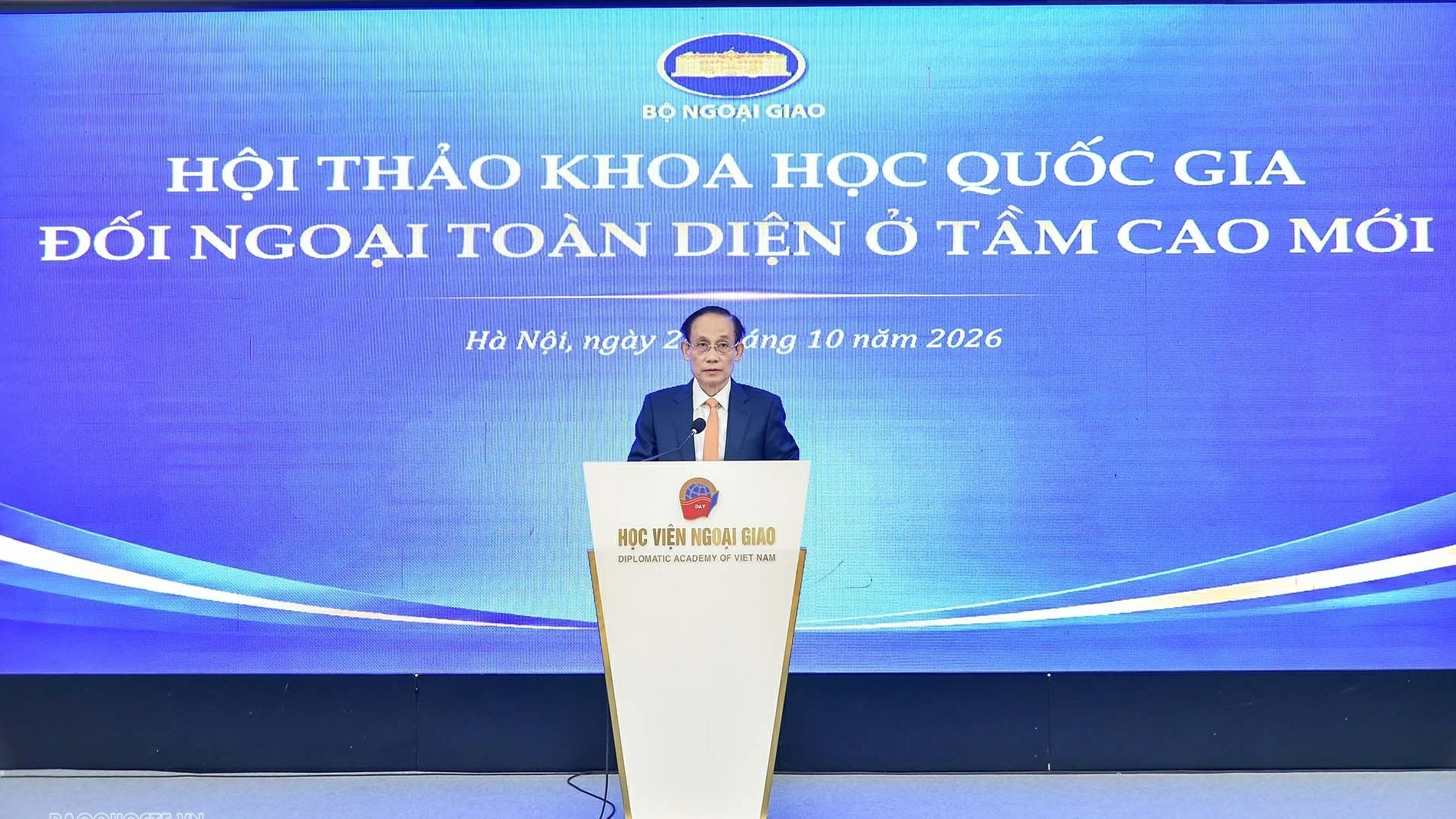
| Deputy Director General of the Department of International Law and Treaties Chu Tuan Duc delivers the opening speech. (Source: Organizing Committee) |
In his opening remarks, Mr. Chu Tuan Duc, Deputy Director General of the Department of International Law and Treaties, Ministry of Foreign Affairs, stressed that Vietnam is continuing to perfect its domestic legal framework on cybersecurity with new laws on cybersecurity, personal data protection, and artificial intelligence…
Vietnam is also actively participating in building a framework for responsible state conduct in cyberspace at ASEAN, the ASEAN Regional Forum (ARF), and United Nations processes, in the previous Open-ended Working Group (OEWG) mechanism and the current Global ICT Security Mechanism.
The Ministry of Foreign Affairs will continue to play a coordinating role, representing Vietnam at international diplomatic forums on cyberspace; developing a national stance on the application of international law in the cyber environment; leading timely diplomatic responses, and coordinating the handling of serious incidents to protect national interests while maintaining foreign relations.
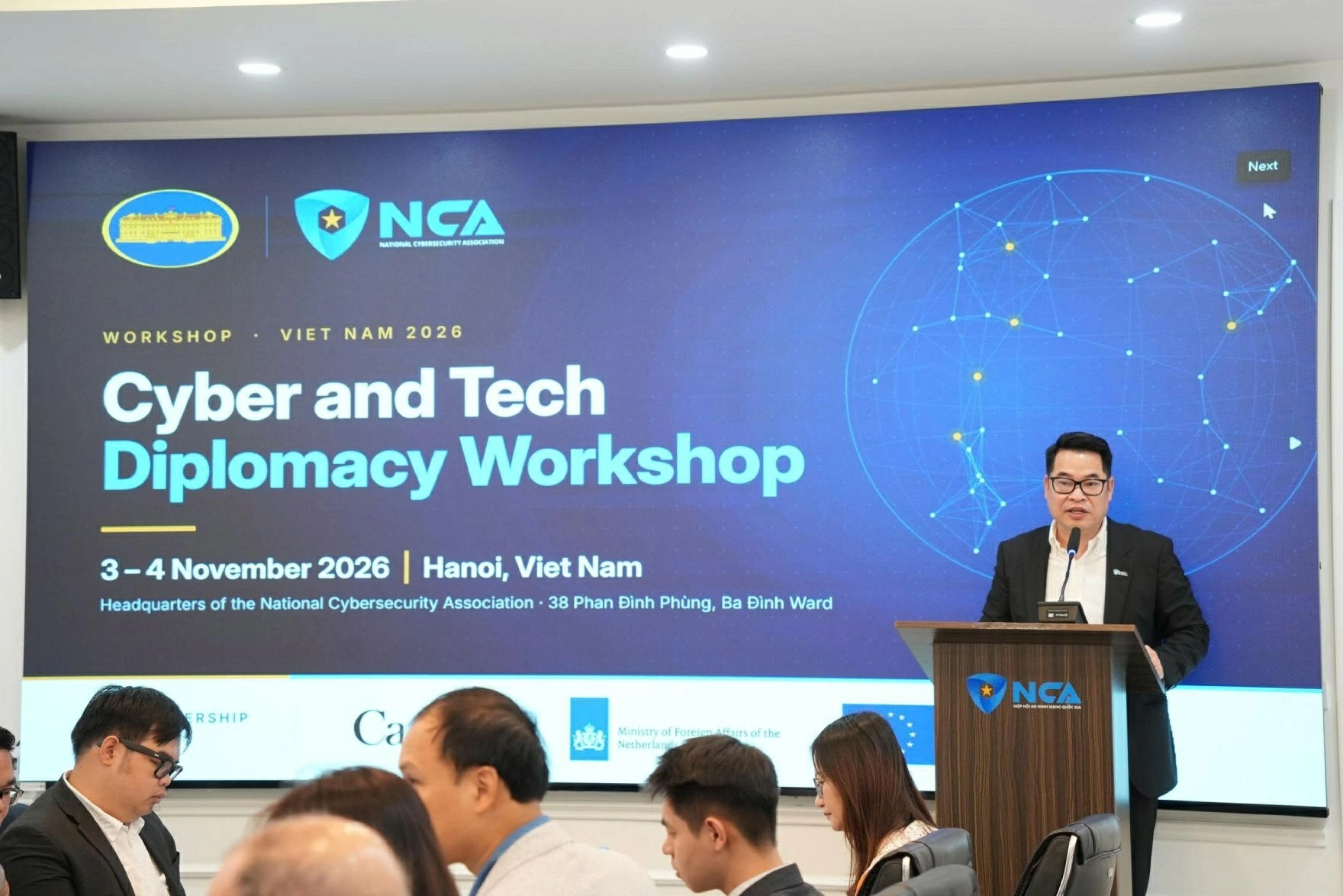 |
| Deputy Secretary General and Chief of Office of the Association Vu Duy Hien speaks at the workshop. (Source: Organizing Committee) |
On behalf of the National Cybersecurity Association, Mr. Vu Duy Hien, Deputy Secretary General and Chief of Office, praised the initiative of the Ministry of Foreign Affairs and its partners, emphasizing that the Association is ready to be a bridge between state management agencies, the expert community, research organizations, and domestic enterprises with international partners towards a safe, responsible, and inclusive digital environment.
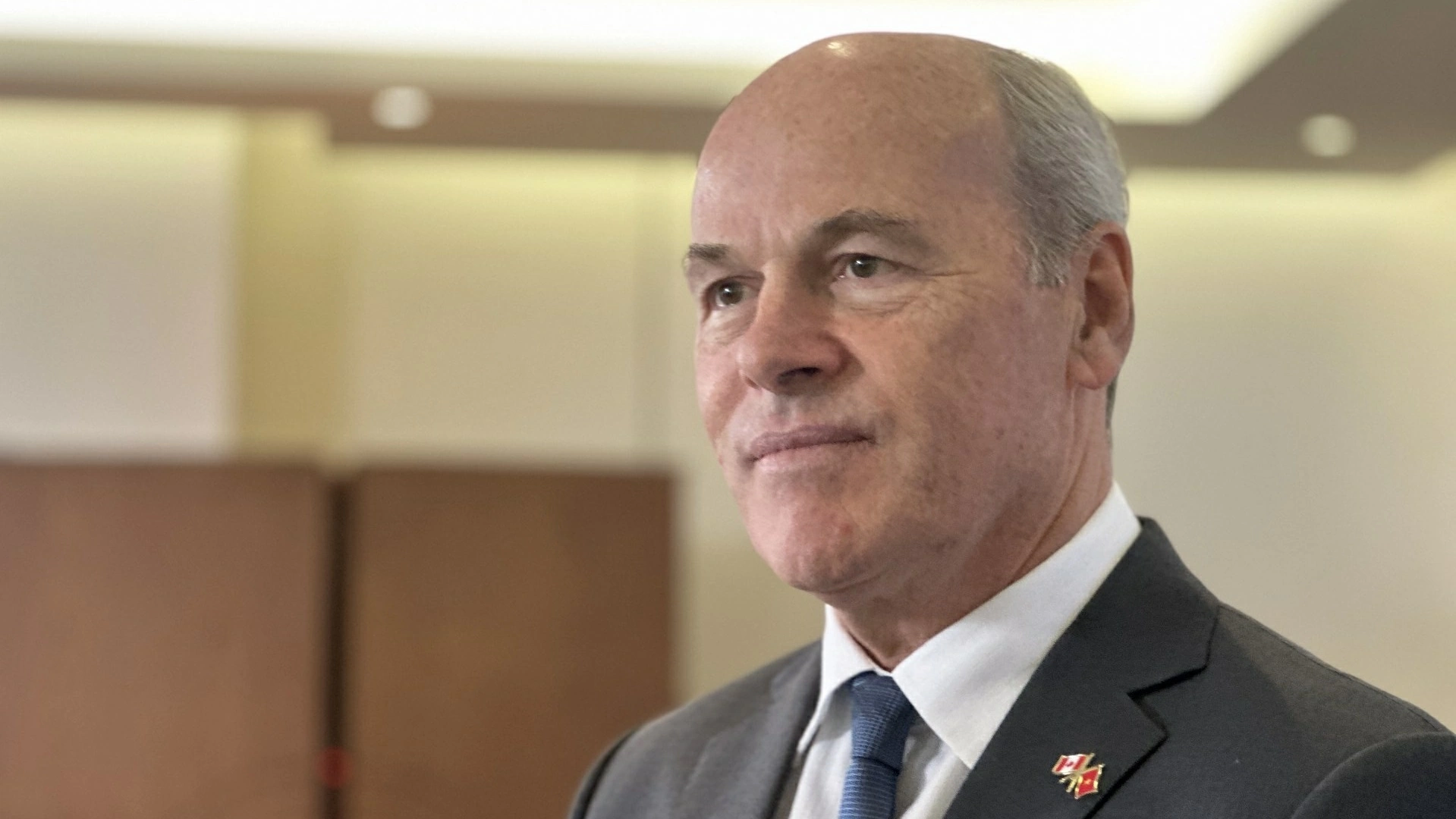
Sharing the Ministry of Foreign Affairs' assessment, Canadian Ambassador Jim Nickel noted that cyberspace and digital technology have become foreign policy issues, where the Ministry of Foreign Affairs has a unique role in interagency coordination, building trust with partners, and representing the national stance.
Deputy Head of the EU Delegation Rafael de Bustamante Tello stated that cybersecurity and combating cybercrime are areas of cooperation within the framework of the EU-Vietnam Comprehensive Strategic Partnership since January 2026, and the EU is ready to share experiences through the ESIWA project.
Deputy Chief of Mission of the Netherlands Rick Slettenhaar emphasised that trust is the core of cyber diplomacy and that reliable communication channels between nations need to be built before crises occur.
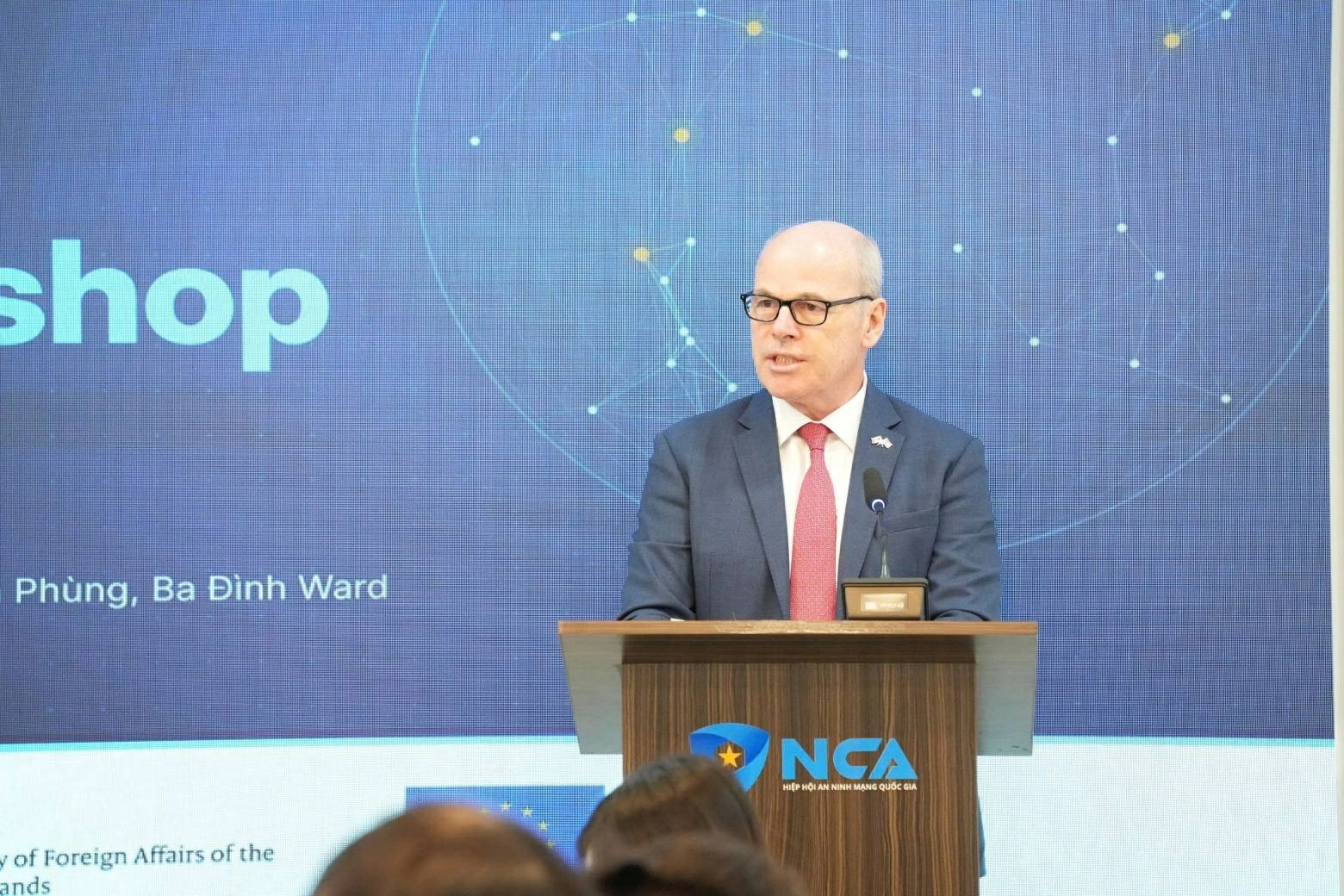 |
| Canadian Ambassador Jim Nickel speaks at the workshop. (Source: Organizing Committee) |
During the two-day event, leading international experts from the ESIWA Program, the EU Institute for Security Studies, La Trobe University (Australia), the Australian Strategic Policy Institute (ASPI), the S. Rajaratnam School of International Studies (RSIS, Singapore), and the Canadian Ministry of Foreign Affairs present on the national cybersecurity governance models of the Netherlands, Canada, and the EU, and provide an overview of Vietnam's cybersecurity policy; international law and norms in cyberspace; ASEAN's role in regional coordination; the development of national position papers on the application of international law in cyberspace and multilateral negotiations; ethics and safety of artificial intelligence, data protection, and digital trust.
Notably, delegates will participate in a simulated scenario of a nation-related cyberattack targeting critical information infrastructure to practice diplomatic response coordination based on the analysis of international norms and laws, determining national responsibility.
In recent times, Vietnam has made significant efforts to promote international cooperation in cyberspace. In October 2025, Vietnam successfully hosted the signing ceremony of the United Nations Convention against Cybercrime (Hanoi Convention) and became one of the first three countries in the world, and the first in Southeast Asia, to ratify this Convention.
Through cooperative activities with Canada, the Netherlands, the EU, and partners, Vietnam continues to enhance its participation and plays an active, responsible role in regional and multilateral processes on cyberspace and technology.