


AEF 2026: Vietnamese technology firms tackle digital transformation and green growth
WVR - The application of AI, blockchain and energy management technologies is opening up practical solutions to accelerate Vietnam’s digital transformation, enhance competitiveness and promote green growth.
Latest
On the occasion of the Autumn Economic Forum 2026 (AEF 2026), The World and Vietnam Report spoke with domestic technology firms about practical applications of innovative solutions to advance digital transformation, strengthen competitiveness and promote green development.
AI kiosks advance end-to-end online public services
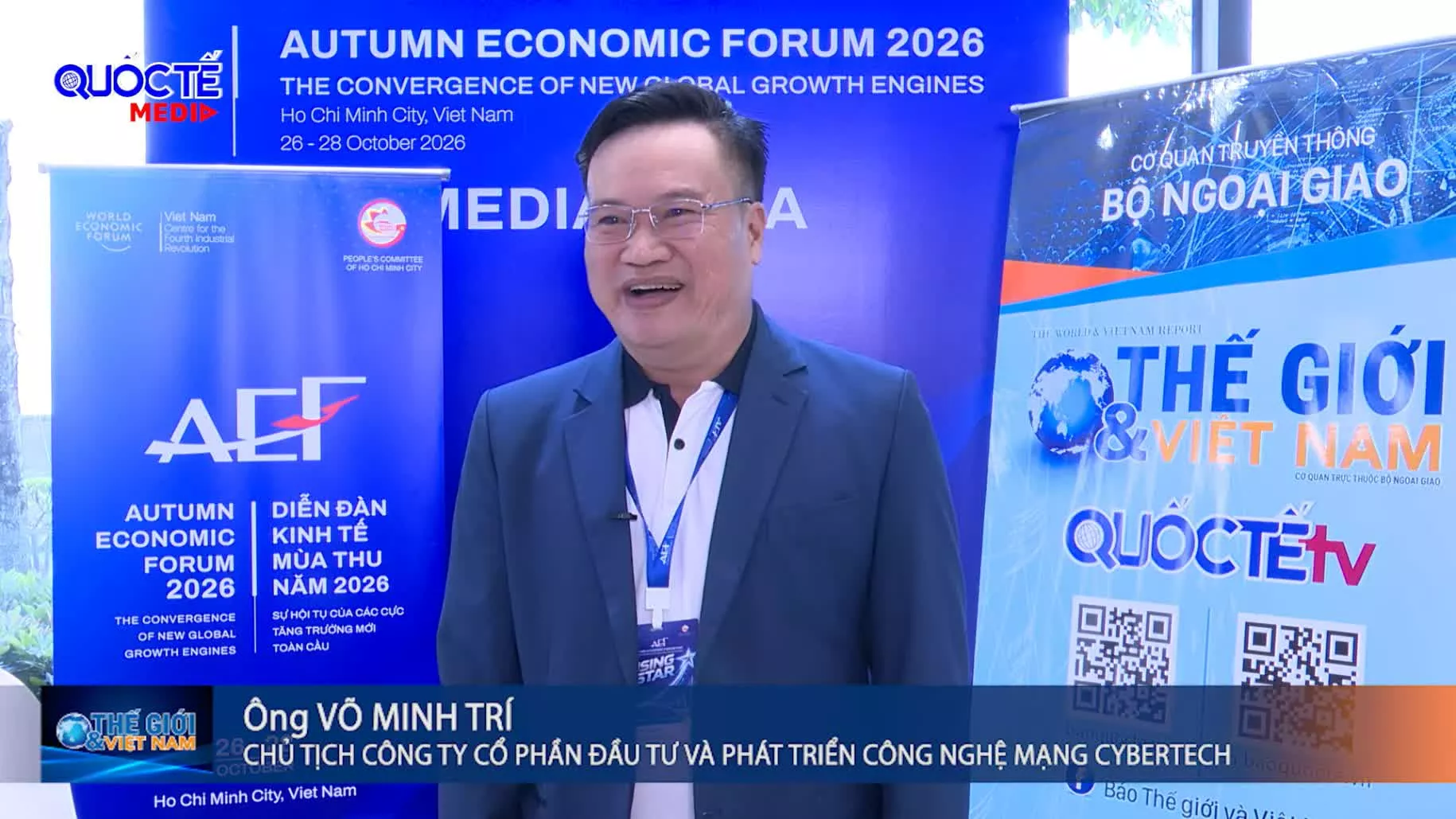 |
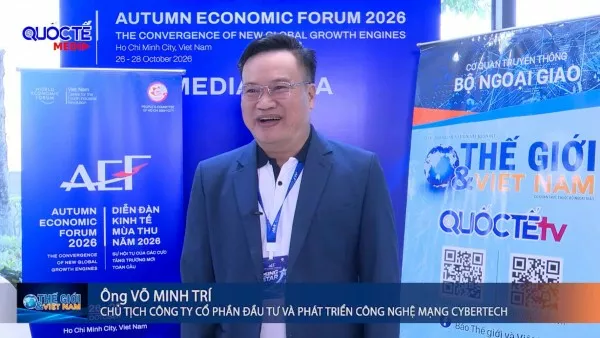
| Mr. Vo Minh Tri, Chairman of CyberTech Investment and Network Technology Development Joint Stock Company, introduces an AI kiosk solution supporting end-to-end online administrative procedures. (Photo: Thanh Long) |
Mr. Vo Minh Tri, Chairman of CyberTech Investment and Network Technology Development Joint Stock Company, said the company was developing an AI kiosk solution to help citizens complete administrative procedures entirely online, contributing to administrative reform and improved public service delivery.
By combining artificial intelligence (AI) with natural voice interaction, the system guides users through the entire process, from preparing and submitting applications to receiving appointment slips and tracking the progress of their cases.
According to the CyberTech chairman, the company has deployed and completed acceptance procedures for more than 300 products nationwide, including service points in Dien Bien, a mountainous province with a large ethnic minority population.
Notably, the technology can recognise and process Vietnamese speech across regional accents, enabling citizens to interact with the system in natural language and reducing the complexity of completing online procedures.
By catering to a wide range of users, the solution helps narrow the digital divide, particularly in areas and among population groups that face difficulties accessing online public services.
Mr. Vo Minh Tri also noted that Government Decree No. 309/2026/ND-CP provides an additional basis for encouraging the deployment of AI kiosks in residential areas, community centres and neighbourhood-level residential groups, allowing citizens to access public services conveniently, 24 hours a day, seven days a week.
The model aims to facilitate administrative procedures without geographical constraints or face-to-face contact, thereby enhancing transparency and the effectiveness of public service delivery.
Alongside improving administrative efficiency, AI kiosks also support green transition objectives through electronic forms that allow citizens to enter information by voice and submit applications online, reducing the need to print and store paper documents.
Blockchain strengthens the competitiveness of Vietnamese agricultural products
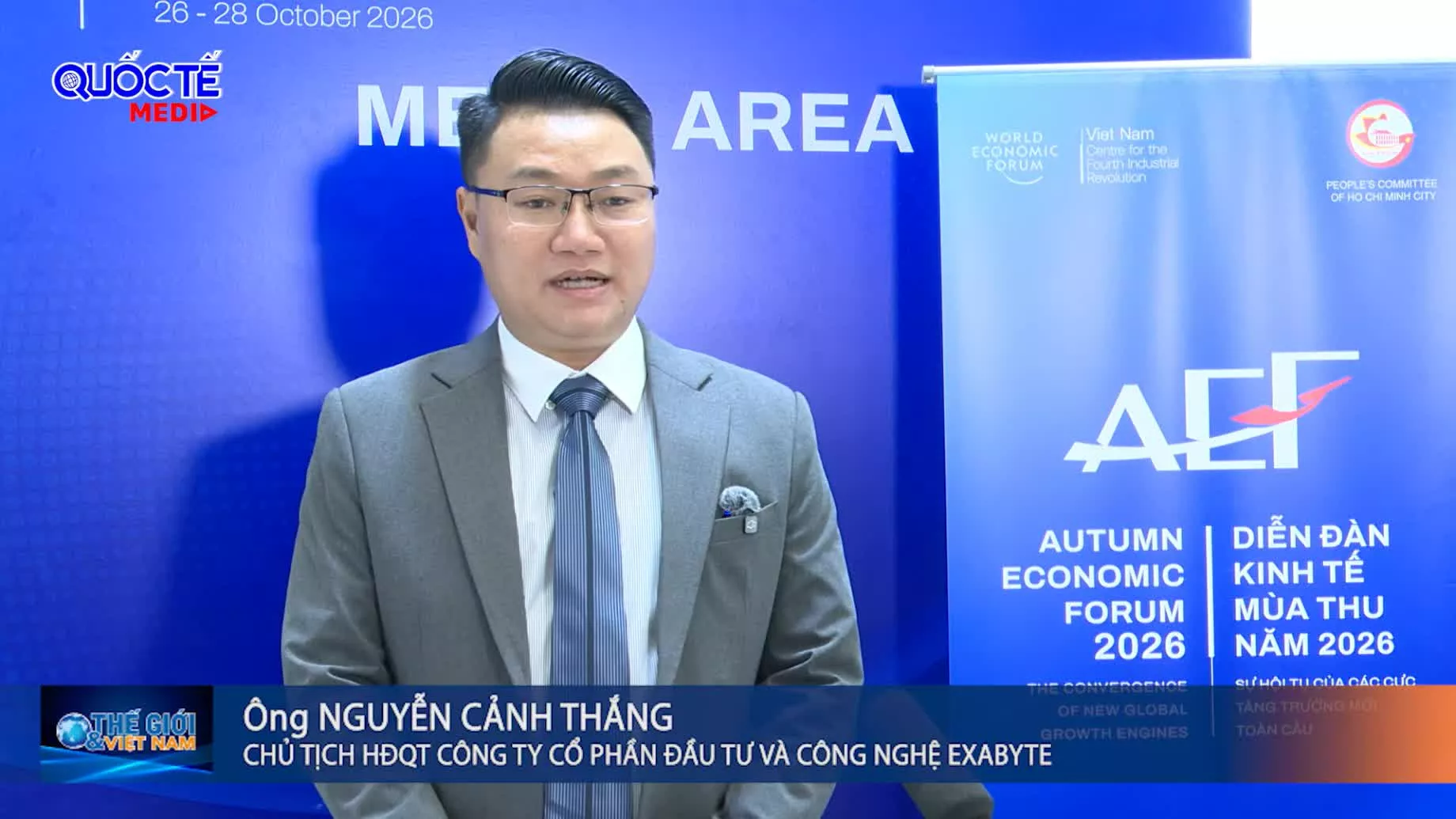 |
| Mr. Nguyen Canh Thang, Chairman of the Board of Directors of SBY Investment and Technology Joint Stock Company, discusses the use of blockchain for agricultural traceability and enhancing the competitiveness of Vietnamese products. (Photo: Thanh Long) |
According to Mr. Nguyen Canh Thang, Chairman of the Board of Directors of SBY Investment and Technology Joint Stock Company, blockchain offers significant potential to improve transparency in product traceability, thereby strengthening the competitiveness of Vietnamese agricultural products in international markets.
Mr. Nguyen Canh Thang said SBY was among the pioneering enterprises applying technology in line with Resolution No. 57-NQ/TW on breakthroughs in science and technology development, innovation and national digital transformation, under the direction of General Secretary and State President To Lam.
The company owns a Layer 1 blockchain platform developed by Vietnamese information technology engineers. This reflects the ambition to master core technologies and harness domestic innovation in line with the “Make in Vietnam” approach.
Building on this capability, SBY is developing AgriChain, a platform powered by Layer 1 blockchain technology that records data throughout the production chain, from cultivation areas and farming activities to harvesting.
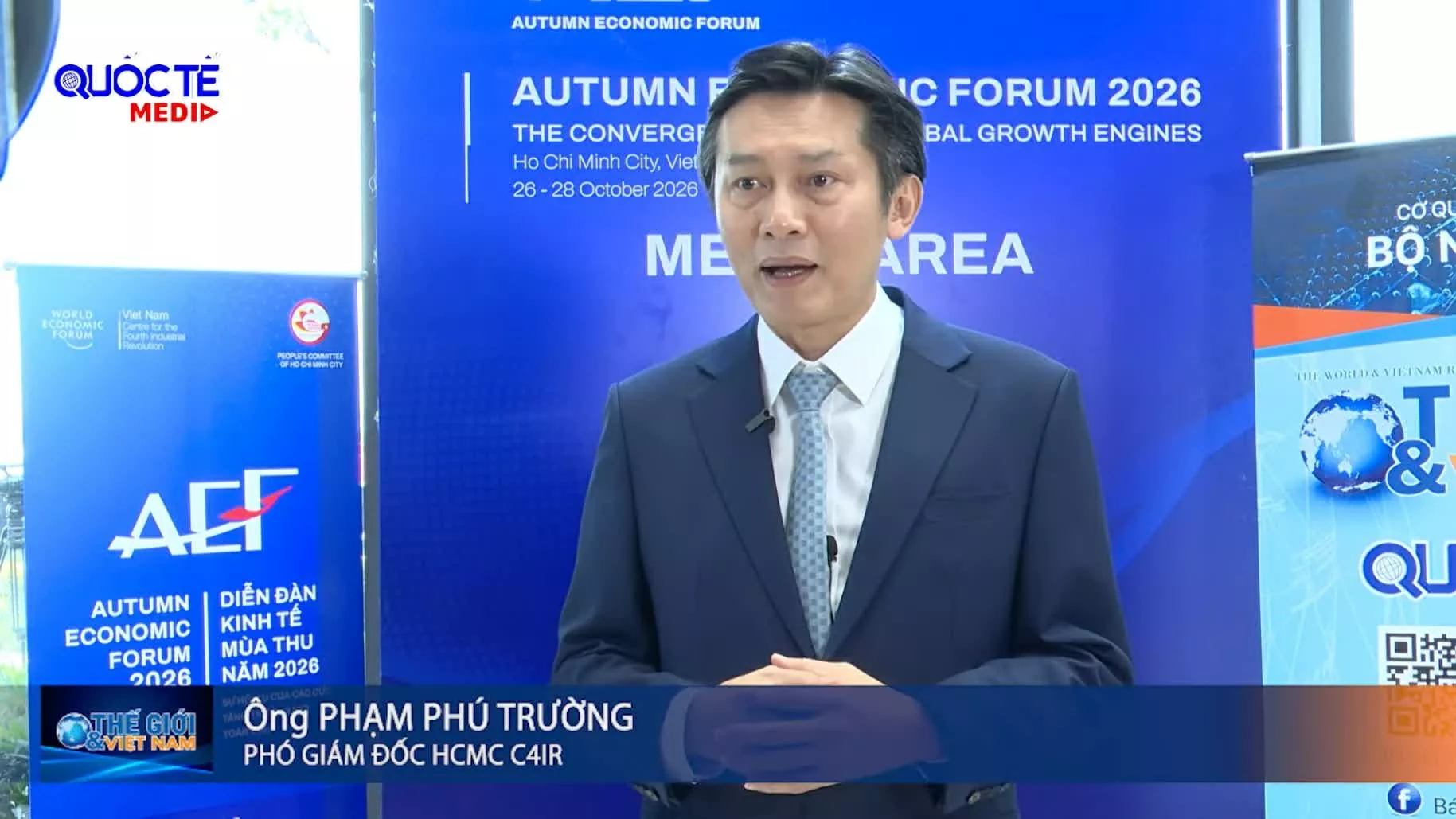
The platform was unveiled in Ho Chi Minh City on 21 March 2026, with the support of the Ho Chi Minh City Centre for the Fourth Industrial Revolution (HCMC C4IR) and in partnership with Sunwah and BIDV.
As Decree No. 372/2026/ND-CP on the identification, authentication and traceability of products and goods is scheduled to take effect on 1 January 2027, alongside the European Union’s (EU) requirements to combat deforestation under the EU Deforestation Regulation (EUDR), transparent data and precise identification of cultivation areas are becoming increasingly important for export products.
According to Mr. Nguyen Canh Thang, AgriChain is designed to identify cultivation areas, standardise data and maintain an updated record of changes on the blockchain, helping ensure transparency and the verifiability of information.
The company also plans to integrate Internet of Things (IoT) devices and AI cameras to strengthen monitoring and detect errors in data recording, thereby improving the reliability of information about production activities.
Using this technological platform, the company has implemented the solution through its BazanDa Coffee product and plans to expand its application to other commodities, including pepper, cashew nuts, durian and tea.
Rather than focusing on creating additional product brands to compete directly in the market, the SBY chairman emphasised the importance of leveraging technological strengths to connect growing areas, farmers, exporters and international partners, thereby generating greater value across the entire supply chain.
When effectively implemented, traceability solutions can help Vietnamese agricultural products meet the requirements of high-standard markets, increase product value, improve returns for producers and boost export growth.
Energy optimisation: The next step in the green transition
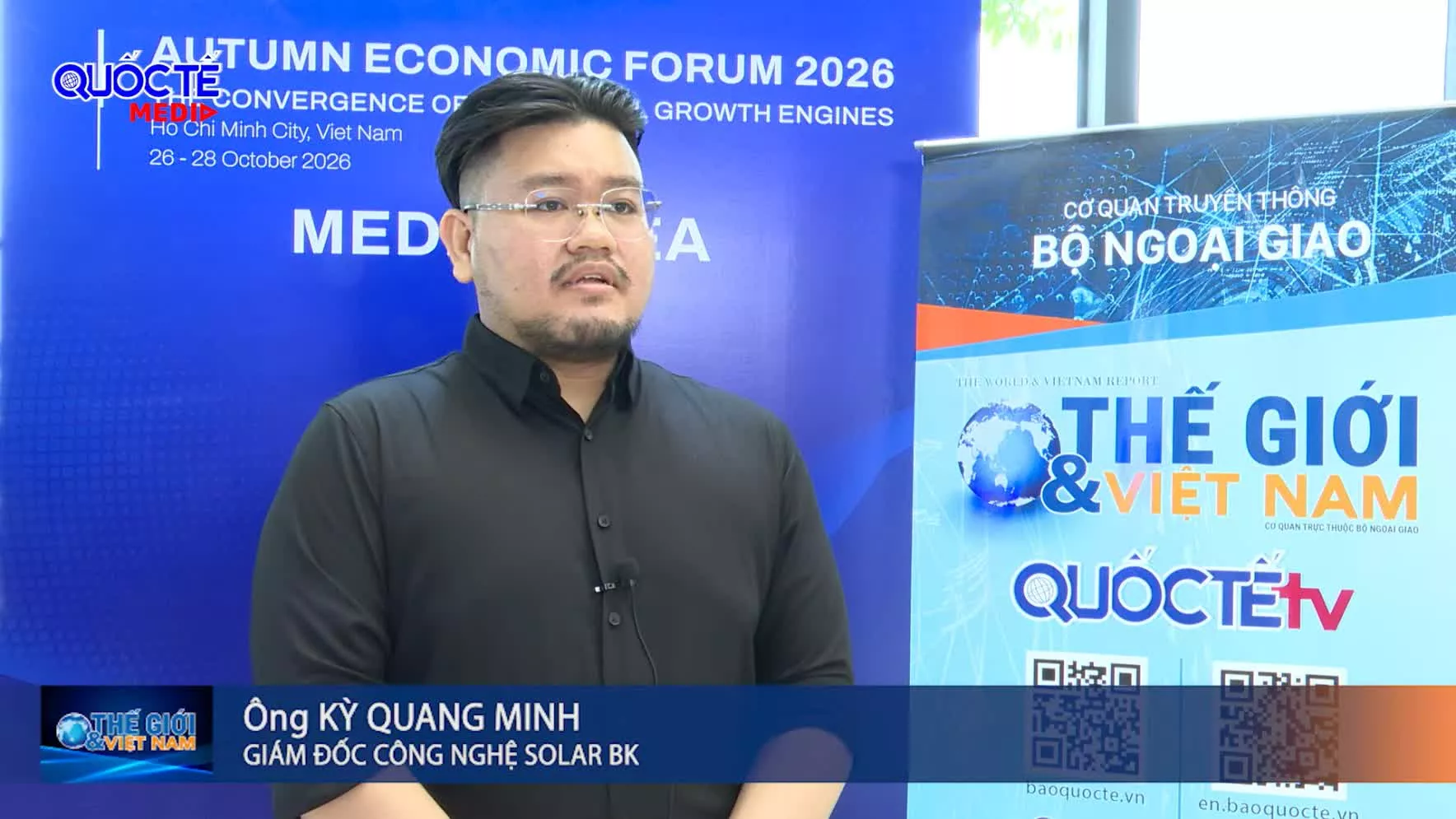 |
| Mr. Ky Quang Minh, Chief Technology Officer of SolarBK, discusses the role of energy management technology in optimising renewable electricity and promoting green growth. (Photo: Thanh Long) |
Addressing the challenge of balancing rising electricity demand with the goal of achieving net-zero emissions by 2050, Mr. Ky Quang Minh, Chief Technology Officer of SolarBK, said renewable energy development must go hand in hand with effective electricity management and optimisation.
According to Mr. Ky Quang Minh, solar and wind power generation fluctuates with natural conditions, while electricity consumption does not always coincide with the times when power is generated.
For example, solar power output can peak around midday. However, electricity demand in some areas may decline during the same period, creating challenges in balancing supply and demand.
Therefore, alongside expanding renewable energy capacity, effective data management and electricity coordination solutions are needed throughout daily operations.
These solutions should focus on optimising the timing of electricity consumption, managing surplus power and maximising the role of energy storage technologies.
According to SolarBK’s Chief Technology Officer, this approach is essential to improving the utilisation of clean energy sources in which investment has already been made, rather than focusing solely on increasing generation capacity.
Regarding rooftop solar power, Mr. Ky Quang Minh noted that community participation could provide additional momentum for the energy transition.
SolarBK’s IREX solution aims to build a green community and encourage households and localities to participate in the energy transition.
This approach combines technological applications with efforts to encourage community engagement. When benefits are clearly demonstrated and appropriate incentives are in place, the energy transition can spread from individual rooftops to the wider community.
From AI and blockchain to energy management technologies, innovation is helping address practical economic challenges, ranging from administrative reform and increasing product value to improving resource efficiency.
To realise this potential, technological solutions must be translated into practical applications, with wider access and benefits for citizens and businesses. This will help advance digital and green transitions while improving the quality of Vietnam’s economic growth.