





Innovating people-to-people diplomacy to enhance the comprehensive strength of Vietnam's diplomacy
WVR - As the country enters a new era of development, innovating people-to-people diplomacy aims to fully harness the strength of the people, the great national unity, and the power of the times, thereby contributing to the comprehensive strength of Vietnam's diplomacy.
Latest
Throughout the history of nation-building and safeguarding, the Vietnamese people have always valued peace, humanity, sincerity, loyalty, and trust as the foundation in relations with other nations.
The spirit of “using great justice to defeat cruelty, using humanity to replace tyranny” summarized by Nguyen Trai, along with Ho Chi Minh's diplomatic philosophy of “more friends, fewer enemies,” has forged a unique diplomatic approach in which the relationship between the Vietnamese people and the peoples of other countries plays a particularly important role.
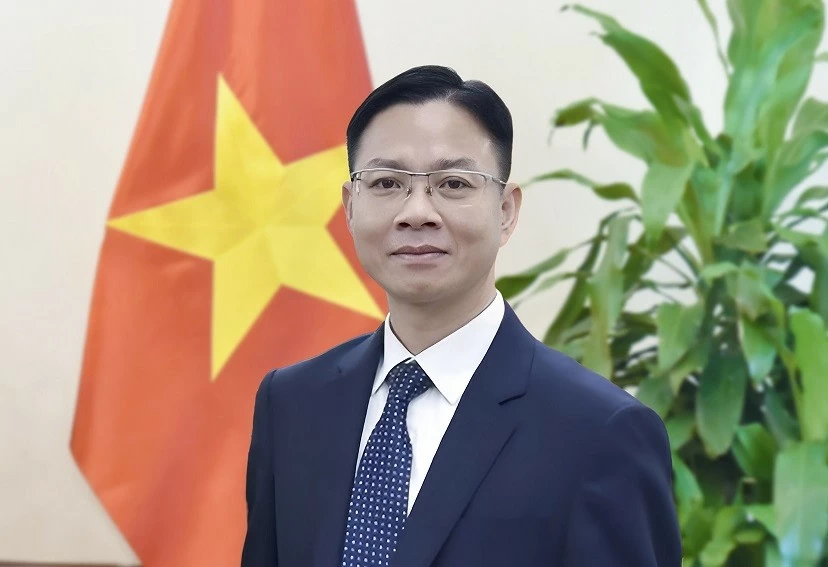 |
| Deputy Minister of Foreign Affairs Ngo Le Van. (Photo: Chu Van) |
Throughout revolutionary periods, people-to-people diplomacy has contributed to garnering international support for the struggle for national liberation and reunification; simultaneously participating in healing the wounds of war, breaking the siege and embargo, paving the way for the normalization of relations with other countries, and deep international integration.
The 14th National Party Congress has opened a new development phase for the country with a long-term vision, clear objectives, and high political determination, laying the foundation for the country to advance strongly and steadily in the era of national resurgence. In this context, people's diplomacy continues to play its role as one of the three pillars of Vietnam's comprehensive and modern diplomacy, alongside Party diplomacy and State diplomacy.
With advantages in widespread partnerships, flexible and close forms, people-to-people diplomacy has contributed to strengthening the social foundation of Vietnam's relations with other countries; enhancing understanding and trust; mobilizing international resources for development; promoting the image of Vietnam and its people; and participating in protecting national interests from an early stage and from afar.
The irreplaceable value of people-to-people diplomacy lies in its ability to reach places where official diplomacy finds it difficult to access, speaking the language of the people and building trust from the grassroots – a social foundation that no state relationship can sustain without.
As the country enters a new era of development, innovating people-to-people diplomacy is not only driven by the rapid and complex changes in the international situation but also by the internal demand to more fully harness the strength of the people, the great national unity, and the power of the times, thereby contributing to the comprehensive strength of Vietnam's diplomacy.
The unique strength of people-to-people diplomacy
People-to-people diplomacy is implemented by the Vietnam Fatherland Front, political-social organizations, the Vietnam Union of Friendship Organizations, people's organizations, localities, businesses, intellectuals, artists, religious dignitaries, the overseas Vietnamese community, and all classes of people, under the leadership of the Party and the unified management of the State.
Broad subjects, diverse partners, rich content, and flexible methods are characteristics and unique advantages of people's diplomacy.
If Party diplomacy sets strategic directions and builds political foundations; State diplomacy implements foreign policy through official relations between Vietnam and other countries, then people-to-people diplomacy delves into social strata, communities, and specific individuals.
Through friendship associations, exchange programs, cooperation between political-social organizations, social organizations, businesses, universities, research institutes, etc., people's diplomacy creates close and enduring connections between the Vietnamese people and international friends.
The strength of people-to-people diplomacy is primarily the strength of trust. Relations between nations are truly sustainable when supported by the understanding, goodwill, and support of the people. The flexibility of the people's channel allows access to many social forces, open exchanges on differing issues, conveying Vietnam's message in a friendly manner, and capturing public opinion to serve research and advice.
Every citizen is a diplomatic channel, every organization, locality, business, and every Vietnamese person at home and abroad can become an "ambassador," contributing to spreading the image of a peaceful, friendly, dynamic, and culturally rich Vietnam.
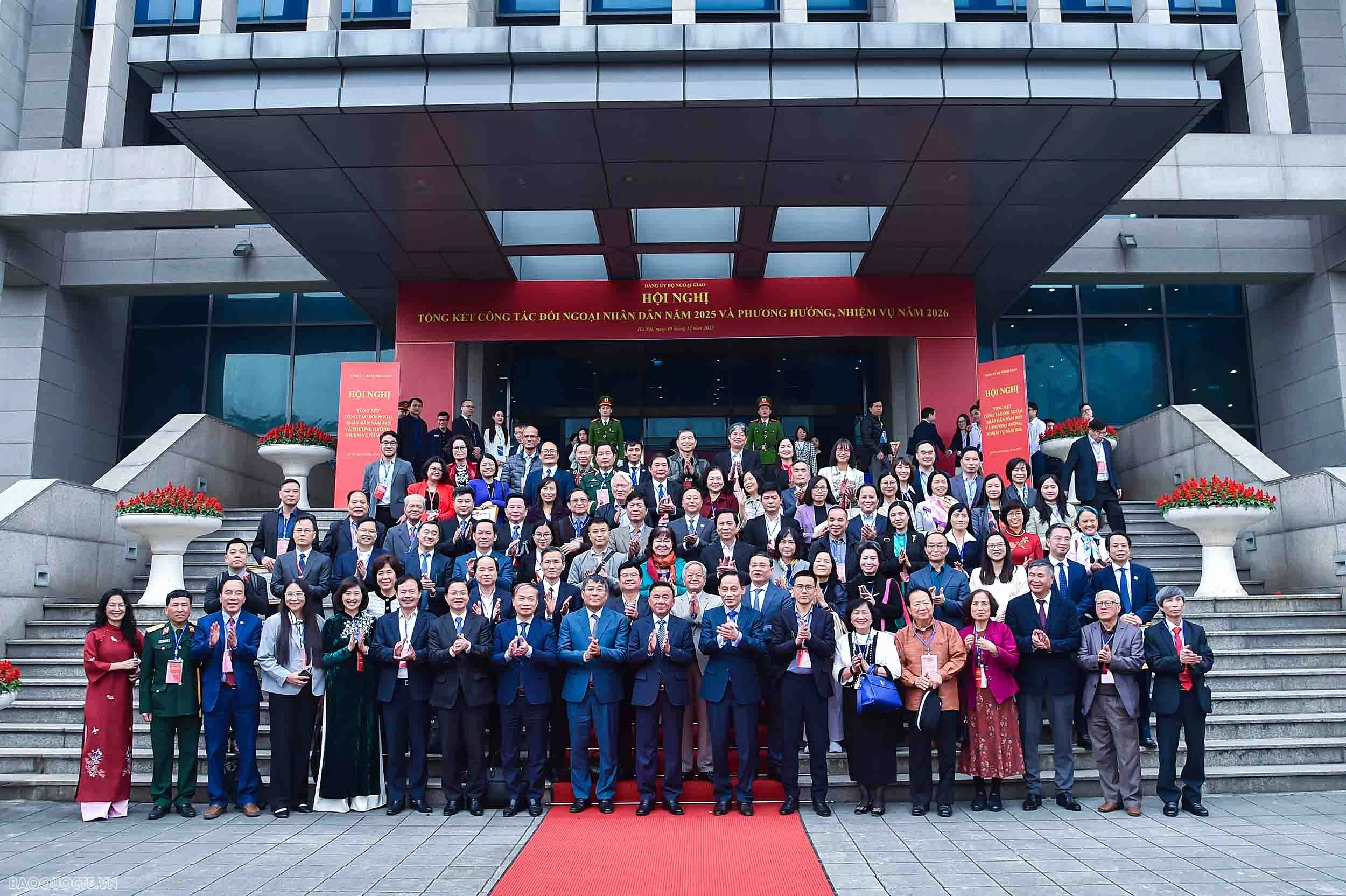 |
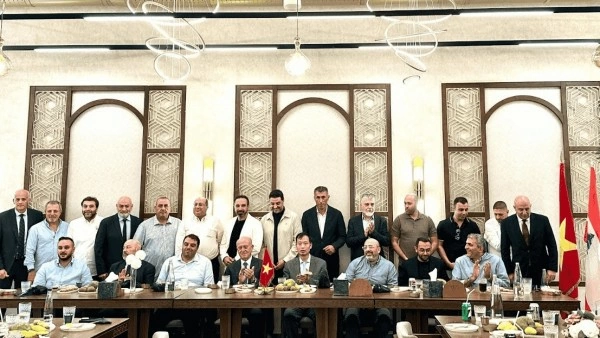
| Delegates attending the Conference on Summarizing People's Diplomacy Work in 2025 and Orienting Tasks for 2026. (Photo: Quang Hoa) |
Notable highlights in recent times
Under the comprehensive leadership and direction of the Party and the unified management of the State, the active participation of organizations, people-to-people diplomatic forces, and the guidance and coordination of the Ministry of Foreign Affairs, people-to-people diplomacy has undergone significant changes in awareness, content, and methods of operation.
Friendship and cooperation relations with other countries continue to be strengthened and expanded through the network of bilateral friendship associations and member organizations of the Vietnam Union of Friendship Organizations, contributing to deepening relations with neighboring countries, traditional friends, important partners, and the international community.
In addition to friendship exchange programs, many cooperation models associated with local connections, trade, tourism, education, culture, innovation, digital transformation, and environmental protection have emerged – bringing friendship relations into practical content with people's lives.
People-to-people diplomacy has increasingly closely coordinated with Party diplomacy and State diplomacy, contributing to the implementation of high-level diplomatic activities and established relationship frameworks.
Many friendship exchange programs, people's forums, youth, business, scholar activities, cultural activities, and local connections were organized before, during, and after high-level visits, contributing to creating a positive social atmosphere and concretizing the common perceptions of high-level leaders into cooperation programs close to the people.
Multilateral people's diplomatic activities have made new strides. Vietnamese people's organizations are increasingly proactive in participating in regional and international forums and networks on peace, sustainable development, labour, environment, climate change, human rights, and social issues; gradually shifting from attending meetings and exchanging information to contributing initiatives, advocating viewpoints, building networks, and participating in shaping discussion content. Through this, the voice of the Vietnamese people is more widely conveyed, contributing to enhancing the image of a positive and responsible Vietnam.
Efforts to mobilize international resources have achieved many practical results. Cooperation with foreign non-governmental organizations, funds, research institutes, universities, businesses, and expert networks has contributed to mobilizing resources for socio-economic development, especially in difficult areas.
International support not only brings material value but also contributes to the transfer of knowledge, experience, technology, and new approaches in healthcare, education, poverty reduction, environmental protection, disaster response, war aftermath remediation, and community development.
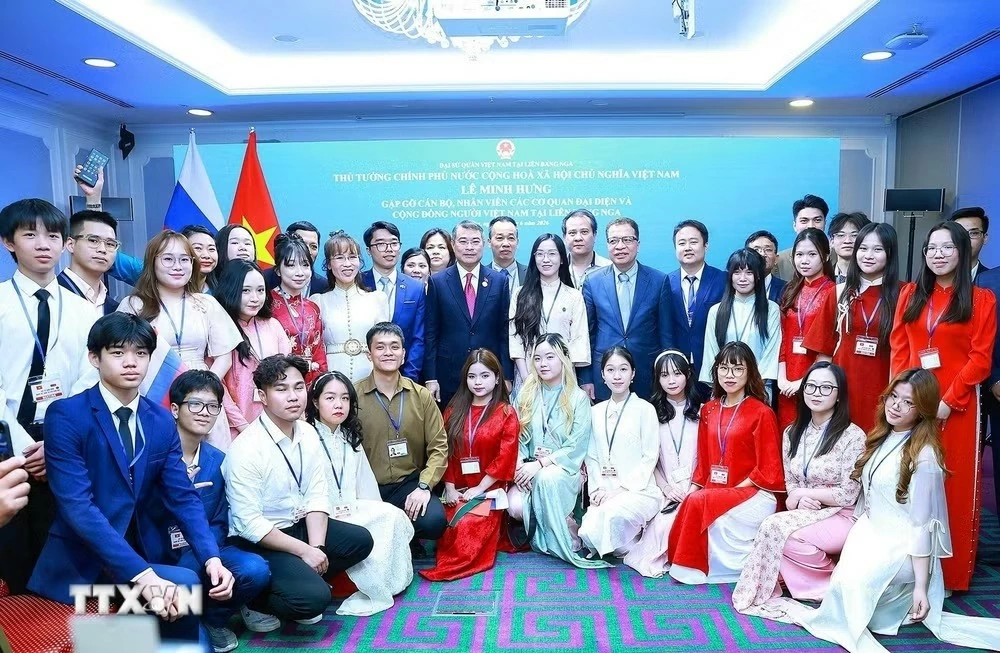 |
| Prime Minister Le Minh Hung with students and the Vietnamese community in the Russian Federation. (Source: VNA) |
External information work, cultural promotion, and the country's image are being implemented more creatively. Festivals, Vietnam cultural days, art, culinary, tourism exchange programs, exhibitions, knowledge competitions, and community connection activities have brought Vietnam closer to the international public.
Digital platforms and social networks are gradually being used to expand reach, increase interaction, and convey authentic, vivid stories about Vietnam's history, culture, people, and development achievements.
The overseas Vietnamese community continues to play its role as an inseparable part and an important resource of the Vietnamese national community.
With local understanding, professional capacity, relationship networks, and a deep attachment to the homeland, overseas Vietnamese have actively participated in promoting Vietnam's image, connecting cooperation, transferring knowledge, technology, investment, business, and contributing to nurturing friendship between Vietnam and the peoples of other countries.
These results show that people-to-people diplomacy is increasingly going beyond mere friendship exchanges, gradually becoming more closely linked with political, economic, cultural, scientific-technological, external information, and national interest protection tasks.
The need for innovation amid profound global changes
Alongside significant achievements, people-to-people diplomacy still faces many limitations, including specific ones that have become more apparent in the new context.
The linkage of friendship activities with development cooperation and resource mobilization is uneven; the partner network is not truly diverse, and the ability to access new forces – especially the younger generation, scholars, experts, and influencers abroad – is still limited.
The capacity for presence and leadership in the digital space is still thin, while this has become a crucial area for public opinion mobilization. The evaluation and measurement of effectiveness and the spread of activities are not yet systematic. Research, forecasting, database building, and the quality of personnel have not kept pace with requirements.
Meanwhile, the world situation is rapidly changing, complex, and unpredictable. Strategic competition is increasing; trends of polarization, fragmentation, protectionism, and xenophobia are evolving complexly. Many social, ethnic, religious, democratic, human rights, migration, and environmental issues risk being politicized.
Digital technology, artificial intelligence, and social networks profoundly change the way public opinion is influenced; information is transmitted quickly but also easily distorted and manipulated. This is both a challenge and a new opportunity: the people's channel, with its authenticity and closeness, has a unique advantage in building trust in the digital space – if it proactively presents, interacts, and leads instead of standing outside.
The requirement for rapid and sustainable national development places a more direct task on people-to-people diplomacy in mobilizing resources, knowledge, technology, markets, and international networks; building national soft power, enhancing self-reliance, resilience, and Vietnam's position.
Innovating people-to-people diplomacy must be carried out comprehensively in terms of thinking, content, forces, partners, and organizational methods. The focus is on shifting from activity-based implementation to strategic thinking; from reactive to proactive; from short-term to long-term; from isolated to systematic approaches; from emphasizing quantity to valuing quality, impact, and spread.
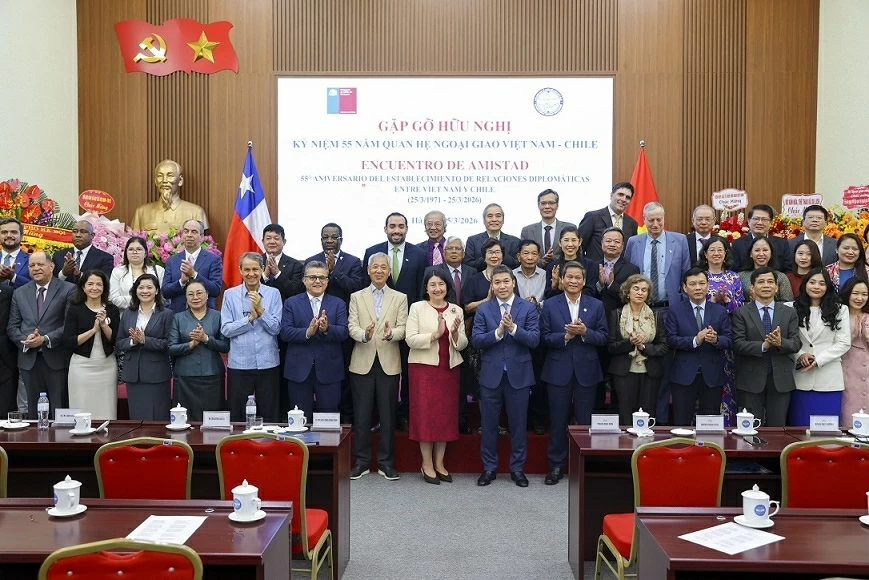 |
| Delegates attending the Friendship Meeting commemorating the 55th anniversary of Vietnam-Chile diplomatic relations. (Photo: Dinh Hoa) |
Strong innovation to harness the comprehensive strength of Vietnam's diplomacy
Firstly, continue to raise awareness and responsibility of the entire political system regarding people-to-people diplomacy. It is necessary to deeply understand that people-to-people diplomacy is a crucial and regular task of all agencies, organizations, localities, and classes of people. Party committees and organizations need to strengthen leadership and direction, incorporating people-to-people diplomacy into programs and work plans suitable to their functions, tasks, and practical conditions.
Secondly, clearly define priorities, linking people-to-people diplomacy with the country's strategic priorities. Activities must directly serve maintaining a peaceful and stable environment; protecting independence and sovereignty; promoting socio-economic development; enhancing Vietnam's international position and reputation. Friendship exchanges need to be linked with specific cooperation in economics, trade, investment, science and technology, innovation, digital transformation, education, culture, and green development.
Thirdly, build a multi-layered, multi-field, sustainable partner network; while enhancing the quality of participation in multilateral people's mechanisms. Besides consolidating relations with traditional organizations and friends, proactively approach new partners such as youth, scholars, scientists, experts, entrepreneurs, journalists, young parliamentarians, community leaders, and influencers in the digital space. At multilateral forums, Vietnamese people's organizations need to proactively propose initiatives, participate in agenda building, advocate for support for Vietnam's legitimate viewpoints and interests; gradually shift from "participating" to "contributing," from "contributing" to "creating."
Fourthly, create substantial breakthroughs in external information and digital diplomacy on the people's channel. Not only stopping at the requirement of multilingualism and multi-platform, it is necessary to shift to a proactive and organized approach: building and nurturing a network of scholars, experts, overseas Vietnamese, journalists, artists, and reputable individuals as the core to spread positive information; establish a quick response mechanism, promptly identifying and refuting false and distorted information; apply data analysis tools to capture public opinion trends, measure reach, and adjust content. Proactively designing messages suitable for each audience group, conveyed through authentic, vivid stories will help the country's image naturally and reliably appear in the digital space.
Fifthly, innovate evaluation work, considering measuring effectiveness as a mandatory step in the process. Gradually build criteria and databases to monitor, evaluate the impact and spread of people's diplomatic activities, replacing assessments that focus on quantity and form. Evaluation results must become the basis for advising policies, selecting partners, allocating resources, and replicating effective models – thereby ensuring the principle of valuing quality, impact, and spread is implemented in practice.
Sixthly, improve coordination mechanisms, ensuring the connection between Party diplomacy, State diplomacy, and people's diplomacy. The three pillars have different roles, methods, and strengths but are unified in the goal of protecting national interests, serving national development, and enhancing Vietnam's position. Coordination is needed from policy formulation, partner selection, activity organization to result evaluation; clearly define the content and forces of people's diplomacy participating in important diplomatic activities.
Innovating people-to-people diplomacy requires political determination, strategic thinking, comprehensive coordination, and the creative and proactive spirit of all levels, sectors, localities, and people's organizations. This is not merely about innovating the form of organizing activities, but more profoundly about innovating thinking and methods to maximize the effectiveness of people-to-people diplomacy. Amid a changing world, the immutable value of the people's channel remains trust and closeness between people.
Under the leadership of the Party and the unified management of the State, people-to-people diplomacy will continue to be a sustainable bridge of friendship, an important channel to gather resources, spread soft power, and protect national interests, contributing to the comprehensive strength of Vietnam's diplomacy in the new era of development.


