




Sao Mai Super Feed Also Carries Dreams
Sao Mai Super Feed: The latest signal from the seafood market has surprised many: pangasius products have officially appeared on the menu of the Kura Sushi chain in Japan.
Latest
Sao Mai Super Feed
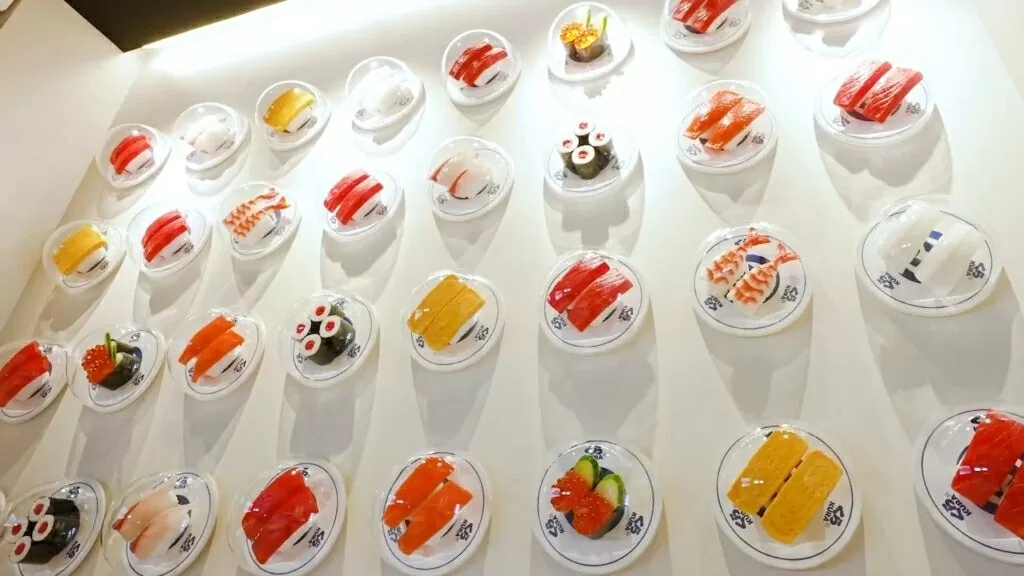 |
| Japan’s second-largest conveyor-belt sushi brand (Photo: Kura Sushi) |
This event is not only a commercial milestone. It raises a bigger question: can freshwater fish, at least pangasius, meet the quality standards people usually associate with marine fish? In principle, regarding food safety for dishes made with raw or nearly raw fish, international standards and regulatory guidelines (for example: FDA – USA) require parasite control procedures through freezing at specified temperature–time levels before serving. This does not distinguish between marine or freshwater fish: the issue lies in hazard control systems (HACCP), hygiene, cold chain, and certification.
Scientific evidence guaranteed
In the field of food science, assessments by EFSA (European Food Safety Authority) show no consistent difference in safety or nutritional value between farmed and wild-caught fish; the health benefits of fish consumption are clear, which places the focus on “farming properly” rather than the origin being saltwater or freshwater.
A point often doubted is that “river fish have a muddy/off taste, less clean.” Recent review documents indicate that off-flavours in freshwater fish are mainly caused by compounds such as geosmin or 2-MIB produced by algae and bacteria in the water; this can be controlled by pond environment management and appropriate nutrition. Aquaculture has made many advances in filtration and deodorisation technologies, which are much more effective than before.
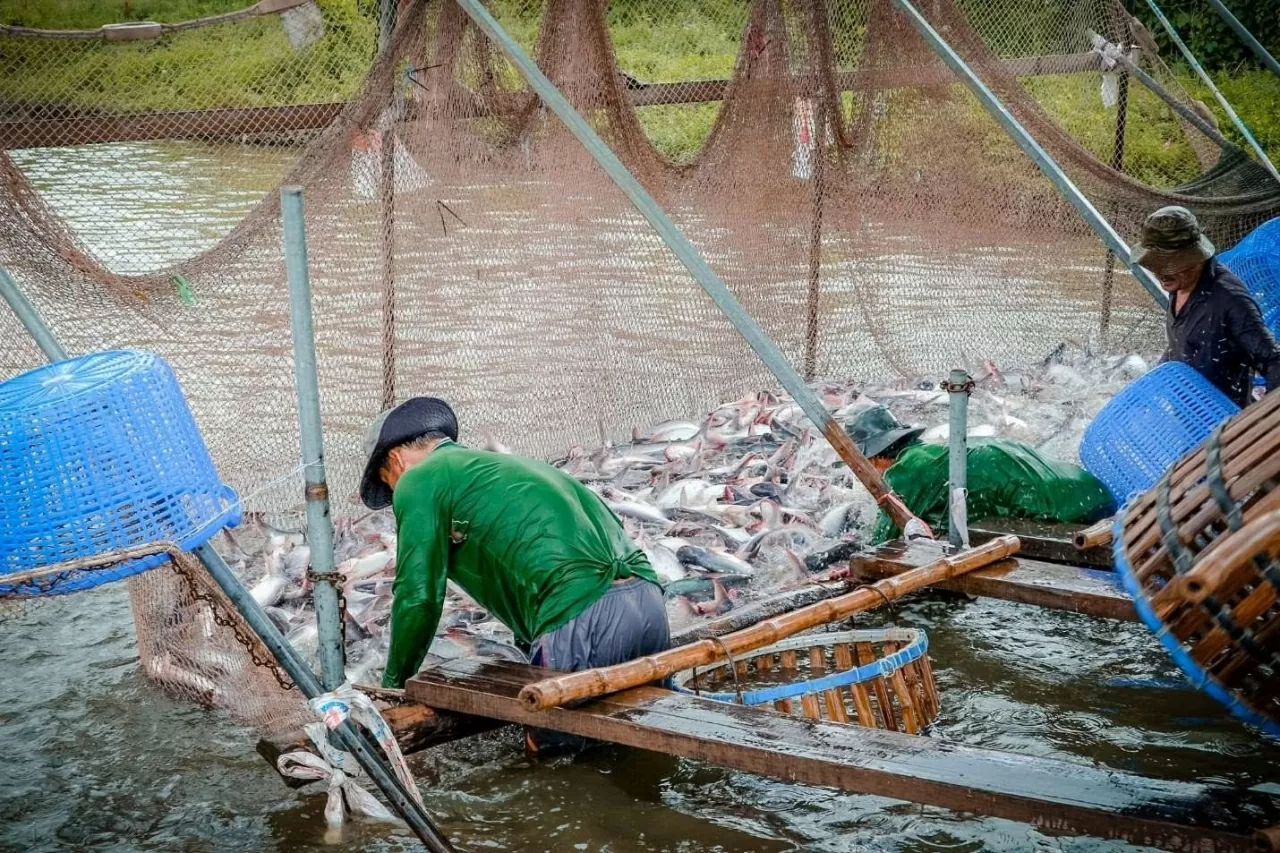 |
| Farming methods matter more than habitat. |
The key role of feed
If safety is the “passport” to enter premium markets, sensory quality, flesh colour, texture, and flavour determine the “seat at the sushi table.” Here, feed is the number one technical lever: many studies show that lipid sources and nutritional formulas directly affect fatty acid profiles, omega-3/omega-6 ratios, firmness, and water-holding capacity of flesh; in other words, “what is fed–what is eaten–what the flesh becomes” is a real and measurable mechanism.
This promises to create a boost for feed manufacturers such as Sao Mai Super Feed to gain more confidence in breakthroughs, as they own a large-scale, high-tech plant, pursuing a low FCR index (< 1.5), announcing their goal of producing white, low-fat flesh with optimal fillet yield.
This is not just a marketing declaration. These characteristics closely follow the scientific mechanisms mentioned above: nutrition, especially lipid sources, trace minerals, and functional additives, can, to some extent, “program” the sensory traits and structure of flesh, while reducing the risk of off-flavours when combined with advanced environmental techniques.
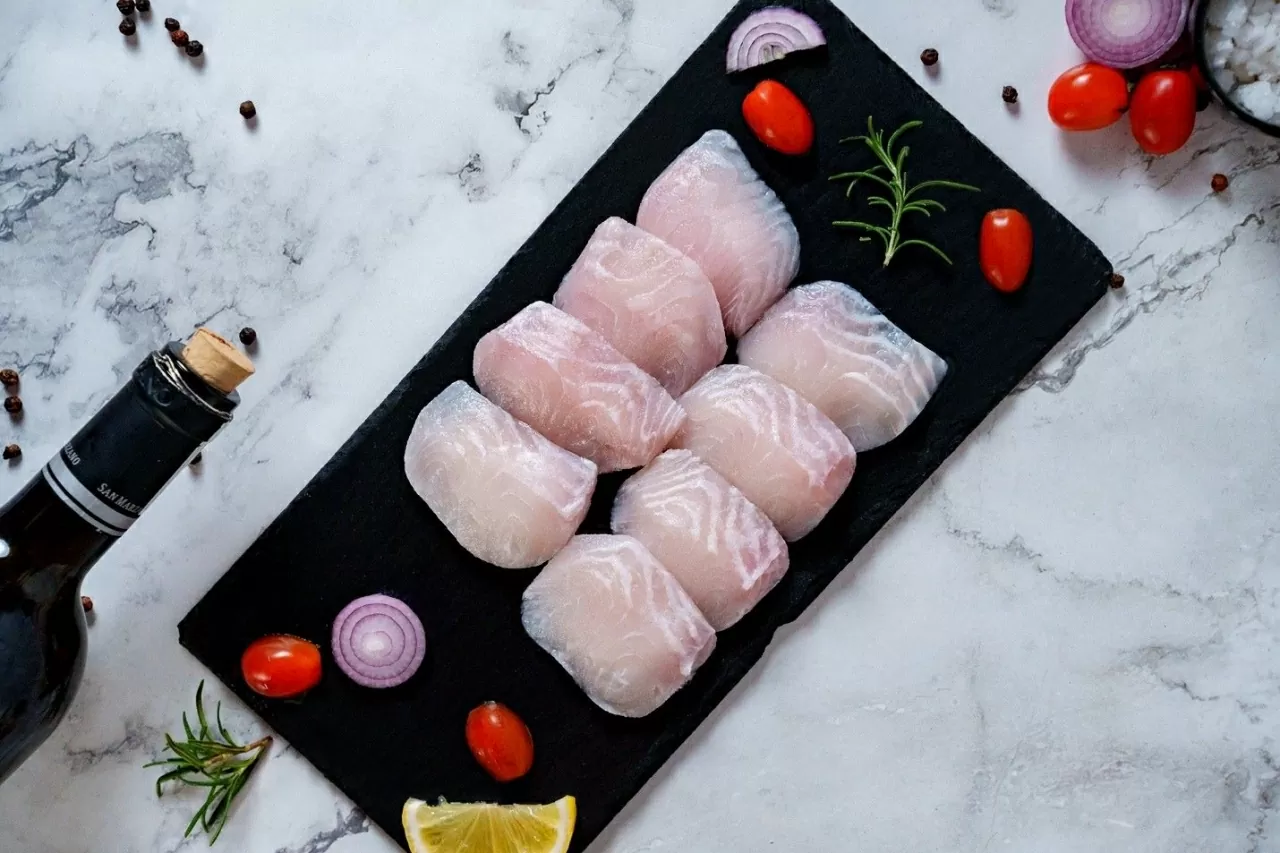 |
| Bright colours are no different from those of marine fish. |
From safety standards to culinary experience
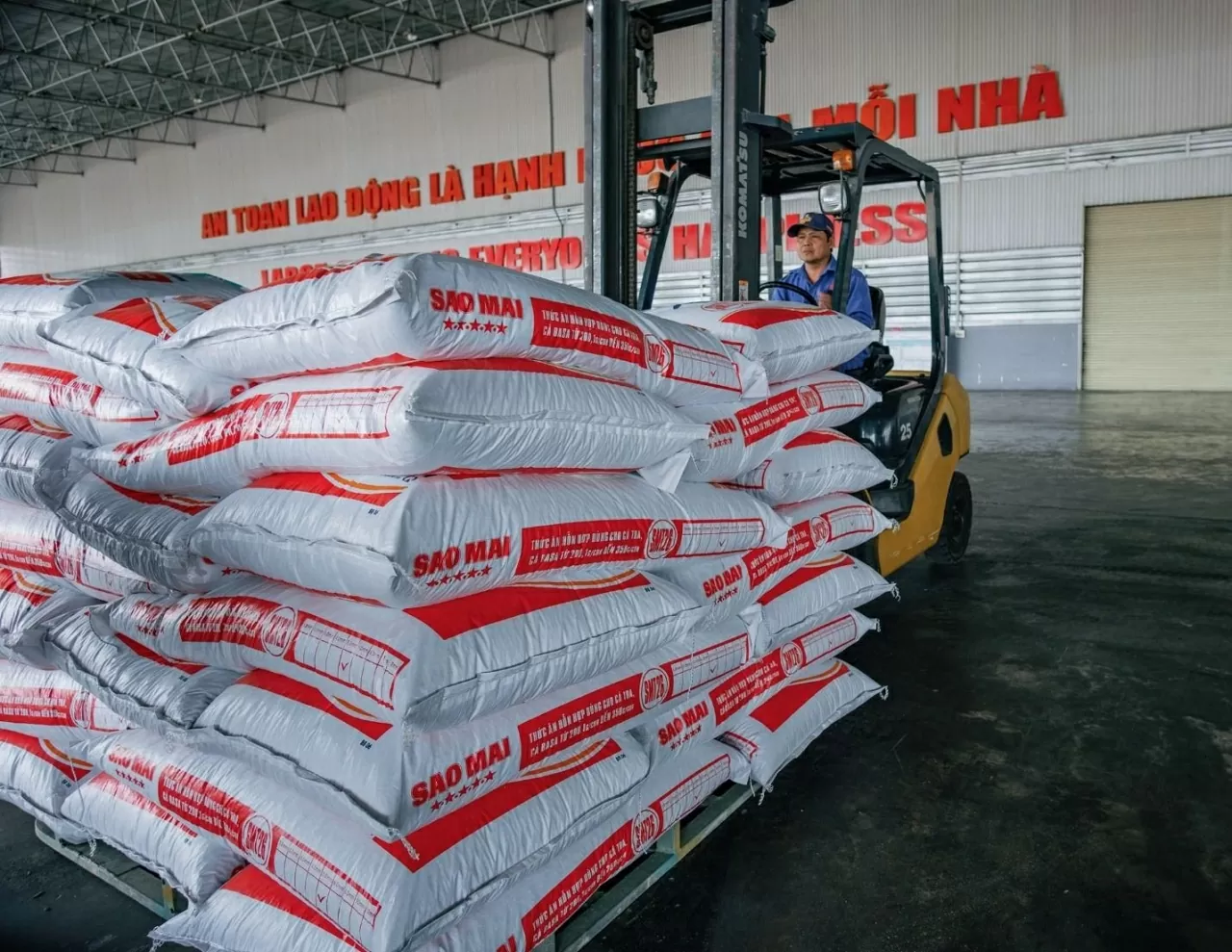 |
| Sao Mai Super Feed continually strives to deliver excellent products. |
FAO/GLOBEFISH assesses that Vietnam’s pangasius industry is growing, diversifying products and markets. In this context, successfully bringing pangasius to Kura Sushi’s conveyor belt is a strong test for the entire value chain: farm – factory – feed – logistics – retail must “lock hands” according to international standards, from freezing for parasite control to traceability, chemical–microbiological testing.
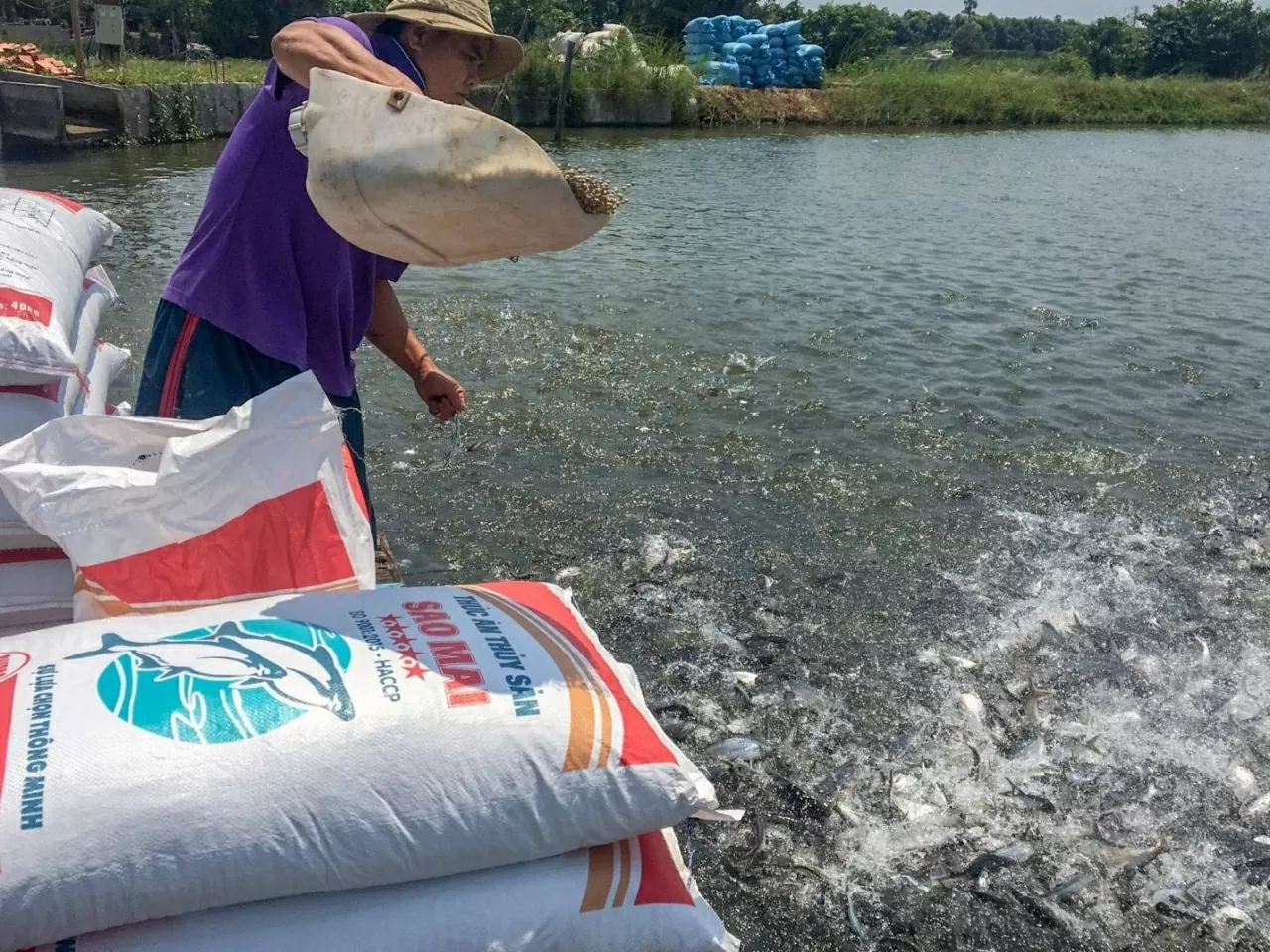 |
| Sao Mai Super Feed. |
Therefore, the role of enterprises like Sao Mai Super Feed is not merely about a few percentage points of productivity or cost: it is the “constitution” of quality that determines whether a pangasius fillet is pure enough, nutritionally balanced, and sensorially stable to pass one of the world’s most demanding “exams” in cuisine.
| Sao Mai Super Feed: The breakthrough mark Sao Mai Super Feed: Innovative technology is profoundly changing all aspects of socioeconomic life globally. As estimated, 70% of global GDP by 2030 will come ... |

| Product Specialization - Key to tourism development The Covid-19 pandemic has changed people's lives, including travel behavior. The number of historical and natural heritage sites can not meet tourists' increasing needs. Tourist ... |