


Opening doors for girls to pursue their dreams
WVR - Drawing on its experience working alongside girls in Vietnam, Ms. Pham Thu Ba, Country Director of Plan International Vietnam, emphasised the need to change the way development programmes are designed so that children and young people can play a deeper role in shaping solutions and their own futures.
Latest
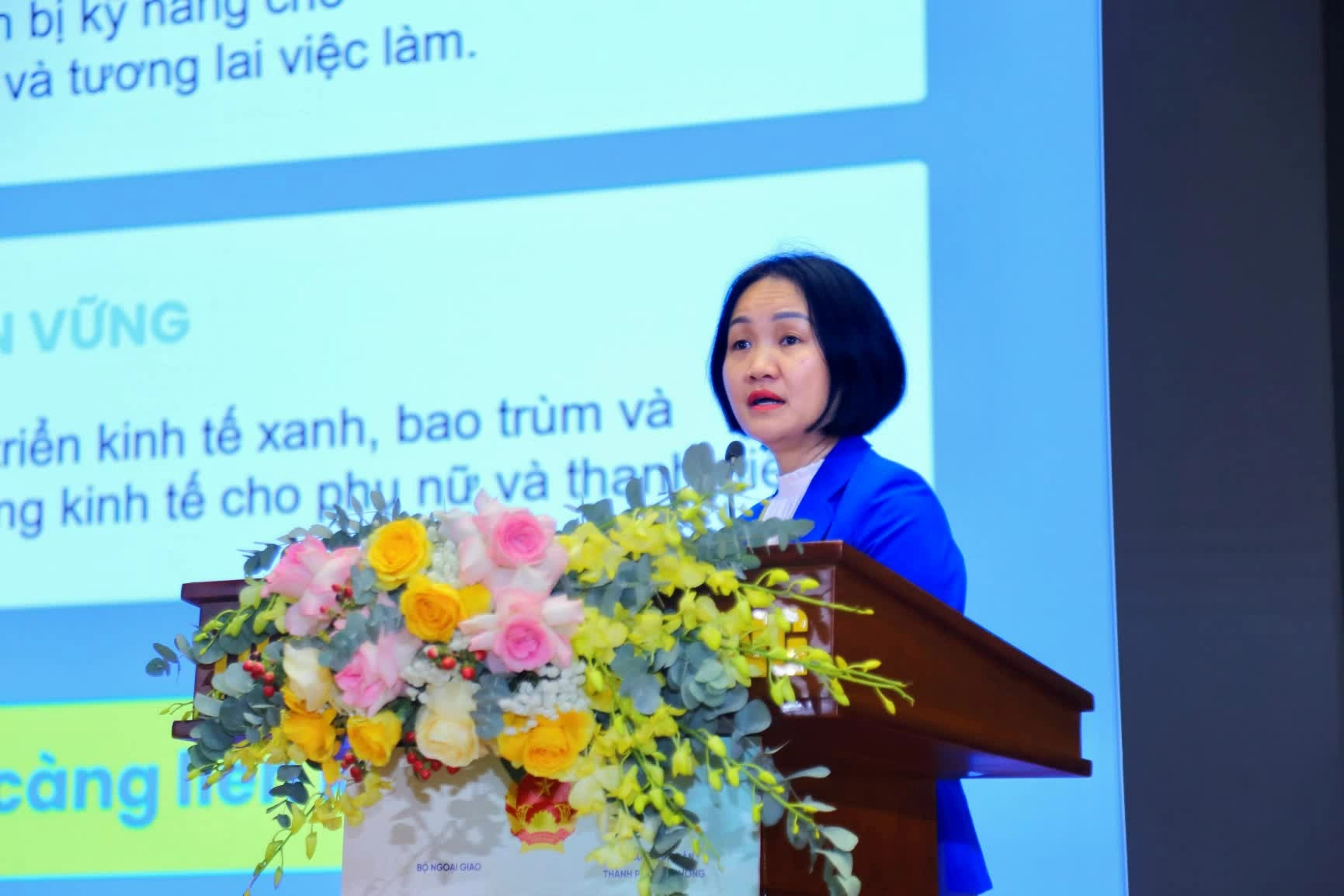 |
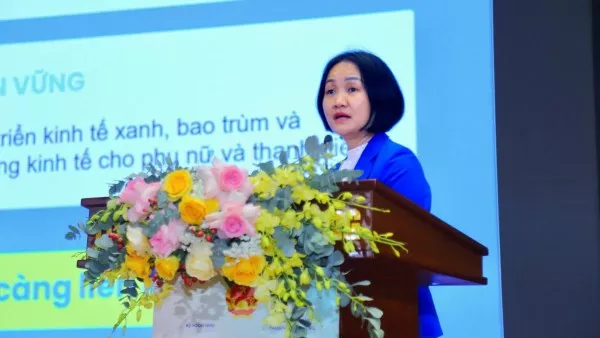
| Ms. Pham Thu Ba, Country Director of Plan International Vietnam, speaks at the second discussion session on “Sustainable Economic, Environmental, Cultural and Social Development” at the Conference. (Photo: Trung Anh) |
On the sidelines of the Foreign Non-Governmental Organisations (FNGOs) Conference 2026, Ms. Pham Thu Ba, Country Director of Plan International Vietnam, spoke to The World and Vietnam Report about the changing needs of children and young people and the demand to renew approaches to development programmes, thereby expanding opportunities for the younger generation to participate, have their voices heard and shape their own futures.
According to Ms. Pham Thu Ba, through its work and engagement with children, young people and communities in different localities, Plan International has found that the needs of the younger generation are increasingly interconnected rather than existing in isolation.
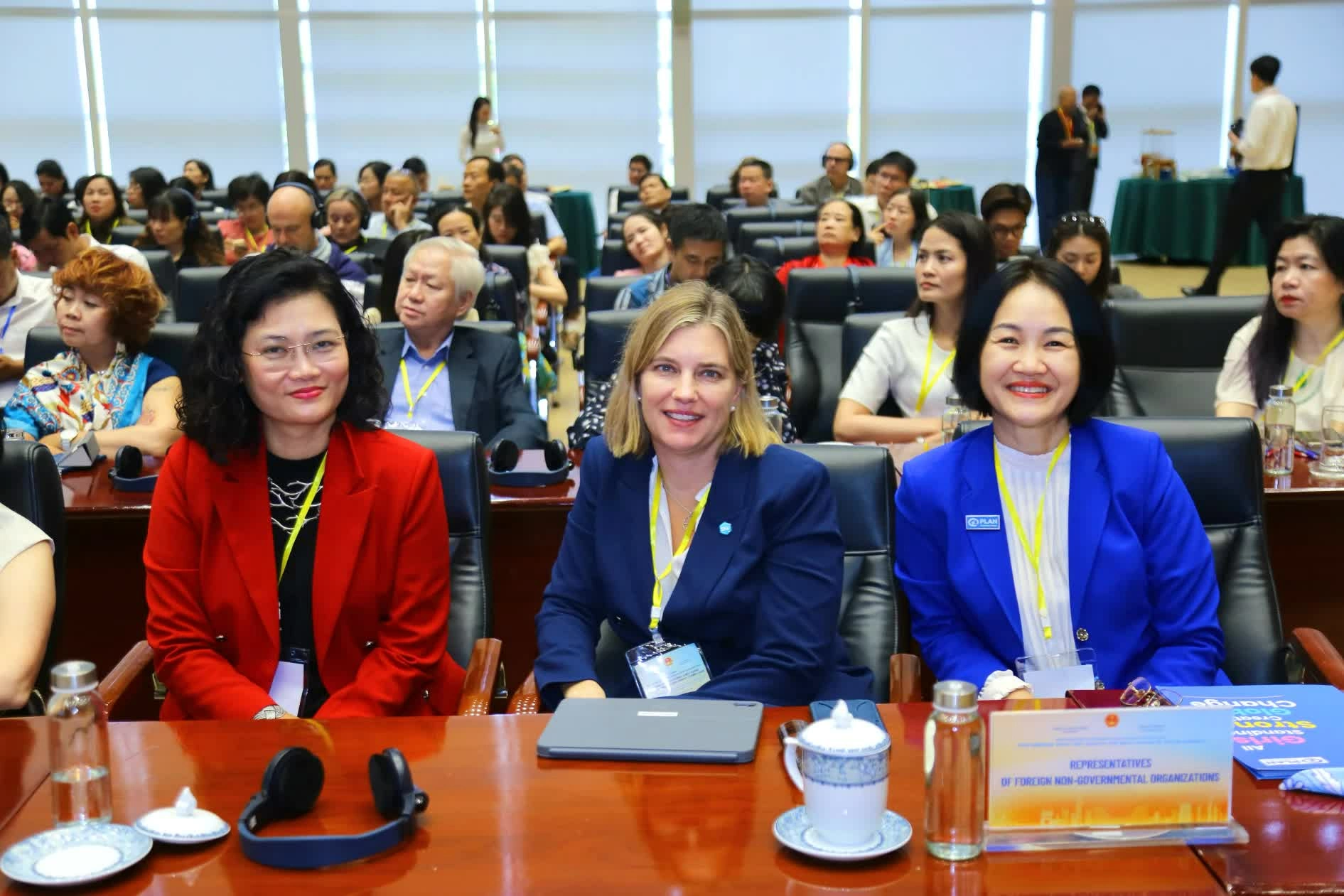 |
| Ms. Pham Thu Ba, Country Director of Plan International Vietnam (far right), at the Conference. (Photo: Trung Anh) |
For example, a girl at risk of dropping out of school may face mental health pressures, economic difficulties, a lack of digital skills, the risk of child marriage and the increasingly visible impacts of climate change at the same time.
Behind each of these risks are different barriers, yet all can directly affect girls’ opportunities to study, develop and make choices about their futures.
Alongside long-standing concerns such as education and child protection, the organisation has also identified a need that is becoming increasingly apparent but has yet to receive sufficient attention: the need to participate and be heard.
According to the head of Plan International in Vietnam, children and young people today do not simply want to receive support. They also want to express their views, contribute ideas, help develop solutions and have a voice in decisions that directly affect their lives and futures.
For girls, this need is particularly significant, as they require safe spaces where they can speak up and have their views trusted and respected by adults.
Having first received protection and support, girls gradually need to be given opportunities to make their own choices, participate in decisions affecting their lives and recognise that their voices truly matter.
The gap between aspirations and opportunities
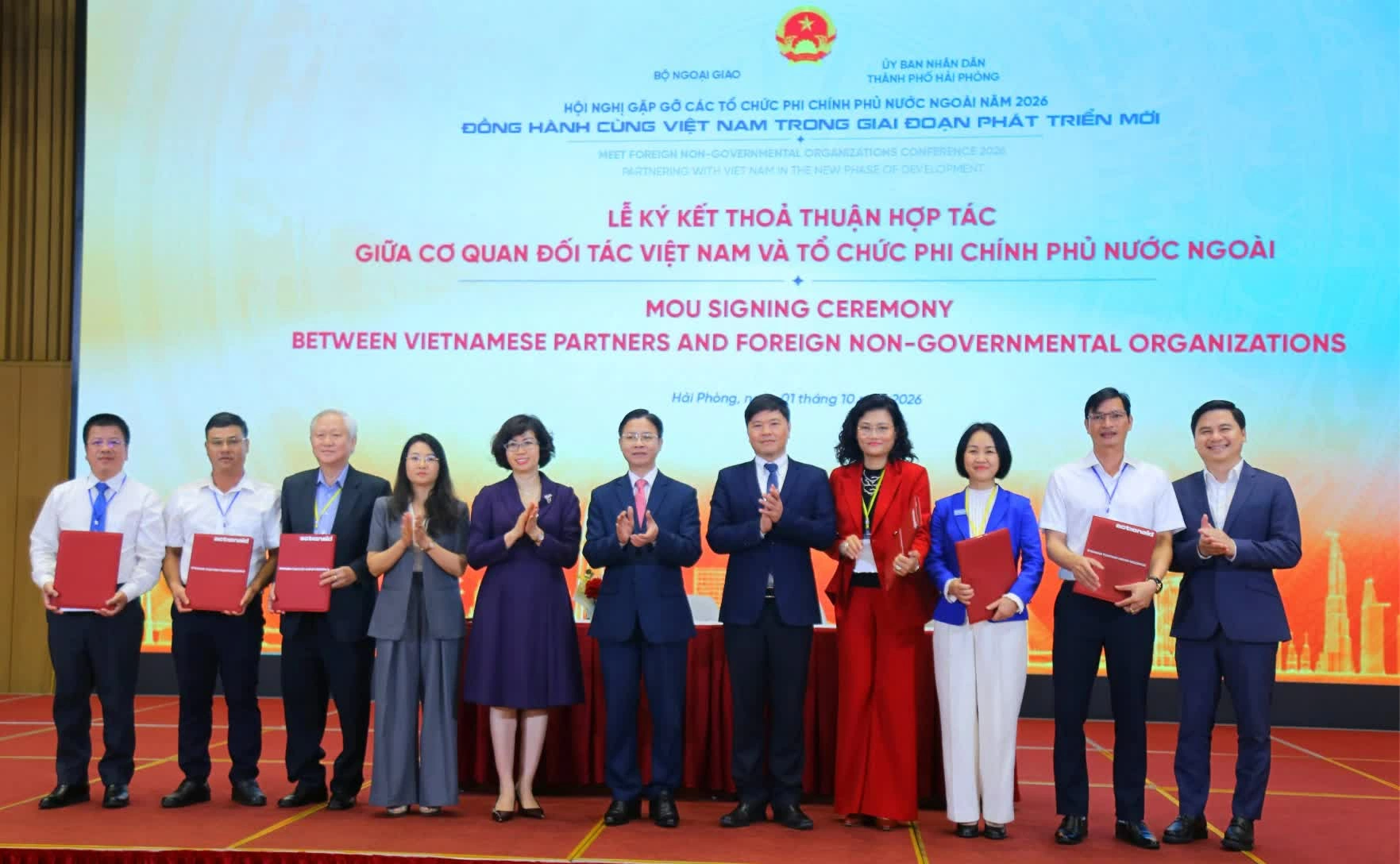 |
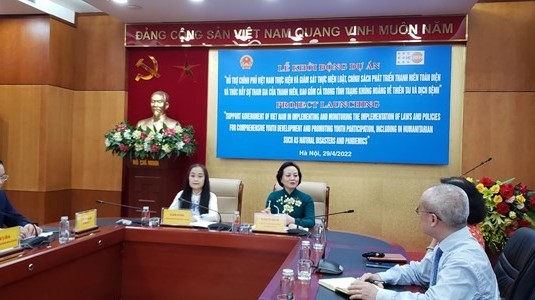
| As part of the Foreign Non-Governmental Organisations (FNGOs) Conference 2026, Ms. Pham Thu Ba, Country Director of Plan International Vietnam, signed an MoU with the People’s Committee of Tuyen Quang province on the implementation of development support projects. (Photo: Trung Anh) |
Citing an 18-year study tracking girls’ journeys into adulthood, together with years of direct work with children and communities across Vietnam, Ms. Pham Thu Ba pointed to a thought-provoking gap between girls’ dreams and the path towards achieving them.
According to the Country Director of Plan International Vietnam, girls do not lack dreams or aspirations for the future, but they often lack the opportunities and conditions needed to turn those aspirations into choices of their own.
Through its work with girls, Plan International has found that many already have a fairly clear vision of their futures, from wanting to pursue further education and secure stable careers and economic independence to aspiring to speak up and participate in decisions affecting their lives.
Yet the path from dreams to choices has never been straightforward. Gender stereotypes can still narrow opportunities for education and career choices, as well as the doors that a girl may be able to walk through.
For many girls, the burden of caring for their families can sometimes force them to put their own plans on hold and place their personal aspirations behind their families’ needs.
In families facing greater economic difficulties, the situation can become even more pronounced. Limited financial resources or a lack of access to technology can make it harder for a girl to receive a full education, access information and acquire the skills she needs to enter the future.
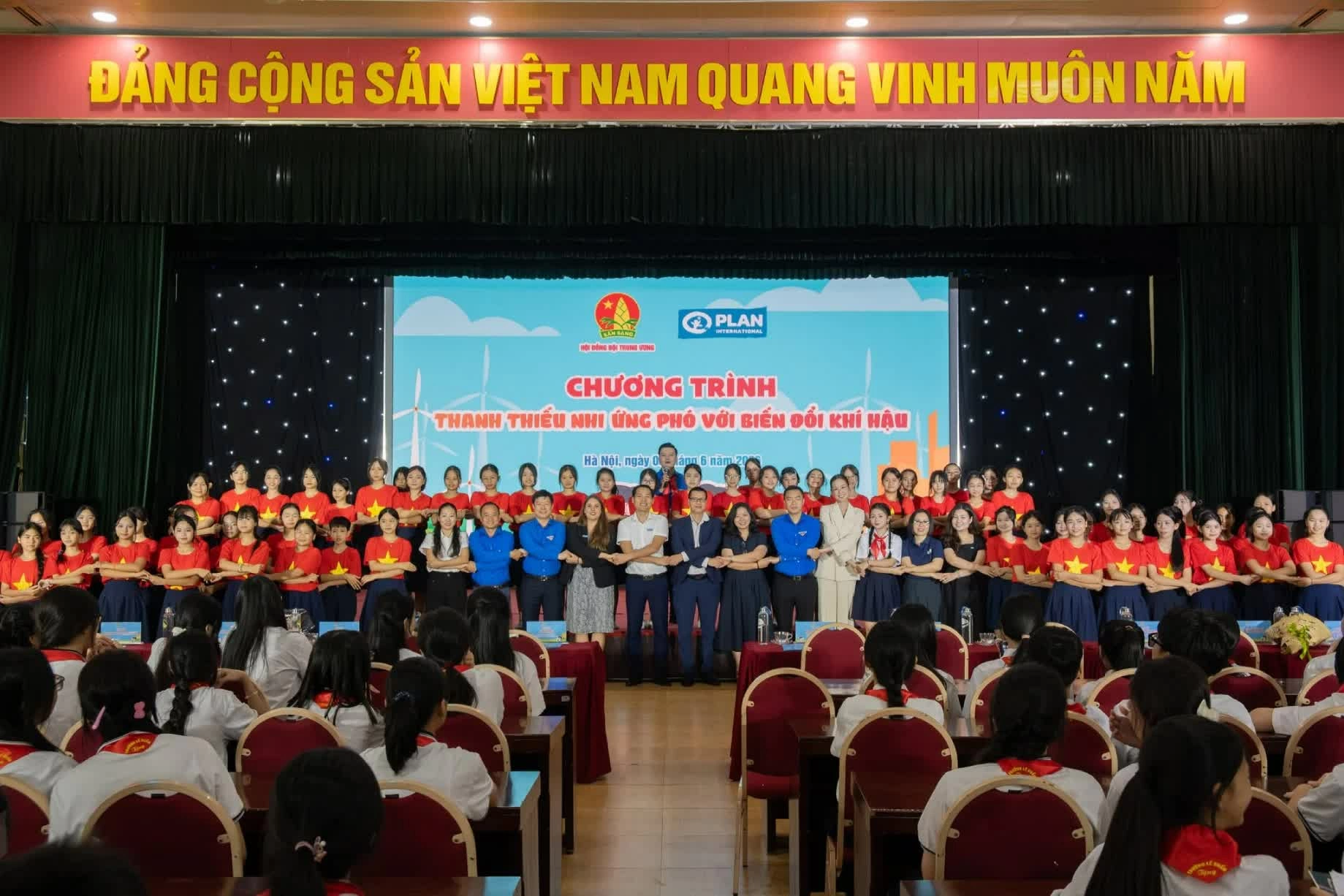 |
| Central Council of the Ho Chi Minh Young Pioneer Organization, in coordination with Plan International Vietnam, organises the “Children and Youth Taking Action on Climate Change” programme. (Source: Plan International) |
Meanwhile, climate change is quietly disrupting the livelihoods, education and daily lives of many communities, making the already limited choices available to girls even more fragile.
Ms. Pham Thu Ba, Country Director of Plan International Vietnam, said the concern today is not that girls lack dreams.
Many already know who they want to become, what kind of life they want to lead and have a clear idea of the path ahead.
The priority is to open more doors so that girls can go further towards achieving their dreams, have opportunities to learn, acquire skills, receive the support they need and make important choices about their lives.
Ultimately, those dreams can only truly matter when a girl has the opportunity to turn what she wants into a path of her own choosing.
The whole community should join forces
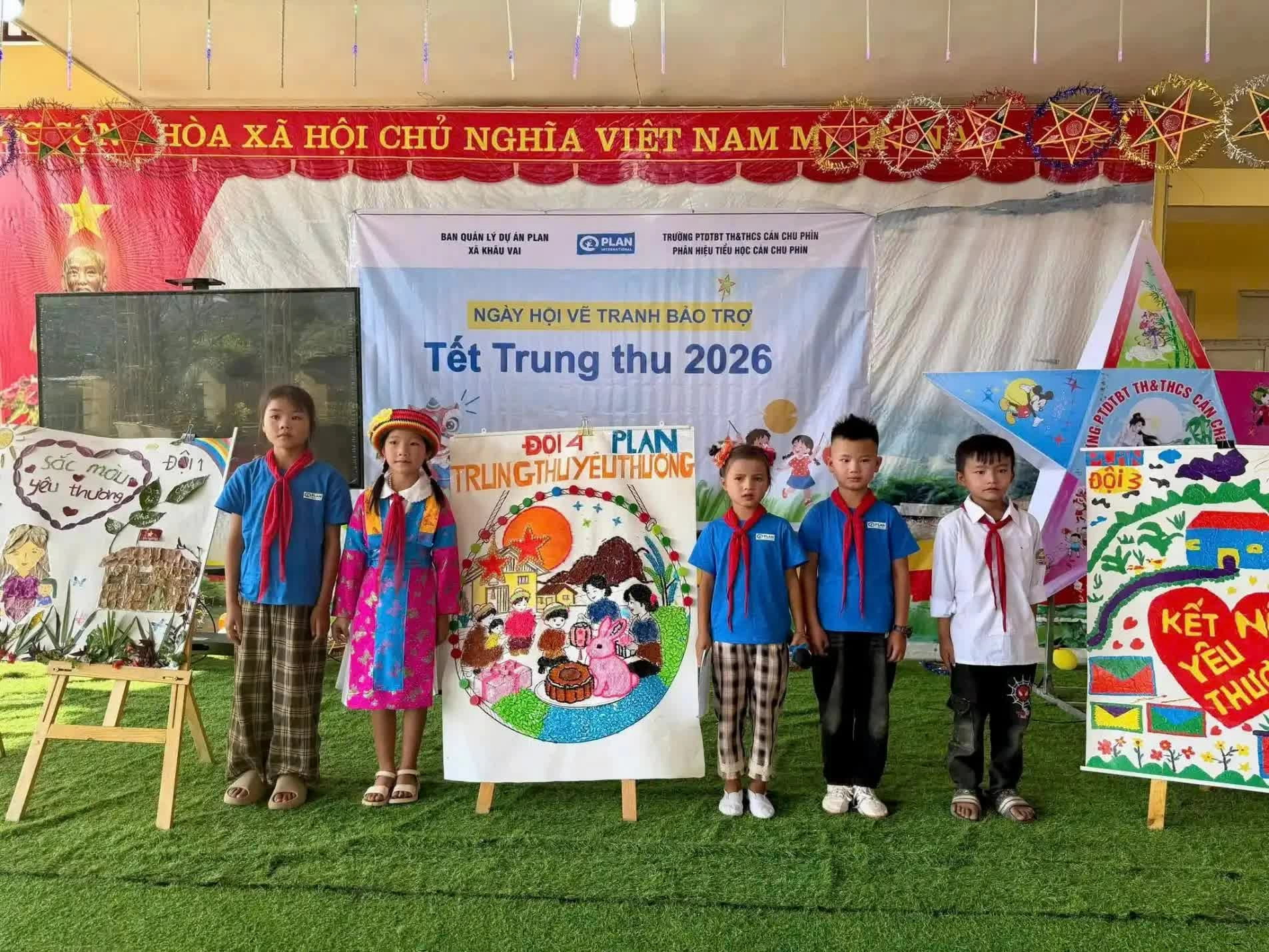 |
| Children take part in Mid-Autumn Festival activities organised by Plan International Vietnam. (Source: Plan International) |
The changing needs of children and young people are also creating new demands for the way Plan International designs and implements programmes in Vietnam.
According to the Plan International representative in Vietnam, while many development programmes previously focused on addressing a specific issue, practical experience working with children and communities shows that each challenge is now rarely an isolated problem.
These issues are often interconnected and influence one another, potentially creating further consequences and adding to the challenges children face as they grow up.
In response, the organisation is gradually changing its approach towards broader solutions in which different stakeholders contribute and play distinct roles.
Each programme begins with the specific needs of the community, then brings together local authorities, schools, businesses, families and, in particular, children and young people to understand the issues, identify solutions and create changes that fit their own lives.
Ms. Pham Thu Ba affirmed that when people who live directly in a community are involved from the outset, programmes are more closely aligned with what they actually need.
Listening to each perspective also helps make solutions more comprehensive, while the combined efforts of different stakeholders create better conditions for results to continue beyond the end of a project and become embedded in community life.
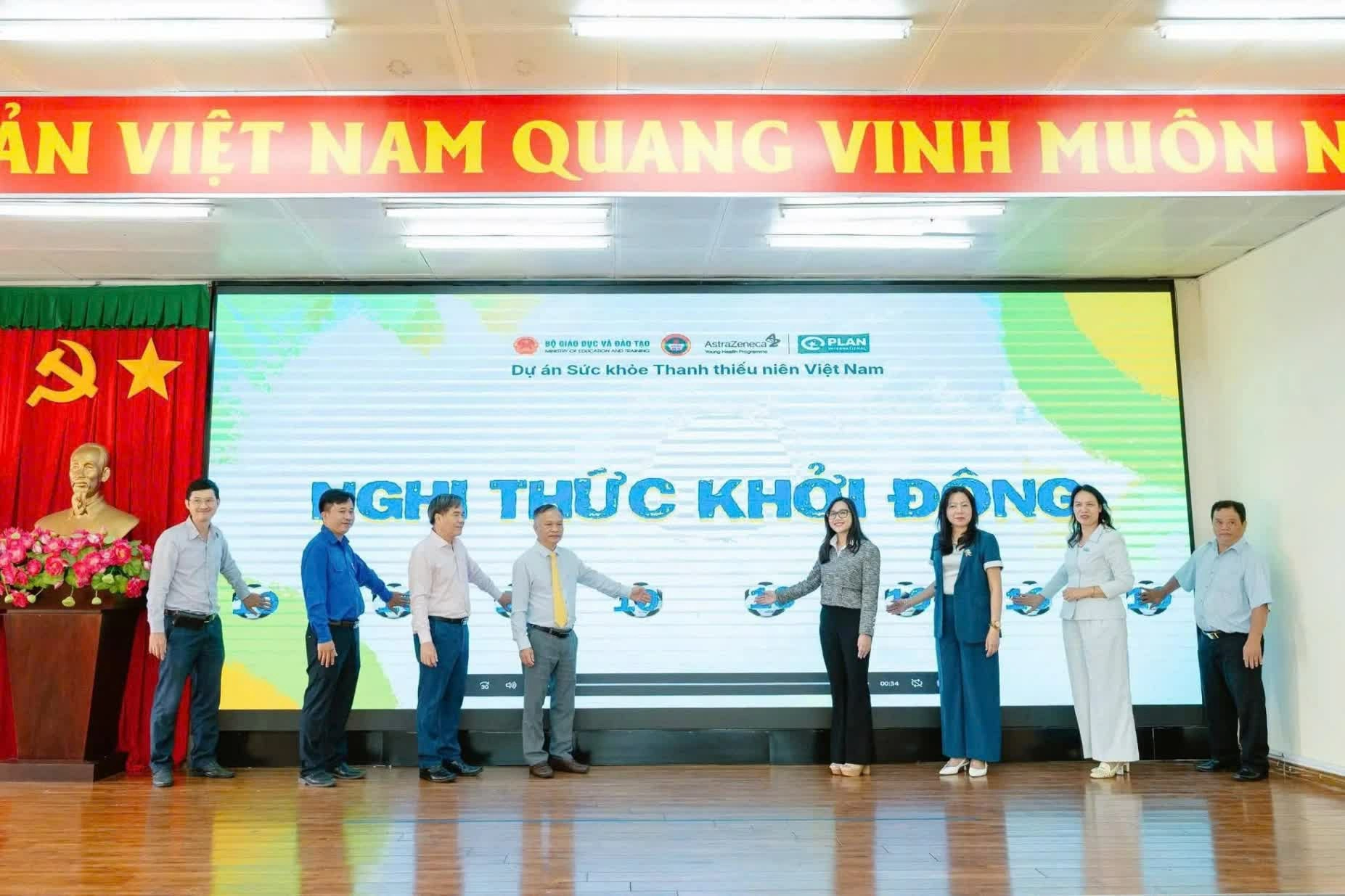 |
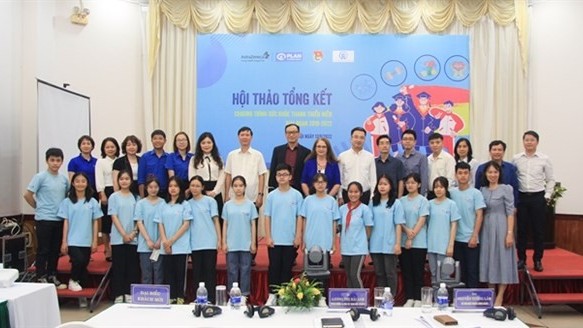
| The launch of the Young Health Programme (YHP) for the 2026-2029 period. (Source: Plan International) |
A notable example of this approach is the Young Health Programme (YHP), implemented by Plan International in Hanoi and Can Tho.
Rather than stopping at health education, the programme brings together the education and healthcare sectors, the private sector, teachers, parents and young people themselves to build a supportive environment that enables them to develop physically, mentally and in terms of life skills.
Ms. Pham Thu Ba, Country Director of Plan International Vietnam, emphasised that this approach stems from the reality that young people’s health is also shaped by their families, schools and wider living environments.
A young person may understand what is needed to protect their health, but knowledge can only truly make a difference when they are supported in applying it in practice.
If families lack support and communication, schools do not have suitable spaces to provide assistance, or young people have not been equipped with sufficient skills, the gap between knowledge and action remains considerable.
Therefore, when families, schools, the healthcare sector and other relevant stakeholders participate together, young people gain a stronger support network that enables them to be heard, guided and empowered to make appropriate choices for their own health.
Plan International applies a similar approach to its community climate programmes.
Alongside helping communities adapt to natural disasters, the organisation creates opportunities for young people to participate in research, develop initiatives and directly lead climate-related activities in their local communities.
Through these activities, young people have opportunities to raise their voices, develop skills and contribute to finding solutions to challenges their own communities face.
Drawing lessons from these programmes, Ms. Pham Thu Ba said projects can have a more sustainable impact when communities are involved from the stages of identifying problems and developing solutions through to programme implementation.
Children and young people should therefore be recognised as important partners in the development process, as they understand their own needs and will directly shape the future of their communities.
With this approach, the goal of development programmes also becomes broader than simply supporting a particular group for a defined period.
A better future begins with the moment a child believes that her dream deserves to be heard and can become a reality.