




Ireland supports communities in adapting to climate change in Quang Tri
WVR - From May 27-29, representatives from the Embassy of Ireland in Vietnam visited Quang Tri Province to assess the outcomes of the "Resilience First Programme", a collaborative initiative aimed at enhancing the adaptability and resilience of vulnerable communities to climate-related risks.
Latest
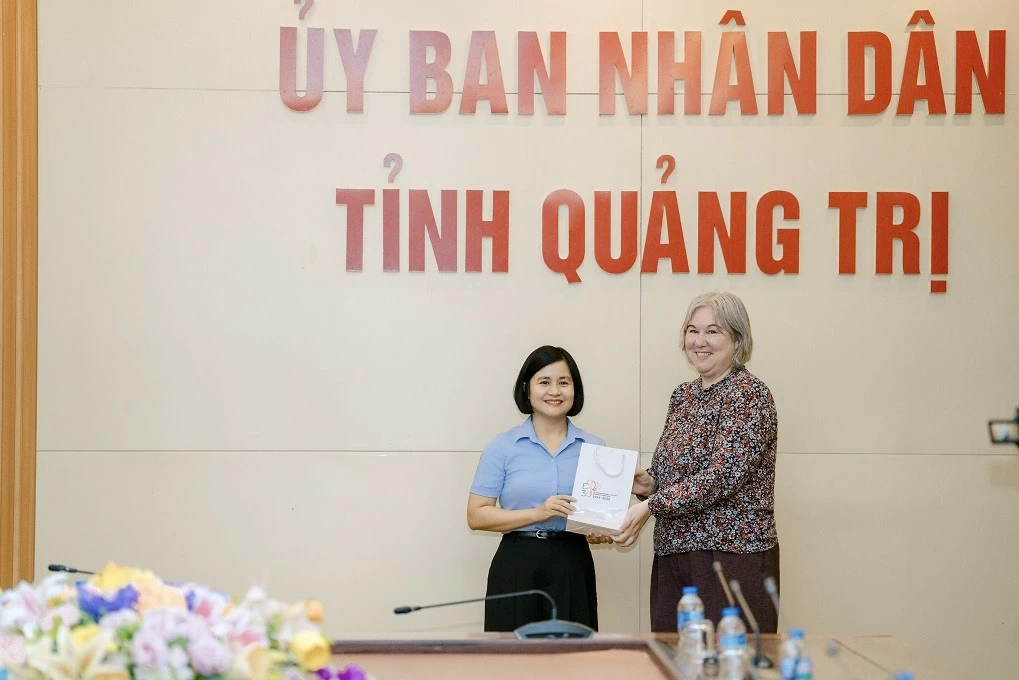 |
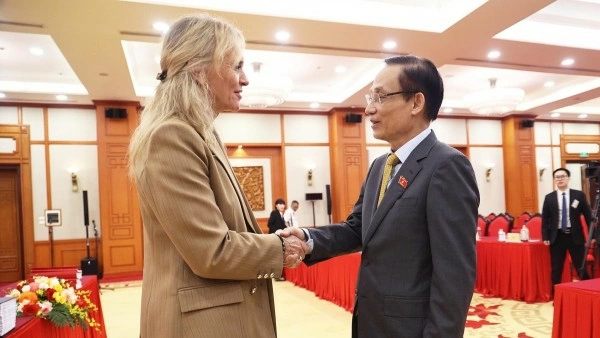
| Ms. Edel Cribbin, Head of Development Cooperation, Embassy of Ireland in Vietnam (left) and Ms. Nguyen Hong Phuong, Deputy Director of the Department of Agriculture and Environment of Quang Tri Province. (Source: Plan International Vietnam) |
The program, funded by the Government of Ireland through the Embassy of Ireland in Vietnam, is implemented by Plan International Vietnam, CARE International Vietnam, and the Research Center for Community Development Initiatives (RIC).
The program focuses on supporting vulnerable groups, including ethnic minorities, women, youth, and people with disabilities, to enhance their resilience against floods, droughts, and extreme weather events.
During the mission, the delegation worked with local authorities, partners, and community groups, and conducted field visits to explore community-driven solutions and the tangible impacts of the program.
Community solutions deliver practical benefits
In Dakrong Commune, the delegation participated in community-led behavior change communication activities aimed at promoting climate-adaptive livelihood practices and increasing women's participation in economic decision-making.
Community members shared that small changes in daily habits, combined with mutual learning, are helping families become more proactive in the face of increasingly unpredictable weather conditions.
In Cupua Village, the delegation visited a gravity-fed water supply system built and managed by the community. Previously, residents primarily used river water, which was not hygienically safe.
Now, households have access to cleaner and more stable water sources, even during the dry season, thereby improving living conditions and contributing to long-term resilience.
Investing in children and youth for a sustainable future
At Ba Tang Semi-boarding Ethnic Minority Primary and Secondary School, the delegation noted the effective implementation of climate-adaptive educational models.
Solutions such as solar power systems, waste sorting, composting, and student-led communication activities not only improve learning conditions but also raise awareness and skills for disaster risk response. Consequently, students become "ambassadors" spreading positive messages to their families and communities.
Women driving green and sustainable livelihoods
The visit also highlighted the role of women in developing sustainable livelihoods. At the VANPA cooperative group, members have implemented environmentally friendly production models while enhancing business and financial management skills.
This model demonstrates the potential of women-led initiatives, not only generating additional income but also contributing to the development of safe and sustainable production methods for the environment.
Strengthening cooperation for long-term change
During the visit, Ms. Edel Cribbin, Head of Development Cooperation at the Embassy of Ireland in Vietnam, emphasized: “We are proud to partner with communities, local authorities, and organizations in Vietnam to implement practical solutions that help people proactively respond to climate risks. The results in Quang Tri showcase the power of collaboration and the vital role of local communities.”
According to Ms. Nguyen Hong Phuong, Deputy Director of the Department of Agriculture and Environment of Quang Tri Province: “In the context of limited resources, we deeply appreciate and thank the people of Ireland and the Government of Ireland for accompanying Quang Tri in achieving local development goals.
In the process of building and implementing integrated programs, Quang Tri Province will continue to seek additional support from international organizations to realize the set development objectives. With very limited local resources, this support is extremely significant.”
Ms. Le Quynh Lan, Country Director of Plan International Vietnam, also affirmed the commitment to continue community-centered development activities: “Communities, especially women and youth, are leading solutions tailored to local contexts. We play a supportive role to ensure these initiatives are sustained and expanded.”
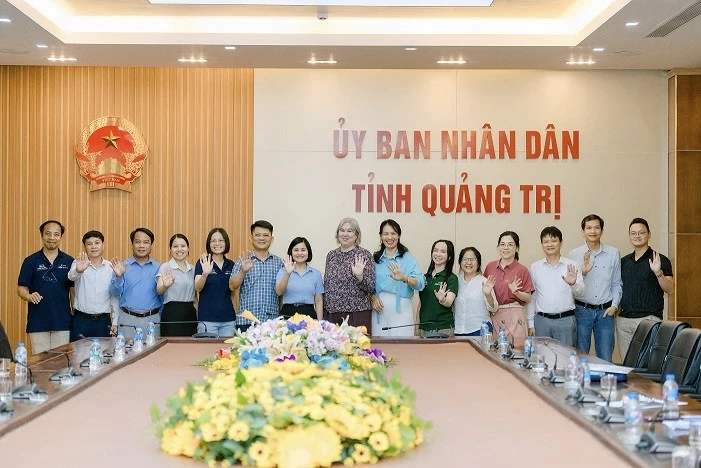 |
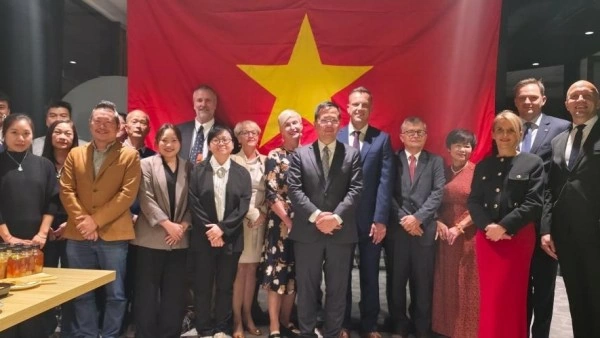
| Delegates taking a commemorative photo. (Source: Plan International Vietnam) |
Future directions
The mission concluded with discussions on lessons learned and opportunities to expand effective models, particularly in enhancing local capacity, developing women-led livelihoods, and promoting climate-adaptive education.
With the long-term commitment of all parties involved, the "Resilience First Programme" aims to continue contributing to Vietnam's efforts to support vulnerable communities against climate risks, ensuring no one is left behind.