


Late Prime Minister Pham Van Dong’s diplomatic legacy and foreign policy in a new era of development
WVR - On the occasion of the 120th anniversary of the birth of late Prime Minister Pham Van Dong (1/3/1906-1/3/2026), reflecting on his life and revolutionary career holds significant importance in terms of history, theory, and practice.
Latest
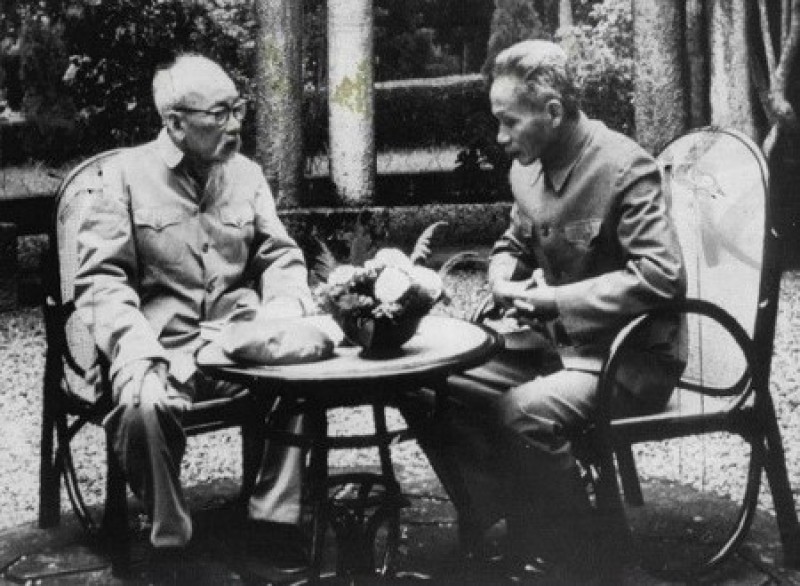 |
| President Ho Chi Minh and Prime Minister Pham Van Dong at the Presidential Palace (11/1968). (Archival photo) |
In the history of Vietnam's 20th-century revolution, Pham Van Dong stands out as a prominent leader, dedicating his life to the struggle for national independence, and the building and defense of the nation. Notably, in the realm of foreign affairs, he made significant contributions to the formation and development of Vietnam's independent and self-reliant foreign policy.
As the nation enters a new development phase with the demand for comprehensive international integration and proactive participation in shaping the strategic environment, studying, inheriting, and creatively applying Pham Van Dong's diplomatic legacy, style, and methods is crucial for effectively implementing the Party's foreign policy, especially the directions established at the 14th Congress.
Pham Van Dong - A Revolutionary Leader Shaped by Vietnam's Revolutionary History
A life intertwined with the nation's pivotal moments. Pham Van Dong's revolutionary career is closely linked with significant historical milestones of the nation: from the struggle for power in 1945, the resistance against colonial and imperial forces, to building socialism in the North, striving for national unification, and defending the nation. His close engagement with revolutionary practice provided him with a comprehensive perspective on the relationship between domestic and foreign affairs, between building and defending the nation, and between national strength and the strength of the era. This mindset later became a prominent feature in his foreign affairs activities as Prime Minister.
The late Prime Minister Pham Van Dong was an outstanding, close, and loyal student of President Ho Chi Minh. He lived 95 years, spent 75 years in the revolution, served 35 years as a Politburo member, 32 years as Prime Minister, and 10 years as an advisor to the Party Central Committee. He was trained in the Vietnamese revolutionary movement from an early age, enduring the harsh trials of colonial prisons, secret struggles, and arduous resistance paths.
This training not only forged his steadfast political courage but also shaped his sharp theoretical thinking, scientific working methods, and exemplary conduct. These were crucial foundations for Pham Van Dong to assume many strategic responsibilities for the Party and State over several decades.
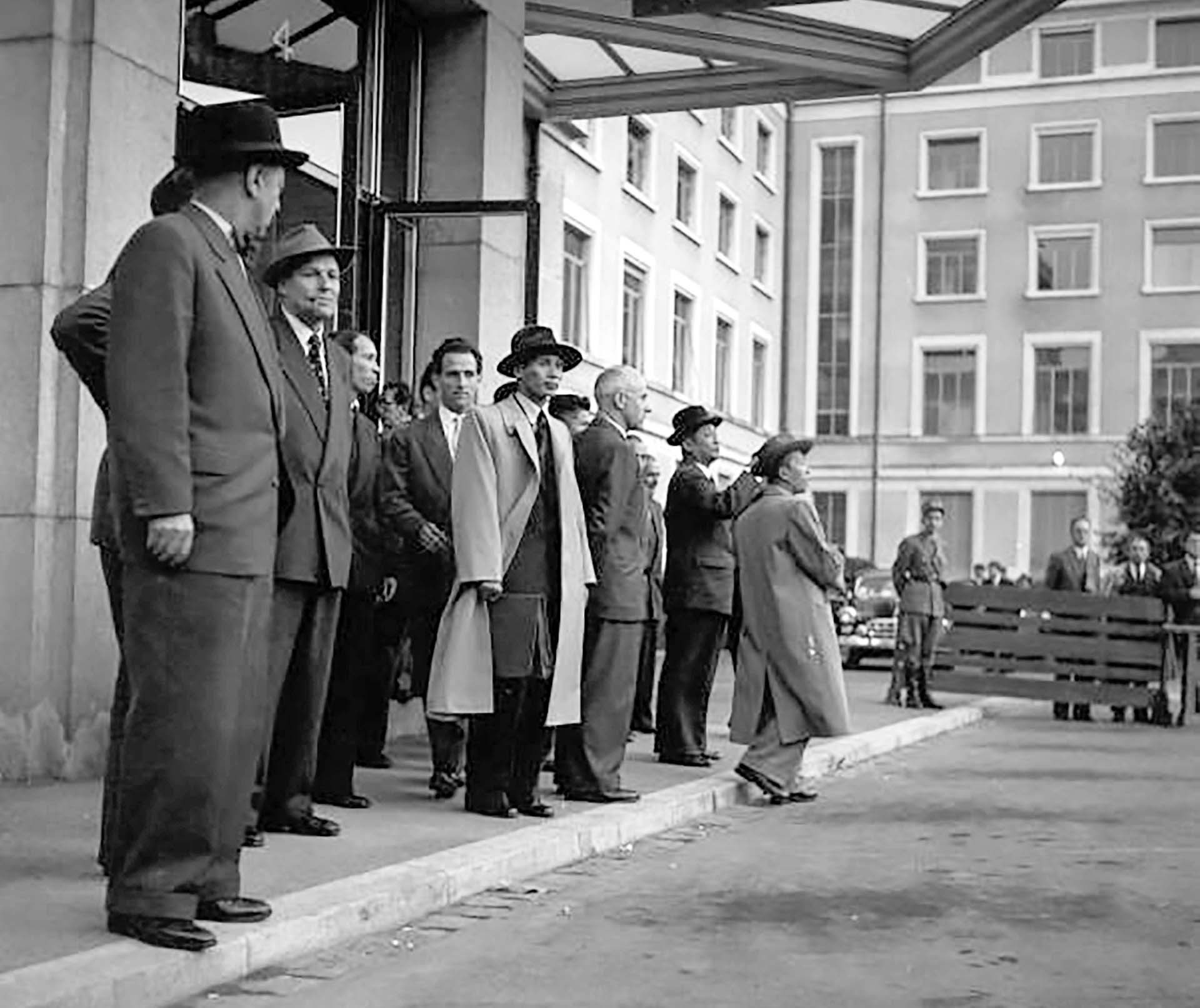 |
| Deputy Prime Minister Pham Van Dong in front of the Geneva Conference building. (Photo: Getty Images) |
Significant contributions to the foundation and development of an Independent and Self-reliant Foreign Policy
Strategic thinking on independence and self-reliance in international relations.
One of Pham Van Dong's notable contributions to Vietnam's diplomatic efforts was helping to shape and develop an independent and self-reliant foreign policy, prioritizing national interests above all.
In the complex international context of the Cold War, where smaller countries faced immense pressure from the competition among major powers, maintaining independence in policy and self-reliance in decision-making was a vital requirement. Pham Van Dong consistently adhered to this principle while flexibly managing relations with partners based on mutual respect and alignment with the country's strategic interests. This mindset has long-term value, becoming a cornerstone of Vietnam's foreign policy across different periods.
Building a distinctive and exemplary Vietnamese diplomatic style - principled yet flexible
The diplomatic style of Prime Minister Pham Van Dong was a harmonious blend of principles and flexibility; steadfastness in strategic goals and adaptability in tactics; rationality and humanity. Throughout his diplomatic activities, Pham Van Dong consistently upheld the principle of prioritizing national interests. This spirit aligns with the views emphasized in recent Party documents: Maintaining independence and self-reliance is the highest principle in formulating and implementing foreign policy; the country should not be dependent or drawn into strategic competition among major powers.
In meetings with heads of state, politicians, and international media, Prime Minister Pham Van Dong always displayed a calm demeanor, logical arguments, and persuasive, standard language. Through this, the image of a peace-loving Vietnam, steadfast in independence and respecting international law, was clearly conveyed. This style not only enhanced the personal prestige of a leader but also contributed to building the "brand" of Ho Chi Minh diplomacy and revolutionary Vietnamese diplomacy.
Diplomatic prowess and art at the 1954 Geneva Conference. As the head of the Democratic Republic of Vietnam's delegation at the 1954 Geneva Conference, Pham Van Dong demonstrated firm political courage, clear principled stances, and tight, flexible negotiation thinking.
In a complex multilateral negotiation environment, with the participation and influence of many major powers, he played a crucial role in protecting the nation's core interests and affirming Vietnam's legal and political position on the international stage.
The success of the Geneva Conference was not only of military-political significance but also marked an important milestone for revolutionary Vietnamese diplomacy. The practice at the 1954 Geneva Conference clearly demonstrated the combination of steadfast strategic goals and flexibility in handling specific situations. This is also a significant lesson reaffirmed in the Central Resolution on the strategy of national defense in the new situation, emphasizing the need to handle relationships with partners harmoniously and flexibly; maintaining a peaceful and stable environment for national development.
Combining national strength with the strength of the era. Pham Van Dong's foreign policy thinking clearly reflects the viewpoint of closely combining national strength with the strength of the era. This is also a consistent theme in recent high-level leadership directives on foreign affairs, emphasizing the elevation of multilateral diplomacy; proactively participating in and contributing to building common rules; and enhancing Vietnam's role in regional and international mechanisms.
The foreign policy outlined at the 14th Congress continues to demand enhancing Vietnam's international position and reputation, linking international integration with strengthening internal resources and the resilience of the economy. This spirit was also reflected in Prime Minister Pham Van Dong's foreign policy motto: Foreign affairs must serve development while creating a favorable international environment for the cause of building and defending the nation.
International observers, friends, and the global peace movement share a common assessment of the late Prime Minister Pham Van Dong: A calm, principled yet flexible negotiator, capable of combining steadfast positions with persuasive dialogue, respected by many partners; One of the exemplary diplomats of the 20th century, representing the intelligence and courage of Vietnam in the struggle for national independence; A symbol of diplomacy for peace, associating Vietnam's image with aspirations for independence, cooperation, and international responsibility, beyond the framework of a national politician.
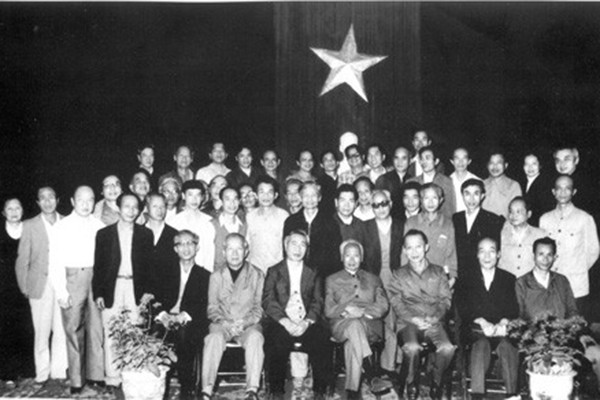 |
| Prime Minister Pham Van Dong and Foreign Minister Nguyen Co Thach (fourth and fifth from the right) with delegates at the Diplomatic Conference, April 1985. (Archival photo) |
Theoretical and practical values for Implementing the foreign policy of the 14th National Party Congress
Consistent inheritance and development of foreign policy thinking. The foreign policy outlined in the 14th Congress documents of the Communist Party of Vietnam affirms the principles of independence, self-reliance; diversification and multilateralization; proactive, comprehensive, and deep international integration; ensuring the highest national interests based on international law.
These orientations reflect the consistent inheritance and development of the strategic thinking foundation laid by previous generations of leaders, including Prime Minister Pham Van Dong. The spirit of independence and self-reliance linked with expanding international cooperation; steadfast principles combined with flexible tactics; combining national strength with the strength of the era – all are enduring values.
Integrating foreign policy with national defense, security, and development. In the context of increasingly intense strategic competition among major powers, and a rapidly changing and unpredictable security-development environment, the requirement for foreign policy is to closely link with national defense, security, and sustainable development.
Pham Van Dong's intellectual legacy shows: Foreign policy cannot be separated from the tasks of defending and building the nation. Foreign policy must serve development; at the same time, it must contribute to maintaining a peaceful and stable environment for development. This is a lesson with direct guiding value for implementing the 14th Congress foreign policy.
Elevating foreign policy strategy to a new height. Currently, the rules-based international order formed after World War II is facing increasingly serious challenges. International law still exists, but adherence and implementation are increasingly selective, depending on the power dynamics and strategic interests of major powers. Vietnam is directly and multidimensionally affected by these changes. On one hand, deep integration helps Vietnam leverage important resources for development; on the other hand, high openness also increases vulnerability to external shocks.
This situation requires foreign policy to be implemented at a new height - meaning more strategic depth, higher proactivity in choosing development paths, designing foreign relations, and more closely linking with the country's security-development interests. This is an inevitable development in the practice of Vietnam's foreign policy, inheriting and developing Ho Chi Minh's diplomatic thinking.
The need to enhance the quality, effectiveness, and professionalism of modern diplomacy. From Prime Minister Pham Van Dong's leadership style of integrity, respect for discipline, and emphasis on collective intelligence, the requirement can be drawn to build a foreign affairs team with courage, professionalism, strategic thinking, and high adaptability.
In the new development phase, Vietnam's diplomacy must be comprehensive, professional, modern, and rich in national identity; at the same time, it must be capable of participating in shaping the rules and political-economic structures regionally and internationally. Thoroughly understanding and creatively applying the intellectual values of revolutionary leader Pham Van Dong will contribute to enhancing strategic advisory quality and the effective implementation of foreign policy.
In summary, the diplomatic legacy of late Prime Minister Pham Van Dong is an important part of the treasure of thought and practical foreign policy of our Party and State. It is a legacy of steadfast political courage; of strategic thinking with foresight; of exemplary, humane, and persuasive diplomatic style.
As the country enters a new development phase with the demand for deep integration and enhancing international standing, studying, inheriting, and creatively applying these values is practically significant for effectively implementing the 14th National Party Congress foreign policy, contributing to building a comprehensive, professional, modern Vietnamese diplomacy for rapid and sustainable development, maintaining independence, sovereignty, and territorial integrity of the nation.