






Hanoi possesses comprehensive resources to propel rapid economic growth
Hanoi's economy is experiencing positive growth. The GRDP in the third quarter of 2026 increased by 10.02%, marking the first time it achieved double-digit growth this year. Overall, the GRDP rose by 8.85% over nine months.
Latest
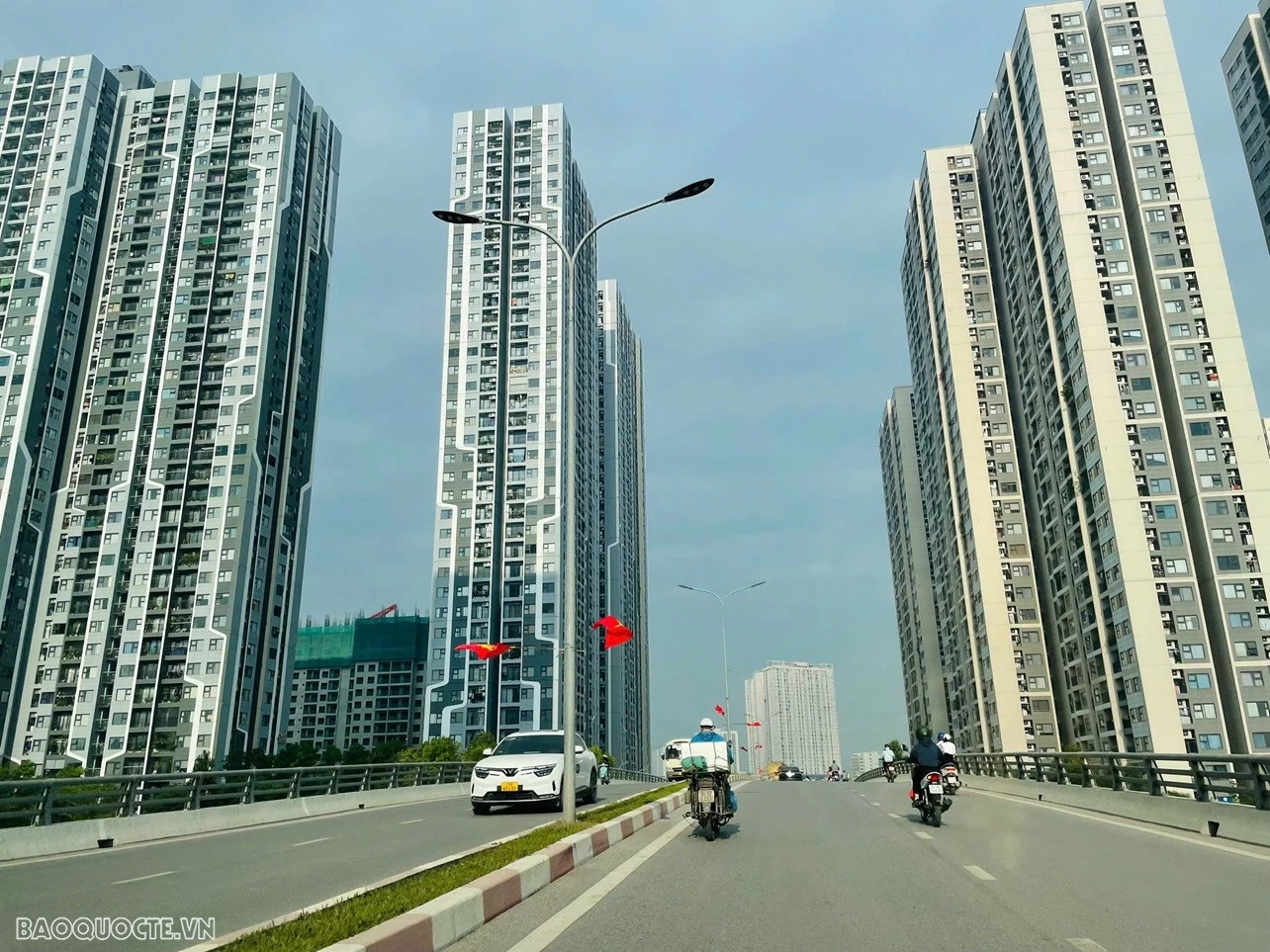 |
| Hanoi is effectively leveraging the advantages of a large market, a developed service-economy structure, and connectivity across various economic sectors. (Photo: Linh Chi) |
The growth momentum of Hanoi is shaped by the simultaneous contributions of multiple sectors, with services continuing to play a leading role. The service sector increased by 10.33%, contributing 6.79 percentage points to GRDP growth.
Several sectors achieved high growth rates, such as finance, banking, and insurance at 12.5%; science and technology at 11.86%; wholesale and retail at 10.98%; and transportation and warehousing at 10.68%. International visitors increased by 25.7% over nine months, while total retail sales of goods and consumer service revenue rose by 15.6%.
These figures indicate that Hanoi is effectively leveraging the advantages of a large market, a developed service-economy structure, and connectivity across various economic sectors.
The revitalisation of commerce, tourism, transportation, and professional services not only directly contributes to the capital's GRDP but also expands the market, creating additional business and employment opportunities.
Another significant driver is infrastructure investment. In the first nine months of the year, investment capital from the state budget increased by 30.3%. The implementation of strategic projects like Ring Road 4, bridges over the Red River, urban railways, and a connected transportation system creates additional space for construction activities, transportation, material production, and support services.
Comprehensive infrastructure will help expand development space, reduce circulation costs, and enhance the competitiveness of the capital's economy in the long term.
The industrial sector also made a positive contribution, with an 8.23% increase in the third quarter of 2026. Some industries, such as electronics, computers, optical products, metals, and transportation equipment, recorded favourable developments.
Additionally, exports increased by 9.3% over nine months, indicating that international trade activities continue to support growth.
Dr Nguyen Minh Phong, a member of the Economic Advisory Council of the Central Committee of the Vietnam Fatherland Front, stated that Hanoi has many large projects utilising substantial state and private capital. This is one of the most crucial and direct resources for economic growth.
In addition to investment resources, Hanoi benefits from the Capital Law and several newly approved special mechanisms. These provide the city with a foundation to address issues related to planning, compensation mechanisms, and site clearance.
According to Dr Nguyen Minh Phong, effectively utilising these mechanisms will accelerate project progress and implementation, thereby promoting economic growth.
Another important driver is the potential of science and technology, along with financial resources for digital transformation and the development of new business models, especially those linked to tourism and the nighttime economy.
Additionally, Hanoi's business system and entrepreneurial community have the potential to develop e-commerce, service industries, particularly tourism, healthcare, education, and many other fields.
“The combination of these factors will create comprehensive resources to propel the capital's economy towards rapid development,” emphasised Dr Nguyen Minh Phong.

| Hanoi mobilises all resources to achieve the GRDP growth target of 11% or more The Party Committee, government, business community, and people of Hanoi affirm their determination to realise the 11% growth target by 2026. |

| International Conference on Development Economics: Finding new drivers for Vietnam's economic growth Vietnam needs to innovate its growth model, relying more on productivity, knowledge, innovation, and institutions to overcome the middle-income trap. |