



Hanoi – A cultural bridge connecting ASEAN
In the process of regional integration, Hanoi is not only the millennial capital of culture but also has the potential to become a space connecting the culture, people, and identity of ASEAN.
Latest
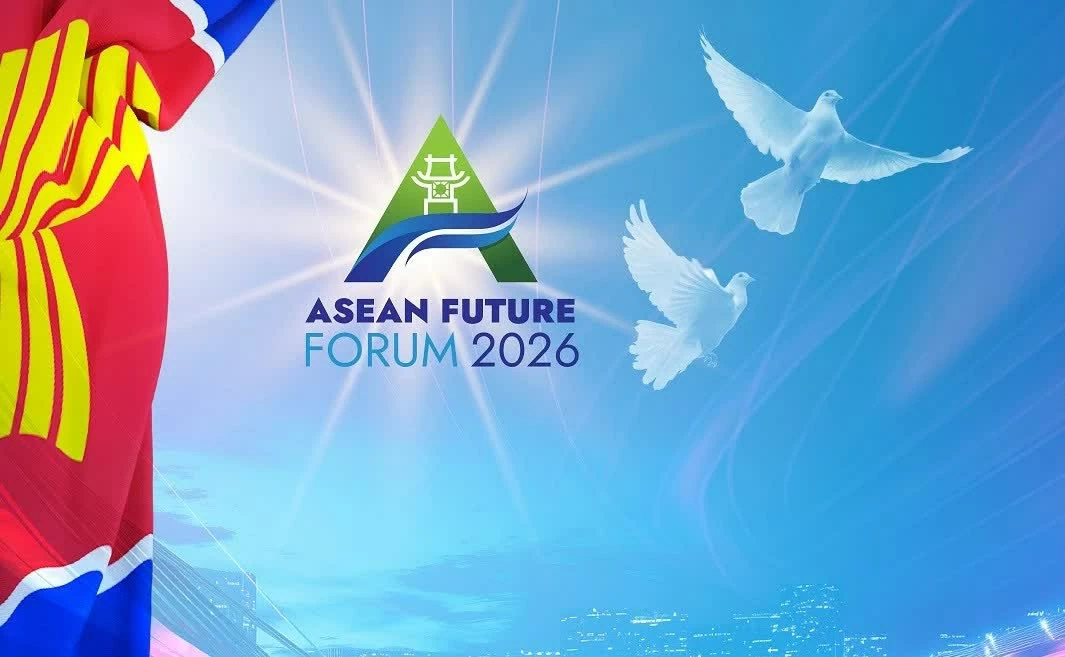 |
| The ASEAN Future Forum (AFF) 2026 will take place in Hanoi from June 9-10 with the theme “Shaping a Common Future: Peace, Prosperity, and People-Centeredness”. (Photo: Pham Tuan) |
From heritage, cuisine, art, tourism, creative industries to people-to-people exchanges, Hanoi has the foundation to deepen understanding among nations, promote community cohesion, and expand economic development momentum within the bloc.
Hanoi – A meeting place of ASEAN identity, people, and spirit
ASEAN is not merely a geo-political or economic community, but also a community of culturally close yet diverse nations. Southeast Asian countries have differences in language, religion, customs, art, and lifestyle, but share many common values: community spirit, hospitality, family bonds, village memories, wet rice civilisation, love for nature, and aspirations for peace and development. These commonalities form the soft foundation for ASEAN to cooperate not only through interests but also through understanding and trust.
In this picture, Hanoi holds a special position. A more than thousand-year-old Thang Long – Hanoi is where the depth of Vietnamese culture crystallises, while also being a city transforming vigorously in the rhythm of modern, creative, and integrative life. Hanoi has the Old Quarter, Ho Guom, Van Mieu, Thang Long Imperial Citadel, craft villages, festivals, cuisine, traditional arts, creative spaces, and a dynamic community of intellectuals, artists, students, and young entrepreneurs. These are precious materials for Hanoi to tell the story of Vietnam within ASEAN, while also opening cultural dialogues with peoples in the region.
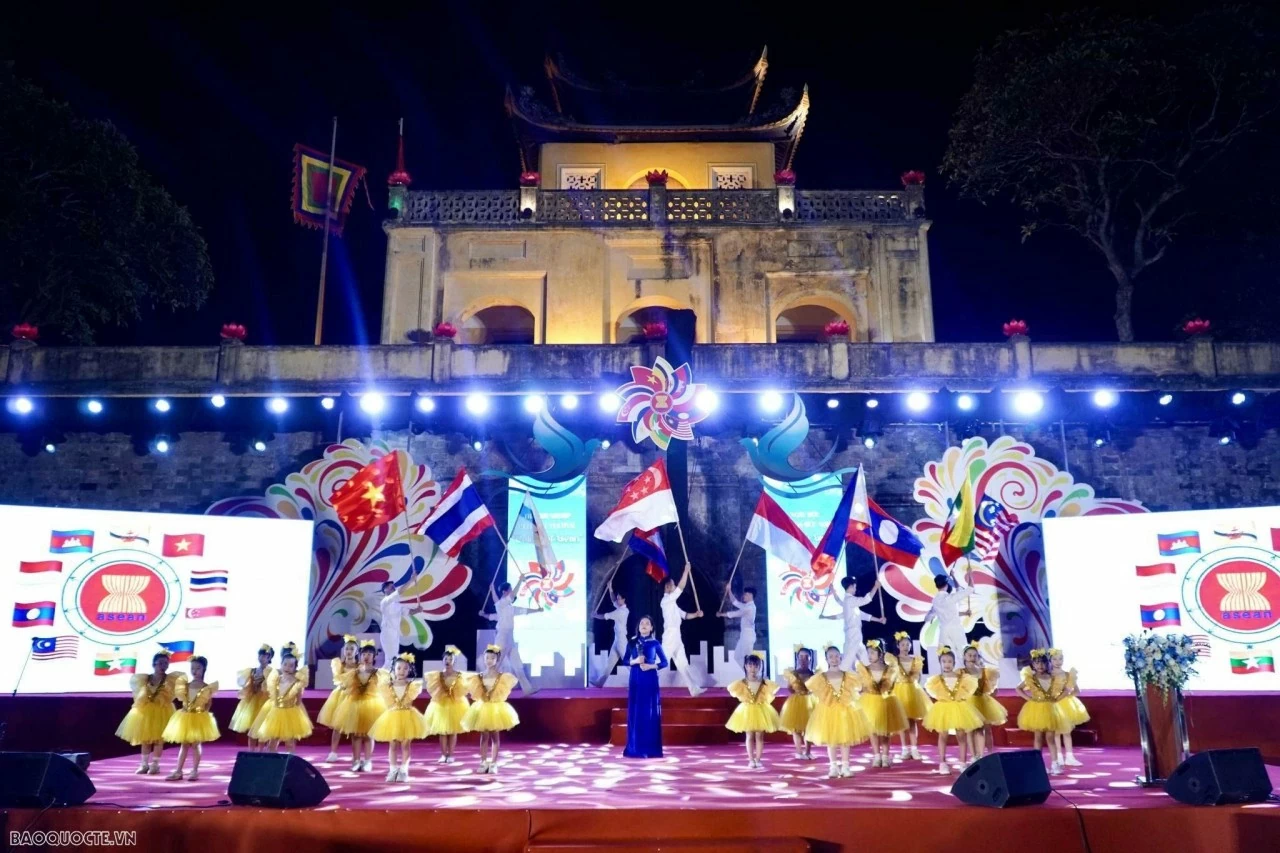 |
| The “ASEAN Colors” Cultural Friendship Day 2024 at Thang Long Imperial Citadel commemorates the 57th anniversary of ASEAN's founding (8/8/1967 - 8/8/2024). (Photo: Tuan Viet) |
Notably, Hanoi can connect ASEAN not only through diplomatic events but through everyday cultural life. A bowl of pho, a cup of lotus tea, the sound of the dan bau, an ancient street, elegant manners, a village festival, or a young creative space can all become doors for ASEAN friends to better understand Vietnam. Conversely, culinary weeks, film festivals, art performances, design exhibitions, youth exchanges, and ASEAN urban heritage festivals in Hanoi also help the capital's residents feel that ASEAN is not distant but close, vibrant, present in every story, every dish, every rhythm, and every opportunity for cooperation.
Hanoi needs to contribute to building ASEAN identity in a way that does not blur the unique identity of each nation but respects differences, evokes similarities, and creates common values. ASEAN identity is not about uniformity but the ability to coexist, share, and develop together in diversity. With a tradition of tolerance, humanity, love for peace, valuing relationships, and emphasising culture, Hanoi can become a cultural rendezvous where ASEAN cultures meet with respect and creativity.
To achieve this, ASEAN cultural exchanges in Hanoi need to be organised as a long-term process, not just short-term activities. More residency programs for artists, cultural industry forums, creative space networks, ASEAN youth festivals, craft village artisan exchange programs, and research and educational projects on Southeast Asian culture are needed.
Especially, the younger generation must become the central subject of this connection. When students, young artists, designers, digital content creators, startups, and Hanoi's creative community participate in storytelling through short films, music, fashion, video games, podcasts, digital exhibitions, and experiential tourism, ASEAN will become closer, more youthful, and more vibrant.
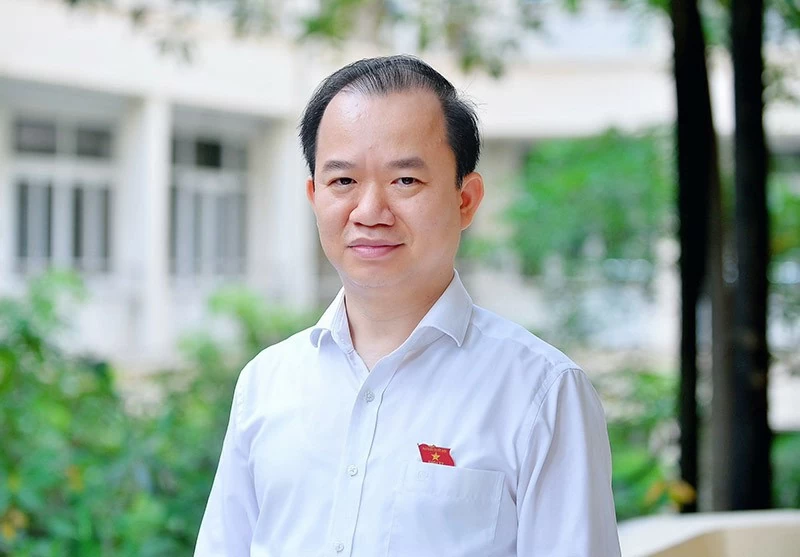 |
| National Assembly Delegate. Bui Hoai Son. (Source: National Assembly) |
From cultural connections to economic development drivers within the Bloc
In today's world, culture is not only a spiritual foundation but also a development resource. Cultural exchanges, if organised methodically, can create markets, boost tourism, expand service trade, develop creative industries, and increase the soft power of the entire region. For Hanoi, connecting ASEAN culture is therefore not only significant for people-to-people diplomacy but also an important direction to contribute to economic development within the bloc.
First is cultural tourism. Hanoi can become a gateway for tourists to experience a Vietnam rich in identity and a diverse, close ASEAN. If products like the “Hanoi in the Southeast Asian Flow” tour, ASEAN urban heritage week, ASEAN culinary space, ASEAN film festival, and ASEAN street art festival are developed, Hanoi will not only attract tourists to visit but also retain them with cultural experiences. Each such activity has the potential to generate additional revenue for accommodation, transportation, restaurants, services, trade, handicrafts, and creative products.
Cuisine is a clear example. Hanoi has pho, bun cha, com, banh cuon, egg coffee; ASEAN countries have pad Thai, tom yum, nasi lemak, laksa, satay, adobo, amok, and many other distinctive dishes. An ASEAN culinary space in Hanoi, if organised annually, could become an attractive tourism product, while also opening opportunities for food businesses, chefs, restaurants, agricultural products, supply chains, and intra-bloc trade. From a dish, one can embark on a cultural exploration journey; from a food festival, new business contracts and collaborations can emerge.
Besides tourism and cuisine, the cultural industry is a field where Hanoi can play a significant role in connecting ASEAN. Film, music, design, fashion, fine arts, performing arts, video games, publishing, advertising, architecture, handicrafts, and digital content are all industries capable of crossing borders quickly. Hanoi can proactively organise ASEAN creative project markets, copyright fairs, cultural industry business forums, co-production film programs, youth music festivals, design weeks, and creative product exchanges. Through this, cultural products can not only stop at performances and exhibitions but can also enter the regional market.
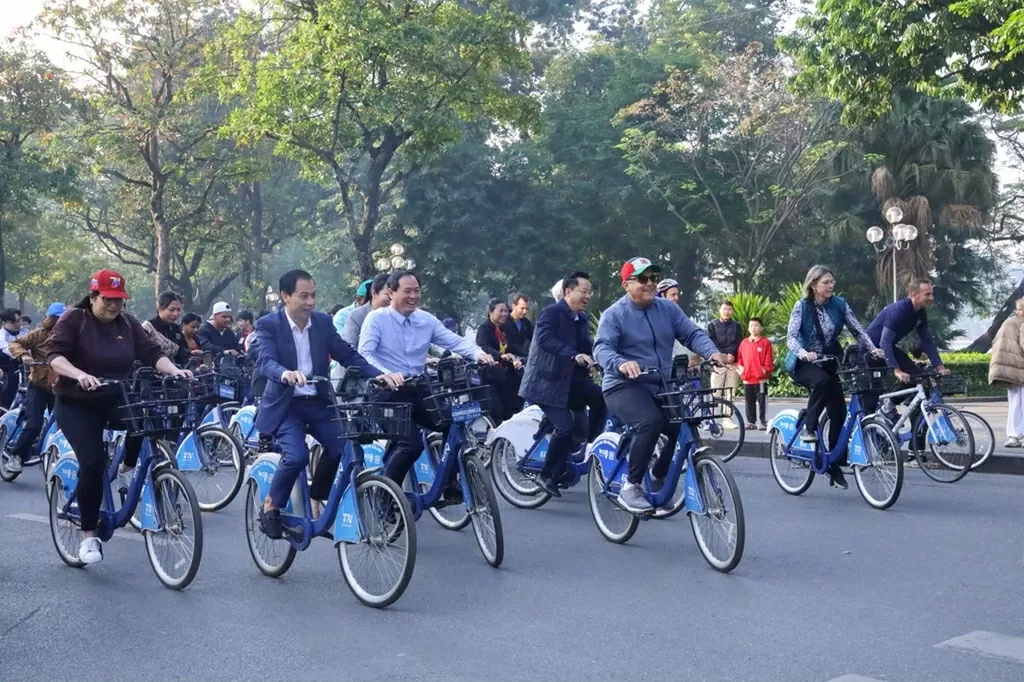 |
| Diplomats, including many ASEAN diplomats, participate in the 5th Friendship Cycling Journey for a Green Hanoi. (Photo: Thu Hien) |
The ASEAN intra-bloc economy in the new era does not only rely on tangible goods but increasingly expands into services, experiences, knowledge, copyrights, and creative assets. Culture is where these values are contained. A traditional pattern, a folk tune, a festival, a dish, a historical story, an urban symbol, if recreated correctly, can become a design, tourism, media, education, or technology product. Hanoi needs to view culture through this new logic: preserving to develop, promoting to create value, and innovating to bring identity into contemporary life and the international market.
To achieve this, a synchronised ecosystem of policies and actions is needed. ASEAN culture in Hanoi should not only be seen as ceremonial or diplomatic activities but should be linked with the strategy for developing cultural industries, tourism, the night economy, creative urban areas, and digital transformation of the capital. The state plays a role in creating, orienting, and providing mechanisms; businesses, artists, universities, research institutes, creative communities, and the public are the forces directly producing products, events, and values.
Digital transformation should also be considered an important tool. Hanoi can build an “ASEAN story bank”, introducing stories about heritage, people, cuisine, craft villages, art, creative urban areas, and regional cooperation in multiple languages. This content can spread through short films, digital maps, virtual exhibitions, podcasts, smart tourism platforms, and social networks. In the digital age, soft power comes not only from large projects but also from the ability to tell compelling, authentic stories that touch human emotions.
Ultimately, the centre of all connections is still people. For Hanoi to connect with ASEAN, Hanoians must understand, love, and see common development opportunities in ASEAN. Hanoi businesses need to view ASEAN not just as a market but as a space for creative cooperation. Young people in Hanoi should see ASEAN not just as a concept in textbooks but as a community of friends, learning, careers, travel, startups, and the future.
Historically, Hanoi has been a place where the essence of the four directions converged to enrich Vietnamese identity. Today, Hanoi can continue that mission on a new scale: Becoming a cultural bridge of ASEAN, where nations meet with respect, understanding, creativity, and aspirations for development. When culture brings people closer, the economy will have more confidence to go further.
When identity is awakened, exchanges are expanded, and creativity is unleashed, Hanoi not only enhances the image of Vietnam but also contributes to building a more cohesive, dynamic, and prosperous ASEAN community.
Tags: