



From identity to soft power: A golden opportunity for Vietnamese cities to shape cultural identity
In a new development journey, Vietnamese cities stand before a golden opportunity to shape their identity through culture.
Latest
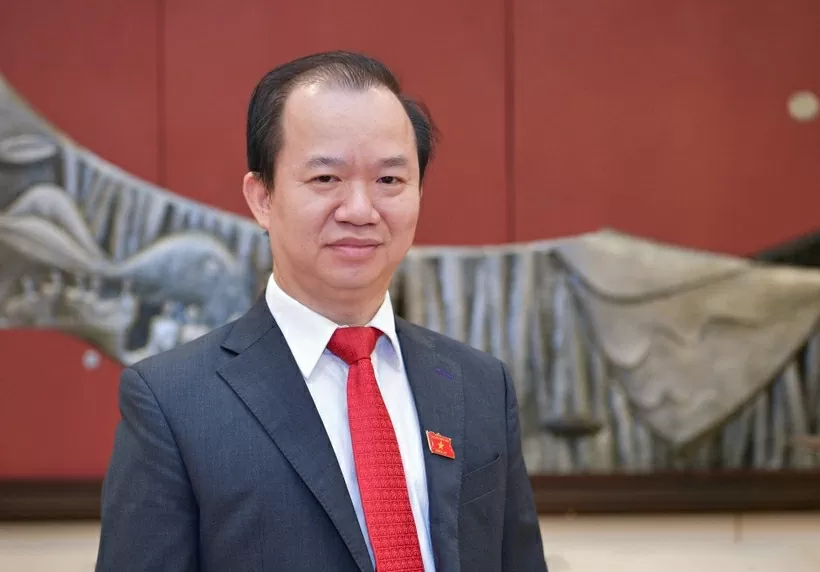 |
| National Assembly deputy Bui Hoai Son stated that investing in culture in cities is about building a living environment rich in identity, where people are inspired and empowered to create. |
In mid-October, as Amsterdam – a 750-year-old European city – hosted the 14th World Cities Culture Summit 2025, where over 40 global creative cities discussed the role of culture in sustainable development, Vietnam's urban landscape is also entering a new phase.
After reorganizing administrative units and development spaces, a series of Party Congresses in centrally governed cities are underway, establishing new visions, aspirations, and development orientations for major centers like Hanoi, Ho Chi Minh City, Hai Phong, Hue, and Da Nang.
In this context, the story of urban culture and the creative power of the Vietnamese people is not just a trend of integration but a key to awakening identity, creating momentum, and establishing a new position for Vietnamese cities in the era of globalization.
Culture – The foundation of modern urban development
In any era, culture remains the root of all development. While the economy shapes the physical form of a city, culture forms its soul, identity, and vitality. In the 21st century – an era of rapid globalization and urbanization where skyscrapers and modern infrastructure become commonplace – what truly differentiates cities is no longer their size or brightness but their cultural depth and human creativity.
From London (UK), Paris (France), Amsterdam (Netherlands) to Seoul (South Korea), Tokyo (Japan), or Melbourne (Australia) – leading global cities have proven that culture is the “soft power” of sustainable development, the bond that connects people, inspires innovation, and shapes identity in international integration. It's no coincidence that this year's World Cities Culture Summit (WCCF) chose the theme “Stronger Together: Culture in a Changing World”. Here, culture is no longer a separate field but a central axis in the planning, investment, and policy development of modern urban areas.
For Vietnam, this message arrives at the right time. Our country is entering a period of strong restructuring, not only administratively as provinces and cities merge and expand development spaces but also in development thinking, aiming towards a knowledge-based, green, and creative economy. In this flow, major cities like Hanoi, Ho Chi Minh City, Hai Phong, Hue, and Da Nang are expected to become centers leading cultural development and creative industries, where culture is not only the “soul” but also a strategic asset.
Major Party resolutions from Resolution 33-NQ/TW on building and developing Vietnamese human culture to Resolution 06-NQ/TW on sustainable urban planning and development, or the Strategy for the Development of Cultural Industries by 2030, all clearly state: Culture must be considered the spiritual foundation of society, the intrinsic strength, and the driving force for the sustainable development of the country. This is not just a direction but a mandate of the era as Vietnam enters a deeper integration cycle with the world.
From an urban perspective, placing culture at the center of planning holds special significance. A city cannot be measured solely by population size or GDP but must be evaluated by the level of happiness, creativity, and quality of life of its residents. When culture becomes the soft infrastructure, meaning when every policy, public space, and architectural work embodies the spirit of people, heritage, and creativity, then the city truly has a soul.
In a new development journey, Vietnamese cities stand before a golden opportunity to shape their identity through culture. Hanoi with its thousand-year-old heritage; Ho Chi Minh City with its openness and innovative energy; Hue with its deep heritage and artistic rhythm; Da Nang with its modern resilience and humanistic planning; Hai Phong with its industrial character and maritime spirit... All are contributing to a new symphony of Vietnamese urban culture.
If culture is considered an underground flow, then cities are where this flow is most vividly revealed through lifestyle, space, style, creativity, and people. Therefore, investing in culture in cities is not just about building theaters, museums, or pedestrian streets but about creating a living environment rich in identity, where people are inspired and empowered to create.
“Culture is the infrastructure of the urban soul” is not a slogan but a new understanding of development. When each city knows how to nurture its culture, Vietnam will have an urban system that is not only dynamic and modern but also rich in identity, humanistic, and capable of spreading the soft power of the nation in a world that is changing every day.
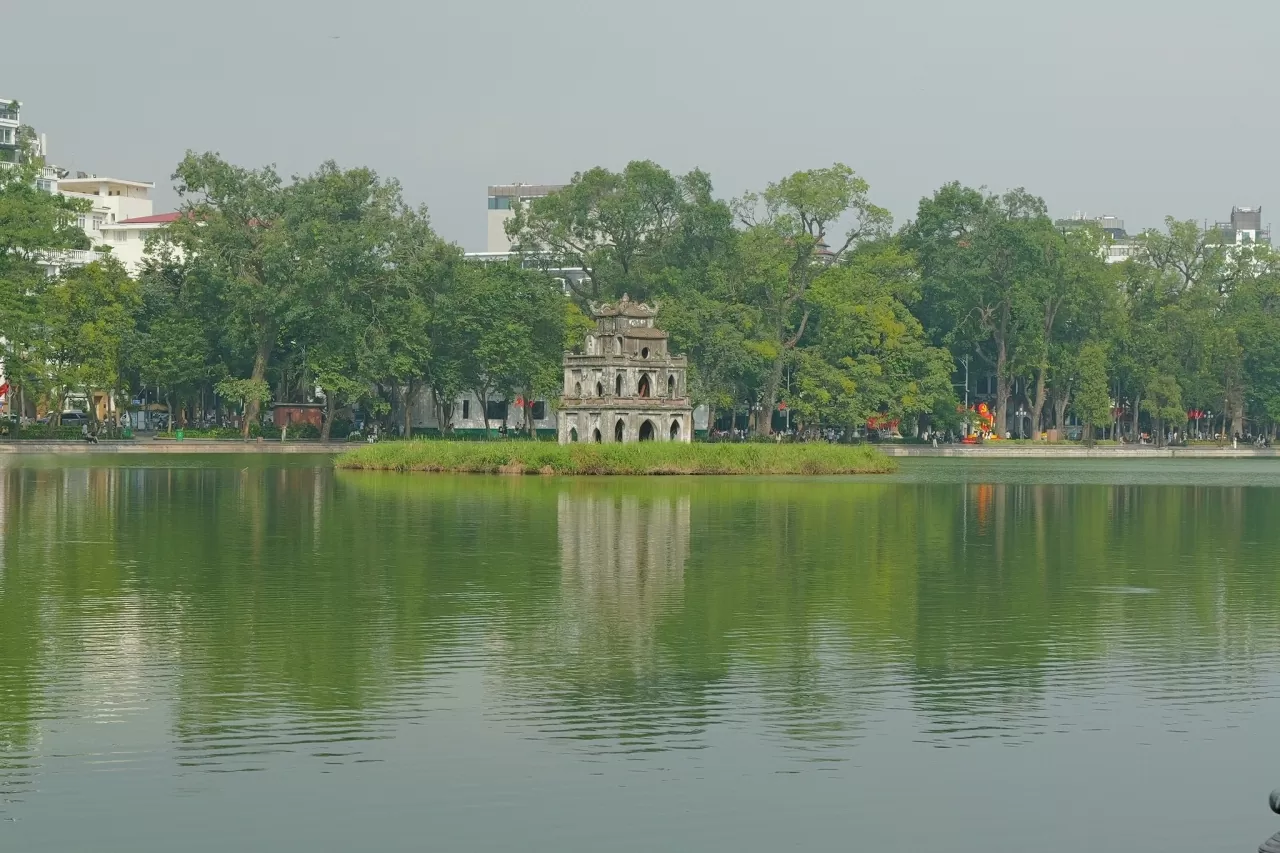 |
| Hanoi with its thousand-year-old heritage. (Photo: Ngo Minh Chau) |
Transforming through creative culture
Every city has a soul, and how they awaken that soul is the story of culture. In recent years, Vietnam has witnessed an interesting shift: Major cities no longer view culture merely as a field of preservation or propaganda but begin to see it as a development resource – an economy of creativity and inspiration. As the country restructures its administrative boundaries, urban centers are also “restructuring their spirit”, seeking more sustainable, humane, and distinctly Vietnamese development models.
Hanoi is at the forefront of this trend. After being recognized by UNESCO as a Creative City in the field of design (2019), the capital has strived to transform from a “city of heritage” to a “city of ideas”. Creative spaces like Complex 01, VICAS Art Studio, Heritage Space, Phung Hung Mural Street, Long Bien Art Space, or the Hanoi Creative and Design Festival have become symbols of a youthful Hanoi, daring to experiment and innovate while still deeply imbued with the spirit of a thousand years of civilization. Culture is not only displayed in museums or relics but has stepped out into the streets, blending with the community's rhythm, becoming a common language of urban creativity.
Ho Chi Minh City, after expanding its administrative boundaries to merge with Binh Duong and Ba Ria – Vung Tau, is forming a creative mega-city in the Southeast region – a convergence of industry, finance, technology, and culture. With its open and dynamic nature, Ho Chi Minh City has become a “large laboratory” for new ideas: Developing the night economy, cultural industries, creative tourism, organizing music festivals, street art, film festivals, community cultural spaces, and recently, the plan to develop the Eastern creative belt (Thu Duc City). The spirit of “Saigon never sleeps” is being shaped into a brand – a symbol of the youth, commitment, and integration of the city named after Uncle Ho.
Hue, on the other hand, moves quietly yet profoundly. As Vietnam's “heritage capital”, Hue does not confine itself to the past but is striving to reposition its image through contemporary creativity. The Hue Festival, from a national cultural event, has become an international cultural brand, recognized by UNESCO as a model for combining heritage preservation with cultural tourism development. Art performances in the Imperial City, monument lighting, cultural spaces along the Perfume River, design, fashion, and traditional music centers are helping Hue transform from a static heritage city to a city of emotion and art.
Da Nang tells the story of a modern city that knows how to balance technology and culture. Dubbed the most livable city in Vietnam, Da Nang has shaped its development strategy based on smart governance, humanistic planning, and community cultural values. International fireworks festivals, light festivals, street art, along with the development of the software industry and digital creative services, are turning Da Nang into a new cultural – technology center of Vietnam. Here, residents not only live in a convenient city but also in an inspiring space.
Hai Phong – the northern port city is gradually shedding its image as a “purely industrial city” to assert itself as a “creative maritime city”. With its unique French colonial architecture, new public cultural works, Tam Bac pedestrian street, street music festivals, maritime cultural spaces, and art installations at the old port area, Hai Phong is transforming into a dynamic cultural – maritime tourism center. The combination of industrial discipline and artistic emotion is creating a “new Hai Phong”: Industrial yet not rigid, strong yet still delicate.
From North to South, Vietnamese cities are together painting a new picture of urban culture in the integration era. Each place has its own character, strengths, and story, but all share a common direction: Viewing culture as the foundation and driving force for development. This is not just the rise of a trend but the beginning of an era – an era where Vietnamese cities step into the world with the power of identity and creativity.
“A city truly develops when its people love where they live and proudly tell their story to the world”. Hanoi, Ho Chi Minh City, Hue, Da Nang, Hai Phong – each city is telling Vietnam's story in its own way, but all contribute to a shared melody: The belief that culture is the shortest path to bring Vietnam to the future.
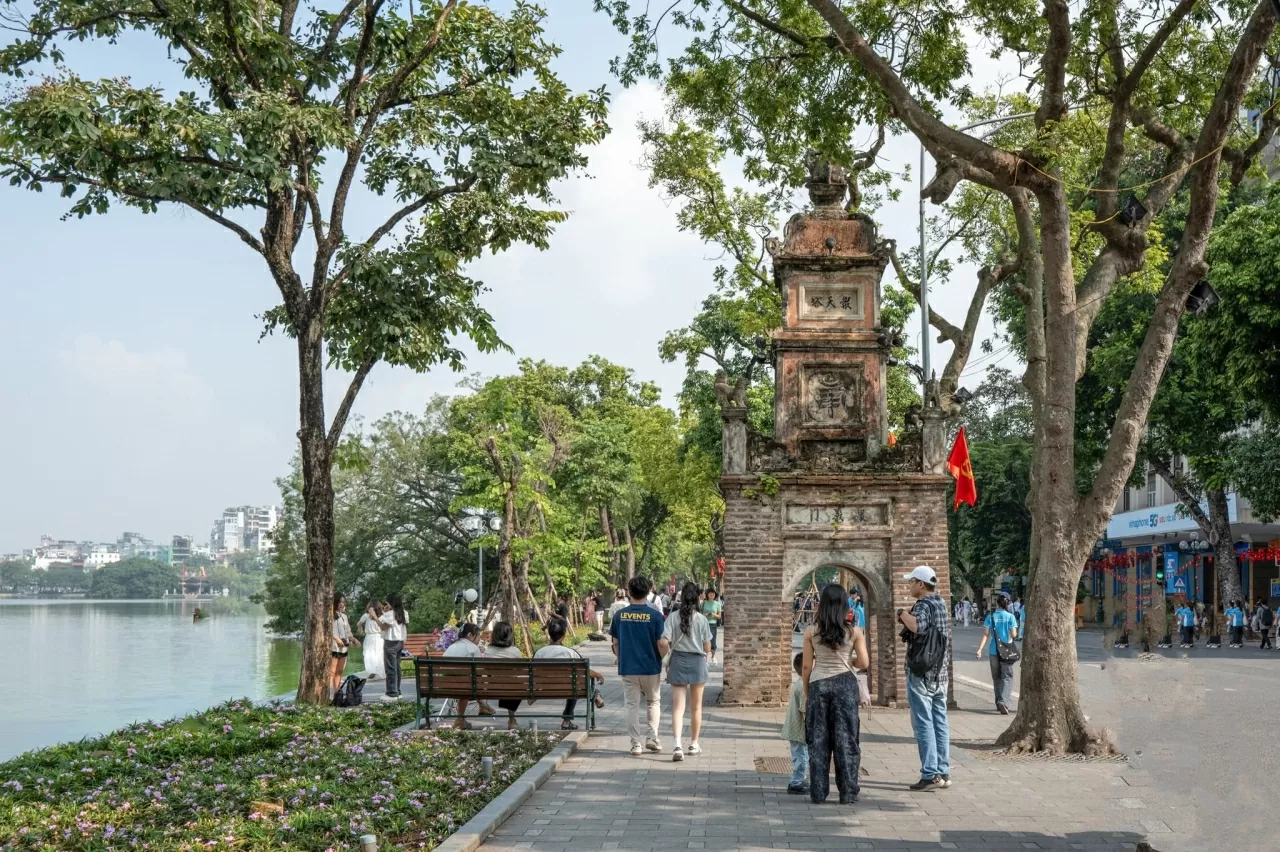 |
| Hanoi can play a role as a heritage and creative design center. (Photo: Ngo Minh Chau) |
Towards a network of cultural cities
The development story of Vietnamese cities today is not just about expanding spaces, upgrading infrastructure, or boosting economic growth, but more profoundly, it's about building identity and asserting Vietnam's position on the map of cultural cities worldwide. When culture is seen as a soft foundation and a creative driver, connecting cities both domestically and internationally will be an inevitable step.
Globally, models like the World Cities Culture Forum (WCCF) or UNESCO's Creative Cities Network (UCCN) have proven that when cities collaborate and share experiences, they can grow stronger together. Here, culture is not just a city's private asset but a shared energy source nurturing global development.
Hanoi's joining of the UNESCO creative network since 2019 is an important starting point, but it's time for Vietnam to go further: Building a “Network of Cultural and Creative Cities in Vietnam”, connecting major centers like Hanoi, Ho Chi Minh City, Hue, Da Nang, Hai Phong, along with potential cities like Can Tho, Nha Trang...
This network, if shaped with a strategic vision, will create an inter-urban cultural ecosystem, where each city plays a different role but all aim for a common goal: Building Vietnam into a creative, civilized, and livable nation. Hanoi can play a role as a heritage and creative design center; Ho Chi Minh City – a center of cultural industries and creative economy; Hue – an artistic heritage city; Da Nang – a cultural technology center; Hai Phong – a maritime cultural city. When cities share data, strategies, cooperation programs, and cultural initiatives, Vietnam will have a strong enough “creative map” to participate more deeply in the global network.
To achieve this, a national strategy on cultural cities is needed, where the Ministry of Culture, Sports, and Tourism plays a policy-making role; localities actively implement, and the creative community, businesses, and youth become the core force. Priority policies on creative spaces, artist support, cultural industry development, night economy, aesthetic education, and digital technology in art will be the keys to realizing this vision.
Along with that, Vietnam needs to be more proactive in urban cultural diplomacy – sending representatives to international forums like WCCF, hosting regional UCCN conferences, and organizing international cultural events of Asia-Pacific scale. Because in today's world, a country's position is not only measured by GDP size but also by its ability to tell its story through culture, people, and livable cities.
Culture is the “common language” of humanity. When each Vietnamese city knows how to speak its own language, both modern and deeply rooted in identity, the entire country will raise a common voice: The voice of creativity, peace, and development.
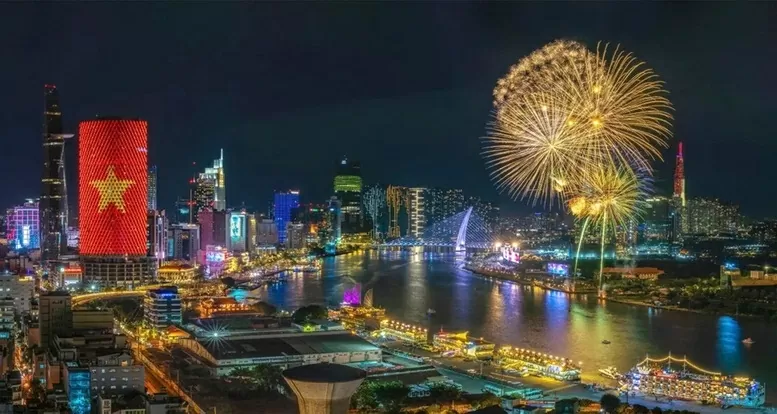 |
| A flourishing Ho Chi Minh City. (Source: VGP) |
Telling the story through culture
From Amsterdam to Seoul, from London to Hanoi, the world is witnessing a new development trend where culture is placed at the center of urban planning, people become the creative subjects, and cities become spaces nurturing happiness. Vietnam, with its journey of “rearranging the landscape”, reshaping development structures, has a rare opportunity to enter this era – an era where each city is not just a place to live but a space to live, create, and spread values.
When Hanoi awakens creativity from heritage, when Ho Chi Minh City expands its scope to become a regional mega-city, when Hue renews heritage with contemporary art, when Da Nang combines culture with technology, when Hai Phong blends maritime industry with music and art... All are showing the world a new image of Vietnam: A country of cities that know how to preserve the past, enrich the present, and move towards the future with the power of culture.
It's time for Vietnam not only to export goods but also to export inspiration; not only to have cities to live in but cities to love, to be proud of, and for the world to know. Because when culture becomes the soul of the city, Vietnam will truly enter an era of development with soft power – an era of creative, humane, and happy cities.
| The World Cities Culture Forum (WCCF) is a leading global network bringing together urban leaders from over 40 creative cities such as Abu Dhabi, Amsterdam, Austin, Barcelona, Beijing, Bengaluru, Boston, Brasília, Brussels, Chengdu, Chicago, Cologne, Dubai, Dublin, Edinburgh, Guangzhou, Hamburg, Helsinki, Hong Kong, Istanbul, Jakarta, Kyiv, Lisbon, London, Los Angeles, Melbourne, Milan, Montréal, Nanjing, New York, Oslo, Paris, Rio de Janeiro, San Francisco, São Paulo, Seoul, Stockholm, Sydney, Taipei, Tokyo, Toronto, Vancouver, Vienna, Warsaw, and Zürich. This network spans six continents, representing over 245 million people, sharing ideas and solutions to build a world where culture is at the heart of urban development, driving equity, prosperity, and sustainability in people's lives, work, and leisure. Urban leaders in the network seek solutions to 21st-century challenges from climate change, lack of creative workspaces, cultural tourism development, and the night economy, to promoting diversity in public spaces by placing culture at the center of urban planning and investment. The forum was established in 2012, based on the belief that global cities can achieve more when they collaborate and share ideas generously. The founder and president of the forum is Justine Simons OBE, Deputy Mayor of London for Culture and Creative Industries; the Mayor of London, Sadiq Khan, is the patron. |