
From memories of old Saigon markets to today's heritage connection journey
Not only does it recreate a corner of Saigon's markets from the 1960s-1970s, the program on Dang Dung Street, Ho Chi Minh City also opens up a meeting space between generations, where stories about the Saigon - Gia Dinh Special Forces are retold through the memories of witnesses, the affection of the people, and cultural values preserved over time.
Latest
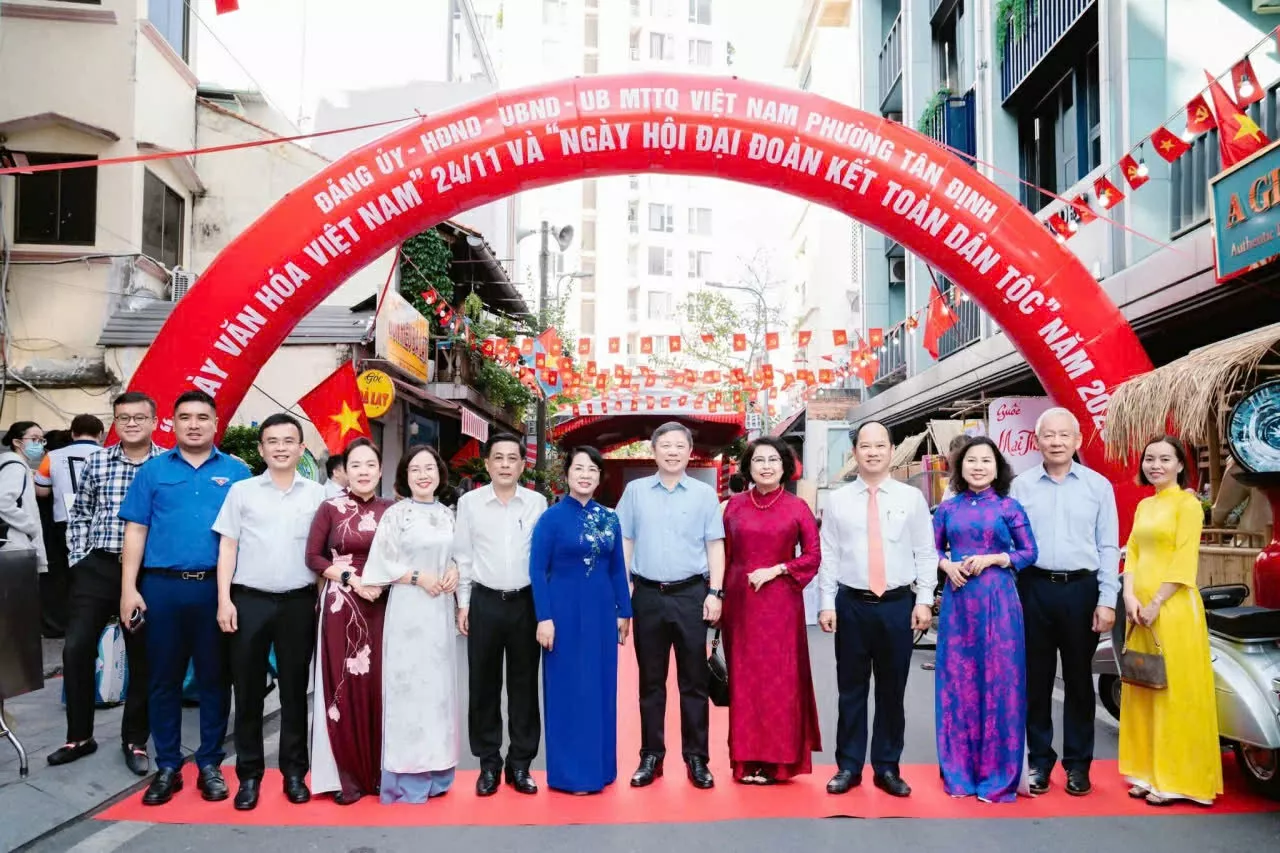 |
| Delegates attended the celebration of Vietnam Culture Day and the Great National Unity Festival held in Tan Dinh Ward, Ho Chi Minh City on the morning of November 14. |
On November 14, Dang Dung Street in Tan Dinh Ward, Ho Chi Minh City became bustling with stalls reminiscent of old markets. Conical hats, wooden clogs, and familiar items from a bygone era were arranged amidst the modern urban space, evoking images of Saigon more than half a century ago.
Among the visitors, many paused for a long time at the stalls, attentively observing each item, taking souvenir photos, and recounting past stories to their children and grandchildren.
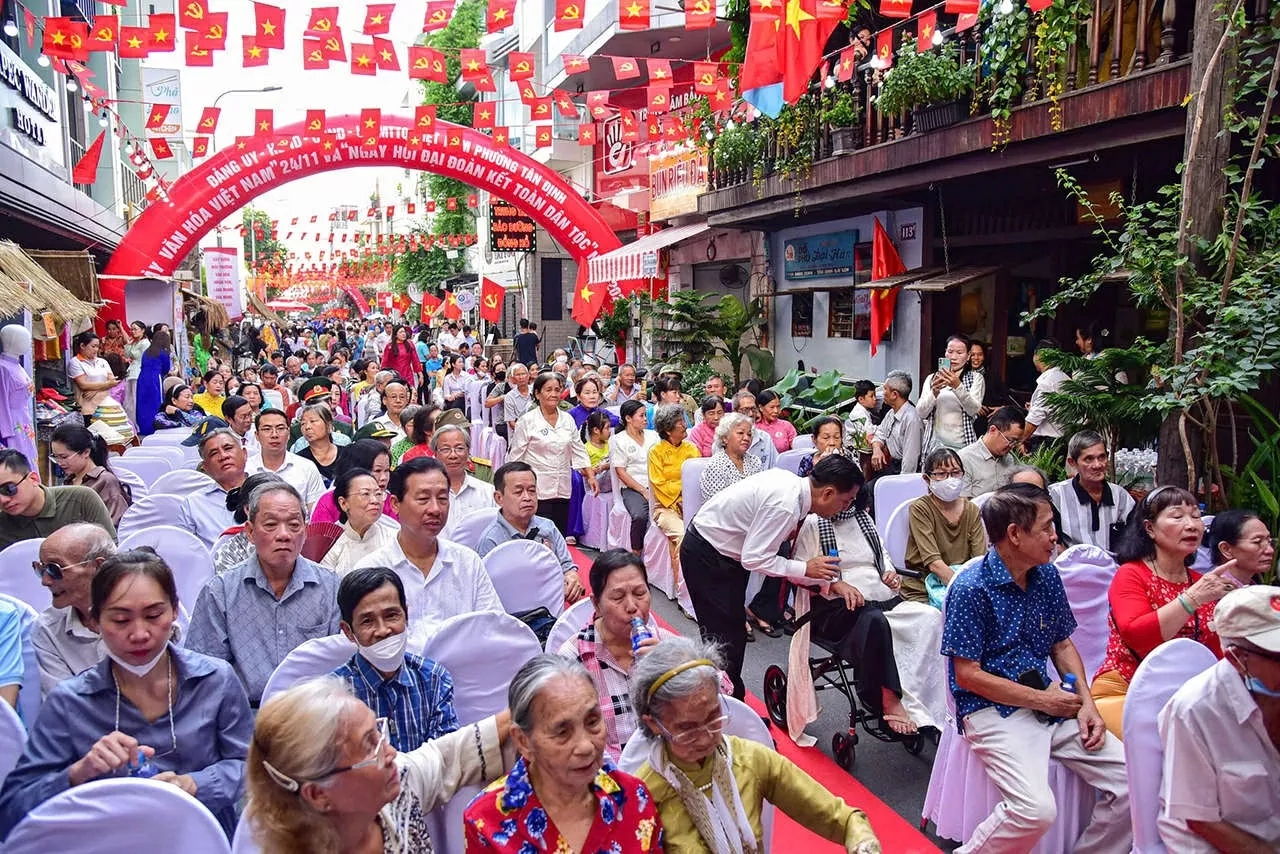 |
| Not only does it recreate a corner of Saigon's markets from the 1960s-1970s, but the program on Dang Dung Street, Ho Chi Minh City, opens up a meeting space between generations, where stories about the Saigon - Gia Dinh Special Forces are retold through the memories of witnesses, the affection of the people, and cultural values preserved over time. |
For those who once lived in Saigon, those years are an opportunity to rediscover familiar images.
For the younger generation, it is a chance to explore a part of urban life they only know through books and stories from their grandparents and parents.
The cultural space of the old market is a highlight in the program “Preserving Identity - Connecting Affection”, organized by the People's Committee and the Vietnam Fatherland Front Committee of Tan Dinh Ward in collaboration with the Saigon - Gia Dinh Special Forces Museum, in response to the Great National Unity Festival and Vietnam Culture Day 2026.
The program was attended by Dang Thi Ngoc Thinh, former Vice President; To Thi Bich Chau, former Vice President of the Central Committee of the Vietnam Fatherland Front; as well as local government representatives, veterans, historical witnesses, and relatives of the Saigon - Gia Dinh Special Forces fighters.
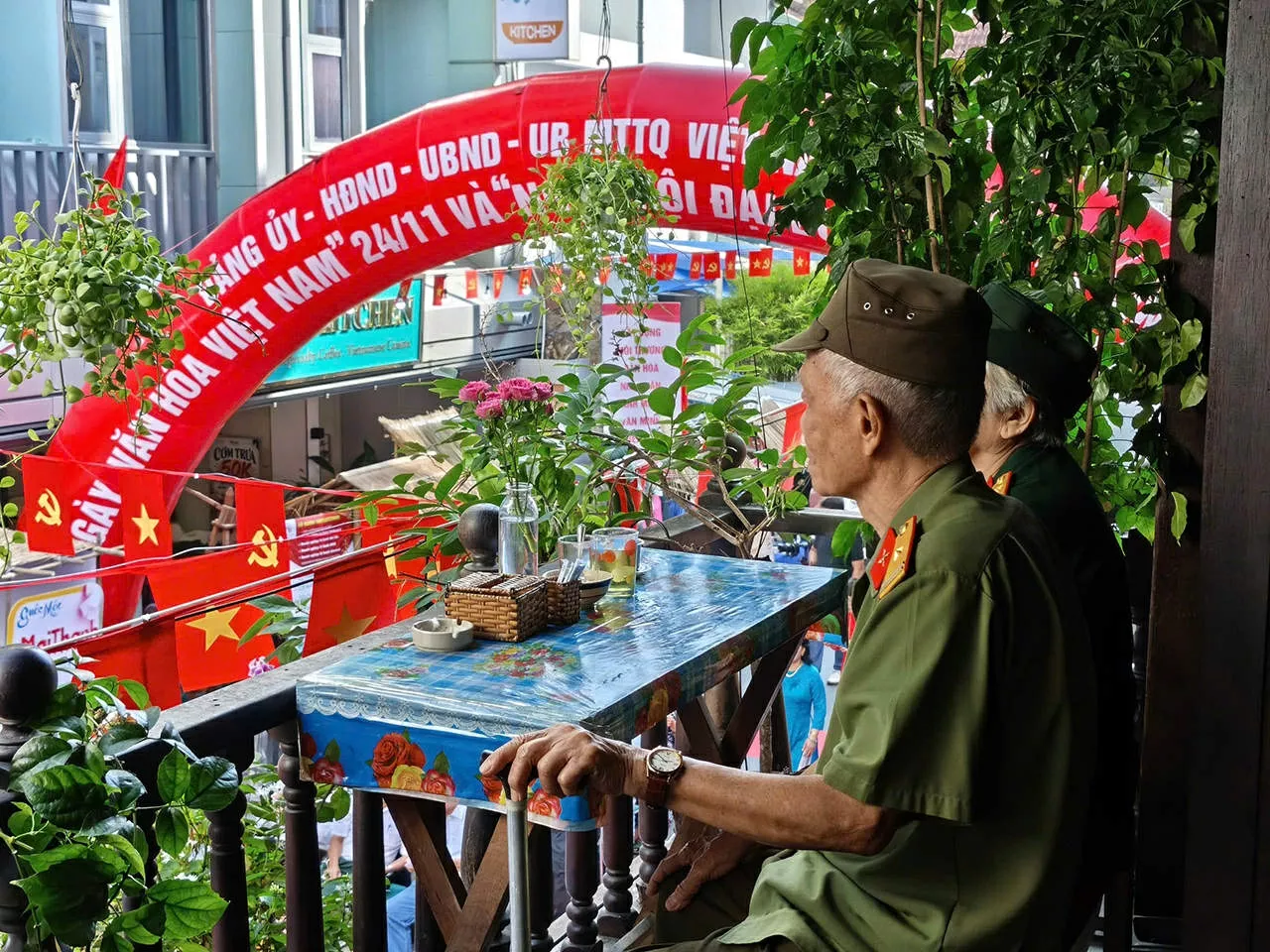 |
| Veterans at the Saigon Special Forces relic, 113A Dang Dung, Tan Dinh Ward, |
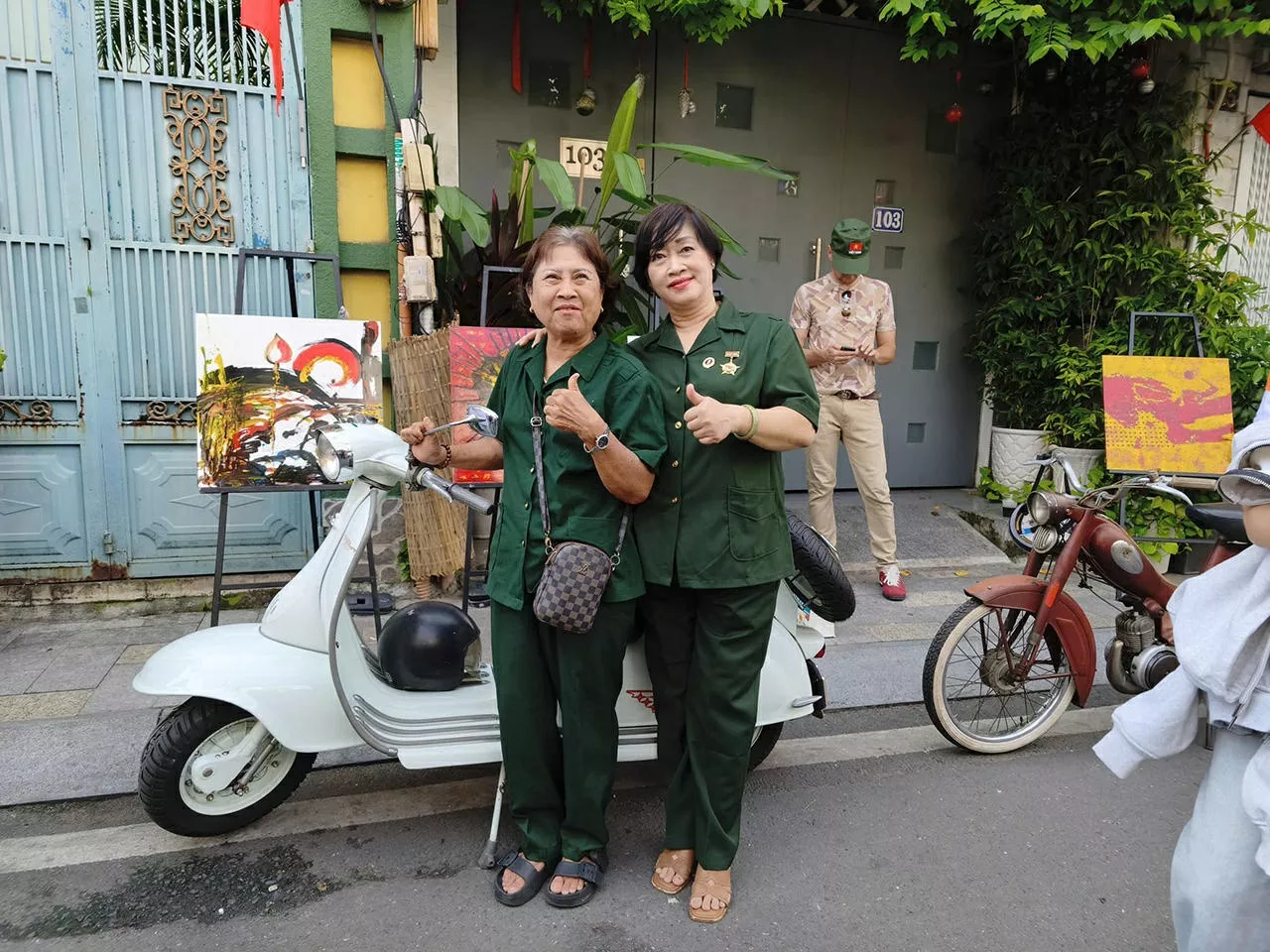 |
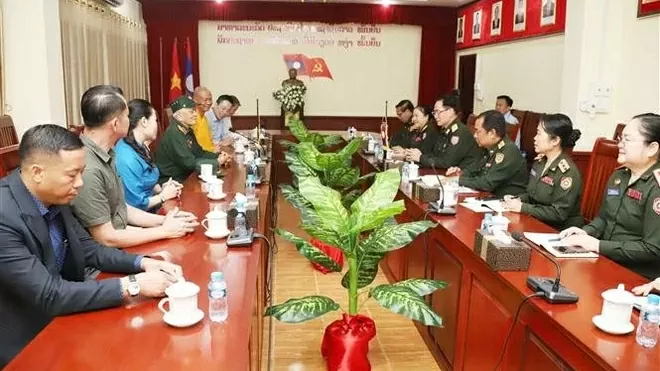
| Former intelligence operatives of the Saigon Special Forces participating in the festival. |
Historical Stories Told Through Witness Memories
Beyond the nostalgic atmosphere of an old market, the program also takes participants back to the secretive years of the Saigon-Gia Dinh Special Forces.
At 113A Dang Dung, a site associated with the secret operations of the special forces, historical witnesses gathered to share stories of urban warfare, the challenging years, and camaraderie after the war.
Among them were Vu Minh Nghia, a female fighter of Special Forces Team 5 who participated in the attack on Independence Palace during the Tet Offensive of 1968, Lai Thi Kim Tuy, a female liaison of Special Forces Team 3, Ho Duy Hung, a former intelligence officer of Saigon - Gia Dinh, and Lam Quoc Dung, who once handled paperwork for secret operatives.
 |
| Beyond the nostalgic atmosphere of an old market, the program also takes participants back to the secretive years of the Saigon-Gia Dinh Special Forces. |
Through the stories of these witnesses, we gain a deeper understanding that behind the battles that went down in history were the silent contributions of many forces and revolutionary base families.
These were the people involved in liaison work, logistics, and clerical duties, as well as the families who quietly sheltered cadres, stored documents and weapons, and protected secret operational bases.
Notably, the presence of martyrs' relatives and families who once sheltered the revolutionary forces added even more significance to the gathering.
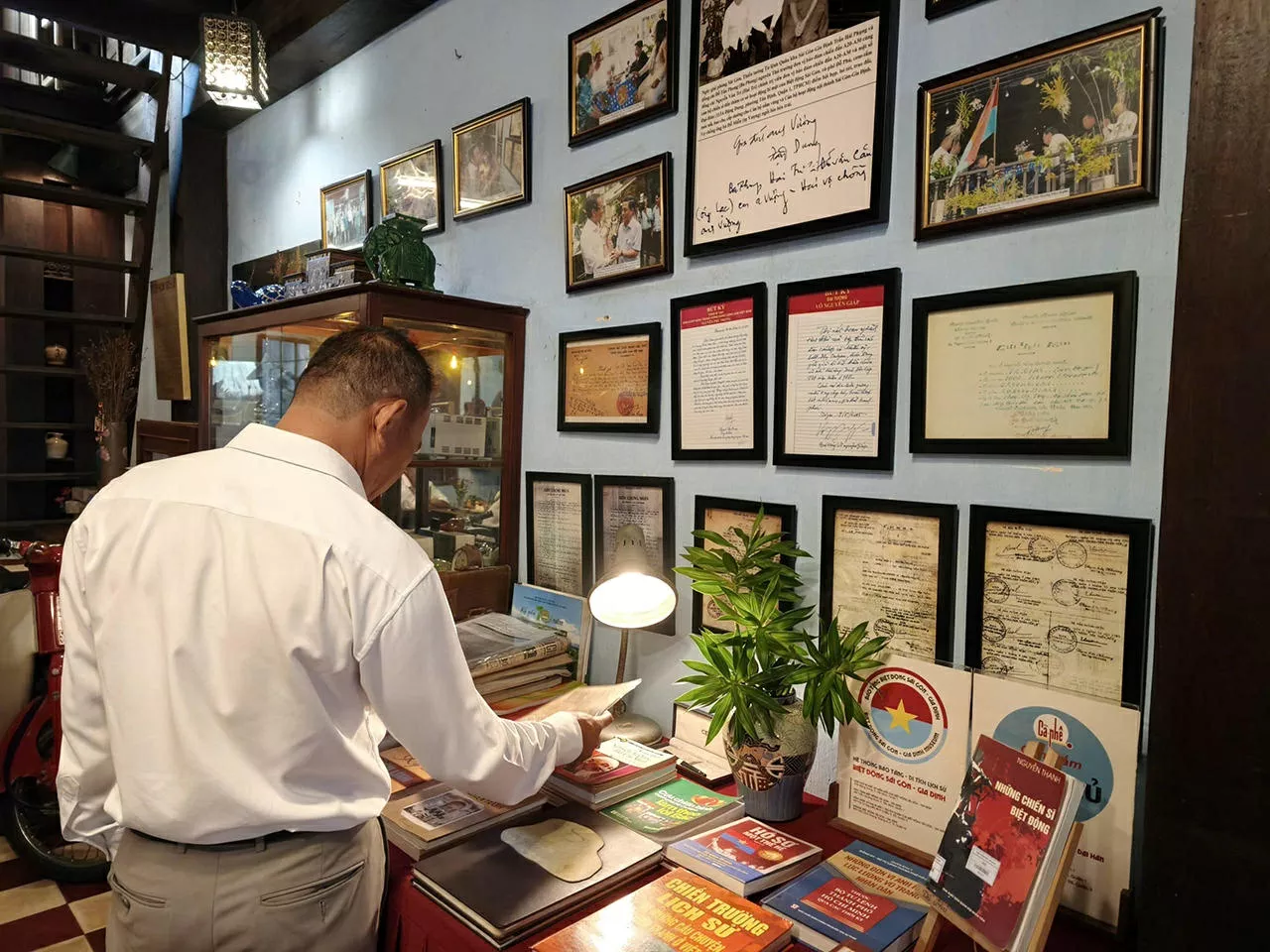 |
| The exhibition area displays documents, images, and digital exhibits that introduce the history of the locality's formation and development, landmarks, characters, architectural works, and the cultural activities of the people. |
To Thi Mai Huong, daughter of Heroic Martyr To Hoai Thanh, and Do Tan Cuong, son of Mr. and Mrs. Do Mien, the owners of the house where the program was held, are those who continue the family's memories with the local historical story.
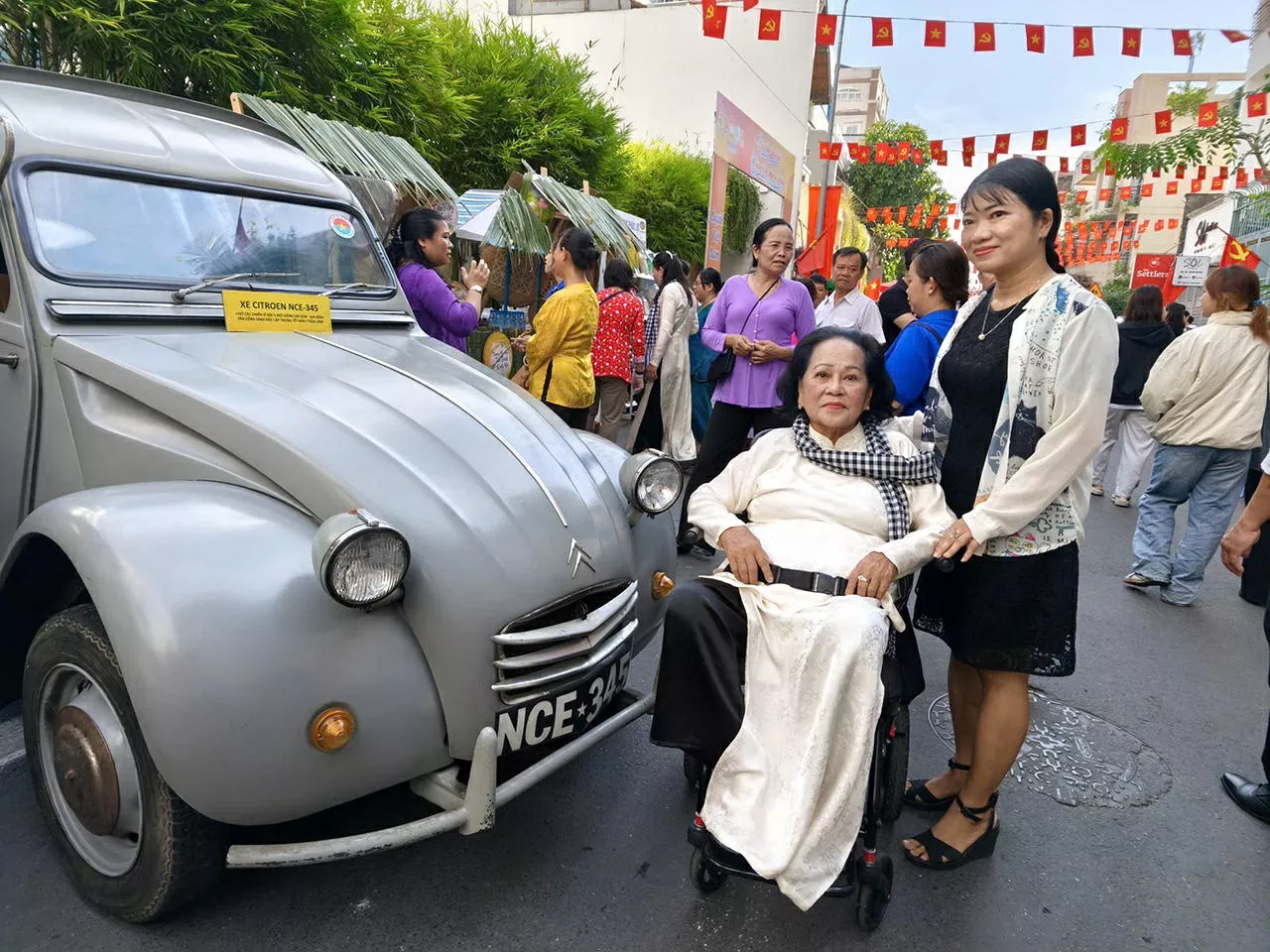
One of the artifacts that captured visitors' attention was the Citroën with registration number NCE-345, part of a collection of vintage cars associated with the activities of the Saigon Special Forces.
This is one of two cars owned by Tran Van Lai, a Hero of the People's Armed Forces, that were used by Special Forces Team 5 during the attack on Independence Palace in the Tet Offensive of 1968. Artifacts like the vintage car are not merely wartime vehicles.
They are also testimonies that help people today visualize more clearly the operational methods, creativity, and courage of special forces fighters in the urban heart.
 |
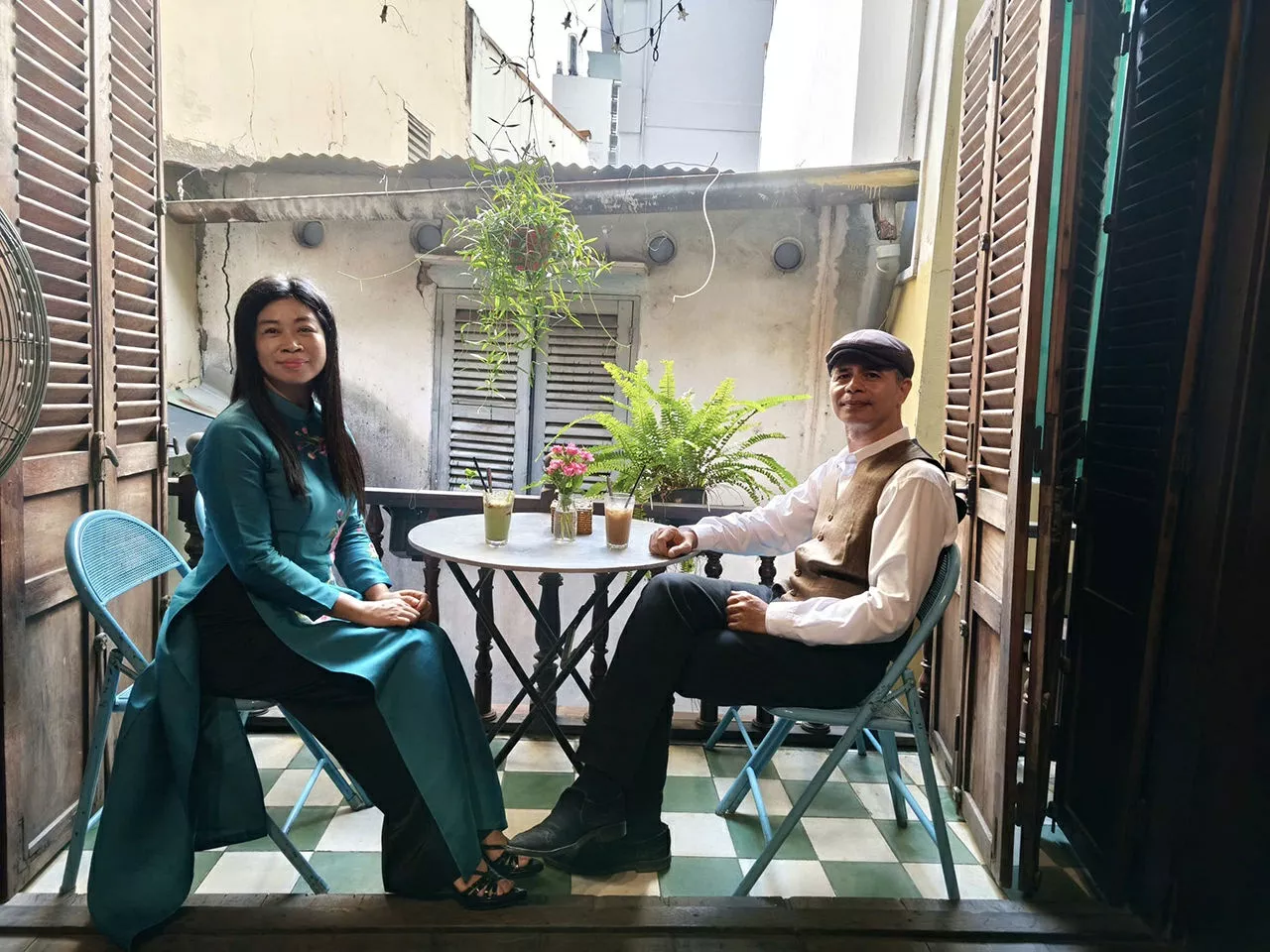 |
| For the younger generation, it is a chance to explore a part of urban life they only know through books and stories from their grandparents and parents. |
When Heritage Becomes Part of Community Life
Besides the old market space and witness interaction activities, the festival also featured various cultural, artistic, and sports activities, heritage tours, lacquer painting exhibitions by artist Viet Anh, culinary exploration, OCOP products, and digital experiences of Tan Dinh Ward.
The exhibition area displays documents, images, and digital exhibits that introduce the history of the locality's formation and development, landmarks, characters, architectural works, and the cultural activities of the people.
Through this, historical values are not only preserved in museum spaces but also present in everyday activities.
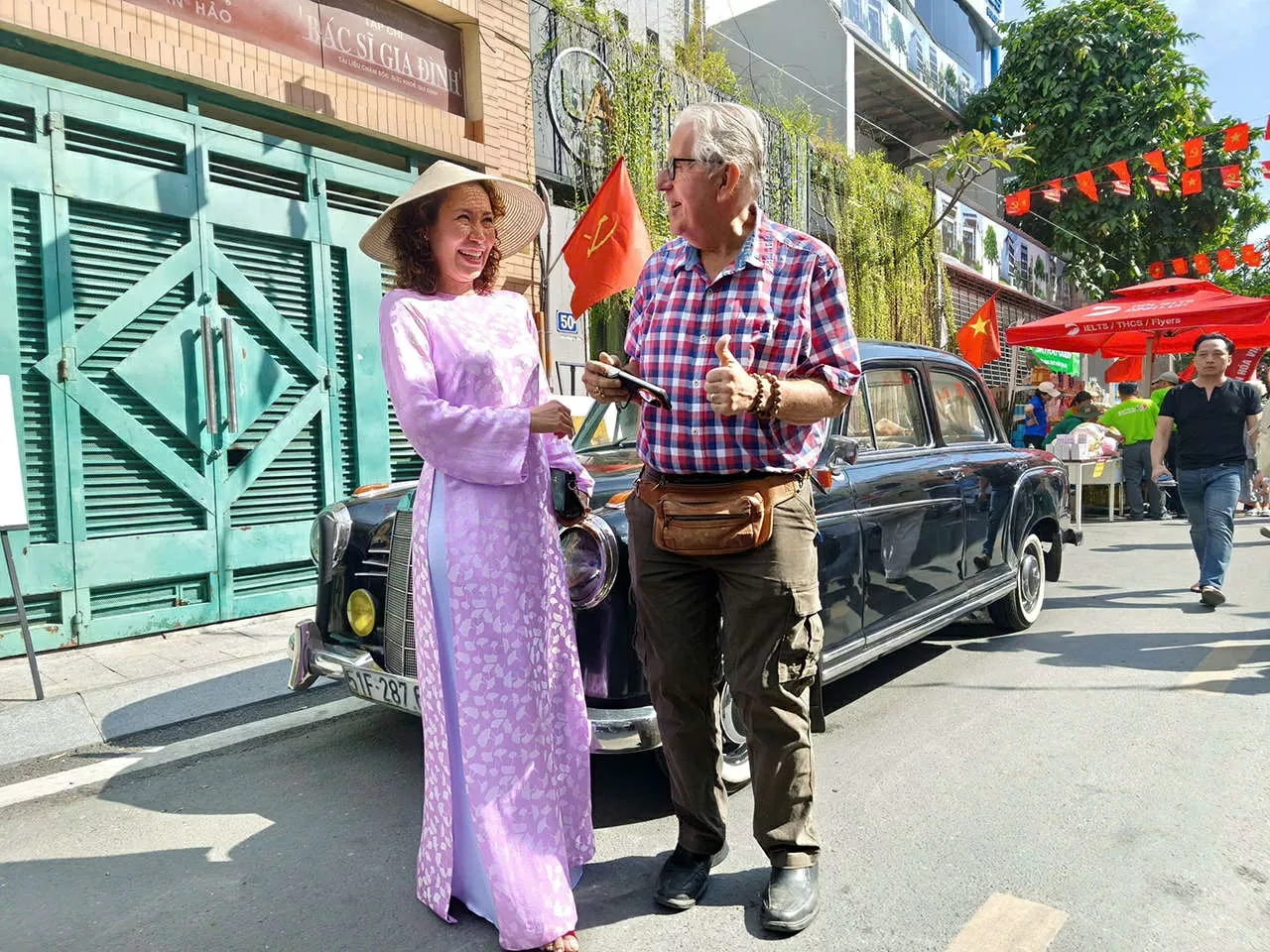 |
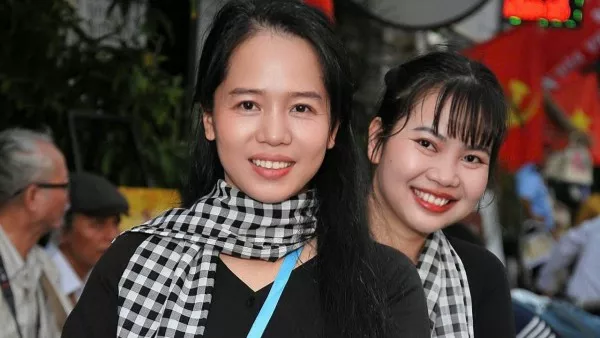
| Many foreign tourists were very enthusiastic about the event. |
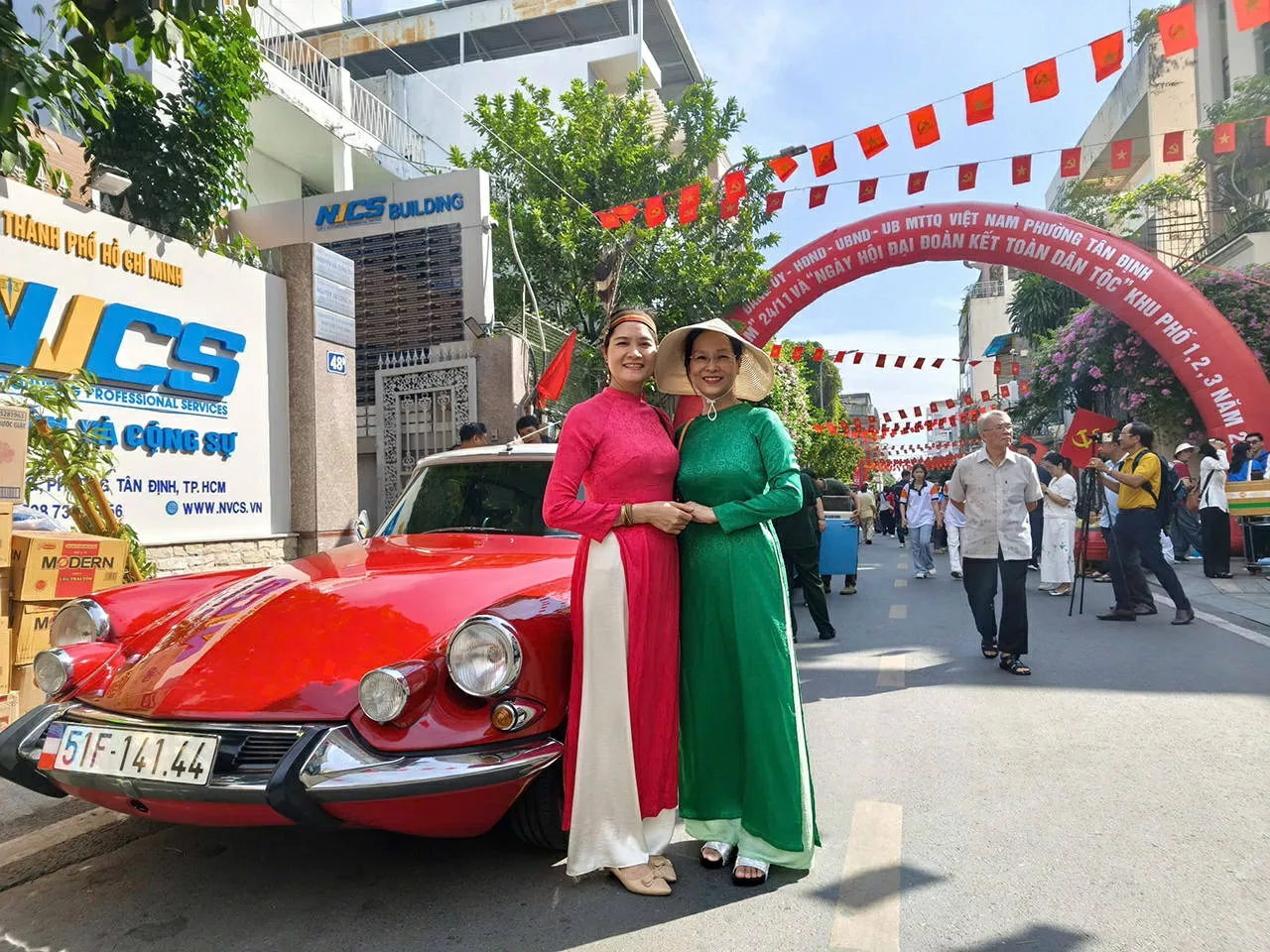
Many locals, foreign tourists, and young people were eager to visit and take photos at the old market stalls. Curiosity and interest in familiar items from the past demonstrate the allure of heritage when presented in a vivid, engaging, and accessible manner.
According to Do Thi Anh Tuyet, Vice Chairman of the People's Committee of Tan Dinh Ward, the program is an innovative model that promotes the community's role in organizing cultural activities, connecting residents, and preserving traditional values.
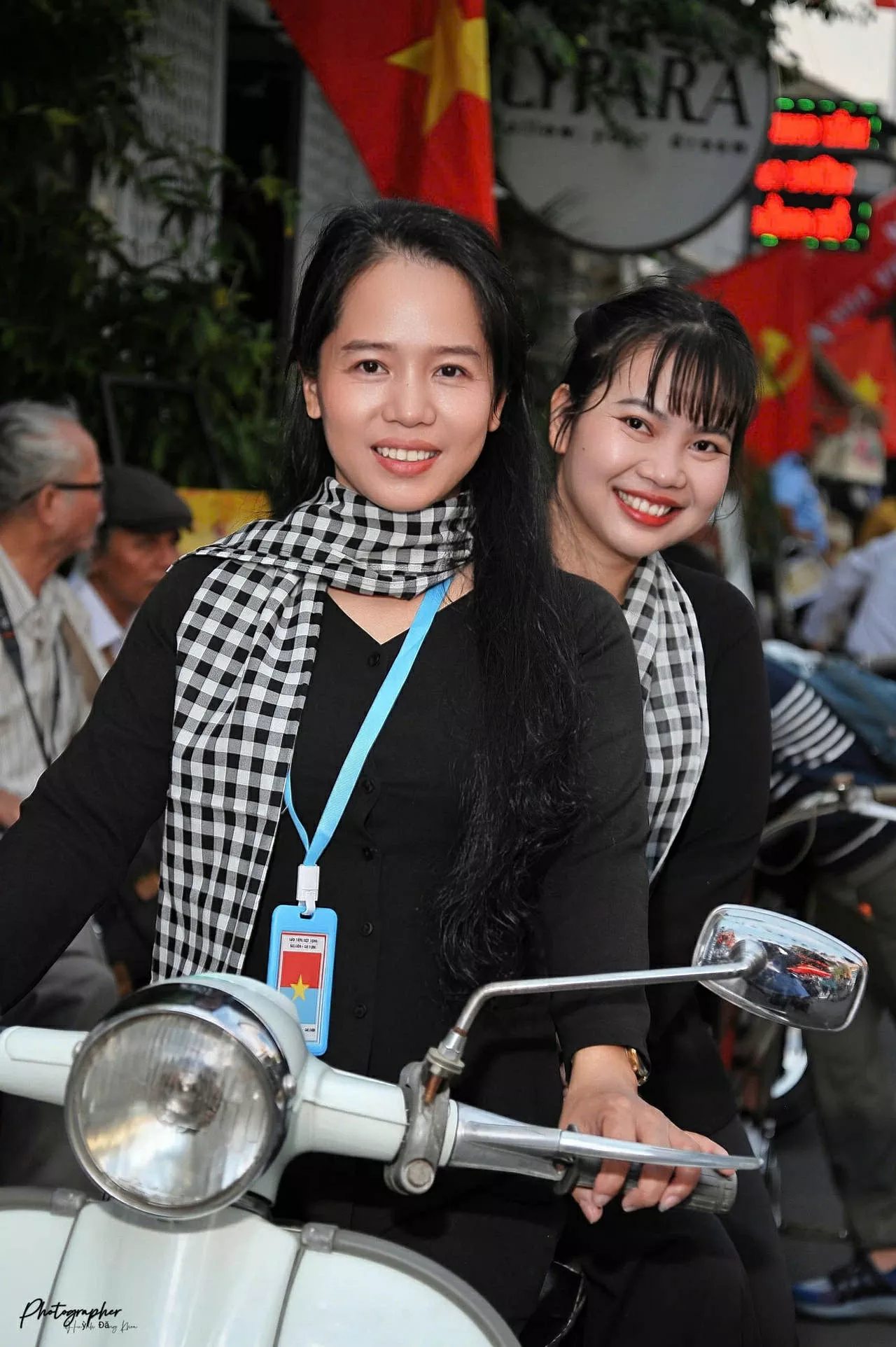 |
| The past, therefore, is no longer distant history but becomes a vibrant memory, embraced, preserved, and passed on by the people to future generations. |
In the future, the locality will continue to encourage neighborhoods to proactively implement activities with wide-reaching impact, attract public participation, and contribute to building a united, civilized, and affectionate community.
What remains after the festival is not just the image of a recreated old market or the historical stories retold.
It is also the meeting of those who experienced war with the generation born in peace, the memories of revolutionary base families, and the community's interest today. On Dang Dung Street, the conical hat stalls, wooden clogs, and stories of the special forces fighters coexist in a shared cultural space.
The past, therefore, is no longer distant history but becomes a vibrant memory, embraced, preserved, and passed on by the people to future generations.
| RELATED NEWS | |
 | Hanoi to Saigon by train: five cities and four legs |
| Vietnam - Denmark healthcare cooperation: Transitioning from experience exchange to action connection |