
EU Ambassador to ASEAN: Expectations for Vietnam to continue promoting multilateral diplomacy
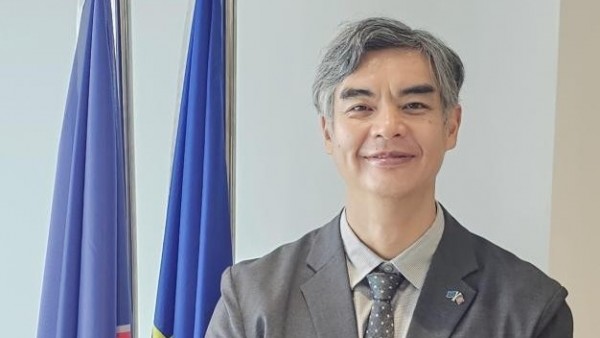
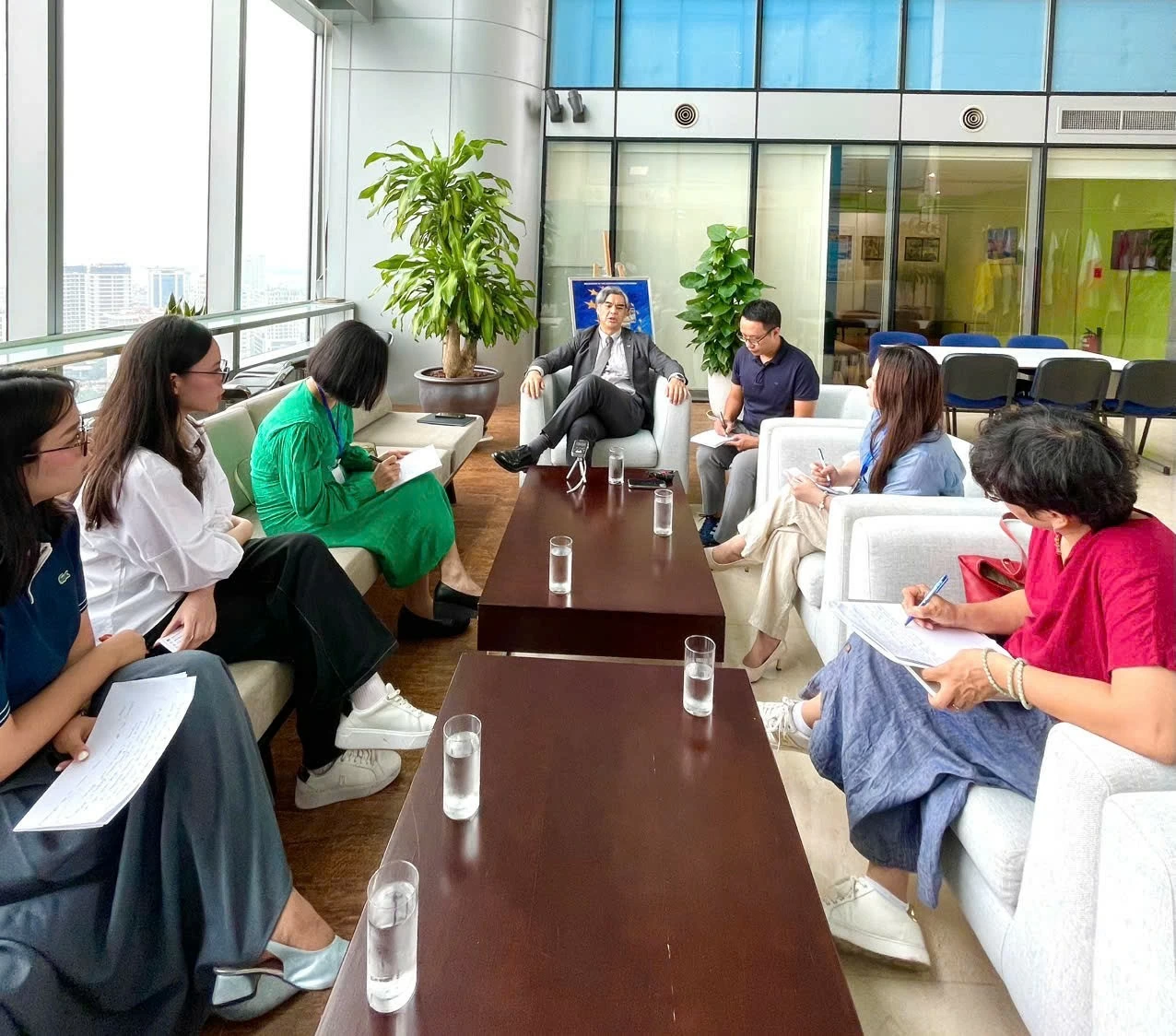
WVR - In an interview with Vietnamese media on July 15, EU Ambassador to ASEAN Sujiro Seam expressed his expectation that Vietnam will continue to play an active role in promoting multilateral diplomacy, green transition, digital transformation, and international economic integration; while also highly appreciating the increasingly prominent role of the S-shaped country in ASEAN.
Latest
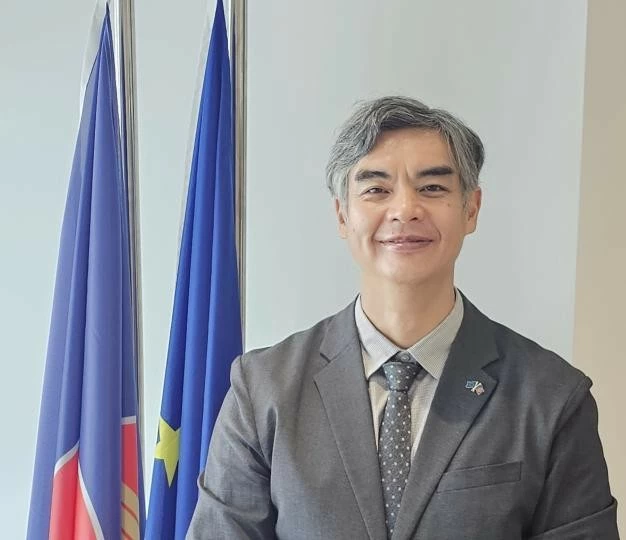 |
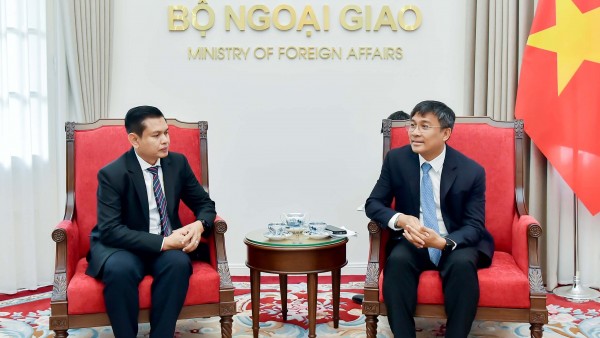
| EU Ambassador to ASEAN Sujiro Seam. (Source: EU Embassy in Vietnam) |
Ambassador, how do you assess the role of Vietnamese diplomacy in elevating the country's image and position on the international stage?
We always expect Vietnam to continue to play an active diplomatic role in the region and on the international stage.
Currently, Vietnam and the EU have established a comprehensive strategic partnership, creating a very solid political and strategic foundation for cooperation between the two sides.
We also have the Vietnam-EU Free Trade Agreement (EVFTA). Therefore, we hope Vietnam will continue to be a strong voice supporting multilateral trade and rule-based free trade.
In addition, Vietnam and international partners are successfully implementing the Just Energy Transition Partnership (JETP). We expect Vietnam to continue to promote the green transition process and advocate for international efforts in this field.
Finally, digital transformation and artificial intelligence (AI) are areas where the EU and Vietnam share common interests and priorities. Therefore, we hope that Vietnam will continue to make new strides in these areas, while actively contributing to promoting cooperation and building relevant international frameworks.
All the contents I just mentioned are common priorities of ASEAN, Vietnam, and the EU. Once again, we expect Vietnam to continue to play its active role in promoting these shared agendas.
Recently, General Secretary and President To Lam delivered an important speech at the Shangri-La Dialogue 2026, emphasizing the responsibility of nations in a rapidly changing world. How do you evaluate this message and the initiatives promoted by Vietnam?
When President of the European Council (EC) Antonio Costa attended the ASEAN Summit in Kuala Lumpur in 2025, he brought two very clear messages:
The first message is that today's world is becoming more challenging and uncertain. In this profoundly changing geopolitical context, the EU wants to assert itself as a stable, reliable, and predictable partner more than ever.
The second message is that the world today is increasingly fragmented and divided. We are living in a multipolar world. Therefore, what we need is cooperation in a multipolar order, rather than confrontation or division.
ASEAN and the EU have long been recognized by the international community as two of the most successful regional integration models in the world. Therefore, it is very natural and necessary for ASEAN and the EU to strengthen cooperation with each other.
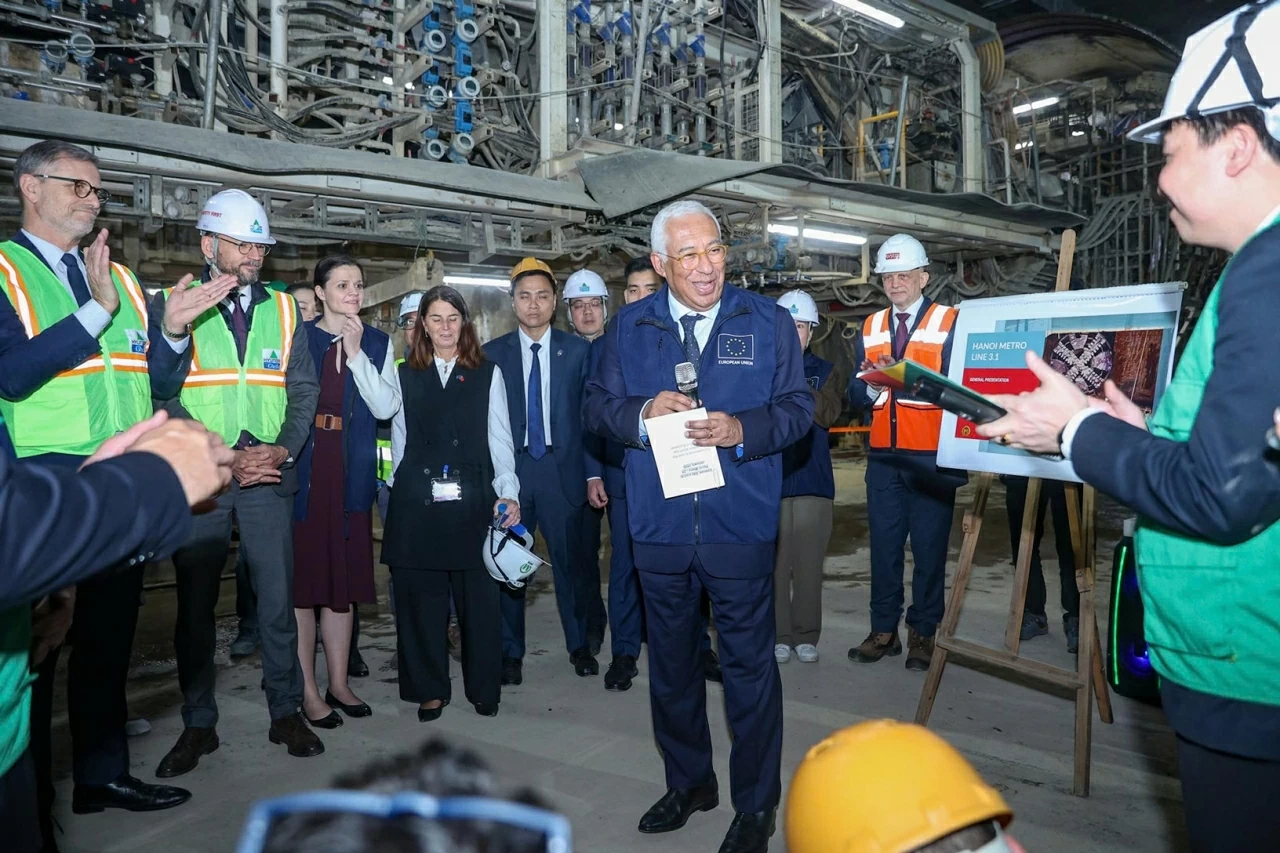 |
| President of the European Council António Costa visits metro line 3 project during his visit to Vietnam in January 2026. (Photo: Thanh Long) |
Vietnam is one of the few ASEAN countries to have signed a bilateral free trade agreement with the EU. According to you, to what extent can the FTA between Vietnam and the EU serve as a model for promoting broader trade and economic cooperation between the EU and ASEAN?
Regarding trade, first of all, we hope Vietnam will share with other ASEAN member countries the benefits that the free trade agreement with the EU has brought.
We always emphasize that Vietnam is one of the countries that benefit the most from free trade agreements with the EU. In fact, since the EVFTA came into effect, trade turnover between Vietnam and the European Union has increased by about 40%.
However, I would not say that the EVFTA can become a "model" to be applied to all other ASEAN countries.
There are two reasons for this:
First, each country has its own conditions and characteristics. That is also why we choose to approach through bilateral free trade agreements, to take into account the specific characteristics and needs of each ASEAN member country.
Second, the EU's approach to free trade agreements has also evolved over time.
The latest trade agreement between the EU and an ASEAN country is the Comprehensive Economic Partnership Agreement (CEPA) with Indonesia. As it has just been negotiated and completed recently, this Agreement can serve as a more updated reference for future free trade agreement negotiations between the EU and other ASEAN countries.
In the context of increasingly complex security challenges, how do you view the role of multilateralism, especially ASEAN-led mechanisms, in addressing these challenges?
I would like to emphasize two points:
First, ASEAN and the EU share a strong commitment to multilateralism. We uphold the principles of sovereignty, territorial integrity, peaceful resolution of disputes, and oppose unilateral actions.
In the context of witnessing more and more upheavals in the world, it is now important for parties that believe in multilateralism to continue to stand together and cooperate.
Next week in Manila, alongside the Post-Ministerial Conference and the ASEAN Regional Forum (ARF), we will also attend the 50th anniversary celebration of the Treaty of Amity and Cooperation in Southeast Asia (TAC).
On this occasion, more countries will join the TAC. Notably, most of the new members joining the Treaty this time are from the European Union. This is clear evidence of the EU's appreciation for multilateralism, as well as recognition of the central role of ASEAN-led mechanisms, including the TAC.
Second, regarding maritime security and the South China Sea issue. A few days ago, we celebrated the 10th anniversary of the Arbitral Tribunal's ruling on the South China Sea case. On this occasion, the EU also issued a statement with three main messages:
First, reaffirming the commitment to the United Nations Convention on the Law of the Sea 1982 (UNCLOS).
Second, the EU continues to affirm its support for efforts to build a Code of Conduct in the South China Sea (COC).
And finally, we express deep concern over the tensions and dangerous incidents occurring in the South China Sea.
This shows that the positions of the EU and ASEAN are highly aligned. At the same time, it also shows that the EU always values ASEAN's central role, as evidenced by its direct support for the COC negotiation process led by ASEAN.
It can be said that ASEAN and the EU have a great consensus in supporting multilateralism. And it is important that we continue to affirm that support in the context of the world witnessing more and more unilateral actions.
Thank you very much, Ambassador!
Also during the press meeting, Ambassador Sujiro Seam emphasized that 2027 will mark 50 years of ASEAN-EU dialogue partnership, expressing hope that the two sides will organize a commemorative summit in Singapore and upgrade relations from a Strategic Partnership to a Comprehensive Strategic Partnership. According to the Ambassador, over the past nearly three years, ASEAN and the EU have actively implemented the Action Plan for the 2023-2027 period, with many outstanding results across all three pillars: Political-security, economic, and socio-cultural. The two sides have continuously strengthened exchanges at the leadership and ministerial levels, promoted trade cooperation, green transition, digital transformation, artificial intelligence, education, research, climate change response, and disaster management. The diplomat also affirmed that Vietnam is an important strategic partner of the EU in ASEAN, playing a prominent role in political-security, trade, investment, energy transition, and digital transformation. He highly appreciated Vietnam having an FTA with the EU, participating in JETP, co-chairing cooperation on UNCLOS within the ARF framework, coordinating ASEAN-EU discussions on digital trade, and will chair ASEAN's digital cooperation mechanisms in 2026. On this basis, Ambassador Sujiro Seam is confident that the 50-year milestone in 2027 will be an opportunity for ASEAN and the EU to affirm the achievements of their cooperation, while emphasizing that the EU expects Vietnam to continue to play a key role in promoting ASEAN-EU relations in the coming period. |