



Da Nang-Hue Heritage Train: Travelling back in time to the ancient capital
WVR - The Heritage Train from Da Nang to Hue is not just a train ride - it’s a slow-living voyage through spectacular landscapes, refined local cuisine and the echo of cultural rhythms rolling softly along the tracks.
Latest
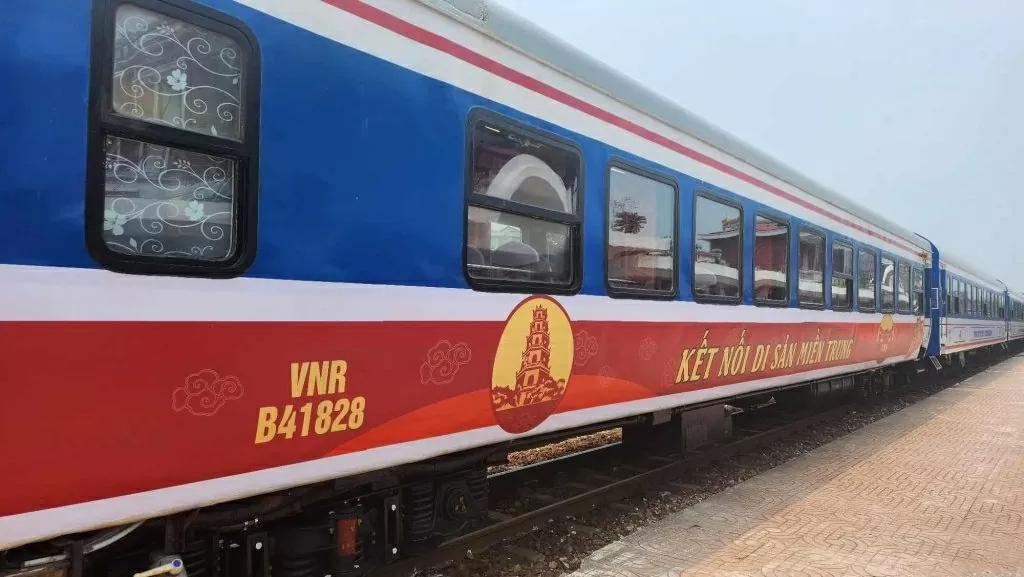 |
| The Heritage Train from Da Nang to Hue. (Photo: Kha Ninh) |
In the late afternoon light at Da Nang Station, the heritage train quietly awaits departure. Amid the hurried footsteps of passengers and the familiar echo of station announcements, a different rhythm lingers. The slow journey along Vietnam’s scenic rail line is about to begin, inviting travellers to rediscover the art of slowing down.
 |
| Launched in March 2024 by Vietnam Railways, the Da Nang - Hue heritage train (and vice versa) is part of the “Central Heritage Connection” initiative. (Photo: Kha Ninh) |
Unlike the bustling North-South trains, this special tourist service departs at a gentle pace, yet it offers a deeply moving experience. From the vibrant coastal city of Da Nang to the peaceful former capital of Hue, the route weaves through seasides, mountains and tranquil lagoons. Launched in March 2024 by Vietnam Railways, the Da Nang - Hue heritage train (and vice versa) is part of the “Central Heritage Connection” initiative.
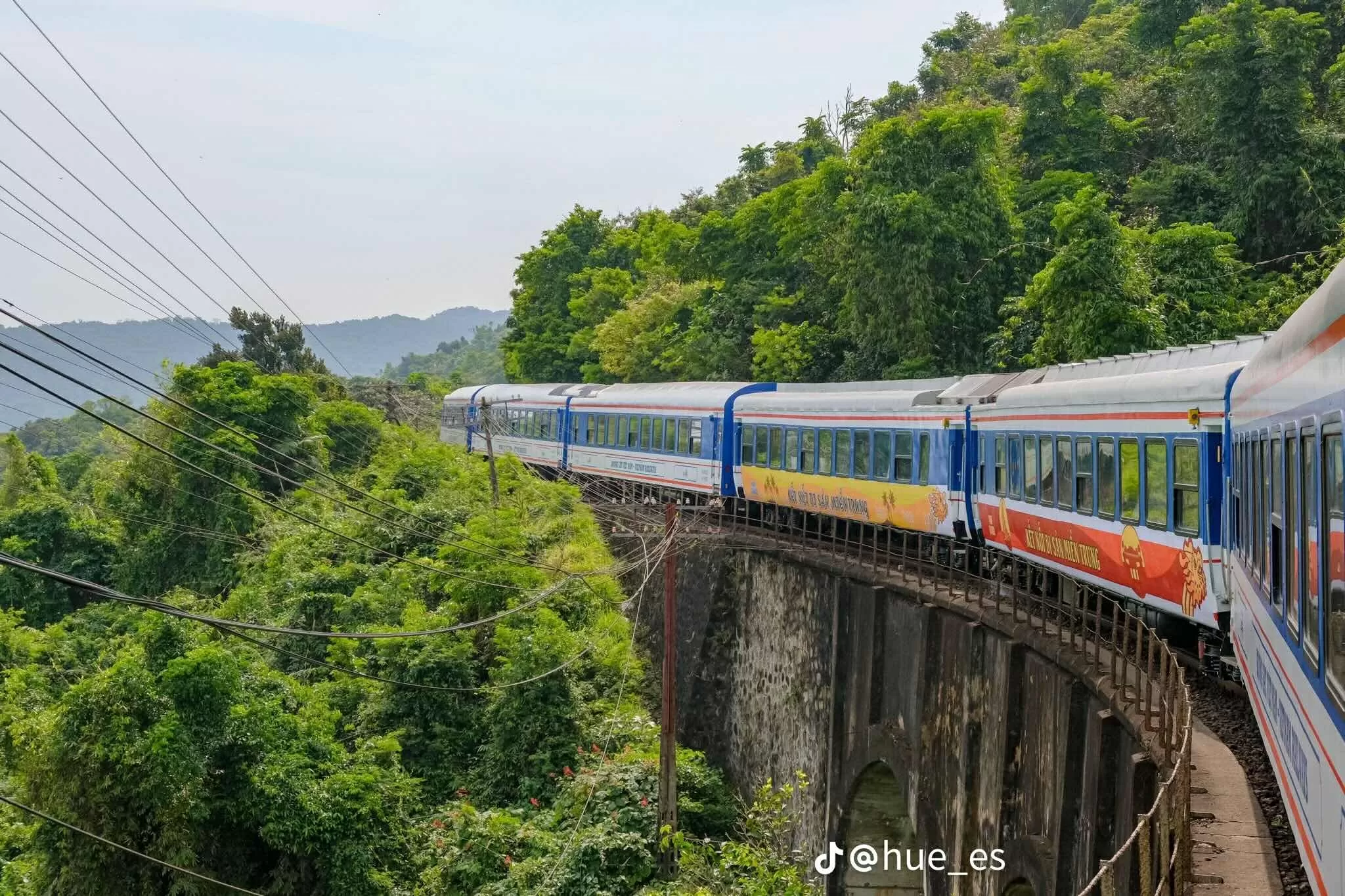 |
| In just three hours, passengers can unwind as they pass the breathtaking Lang Co Bay, Hai Van Pass, Lap An Lagoon and lush green forests lining the tracks. (Source: Hue_es) |
Spanning roughly 103 kilometres, the heritage route is operated daily with two pairs of trains (codes HD1/3 and HD2/4), stopping at key stations: Da Nang, Lang Co and Hue. Tickets range from 180,000 to 210,000 VND per trip. In just three hours, passengers can unwind as they pass the breathtaking Lang Co Bay, Hai Van Pass, Lap An Lagoon and lush green forests lining the tracks.
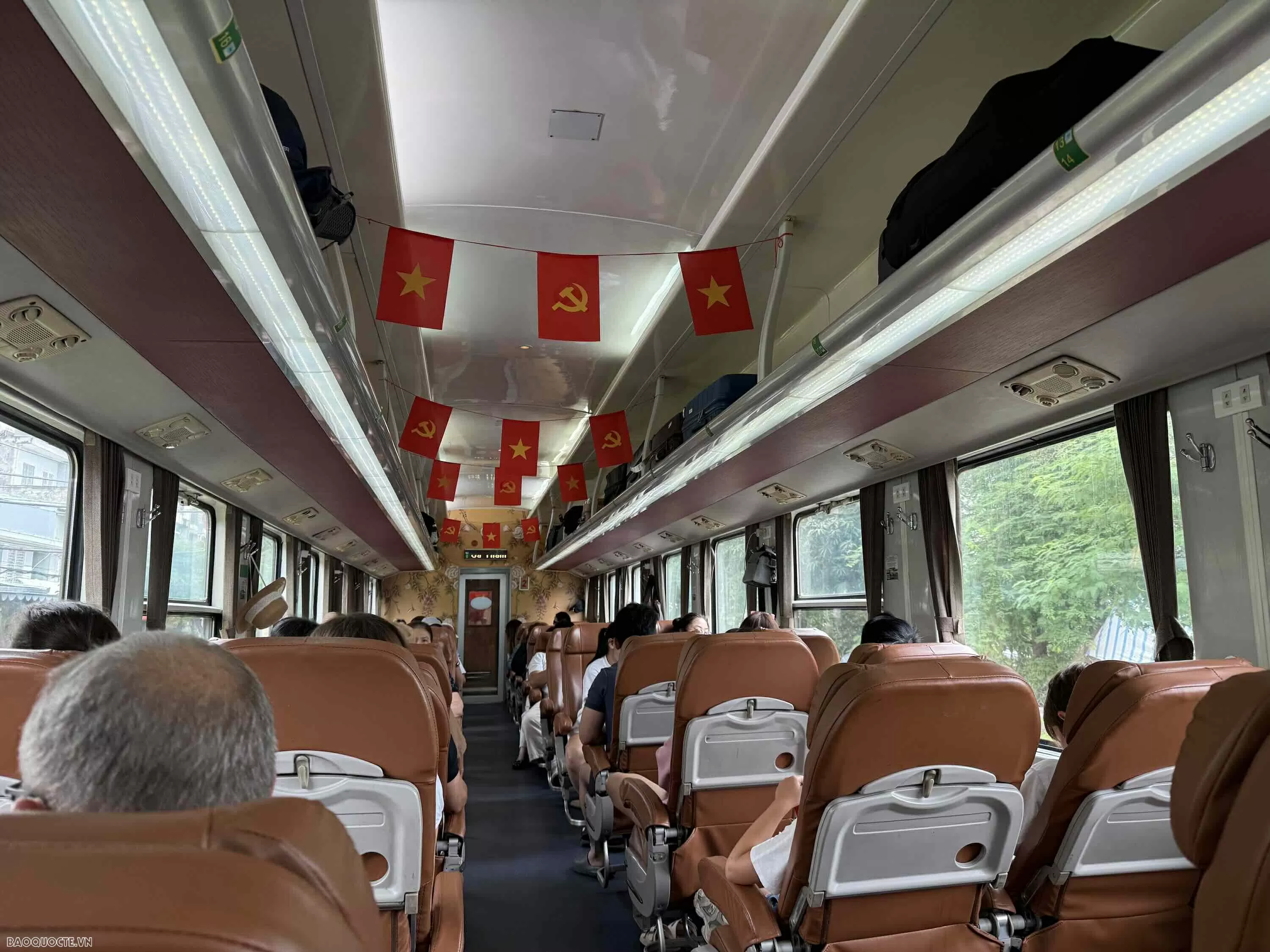 |
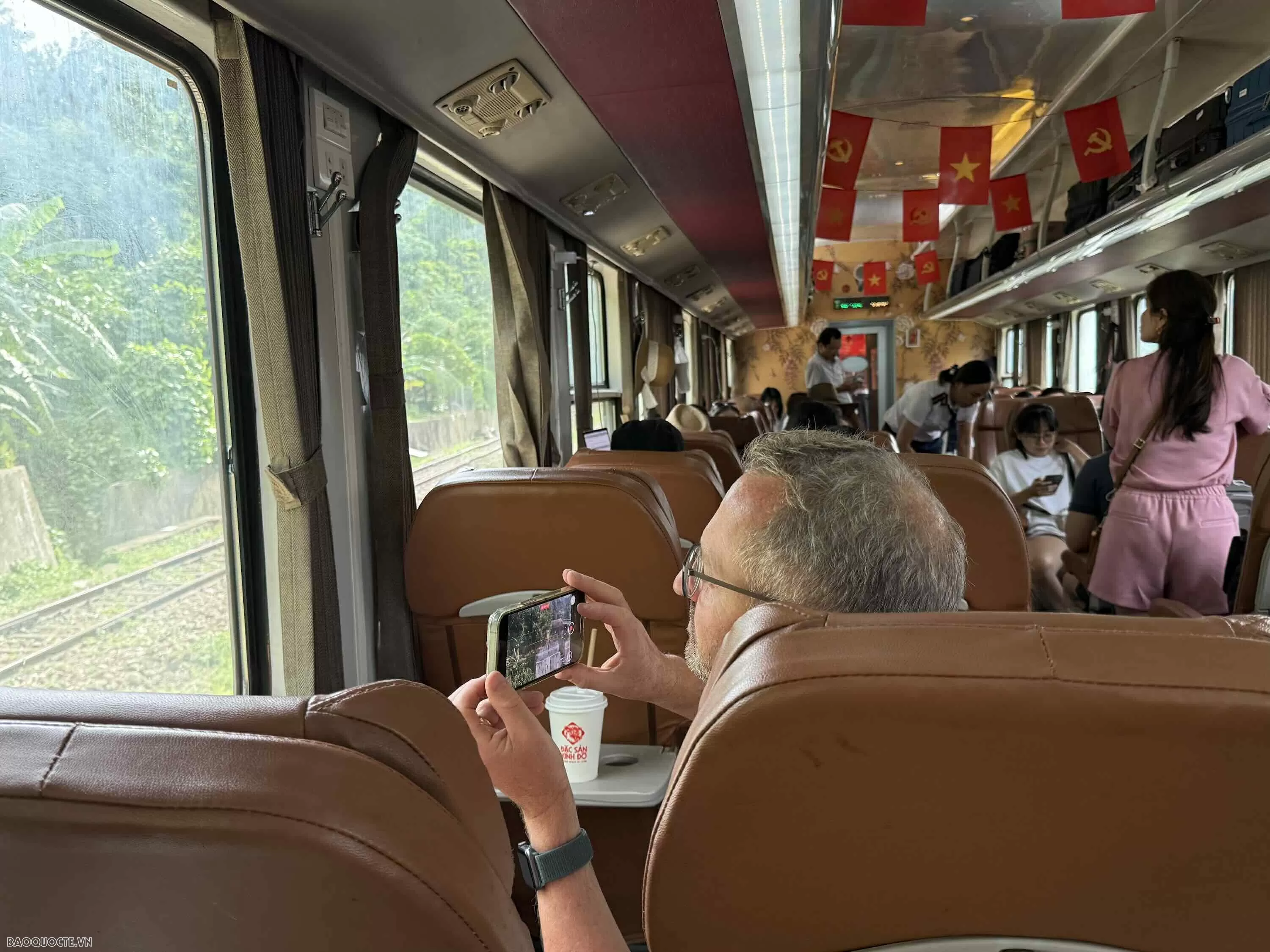
| Each carriage features air-conditioned soft seats arranged in two rows, upholstered in leather to ensure a comfortable ride from start to finish. (Photo: Kha Ninh) |
What sets this heritage train apart is not speed or cutting-edge technology, but the attention to design and experience. Each carriage features air-conditioned soft seats arranged in two rows, upholstered in leather to ensure a comfortable ride from start to finish.
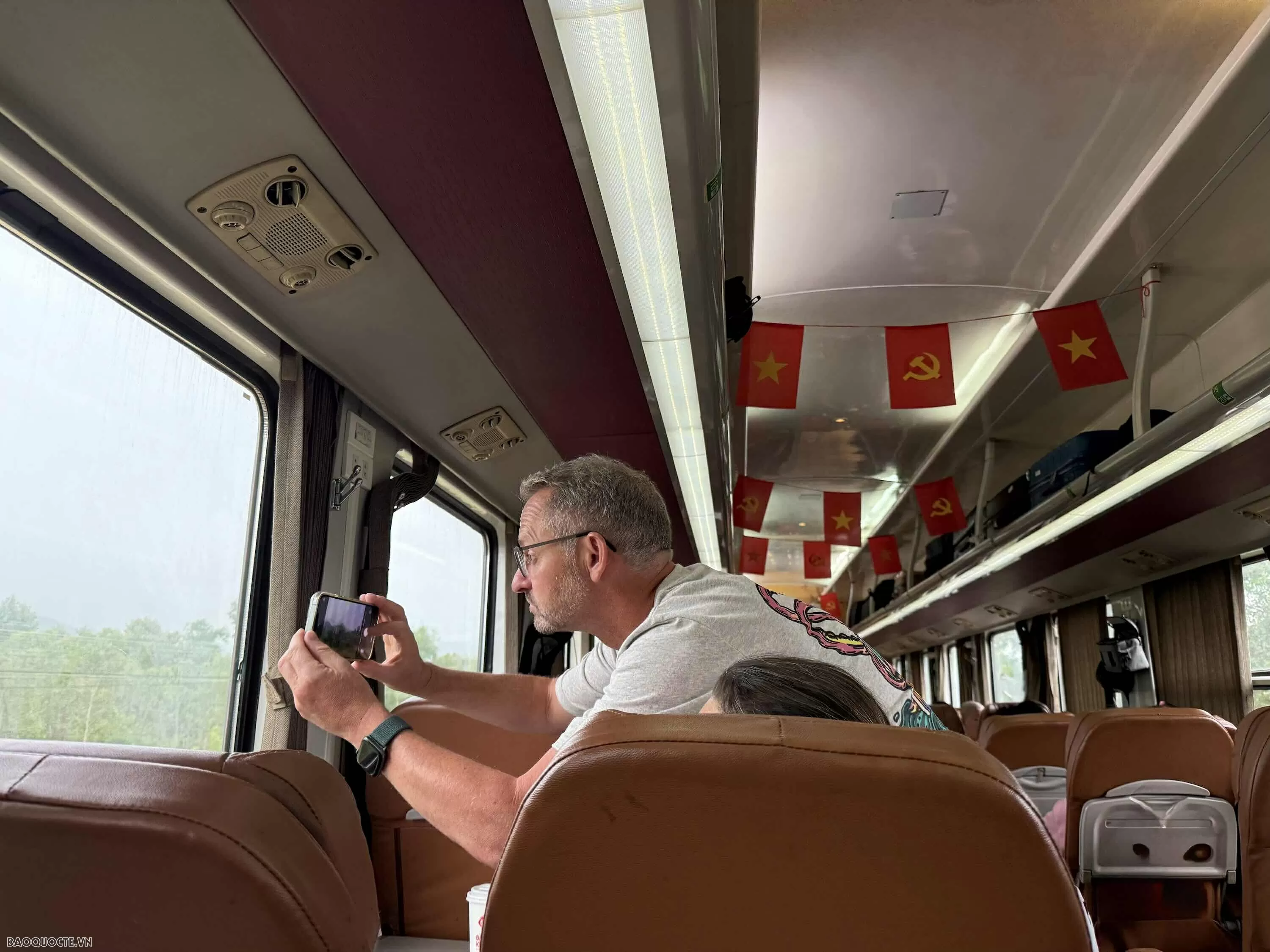 |
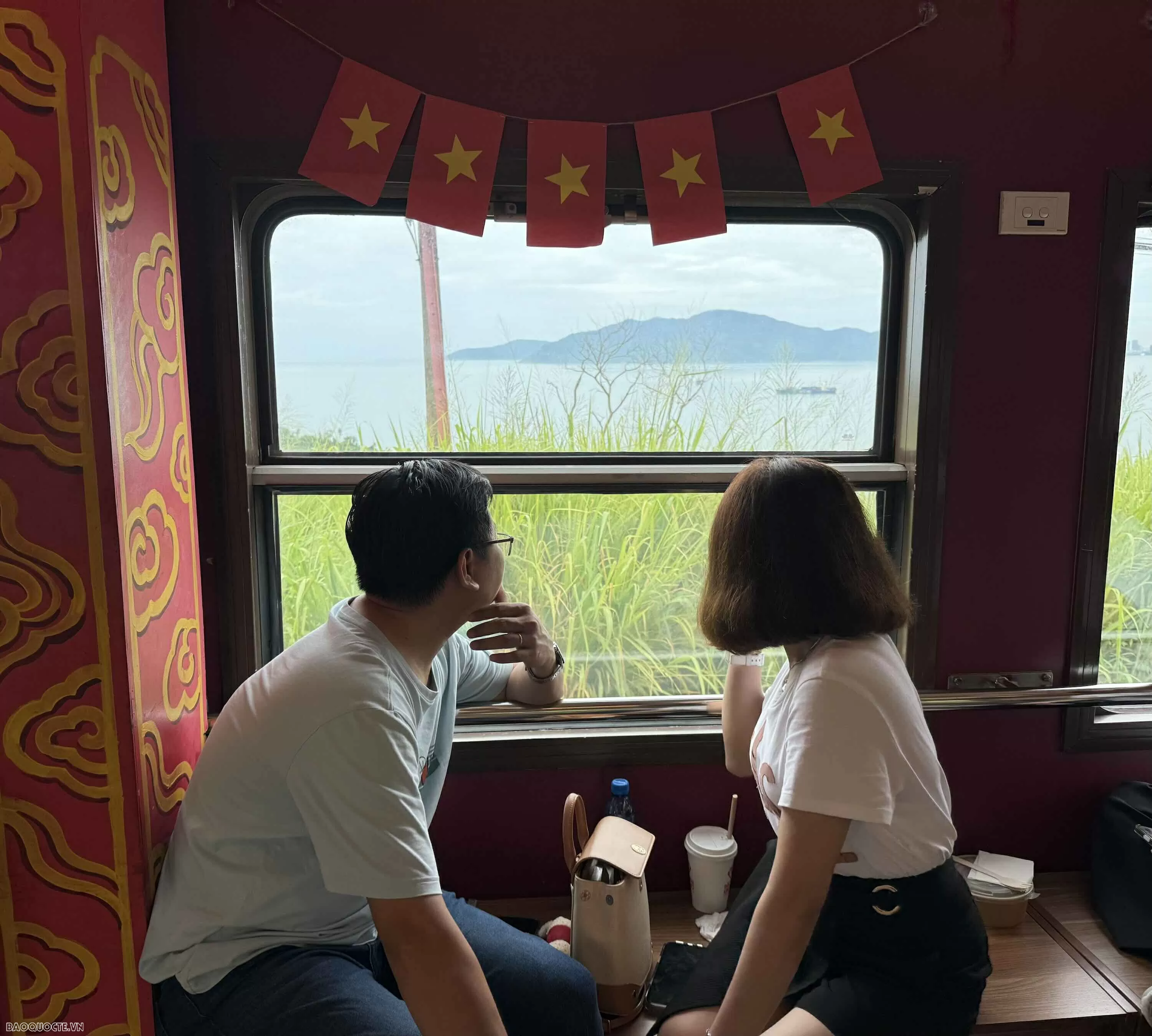
| Each carriage is fitted with large glass windows, offering passengers sweeping views of the passing landscape. (Photo: Kha Ninh) |
Each carriage is fitted with large glass windows, offering passengers sweeping views of the passing landscape, from peaceful countryside and forested hillsides along the Hai Van Pass, to sun-drenched beaches and the majestic Truong Son mountain range.
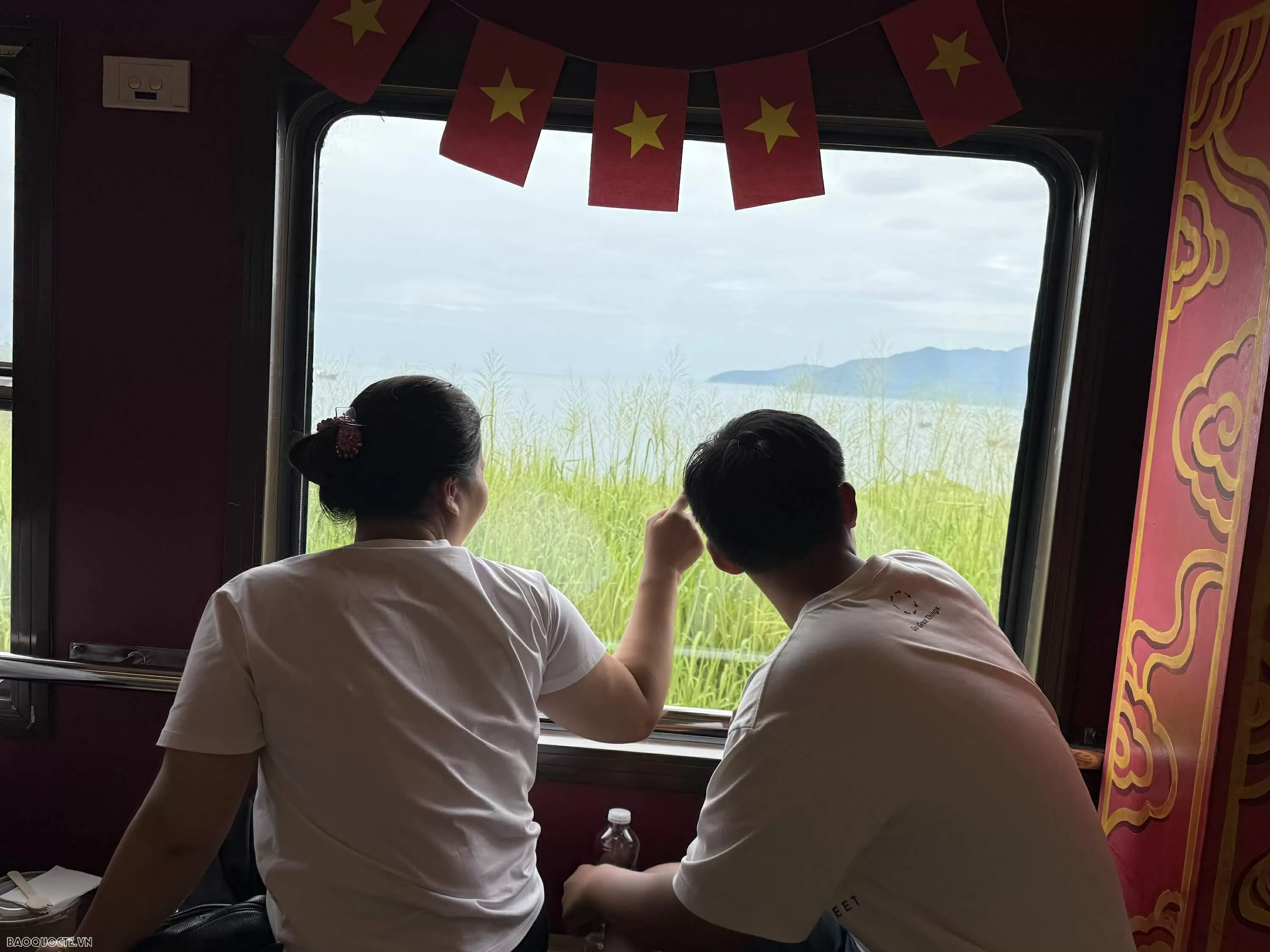 |
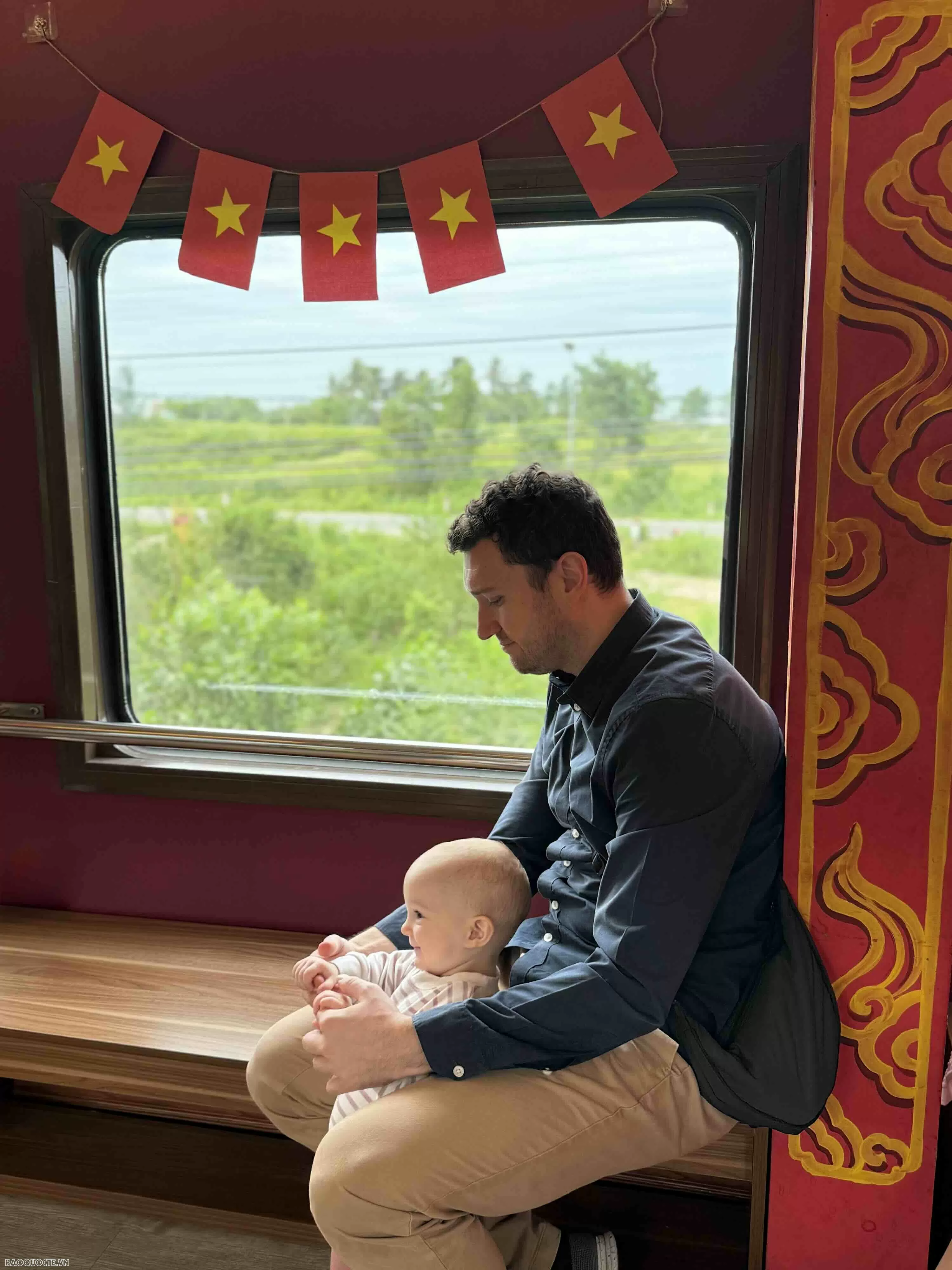
| A striking feature of the train’s interior is its ceiling, adorned with vibrant red flags bearing yellow stars, Vietnam’s national emblem.. (Photo: Kha Ninh) |
A striking feature of the train’s interior is its ceiling, adorned with vibrant red flags bearing yellow stars, Vietnam’s national emblem. These decorations not only evoke patriotic pride but also create a warm, respectful atmosphere that reflects the country’s rich cultural identity.
 |
| Bright and spotless, the carriage interiors strike a balance between modern comfort and traditional cultural touches. (Photo: Kha Ninh) |
Bright and spotless, the carriage interiors strike a balance between modern comfort and traditional cultural touches. For many passengers, it feels like stepping into a mobile art gallery, where heritage travels alongside them.
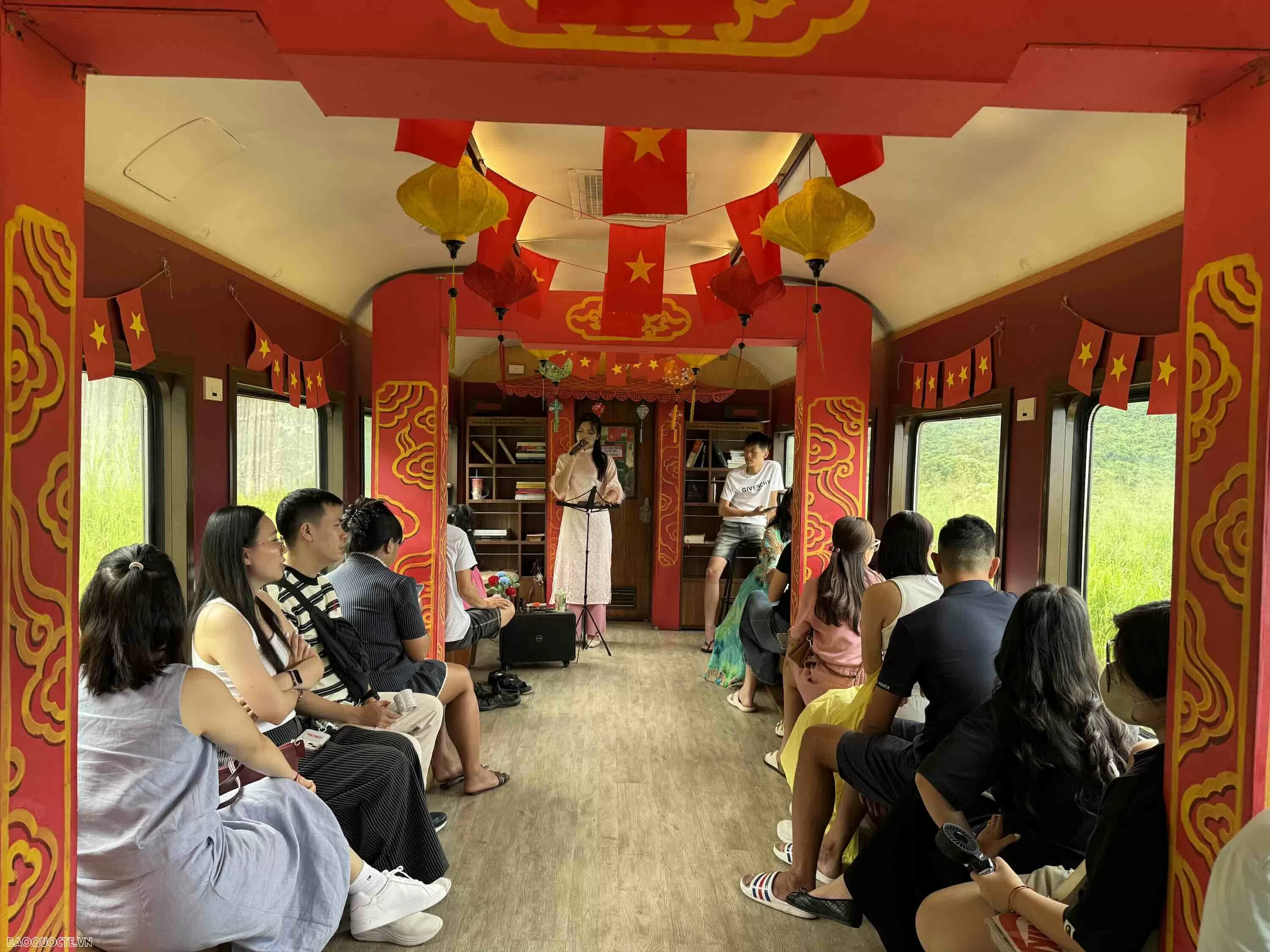 |
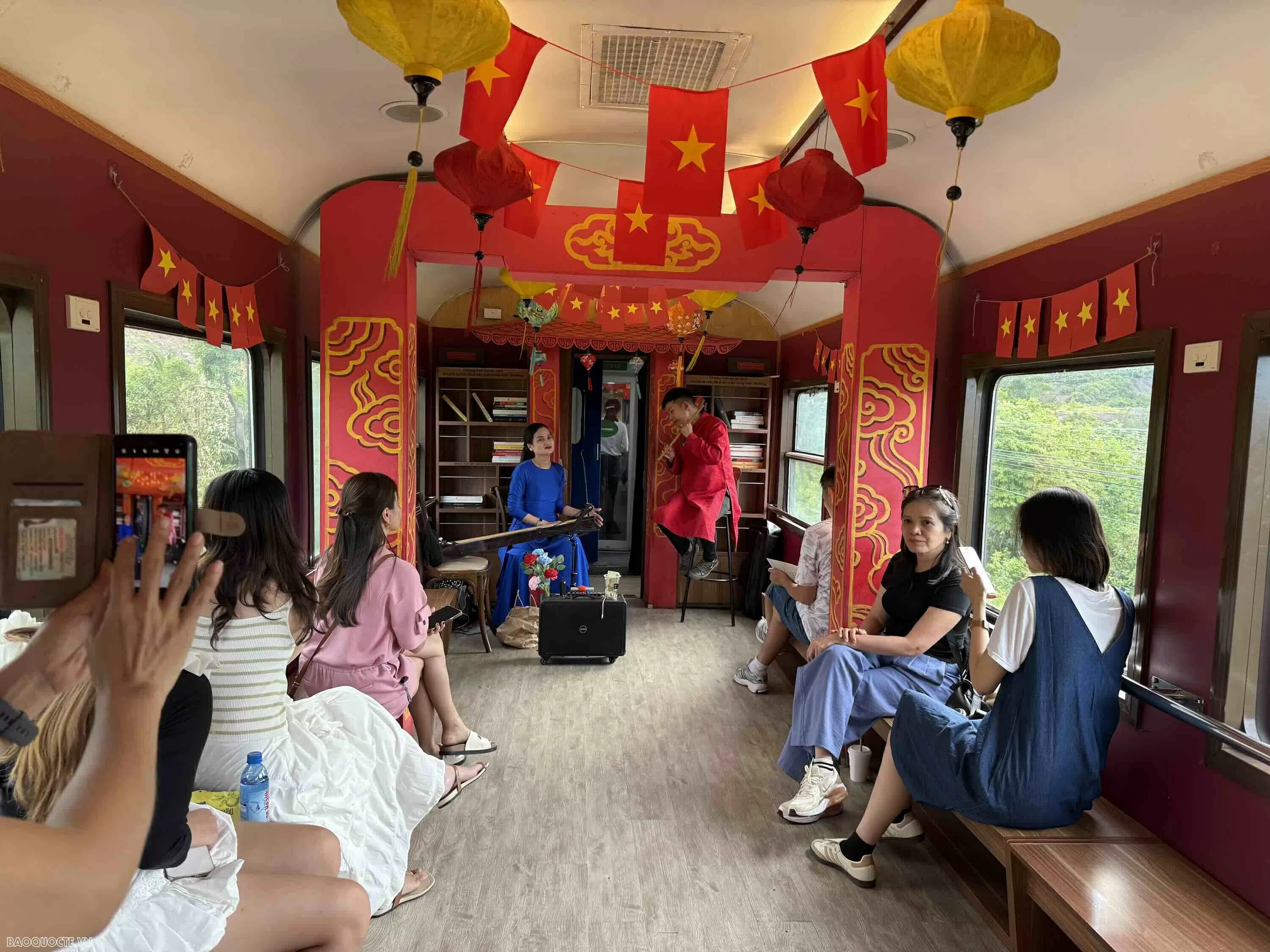
| In a dedicated communal carriage, passengers are immersed in a rich cultural space featuring traditional performances such as ca Hue singing and dan tranh music. (Photo: Kha Ninh) |
In a dedicated communal carriage, passengers are immersed in a rich cultural space featuring traditional performances such as ca Hue singing and dan tranh music. The journey also offers interactive folk activities, allowing travellers to connect with the vibrant spirit of Central Vietnam.
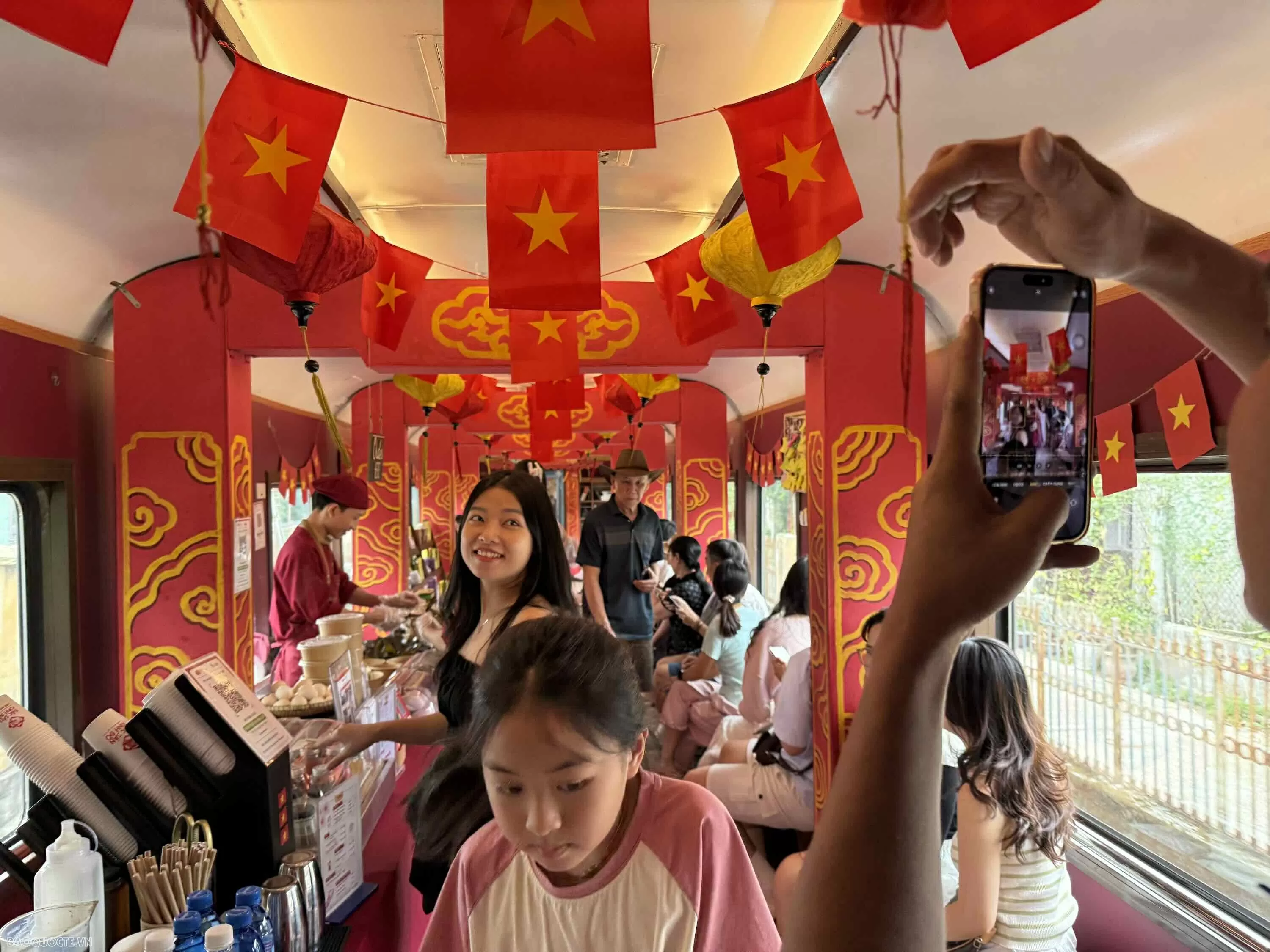 |
| More than a place to relax, this carriage serves as a cultural capsule, where Vietnamese heritage comes alive. It turns the journey into a vivid, unforgettable experience, rich in identity and soul. (Photo: Kha Ninh) |
More than a place to relax, this carriage serves as a cultural capsule, where Vietnamese heritage comes alive. It turns the journey into a vivid, unforgettable experience, rich in identity and soul.
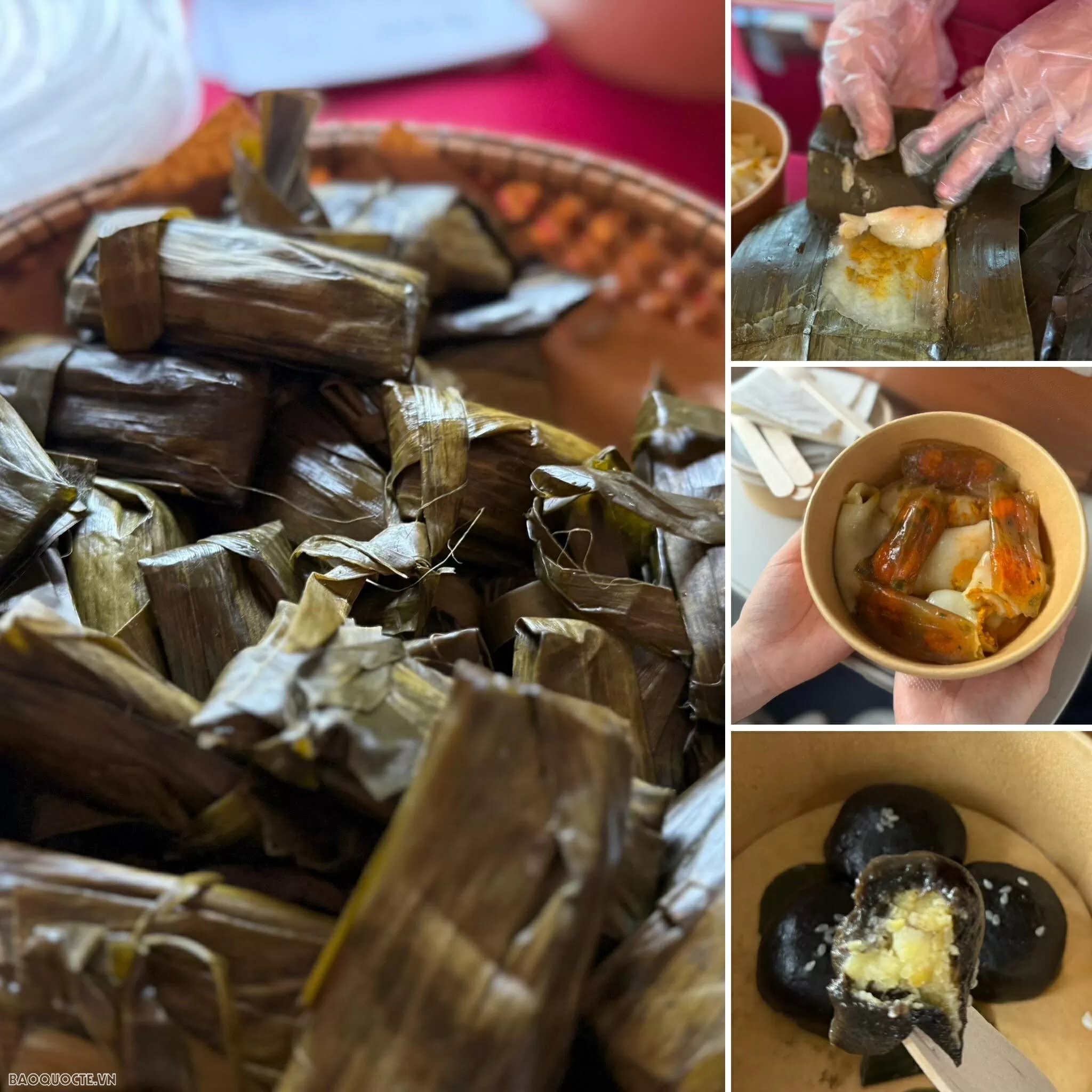 |
| Here, travellers can savour iconic dishes from Hue, inviting the palate to gently “arrive” in the ancient capital even before the train does. (Photo: Kha Ninh) |
Here, travellers can savour iconic dishes from Hue such as banh loc (tapioca dumplings), banh nam (steamed rice cakes), banh it gai (mung bean sticky cakes wrapped in ramie leaves), salted coffee and royal herbal tea, inviting the palate to gently “arrive” in the ancient capital even before the train does.
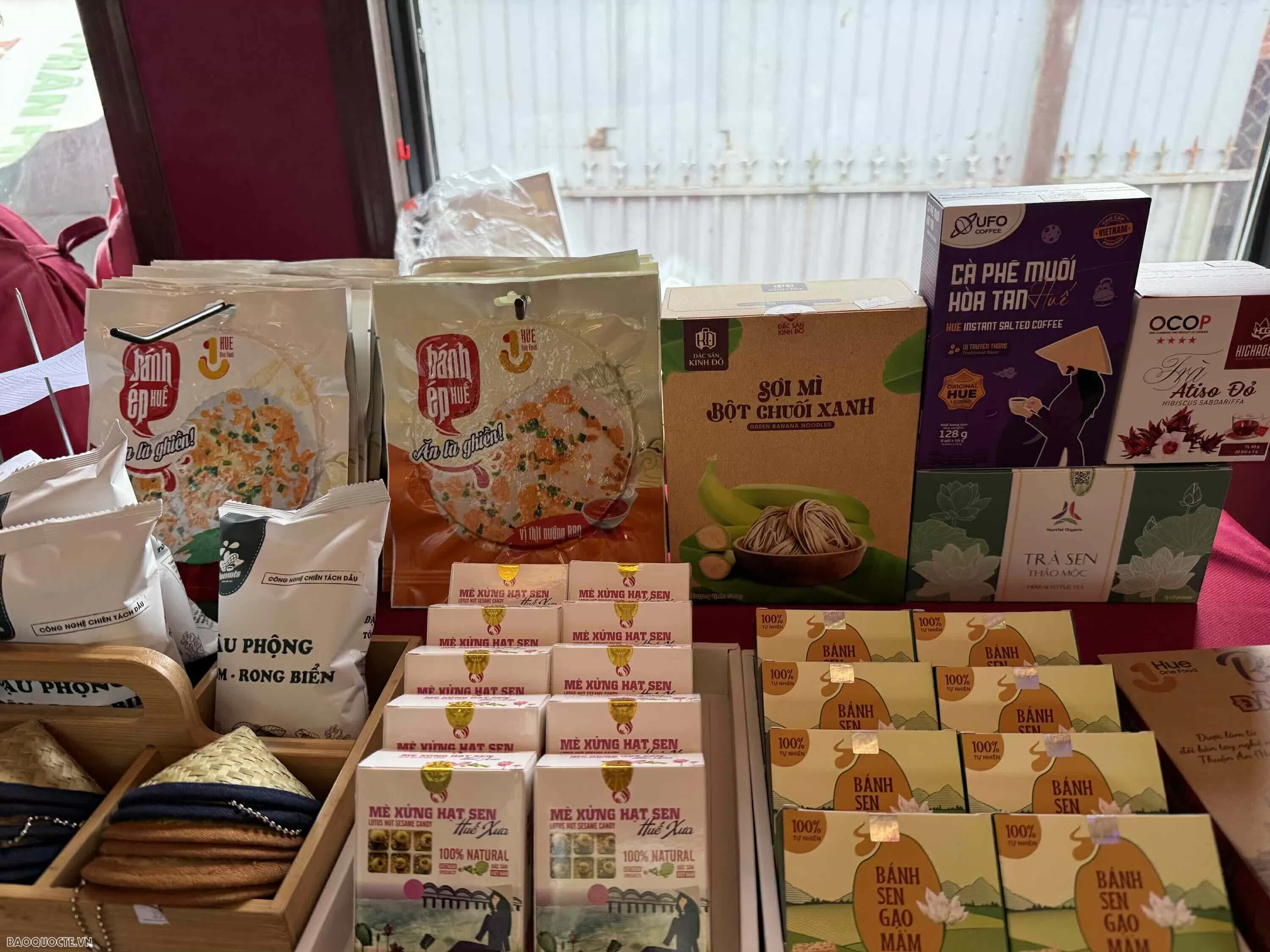 |
| A small onboard stall offers a curated selection of OCOP products, allowing passengers to shop for local treasures without ever leaving the train. (Photo: Kha Ninh) |
A small onboard stall offers a curated selection of OCOP products, regional delicacies, and cultural souvenirs reflecting the identities of Hue and Da Nang, allowing passengers to shop for local treasures without ever leaving the train.
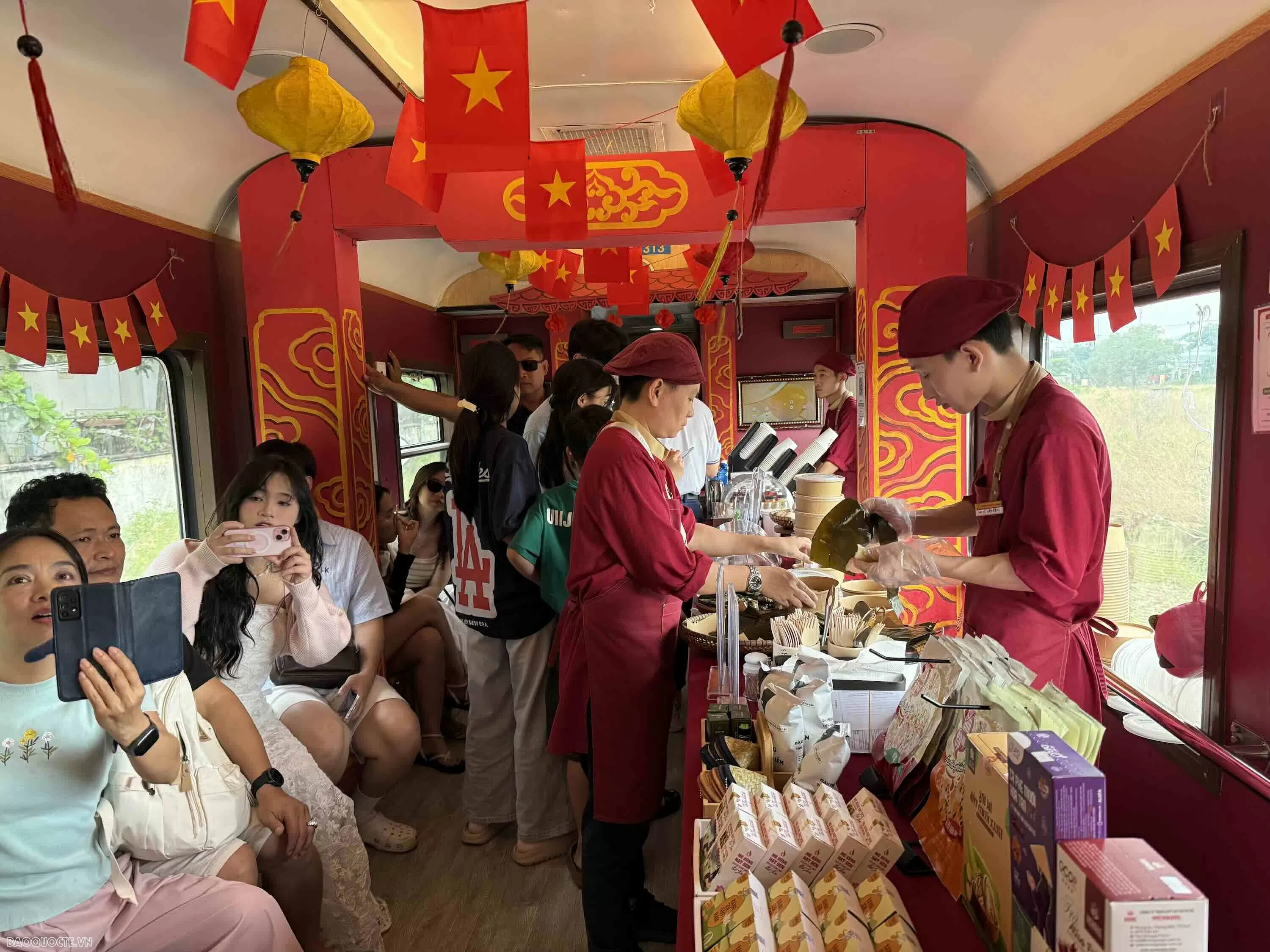 |
| The train’s crew are warm and attentive, always ready to assist, from explaining local dishes and helping with seating to sharing insights about the destinations ahead. (Photo: Kha Ninh) |
The train’s crew are warm and attentive, always ready to assist, from explaining local dishes and helping with seating to sharing insights about the destinations ahead. Their professionalism and heartfelt hospitality turn the journey into more than just a trip; it becomes a memory worth keeping.
Leaving Da Nang Station, the train traces the Tiên Sa coastline before ascending Hai Van Pass, a rail route often hailed as Vietnam’s most magnificent. This stretch is the crown jewel of the journey: on one side, towering cliffs; on the other, a vast, endless sea melting into the horizon. (Photo: Kha Ninh)
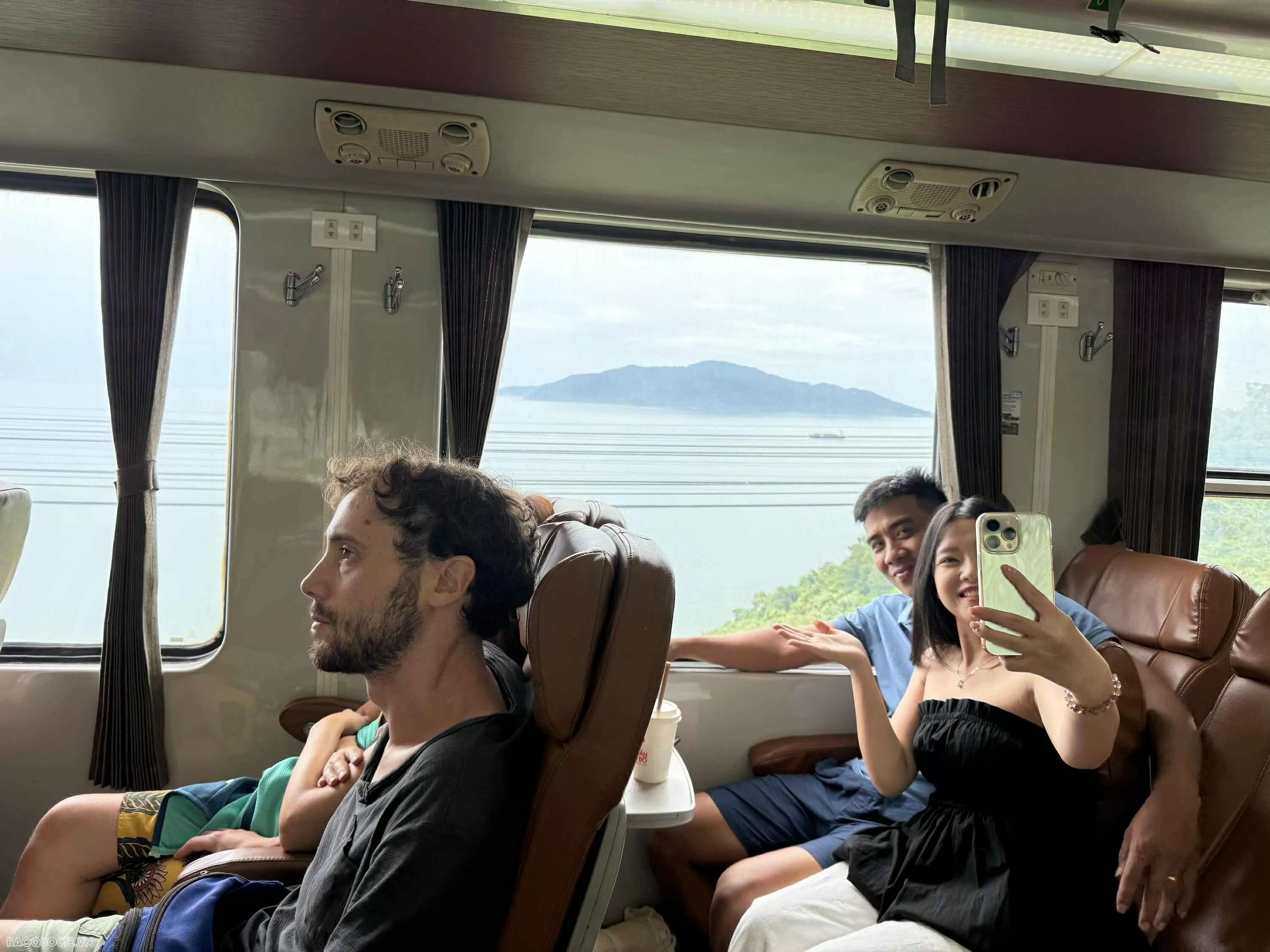 |
| Leaving Da Nang Station, the train traces the Tien Sa coastline before ascending Hai Van Pass, a rail route often hailed as Vietnam’s most magnificent. (Photo: Kha Ninh) |
The train window becomes a moving frame of art: now a deep-blue sea, mist drifting across Hai Van’s forested slopes, then suddenly a quiet fishing village emerging at the foot of the pass. The scenery shifts like a slow, seamless painting in motion.
As the train emerges from dark tunnels into sweeping views of Lang Co Bay, gasps of awe ripple through the carriage. The train pauses for 10 minutes at Lang Co Station - hailed as one of the most beautiful bays in the world. Many passengers step onto the platform, drawing in the salty breeze with full lungs and full hearts. (Photo: Kha Ninh)
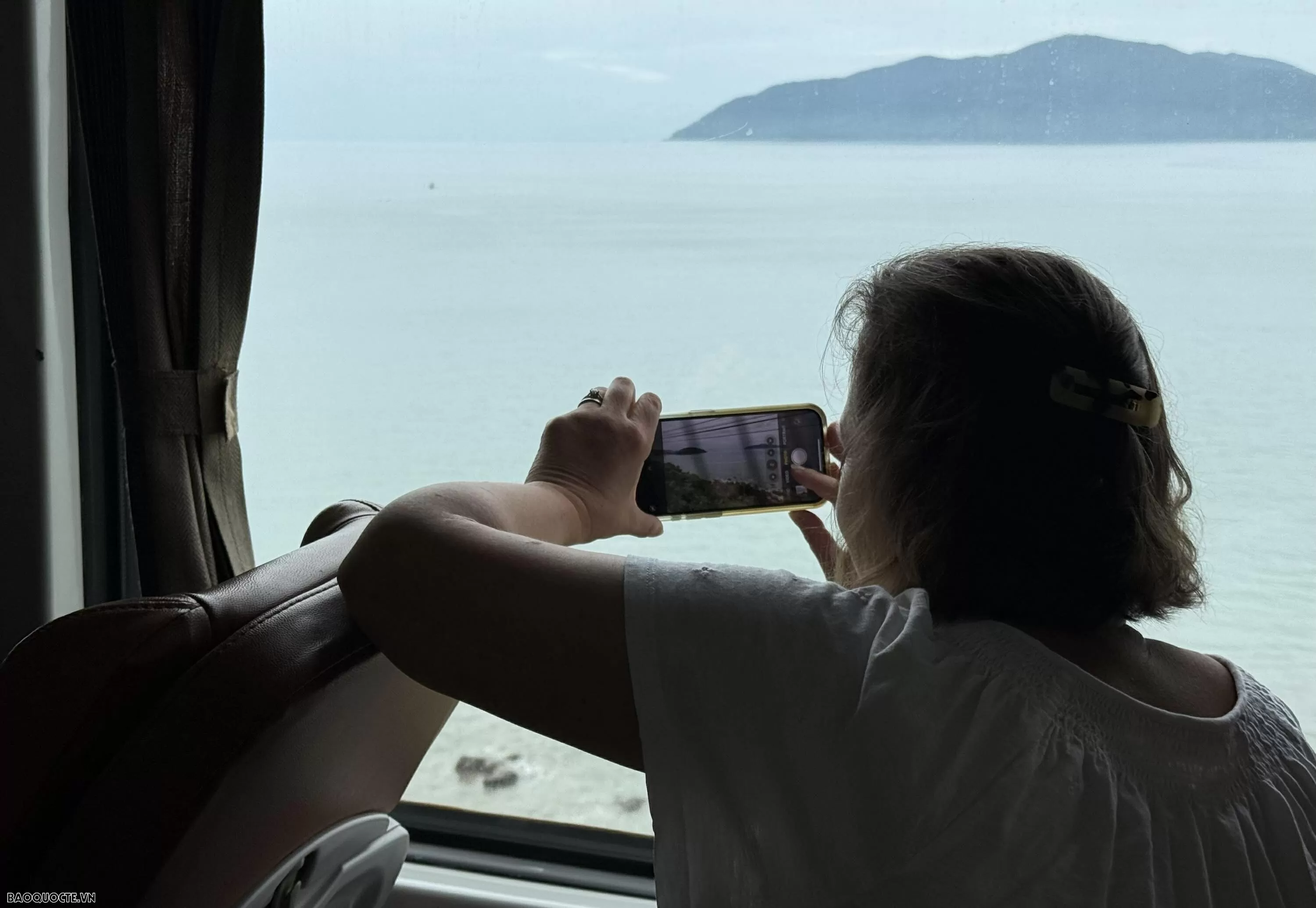 |
| As the train emerges from dark tunnels into sweeping views of Lang Co Bay, gasps of awe ripple through the carriage. (Photo: Kha Ninh) |
Leaving Lang Co Station, the train glides along a winding coastal path, where still waters mirror drifting clouds and the distant silhouette of Bach Ma Mountain. The scenery grows quieter, more contemplative, a striking contrast to the lively departure from Da Nang. Each curve, each track through the forest, reveals a new layer of natural beauty, holding passengers spellbound at the window. (Photo: Kha Ninh)
 |
| Leaving Lang Co Station, the train glides along a winding coastal path, where still waters mirror drifting clouds and the distant silhouette of Bach Ma Mountain. (Photo: Kha Ninh) |
Unlike modern, high-speed travel, the heritage train moves to its rhythm - slow, smooth and full of feeling. It’s not made for those in a hurry, but for those who wish to experience Vietnam more fully, more intimately, one quiet moment at a time.
 |
| Nguyen Phuong Linh, a traveller from Hanoi, reflected that she once drove from Da Nang to Hue across Hai Van Pass, but travelling by train gave her a much clearer sense of the surrounding beauty. (Photo: Kha Ninh) |
Nguyen Phuong Linh, a traveller from Hanoi, reflected: “I once drove from Da Nang to Hue across Hai Van Pass, but travelling by train gave me a much clearer sense of the surrounding beauty. The train moves slowly, but that’s exactly why I could see more, feel more - and remember it more deeply”.
In the communal carriage, soft melodies of ca Hue float gently through the air, creating a soothing backdrop for the journey. Some passengers chat in hushed tones, others snap photos or carefully sketch the scenery beyond the windowpane. Everything unfolds slowly and peacefully - like a miniature retreat on rails.
The launch of the heritage train signals a new direction for Vietnam Railways: beyond transportation, it is now a cultural, scenic and culinary travel experience. The Da Nang-Hue route (and return) is expected to become a vital link in Central Vietnam’s tourism chain, connecting three iconic destinations, Hue, Da Nang and Hoi An.
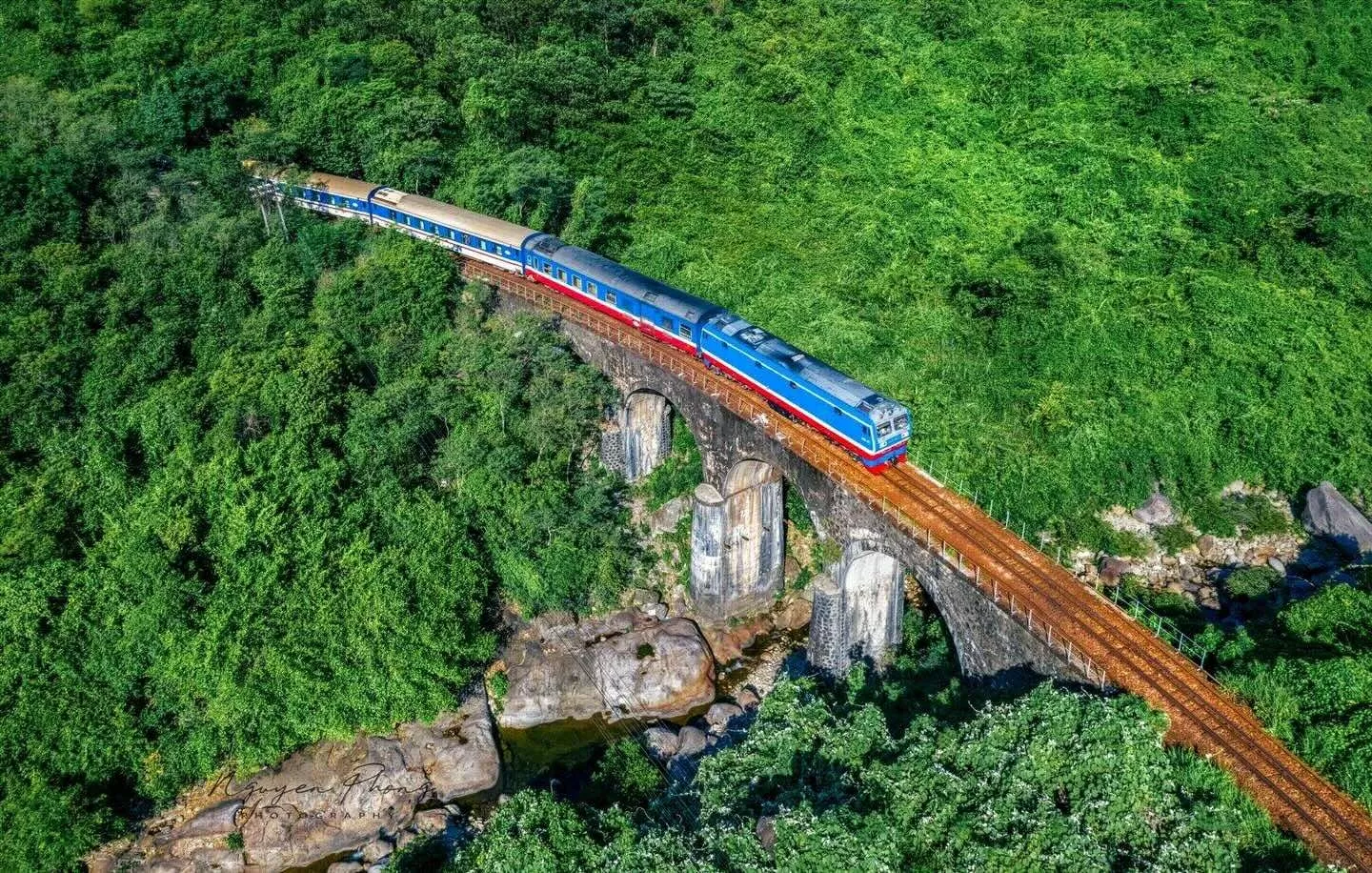 |
| For many, the Da Nang-Hue heritage train (and return) is more than a means of transport. It’s a healing journey, a chance to admire the country’s beauty, connect with culture, fellow travellers, and perhaps, reconnect with oneself. (Photo: Kha Ninh) |
More than a deeply personal experience, the heritage train contributes to long-term value for the wider community. Railway tourism helps ease pressure on road traffic, lowers carbon emissions and creates new livelihood opportunities for residents at key stops along the route.
At stops like Lang Co or Hue Station, travellers can shop for local delicacies, join city tours from the platform to the heart of town, or stay overnight in homestays and local hotels - continuing their journey through the ancient capital in a deeper, more personal way.
For many, the Da Nang-Hue heritage train (and return) is more than a means of transport. It’s a healing journey, a chance to admire the country’s beauty, connect with culture, fellow travellers, and perhaps, reconnect with oneself.