


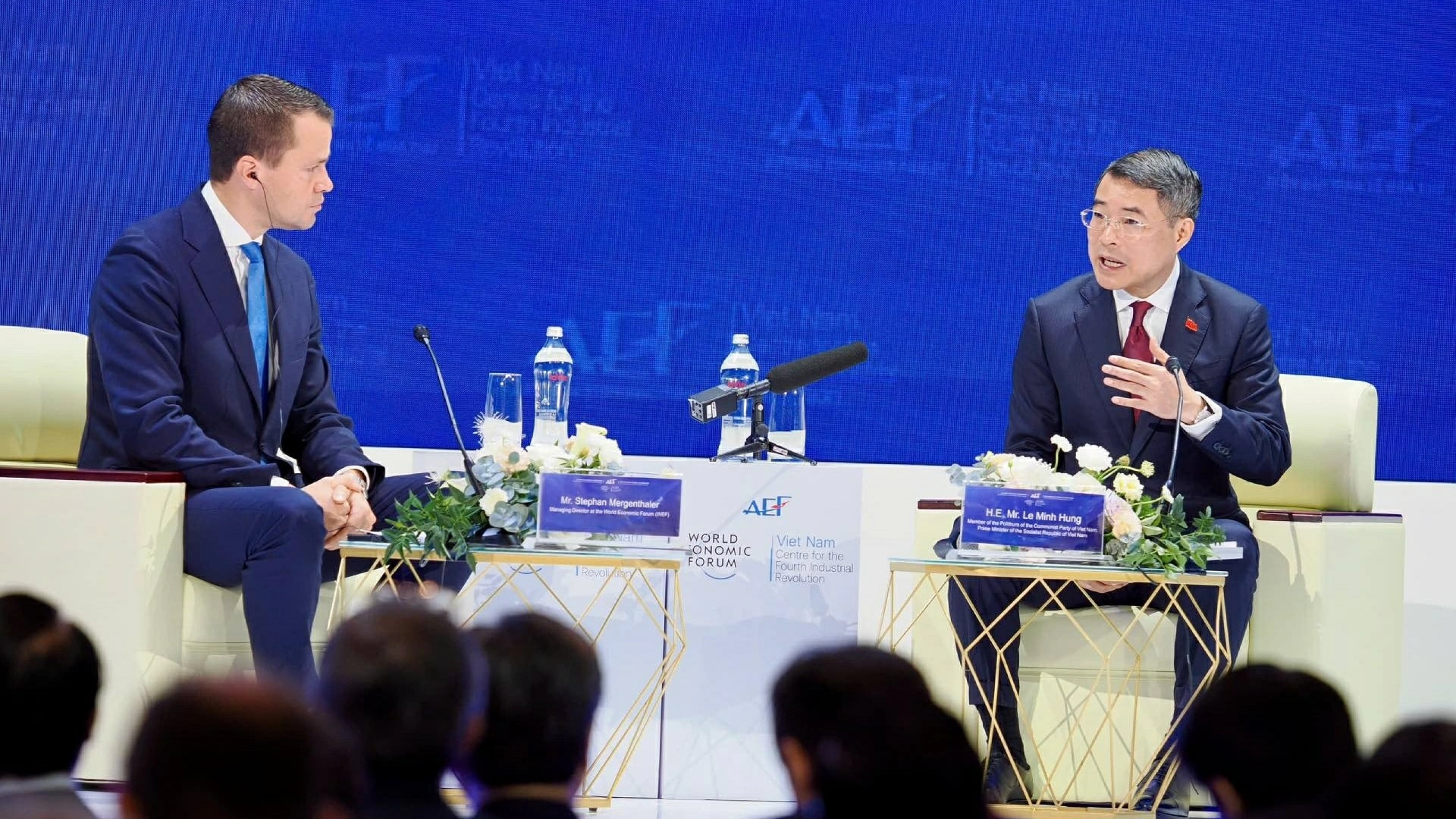
AEF 2026: Three suggested pathways for Vietnam to move up global value chains
WVR - Vietnam needs to increase domestic value added, advance smart manufacturing and expand high-tech cooperation to strengthen its position in global value chains, according to experts at the AEF 2026.
Latest
On the occasion of the Autumn Economic Forum 2026 (AEF 2026), The World and Vietnam Report spoke with experts about the conditions needed for Vietnam to strengthen its position in global value chains, from developing smart infrastructure and transforming manufacturing mindsets to attracting investment in high-tech sectors.
Their insights highlight the need to move beyond manufacturing and assembly towards higher value-added activities, while strengthening links between domestic businesses and international corporations.
Smart manufacturing must go hand in hand with smart infrastructure
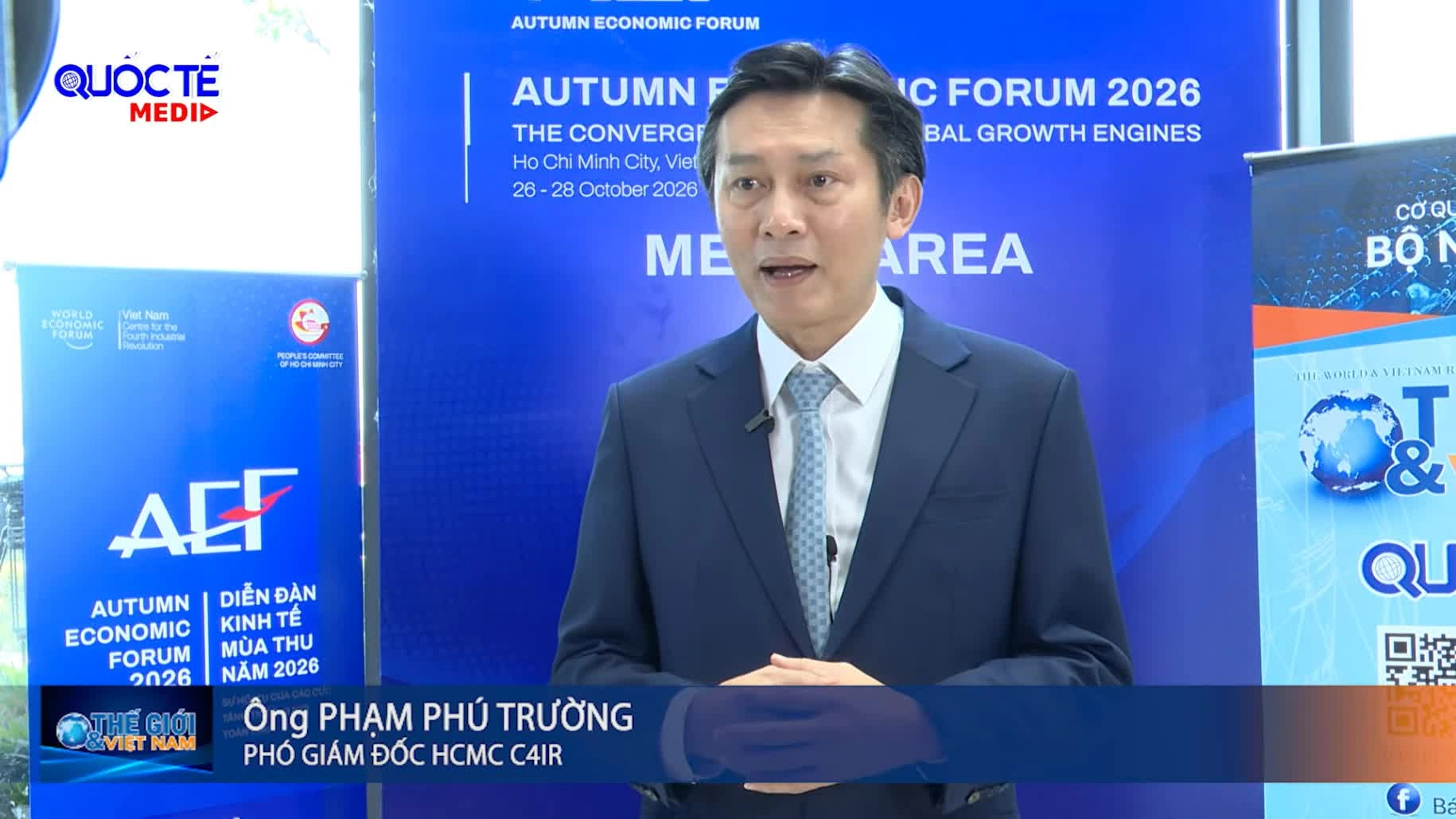 |
| Mr. Pham Phu Truong, Deputy Director of the Ho Chi Minh City Centre for the Fourth Industrial Revolution (HCMC C4IR), emphasised the role of smart manufacturing and smart infrastructure in enhancing Vietnam’s competitiveness. (Photo: Thanh Long) |
Mr. Pham Phu Truong said Resolution No. 57-NQ/TW on breakthroughs in science and technology, innovation and national digital transformation provides important strategic direction for technology adoption and the development of Vietnam’s core technologies.
Against this backdrop, HCMC C4IR works with the World Economic Forum (WEF) and international organisations to bring research, expertise and practical experience to support Vietnam’s development.
According to Mr. Pham Phu Truong, the Centre is focusing on two main priorities: advancing smart manufacturing and researching and applying frameworks for smart infrastructure.
Smart manufacturing involves the application of Fourth Industrial Revolution technologies, including the Internet of Things (IoT), artificial intelligence (AI) and robotics.
This model also promotes connectivity among businesses within an integrated ecosystem, thereby strengthening production capacity and helping Vietnamese enterprises participate more deeply in global supply chains.
To translate this direction into practice, infrastructure development must keep pace with the demands of production and economic growth.
Mr. Pham Phu Truong noted that the merger of Ho Chi Minh City with Binh Duong and Ba Ria–Vung Tau has expanded the city’s development space.
However, this expansion also places greater demands on infrastructure, particularly as the city pursues its target of double-digit economic growth.
Smart infrastructure must therefore provide the foundation for development driven by science, technology and smart manufacturing.
On the institutional front, the Deputy Director of HCMC C4IR highlighted the 2026 Law on Urban Development, which was passed by the National Assembly and began to be applied in Ho Chi Minh City on 1 October. The law grants the city authorities greater autonomy.
At AEF 2026, HCMC C4IR also worked with WEF to shape the forum’s agenda around action and connectivity, bringing together more than 100 international speakers to exchange experiences.
The forum thus provides opportunities for businesses and other stakeholders to meet and explore practical avenues for cooperation.
Changing business mindsets to retain more value domestically
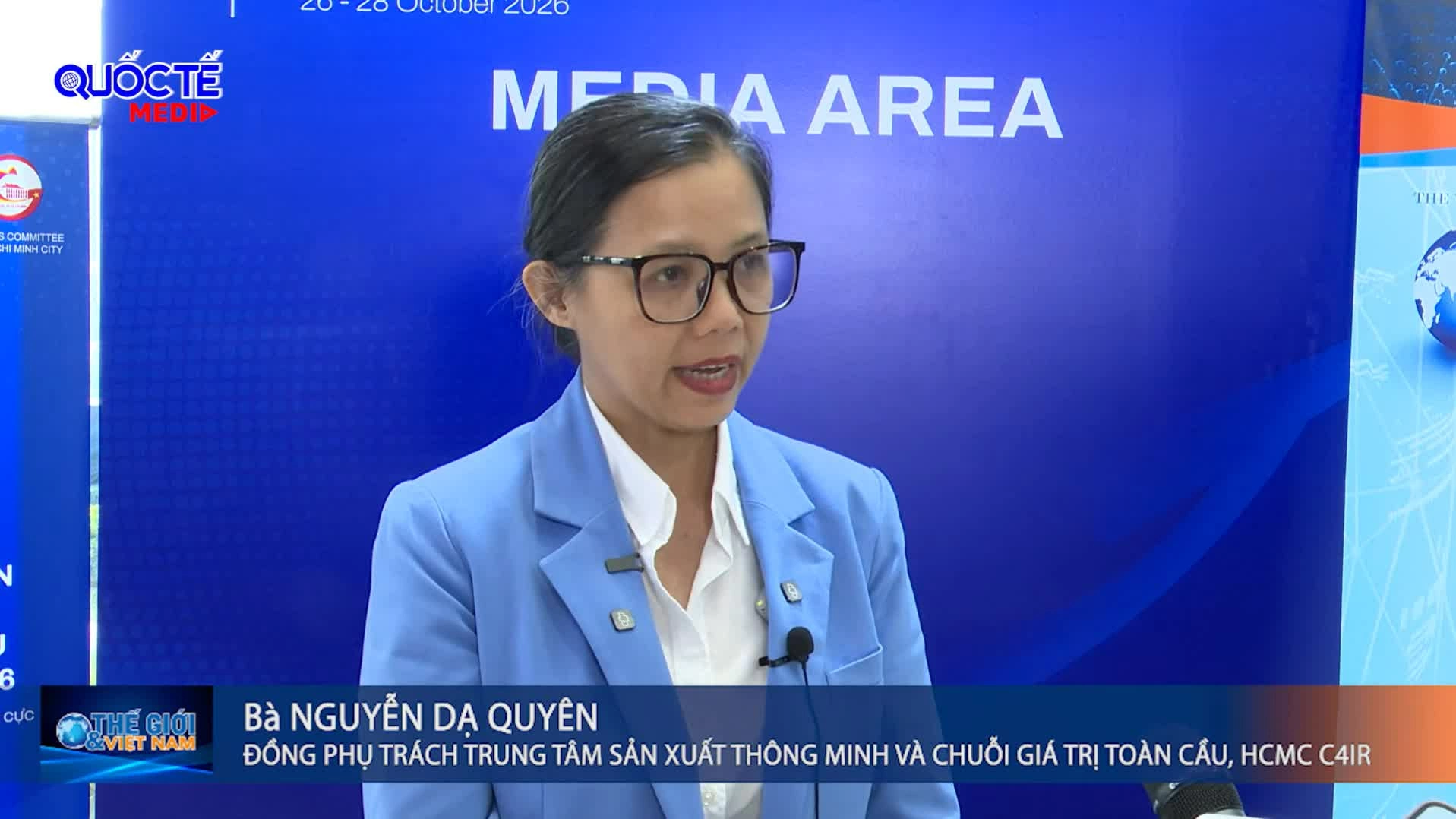 |
| Ms. Nguyen Da Quyen, Co-Lead of the Centre for Smart Manufacturing and Global Value Chains at HCMC C4IR, said Vietnamese businesses need to rethink their approaches, improve data transparency and increase domestic value added to participate more deeply in global supply chains. (Photo: Thanh Long) |
Ms. Nguyen Da Quyen said Vietnam has become deeply integrated into global value chains, supported by the 17 free trade agreements (FTAs) it has signed.
However, to strengthen its position, Vietnam needs to make more effective use of capital, data and technical talent, particularly engineers and skilled workers.
According to Ms. Nguyen Da Quyen’s estimate, Vietnam retains approximately VND 28 of every VND 100 in export value.
The proportion of value retained domestically varies across sectors. For example, the wood industry retains a higher share of value than the electronics sector.
Against this backdrop, Ms. Nguyen Da Quyen argued that Vietnam needs to develop strategies tailored to the characteristics of individual sectors, thereby deepening its participation in value chains and increasing the value retained within the domestic economy.
As international buyers continually adjust their production locations and sourcing arrangements, Vietnamese businesses must proactively rethink their mindsets and approaches to cooperation.
Rather than focusing solely on fulfilling orders, businesses need to work more closely with their partners to jointly research and develop new solutions.
According to Ms. Nguyen Da Quyen, co-creation and innovation are becoming increasingly important in cooperation with international corporations.
Alongside production capacity, data transparency is essential for businesses to meet the standards and requirements of global markets.
Ms. Nguyen Da Quyen noted that buyers increasingly seek information on supply chains, labour conditions, recycled content and fuel consumption.
Businesses can proactively record, standardise and provide such data, thereby improving their ability to meet international partners’ requirements.
Regarding policy support, Ms. Nguyen Da Quyen underscored the importance of a business ecosystem, together with shared infrastructure and services in industrial parks.
She noted that existing policies have established a framework for developing such an ecosystem.
The priority now is to translate this framework into practical, shared solutions that reduce operational burdens and enable businesses to meet global supply chain requirements more effectively.
Expanding cooperation with Republic of Korea
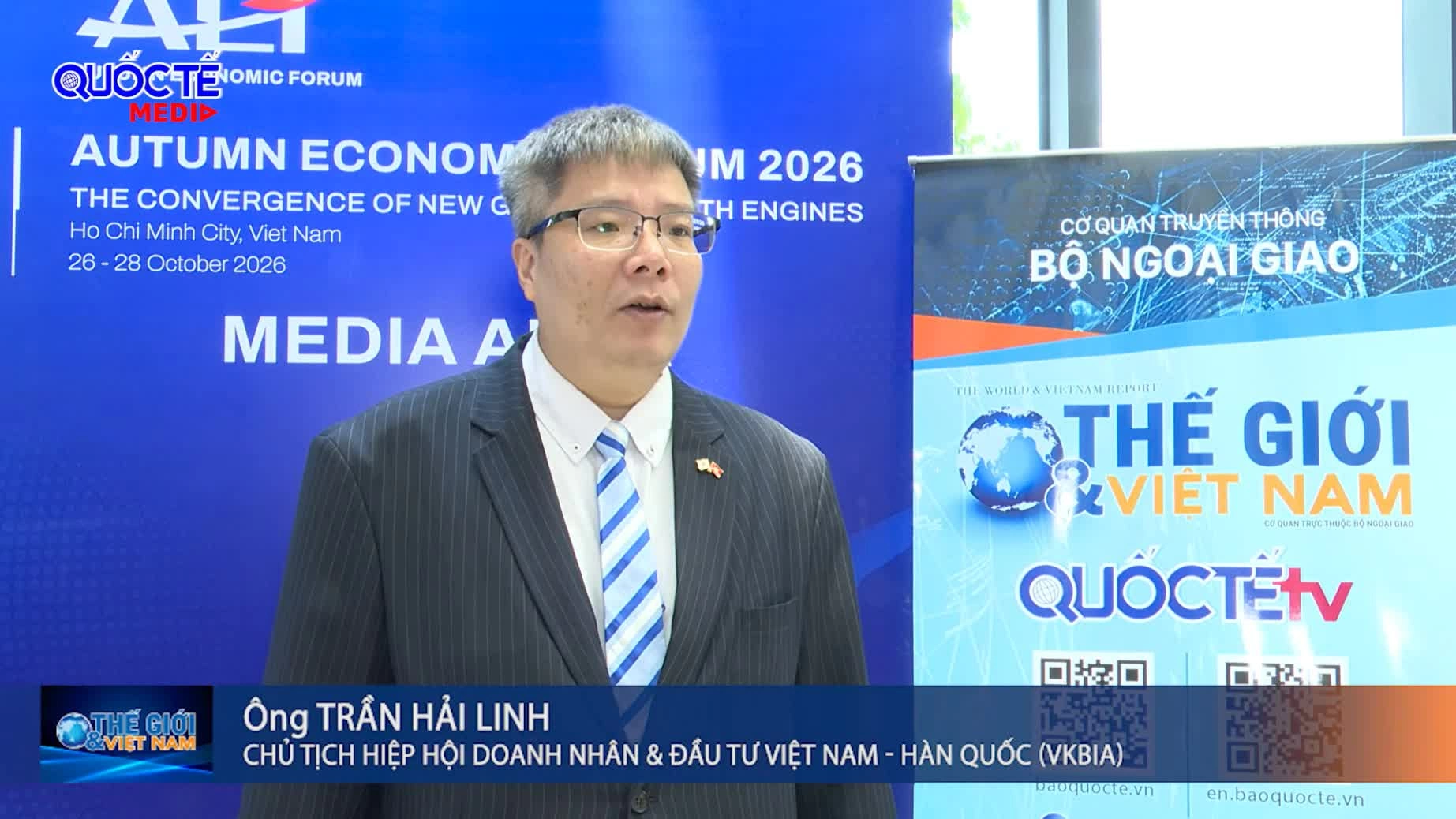 |
| Mr. Tran Hai Linh, Chairman of the Vietnam-Republic of Korea Business and Investment Association (VKBIA), highlighted the potential to expand Vietnam-Republic of Korea cooperation across the semiconductor and AI value chains. (Photo: Thanh Long) |
Mr. Tran Hai Linh, Chairman of VKBIA, said cooperation between Vietnam and the Republic of Korea is expanding into high-tech sectors, particularly semiconductors and AI.
Building on the outcomes of General Secretary To Lam’s state visit to the Republic of Korea in August 2025 and Republic of Korea President Lee Jae Myung’s state visit to Vietnam in April 2026, both countries have reaffirmed their commitment to expanding cooperation in science, high technology, semiconductors and AI.
At AEF 2026, partners from the Republic of Korea also stepped up discussions with Ho Chi Minh City to explore cooperation opportunities in these fields.
According to Mr. Tran Hai Linh, the semiconductor value chain offers opportunities for cooperation across multiple stages, from research and development (R&D) and chip design to packaging, testing and related software development.
With its pool of engineers, technological capabilities and skilled workforce, Ho Chi Minh City can focus on developing stages that align with the city’s strengths and the needs of businesses from the Republic of Korea.
Vietnam therefore needs to gradually move beyond its traditional advantages of low costs and inexpensive labour towards activities with higher technological content and greater value added.
Alongside technological cooperation, the VKBIA Chairman highlighted the role of overseas Vietnamese entrepreneurs and experts in connecting resources, promoting investment and strengthening business ties between the two countries.
Since 2019, VKBIA has worked alongside Ho Chi Minh City to foster cooperation with businesses and localities in the Republic of Korea, including supporting major corporations such as Samsung in expanding production after the COVID-19 pandemic.
The association has also organised two-way business networking initiatives, arranging delegations from Ho Chi Minh City to visit the Republic of Korea while helping Korean partners explore cooperation and investment opportunities in the city.
To improve the effectiveness of international investment attraction, Mr. Tran Hai Linh said Ho Chi Minh City needs to continue streamlining administrative procedures and strengthening investor support mechanisms.
According to the VKBIA Chairman, businesses from the Republic of Korea appreciate the city’s accessibility and responsiveness.
However, some businesses still face difficulties because administrative procedures involve multiple agencies, while the one-stop-shop mechanism is not yet operating seamlessly.
The city should therefore make fuller use of the special mechanisms authorised by the National Assembly and the Government, improve the transparency of investment information and accelerate the development of digital government.
These measures would help shorten administrative processing times, give investors a clearer understanding of policies and facilitate project implementation.
Tags:
AEF 2026
Autumn Economic Forum 2026 (AEF 2026)
Autumn Economic Forum (AEF)
Vietnam global value chains
Smart manufacturing
Smart infrastructure
Domestic value added
Centre for the Fourth Industrial Revolution (HCMC C4IR)
HCMC C4IR
World Economic Forum
semiconductor industry
Resolution No. 57-NQ/TW
Ho Chi Minh City