





AEF 2026: Foreign experts identify two priorities for Vietnam to achieve high growth
WVR - To achieve its ambitious growth targets, Vietnam must maintain macroeconomic stability, improve policy effectiveness and align international resources with its sustainable development priorities.
Latest
On the sidelines of the Autumn Economic Forum 2026 (AEF 2026), The World and Vietnam Report spoke to representatives of two international organisations about the challenges Vietnam faces in managing its macroeconomy, mobilising resources and promoting sustainable growth.
High growth must go hand in hand with macroeconomic stability
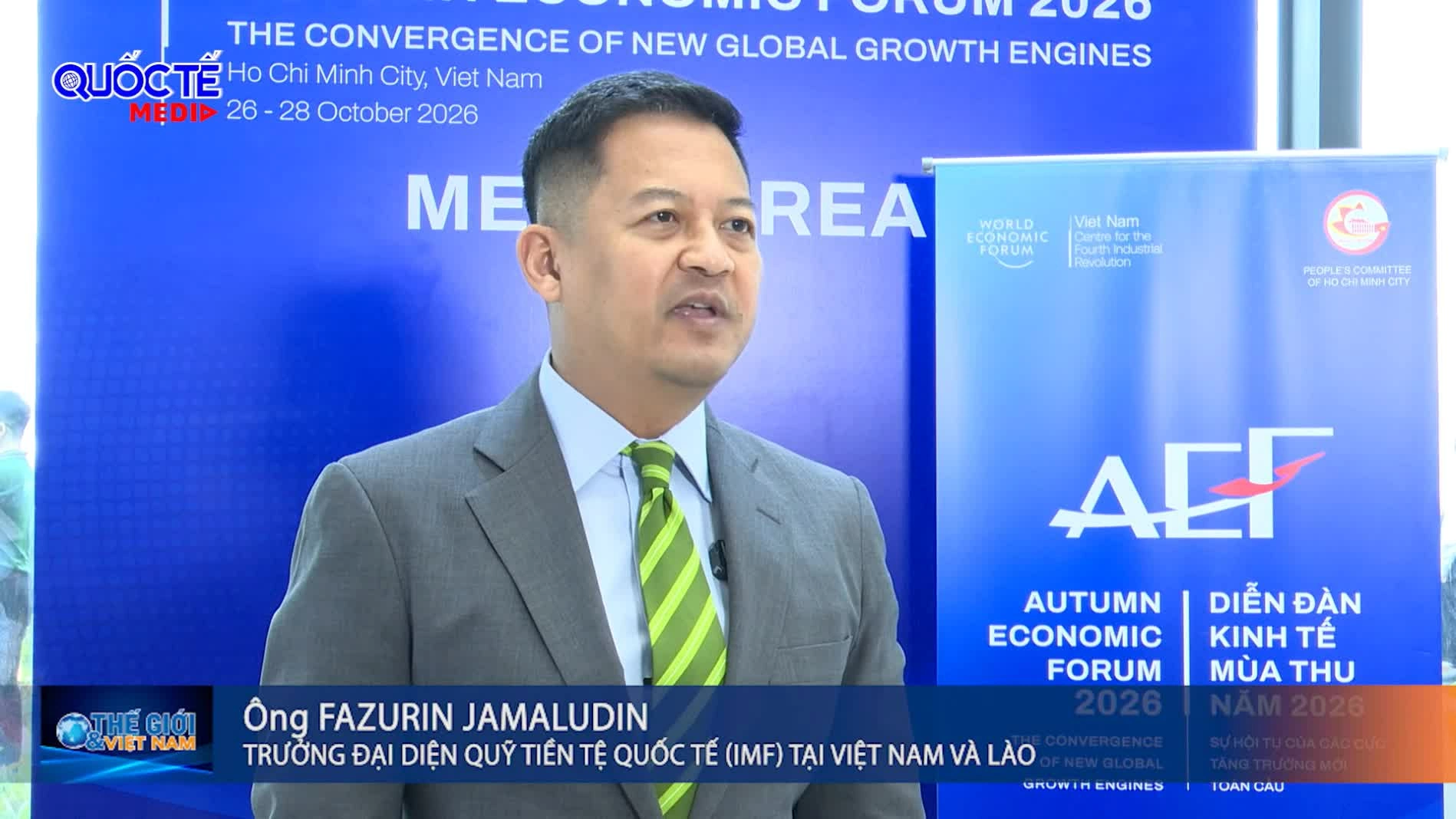 |
| Mr. Fazurin Jamaludin, IMF Resident Representative in Vietnam and Laos, emphasised the need to maintain macroeconomic stability as Vietnam pursues its ambitious growth targets. (Photo: Thanh Long) |
Assessing Vietnam’s ambitious growth target, Mr. Fazurin Jamaludin, IMF Resident Representative in Vietnam and Laos, said rapid growth must be accompanied by effective risk management and a firm commitment to macroeconomic stability.
As the economy accelerates, vulnerabilities may become more pronounced, requiring policymakers to maintain sufficient flexibility to respond to economic fluctuations, the IMF representative noted.
On monetary policy, Mr. Jamaludin recommended that Vietnam continue to modernise its policy framework, making it more transparent and flexible to respond proactively to potential inflationary pressures.
Alongside these efforts, strengthening the medium-term fiscal framework is equally important. He stressed the need to align the budget process closely with medium-term fiscal planning, ensuring policy consistency and credibility while improving the management of public resources.
Highlighting the role of data in policymaking, Mr. Jamaludin argued that Vietnam needs to improve both the quality and coverage of its economic data.
A comprehensive and reliable data system would enable authorities to monitor economic developments more closely, enhance transparency and make timely policy decisions.
“More data will help policymakers develop better policies and respond in real time”, he said.
From the IMF’s perspective, modernising monetary policy, strengthening the fiscal framework and improving data quality are essential foundations for Vietnam to pursue high growth while preserving macroeconomic stability.
Building on these foundations, the next challenge is to mobilise and allocate development resources effectively, aligning international capital and expertise with Vietnam’s specific priorities to turn growth ambitions into tangible results.
Placing Vietnam’s priorities at the centre of international cooperation
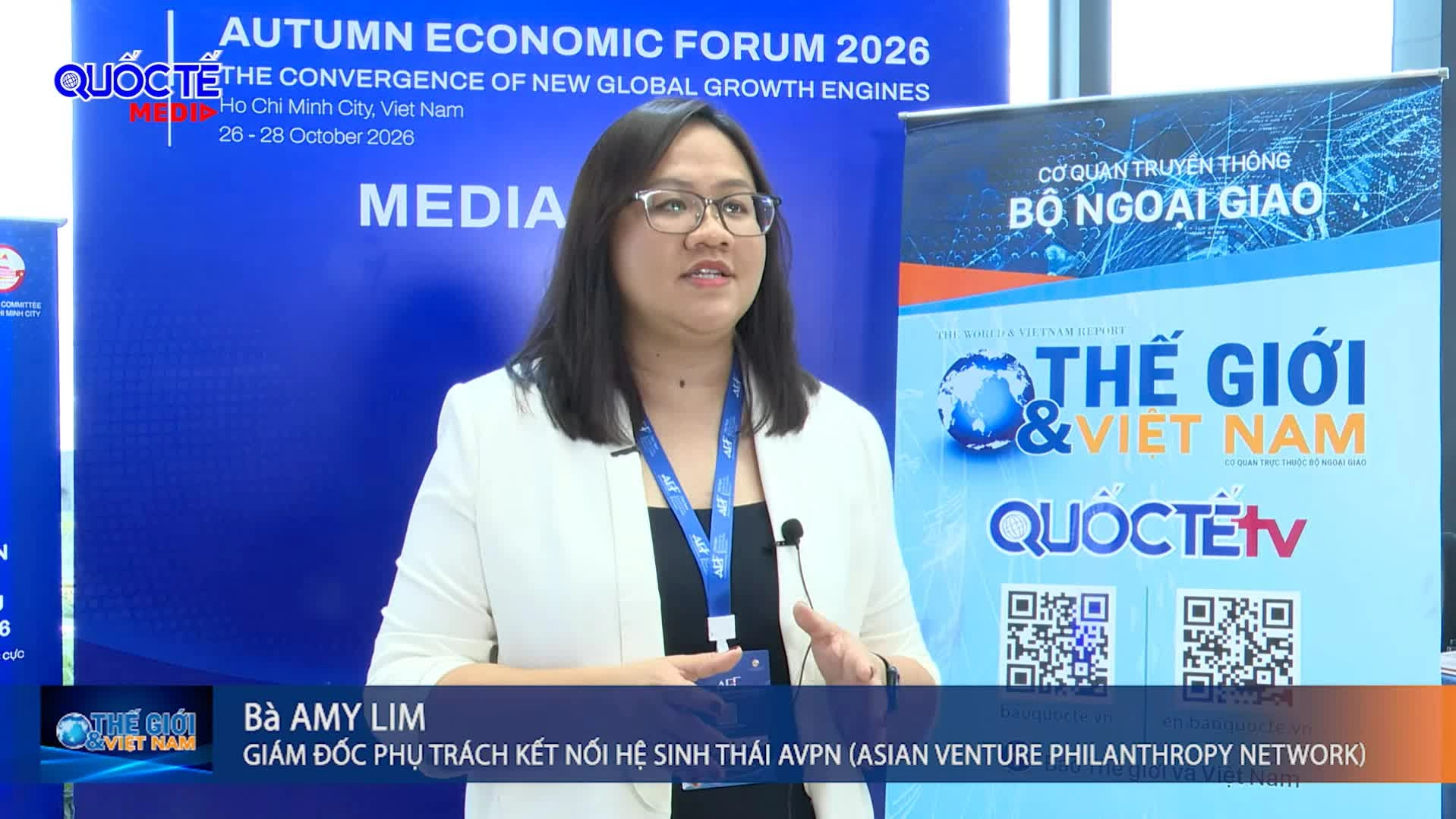 |
| Ms. Amy Lim, Chief Ecosystem Engagement Officer at AVPN, said aligning international resources with Vietnam’s development priorities is key to achieving tangible and sustainable impact. (Photo: Thanh Long) |
From a development cooperation perspective, Ms. Amy Lim, Chief Ecosystem Engagement Officer at the Asian Venture Philanthropy Network (AVPN), said achieving Vietnam’s goals in green growth, innovation and digital transformation requires stronger collaboration among a wide range of stakeholders.
Businesses, investors, philanthropic organisations, foundations and policymakers need to work closely together, drawing on their respective strengths to address development challenges.
With a network of nearly 1,000 organisations across 43 markets, AVPN connects capital, knowledge and expertise, bringing diverse resources together around shared development goals.
According to Ms. Lim, mobilising capital is only the starting point. The decisive factor is the ability to coordinate resources effectively and translate them into practical solutions that address real-world needs.
Illustrating this approach, the AVPN representative cited the AI Opportunity Fund, an initiative that combines financial resources, expertise and local training providers to expand access to artificial intelligence (AI) skills.
Drawing on this experience, Ms. Lim identified considerable scope for cooperation with Vietnam in areas central to its long-term development, particularly sustainable agriculture, climate change adaptation and workforce development.
To make international cooperation more effective, Vietnam’s development priorities must serve as the starting point for identifying potential partners, the AVPN director said.
Rather than applying ready-made models, stakeholders should begin by identifying domestic needs and then select partners capable of providing appropriate resources and solutions.
She also emphasised that cooperation should be a two-way process. Alongside attracting international capital and expertise, Vietnam should create more opportunities for domestic businesses, organisations and initiatives to share their experience and contribute to regional cooperation networks.
Alongside resource mobilisation and coordination, impact measurement should be built into project design from the outset, rather than left until the programme has concluded.
Ms. Lim said stakeholders should agree from the beginning on objectives, evaluation methods and the communities the project aims to benefit.
Applying widely recognised measurement frameworks would then help track both project outputs and the tangible changes they deliver, including the breadth of their impact and the extent to which results can be sustained over time.
In the long term, aligning international resources with Vietnam’s development priorities must go hand in hand with accountability for results. This is essential to ensure that cooperation programmes deliver tangible value and contribute to inclusive growth and sustainable development.