


AEF 2026: Prime Minister Le Minh Hung attends opening session, sends message of Vietnam’s readiness to cooperate for shared development
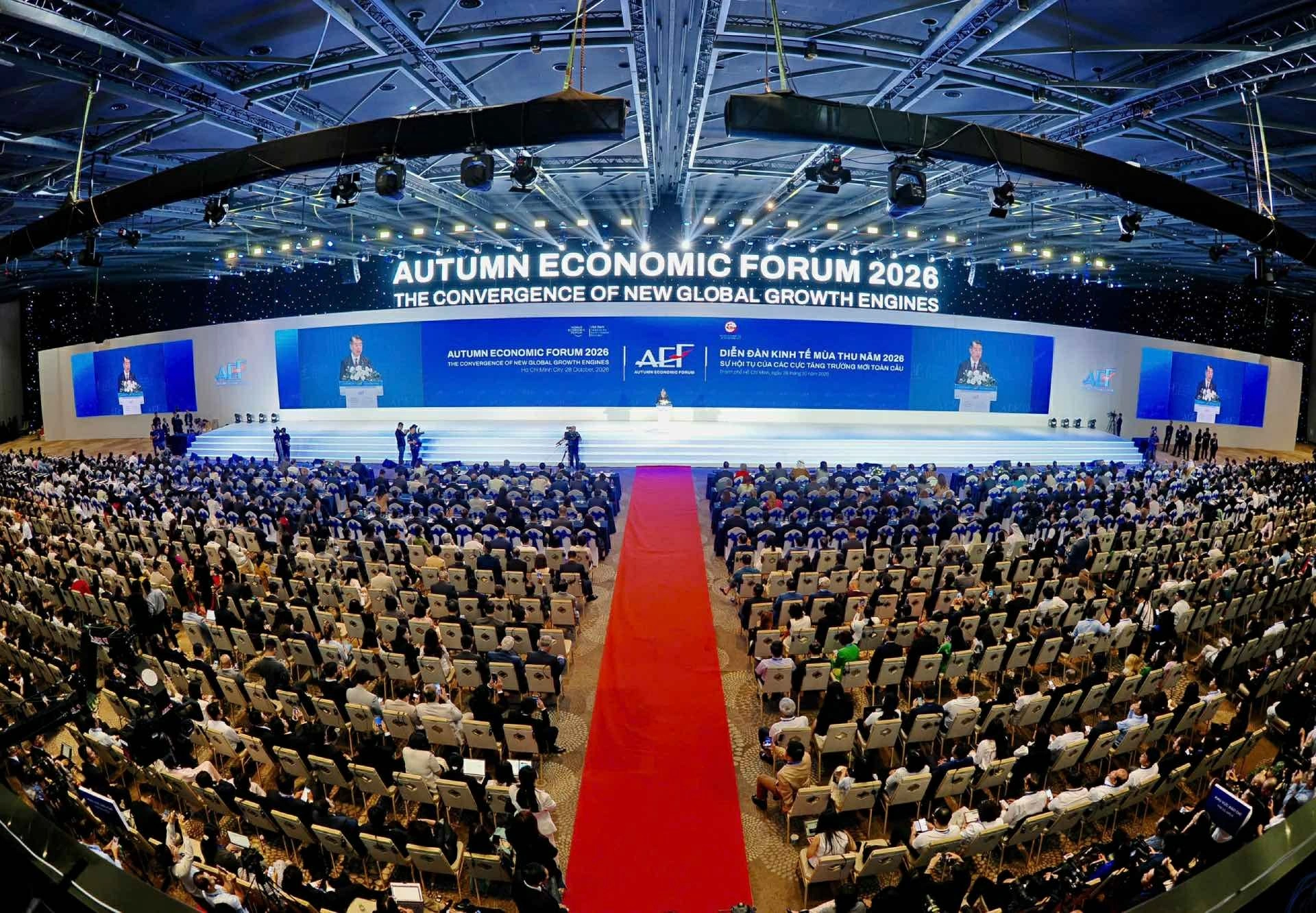
WVR - On the morning of October 28, within the framework of the Autumn Economic Forum 2026 (AEF 2026), the opening session and high-level plenary session themed "The Convergence of New Global Growth Engines" solemnly took place in Ho Chi Minh City, co-organized by the World Economic Forum (WEF). Prime Minister Le Minh Hung attended and delivered a directive speech.
Latest
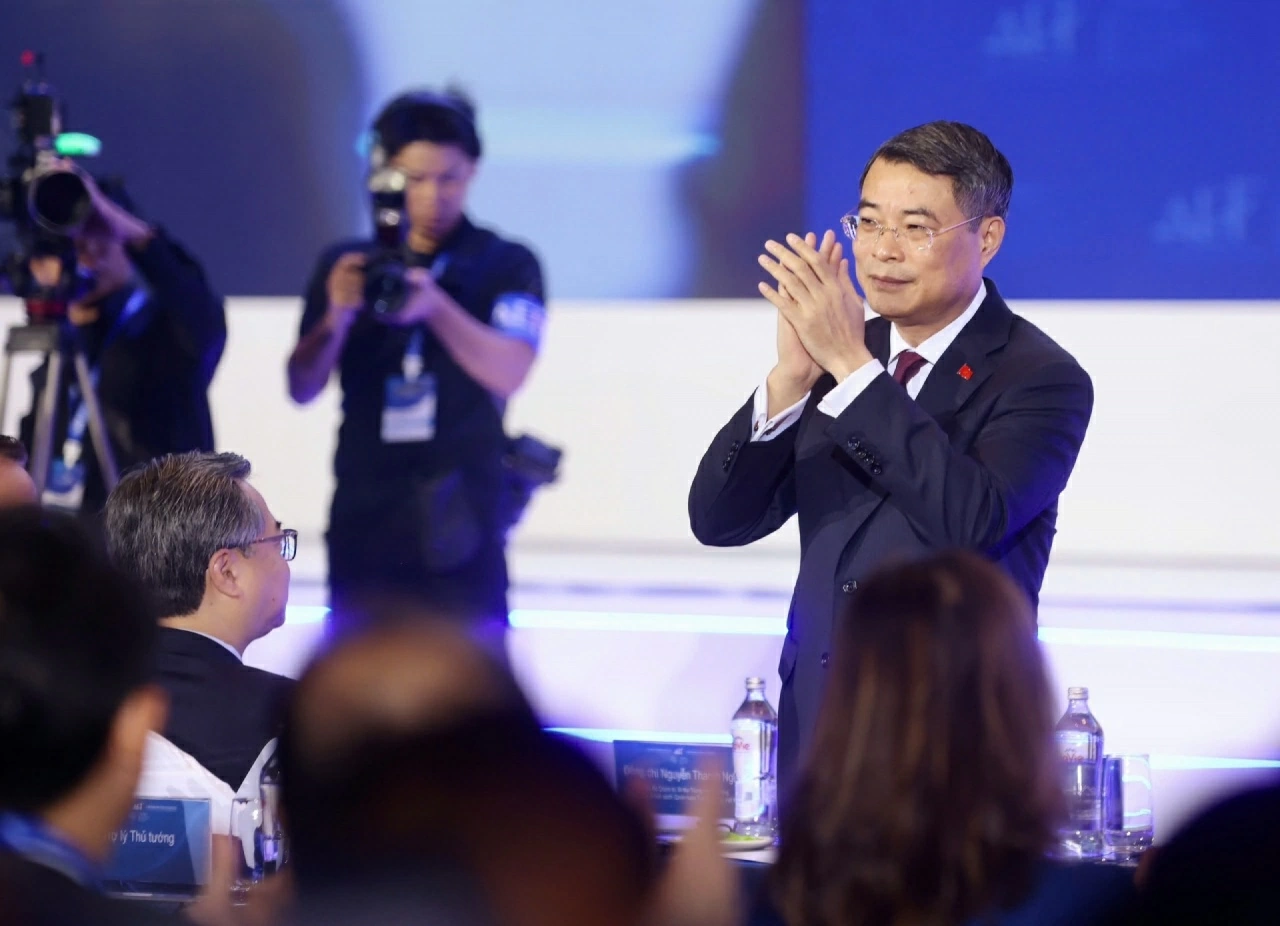 |
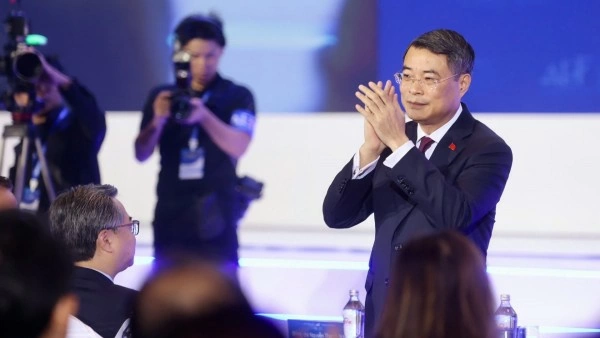
| Prime Minister Le Minh Hung attends the Autumn Economic Forum 2026. (Source: Organizing Committee) |
Attending the event from the Vietnamese leadership were Mr. Nguyen Thanh Nghi, Member of the Politburo, Secretary of the Party Central Committee, Head of the Party Central Committee's Commission for Policies and Strategies; Mr. Phan Van Mai, Member of the Party Central Committee, Member of the National Assembly Standing Committee, Chairman of the National Assembly's Economic and Financial Committee; Mr. Pham Duc An, Member of the Party Central Committee, Governor of the State Bank of Vietnam; Mr. Dang Xuan Phong, Member of the Party Central Committee, Minister, Chairman of the Government Office; Senior Lieutenant General Dang Hong Duc, Member of the Party Central Committee, Deputy Minister of Public Security; Prof. Dr. Nguyen Thi Thanh Mai, Member of the Party Central Committee, President of the Vietnam National University, Ho Chi Minh City; Mr. Ho Van Muoi, Member of the Party Central Committee, Chairman of the People's Committee of Lam Dong; along with leaders of the Government Office; leaders of the Ministries: Foreign Affairs, Industry and Trade, Finance, Science and Technology, Construction, Health, Home Affairs; Leaders of the Vietnam Academy of Science and Technology; leaders of localities...
From the international leadership, there were Mr. Stephan Mergenthaler, Managing Director of WEF; Mr. Arsenio M. Balisacan, Secretary of the Department of Economic, Planning and Development of the Philippines; Mr. Saeed Bin Mubarak Al Hajeri, Minister of State, Ministry of Foreign Affairs, United Arab Emirates; Baroness Rosalie Winterton, Minister of State for Foreign Affairs, Commonwealth and Development of the United Kingdom; Zhang Qi, Vice-President of the Development Research Centre of the State Council of China; along with representatives from the governments of Bangladesh, China, India, Laos, Mongolia; and localities including Phnom Penh (Cambodia), Yangon (Myanmar), Vientiane (Laos), Guangxi Zhuang Autonomous Region (China), Hyogo Prefecture (Japan), Los Angeles (USA), Queensland, New South Wales, and Victoria (Australia).
From Ho Chi Minh City, the host of the Forum, there were Mr. Nguyen Van Duoc, Member of the Party Central Committee, Deputy Secretary of the City Party Committee, Chairman of the People's Committee of the City; Mr. Nguyen Loc Ha, Member of the Standing Committee of the City Party Committee, Permanent Vice Chairman of the People's Committee of the City, Head of the Forum Organizing Committee.
Aspiration to open new development spaces
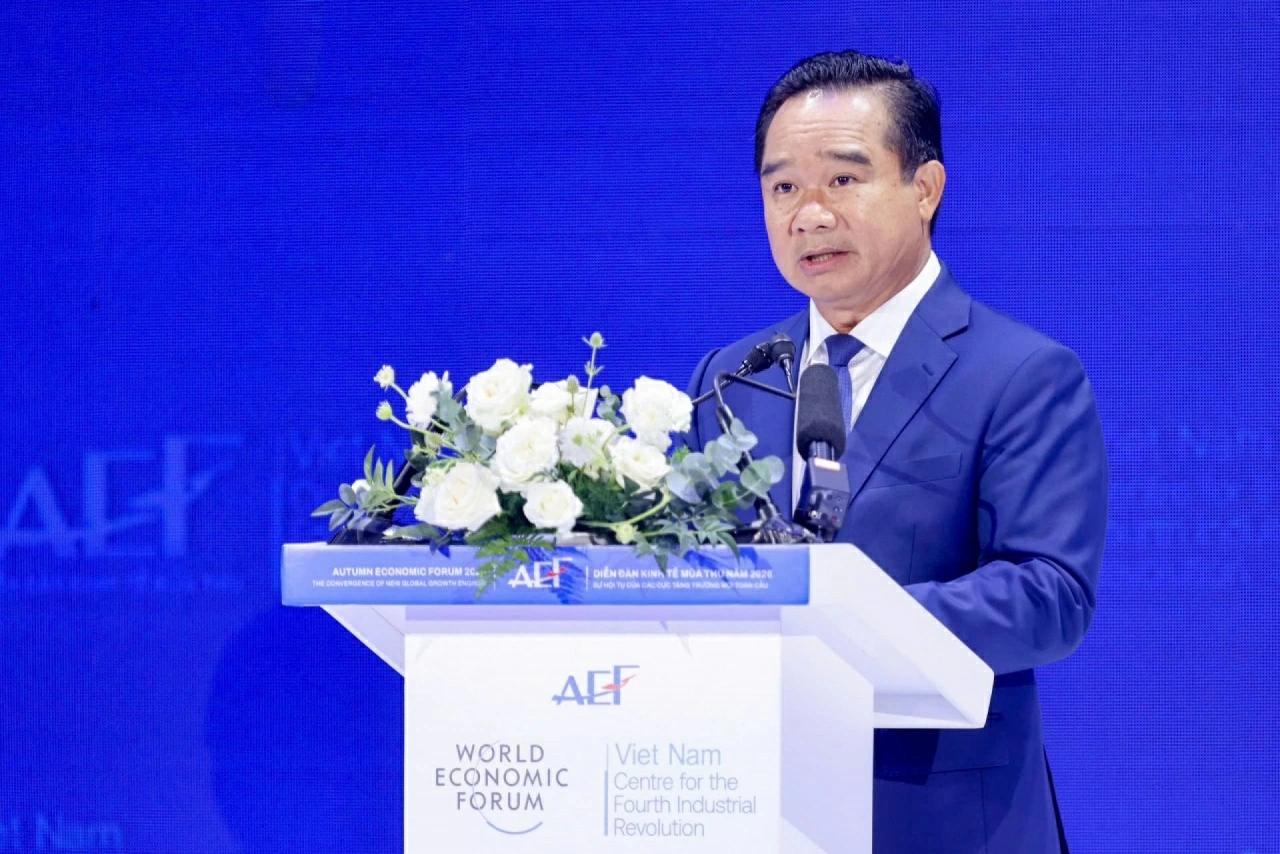 |
| Mr. Nguyen Van Duoc, Member of the Party Central Committee, Deputy Secretary of the City Party Committee, Chairman of the People's Committee of Ho Chi Minh City, stressed that the Autumn Economic Forum is an important occasion for the City to listen and exchange. (Source: Organising Committee) |
In his opening speech, recalling the milestones of the Autumn Economic Forum 2025, Mr. Nguyen Van Duoc, Member of the Party Central Committee, Deputy Secretary of the City Party Committee, Chairman of the People's Committee of Ho Chi Minh City, stressed that the Forum had made a significant mark with the participation of over 1,800 delegates and nearly 100 international delegations from more than 30 countries and territories. This is an important milestone showing that Ho Chi Minh City is increasingly becoming a space for dialogue, connection, and international cooperation.
According to Mr, Nguyen Van Duoc, if 2025 was an important milestone, this year the City returns with a broader question: As new growth poles are forming, how can they connect, support one another, and open up new development spaces? The theme “Spirit of Cooperation in the New Era” of this year's Forum also suggests a perspective on this convergence.
The Chairman of the People's Committee of Ho Chi Minh City noted that if convergence is a global trend, then for Ho Chi Minh City it is also becoming a key requirement for the new development space. The city named after Uncle Ho today stands before a larger development space, with increasingly tight connections among urban areas, industry, science and technology, and innovation, while also expanding its ability to link with the Southeast region and the entire country, with Southeast Asia, and with global economic networks.
Mr. Nguyen Van Duoc affirmed that this is not merely a change in scale. A new development space requires a new development mindset, a new governance method, and new connectivity capabilities. The City clearly understands that no urban area can build all the driving forces on its own. A financial centre needs to connect with other financial centres; an innovation ecosystem needs to connect with global knowledge and business networks; a logistics centre needs to be part of larger trade corridors and supply chains.
Therefore, developing Ho Chi Minh City in connection with localities, economic regions, urban areas, financial centres, technology, innovation, and international partners is an objective necessity and a mandate for the City.
“We identify this as an important occasion for the City to listen and exchange with you: How can large urban areas connect and support each other? How can capital, technology, knowledge, human resources, and markets be connected more effectively? How can those connections create new opportunities for cooperation for all of us? And how can Ho Chi Minh City become a worthy link in the regional and global connection chain?” the Chairman of the People's Committee of Ho Chi Minh City expressed his expectations.
Three development drivers
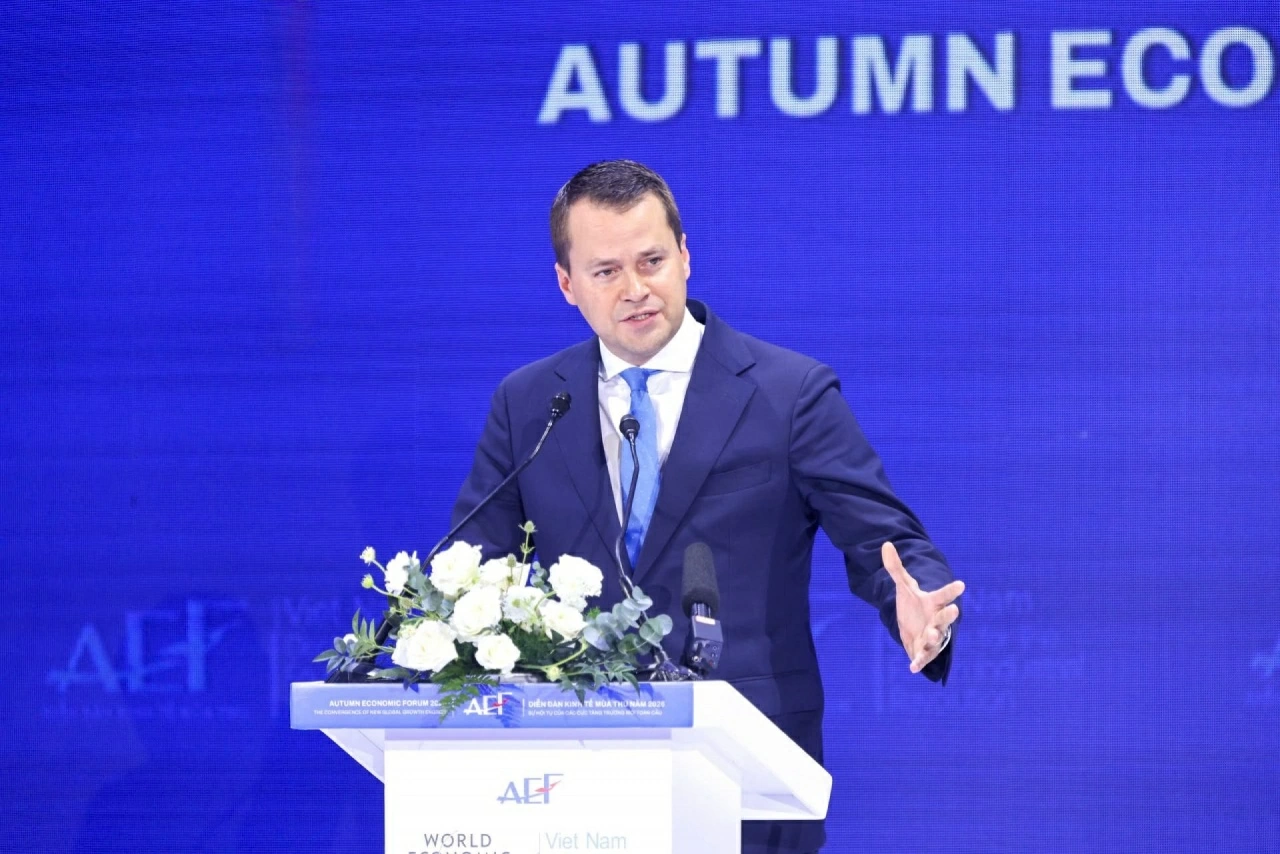 |
| Mr. Stephan Mergenthaler, Managing Director of the World Economic Forum (WEF), states that we are living in a period of profound economic transformation. (Source: Organizing Committee) |
For his part, Mr Stephan Mergenthaler, Managing Director of WEF, expressed his pleasure at cooperating with the Organising Committee of the Autumn Economic Forum on a series of joint activities throughout the Forum. According to him, this clearly reflects the shared belief of the two sides that the era's most urgent economic challenges cannot be solved by governments, businesses, or society alone. These challenges require cooperation, shared aspirations, and above all, a readiness to turn dialogue into action.
The Managing Director of WEF noted that we are living in a period of profound economic transformation. Geopolitical instability, shifting supply chains, energy systems, and rapid technological advances are transforming the global economy. These changes pose challenges but also open up significant opportunities, especially for economies capable of adapting, innovating, and building new partnerships.
In that spirit, Mr. Stephan Mergenthaler emphasized three factors:
First is intelligence. Intelligent systems are driving new forms of technological convergence and accelerating the transformation in how companies produce, how governments deliver services, and how people work.
Second is a resilient and sustainable industry. Currently, companies are re-evaluating how and where they produce, as well as their investments and operations. Resilience, adaptability, and sustainability are becoming key factors determining competitiveness. Simultaneously, the shift to cleaner energy, smart infrastructure, and resource-efficient production is also creating new opportunities for industrial transformation.
Third is connectivity. Growth depends on the ability to connect ideas, capital, talent, and markets. Cities play a particularly important role in this connectivity. They are where innovation ecosystems thrive, where businesses and entrepreneurs converge, and where global opportunities are transformed into local economic activities.
Mr. Stephan Mergenthaler affirmed that these three drivers do not operate independently but rather reinforce and support one another, thereby shaping the next generation of economic growth.
Vietnam - A crucial link in global supply and value chains
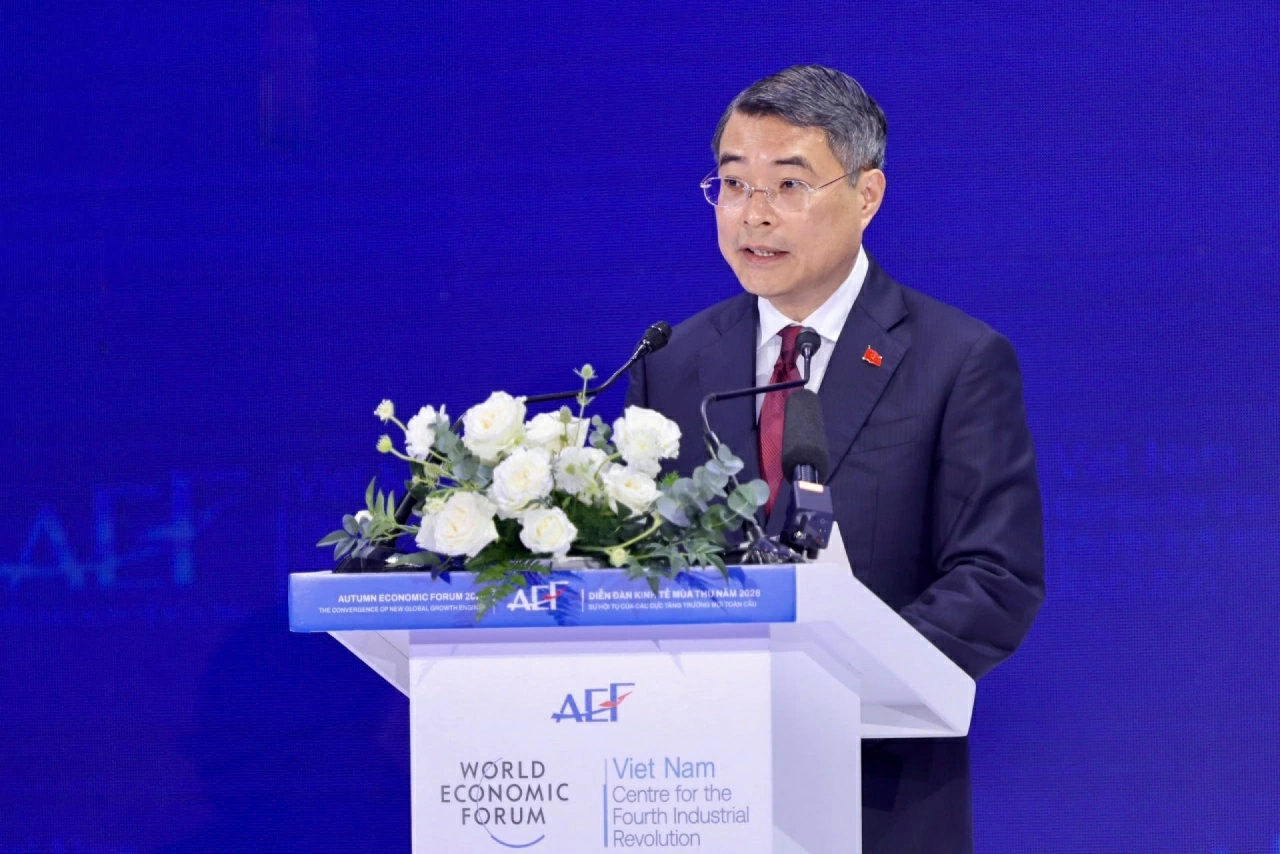 |
| Prime Minister Le Minh Hung pointed out that in Vietnam's renewal process, promoting international integration has always been a consistent policy and an important strategic priority to leverage internal resources and external forces for the country's construction and development. (Source: Organizing Committee) |
In his directive speech, Prime Minister Le Minh Hung affirmed that the Forum's theme “Spirit of Cooperation in the New Era” poses a question of epochal significance: In a global context witnessing rapid changes and many upheavals, how do we cooperate not only to adapt to change, overcome challenges, but also proactively create new development drivers for a better future?
According to the Prime Minister, the world is undergoing profound and rapid transformations, opening up many new development opportunities but also posing significant challenges to nations. Strategic competition among major powers is increasing; wars and conflicts continue in various forms, leading to a trend of multipolarity, policy adjustments, economic fragmentation, and increasingly strong supply chain restructuring; traditional and non-traditional security challenges are intertwined and complex. Meanwhile, breakthroughs in science and technology, especially artificial intelligence (AI), along with digital, green, and energy transformations, are fundamentally changing production methods, growth models, and global development structures.
In this context, enhancing self-reliance and strengthening international cooperation are two closely linked requirements. No country can develop rapidly and sustainably if it stands alone; no global challenge can be effectively addressed by unilateral efforts. In the new development phase, only solidarity and cooperation, shared responsibility, and collective action, connecting markets and resources, connecting knowledge, technology, and people, can bring sustainable, inclusive development to nations and enhance resilience to shocks and fluctuations. Moreover, cooperation should not stop at declarations or commitments but must truly transform into substantive mechanisms, feasible projects, and specific, measurable results.
Particularly, Prime Minister Le Minh Hung pointed out that in Vietnam's renewal process, promoting international integration has always been a consistent policy and an important strategic priority to leverage internal resources and external forces for the country's construction and development.
Today, Vietnam has risen to become a dynamic developing economy with a very high GDP growth rate, a safe and attractive investment destination, a reliable partner, and an active, responsible member of the international community.
Vietnam's GDP growth in the first nine months reached 9.01%, the highest since 2011; total import and export turnover to date has exceeded 987 billion USD, up over 30% compared to the same period last year, and is expected to surpass 1,100 billion USD for the entire year 2026. In October 2026 alone, Vietnam's economy achieved a trade surplus of over 5.7 billion USD; registered FDI reached 50.36 billion USD, up 76.4%; implemented FDI reached 21.07 billion USD, up 12.1%; and total social investment capital in the first nine months exceeded 120 billion USD, up 15.1%. The Global Innovation Index 2026 ranked Vietnam 43rd out of 139 economies, with Vietnam leading the world in the share of high-tech and creative goods exports in total merchandise trade. Vietnam also officially joined the group of upper-middle-income countries in July 2026.
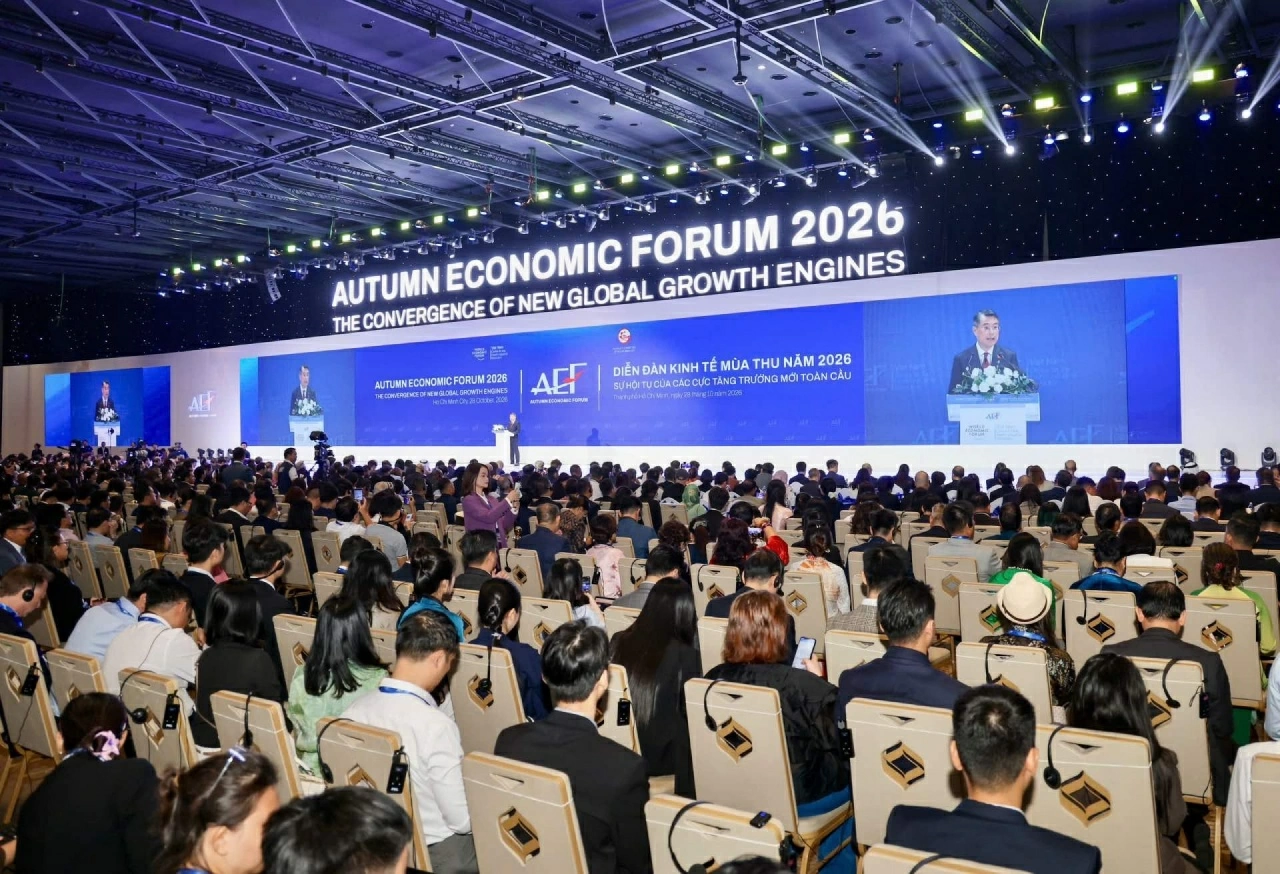 |
| Overview of the event. (Source: Organizing Committee) |
Currently, Vietnam is entering a new phase of development with the utmost determination and effort to achieve the strategic 100-year goal of becoming a developed, high-income country by 2045. At the same time, the S-shaped country identifies the period 2026–2030 as a pivotal phase with the determination to strive for an average GDP growth of 10% or more per year, based on maintaining macroeconomic stability, controlling inflation, ensuring major balances, enhancing growth quality, and sustainable development.
Now, in the new phase, Vietnam's international integration has reached a new level. Vietnam identifies that high growth must go hand in hand with higher productivity; attracting foreign investment must go hand in hand with enhancing the capacity of domestic enterprises; deep and wide integration must go hand in hand with strengthening the resilience and self-reliance of the economy. This is not only a process of renewing the growth model but also a strong transformation in development thinking, national governance methods, and ways of connecting and cooperating with the world.
The above reflects a consistent message: Vietnam not only wishes to become an attractive destination for investment flows and new technologies but is also determined to become an increasingly reliable partner, a crucial link in global supply and value chains, a center for innovation connectivity, and a place to co-create new development models and growth drivers with partners.
In that spirit, Prime Minister Le Minh Hung proposed four specific contents for the Forum to discuss:
First, promote the establishment of co-creative partnerships between international corporations and Vietnamese localities and enterprises.
Second, WEF and partners accompany Vietnam in programs to nurture and train digital talent and advance cutting-edge science and technology, helping Vietnamese businesses and the workforce enhance their capacity to receive, apply, and master technology.
Third, research and build pilot mechanisms for strategic technology.
Fourth, strengthen cooperation to mobilize medium and long-term capital for development. In this, international financial centers in Ho Chi Minh City and Da Nang need and will become effective connection points for medium and long-term capital from the world with Vietnam's infrastructure, energy, green transition, and innovation development needs.
The head of the Vietnamese Government hopes that, with the support of WEF and partners, the Autumn Economic Forum will become a space for connection, promoting practical initiatives and cooperation programs, and delivering specific, long-term results.
The Government will also always value the heartfelt opinions of the business community at home and abroad, for each feasible proposal, we will designate a clear handling focal point; for each potential project, there will be a specific promotion roadmap; for each legitimate obstacle, the responsible agency and individual will be clearly identified for timely consideration and resolution.
Some images from the opening session and high-level plenary session
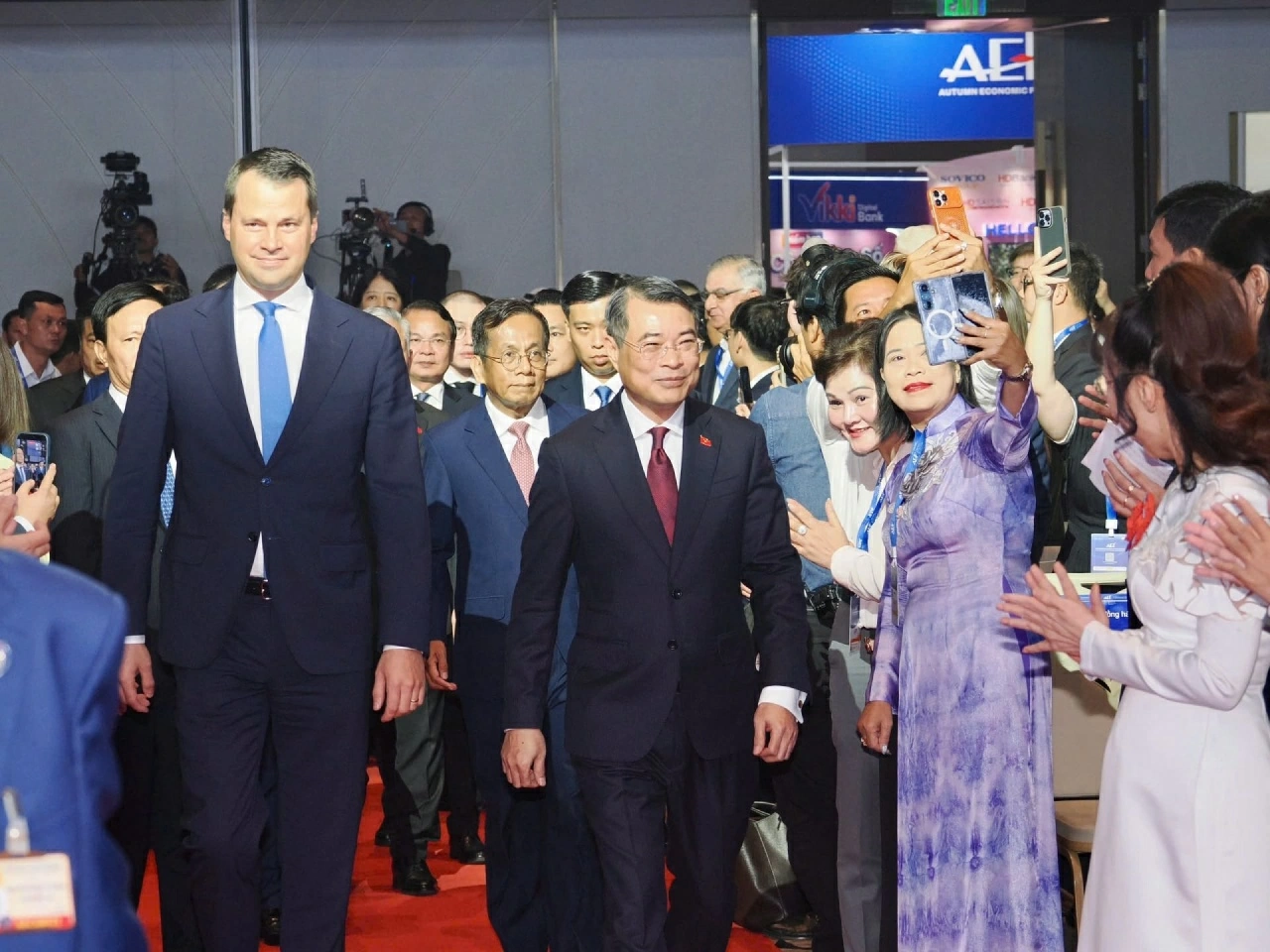 |
| Prime Minister Le Minh Hung and Mr. Stephan Mergenthaler, Managing Director of the World Economic Forum (WEF), attend the Autumn Economic Forum 2026. |
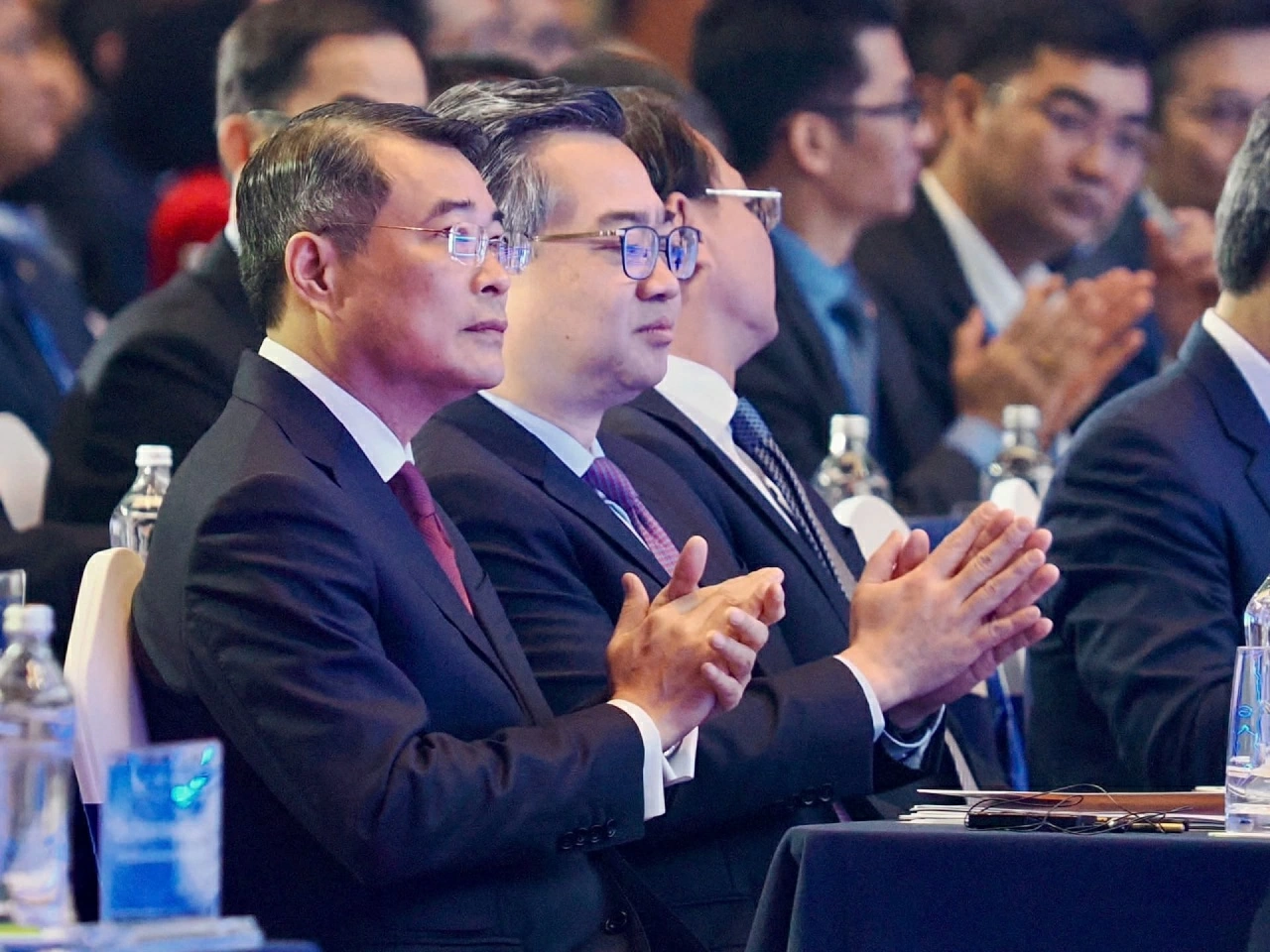 |
| Prime Minister Le Minh Hung along with delegates attend the Autumn Economic Forum 2026. (Source: Organizing Committee) |
 |
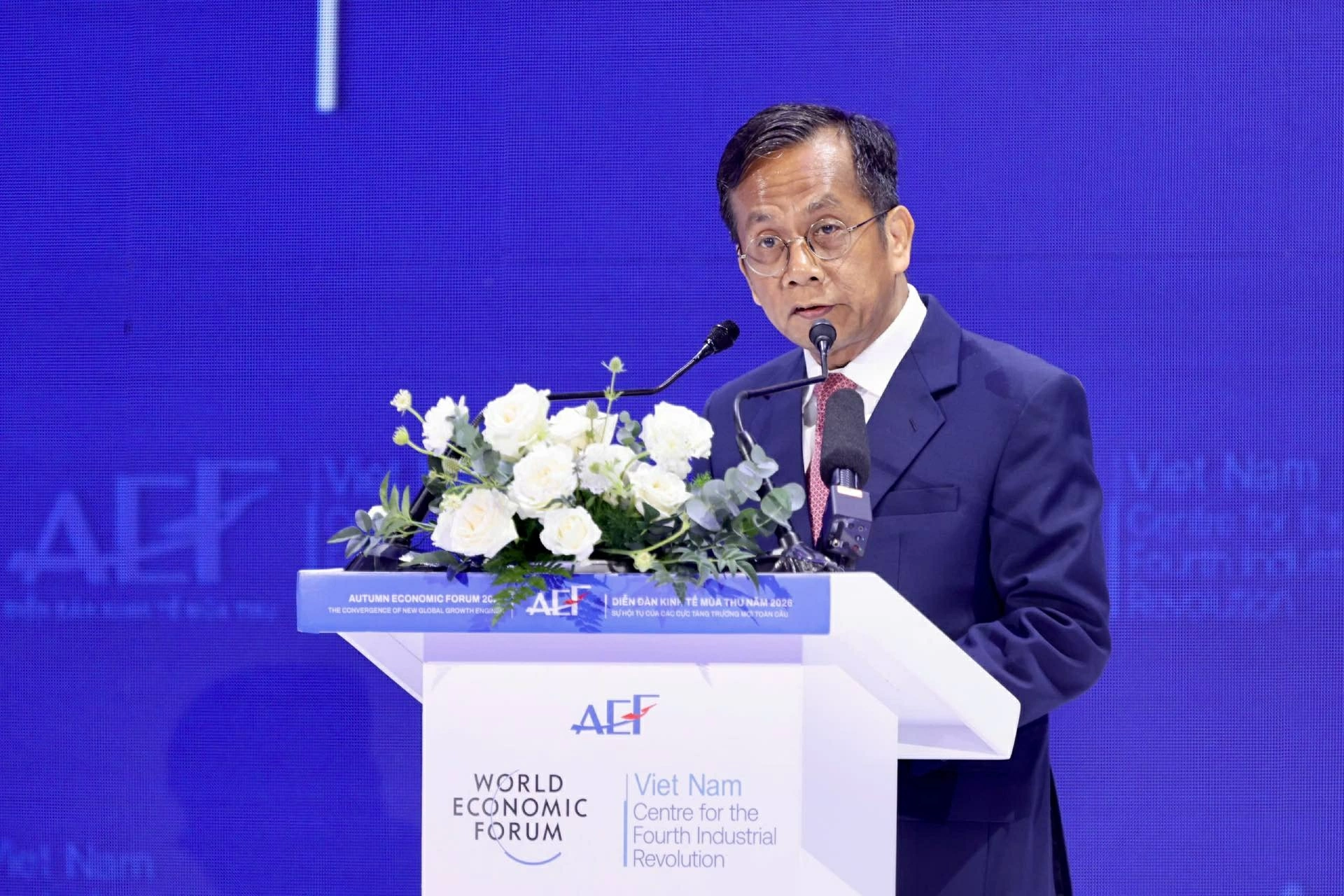 |
| Mr. Arsenio M. Balisacan, Secretary of the Department of Economic, Planning and Development of the Philippines, speaks. (Source: Organizing Committee) |
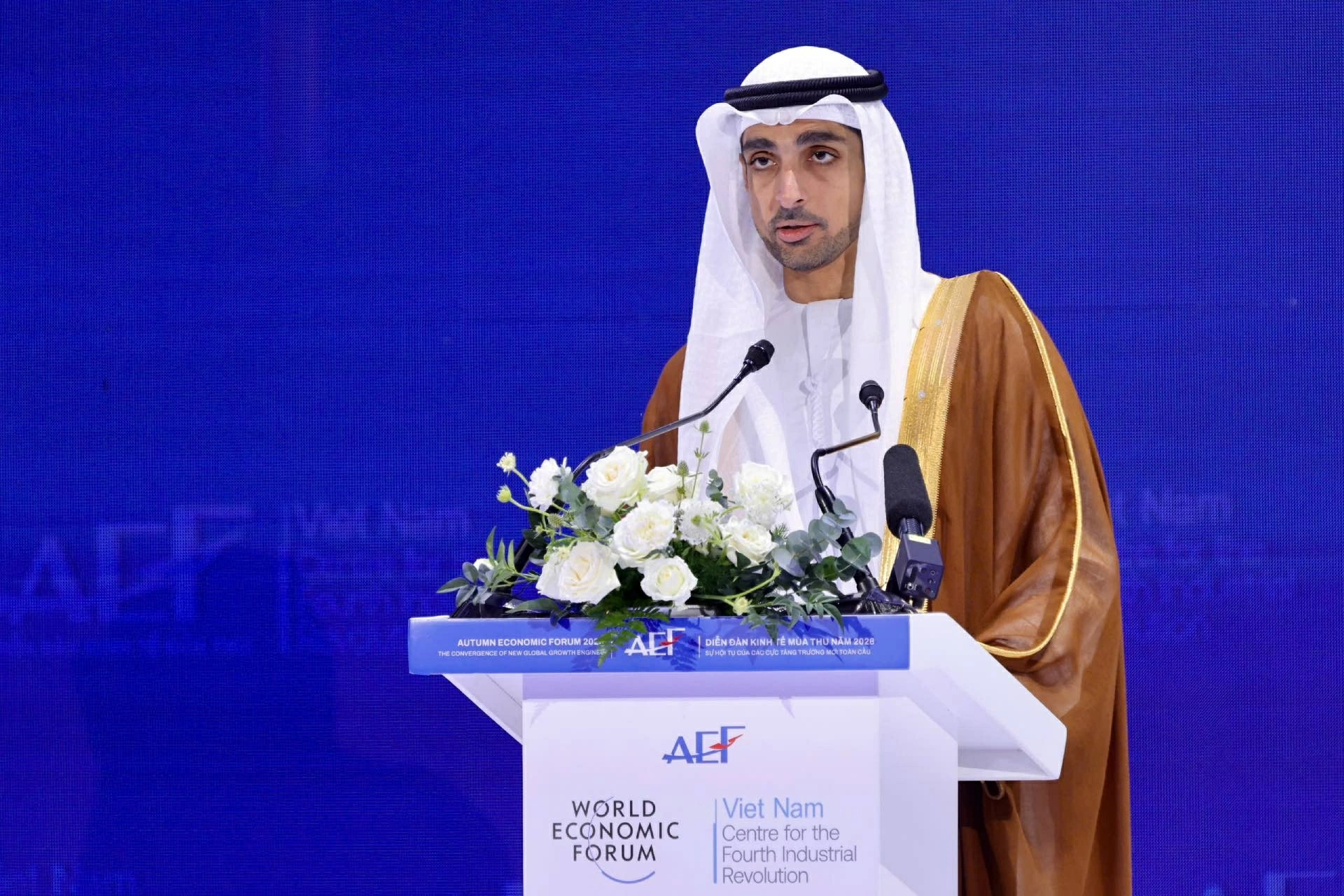 |
| Mr. Saeed Bin Mubarak Al Hajeri, Minister of State, Ministry of Foreign Affairs, United Arab Emirates, speaks. (Source: Organizing Committee) |
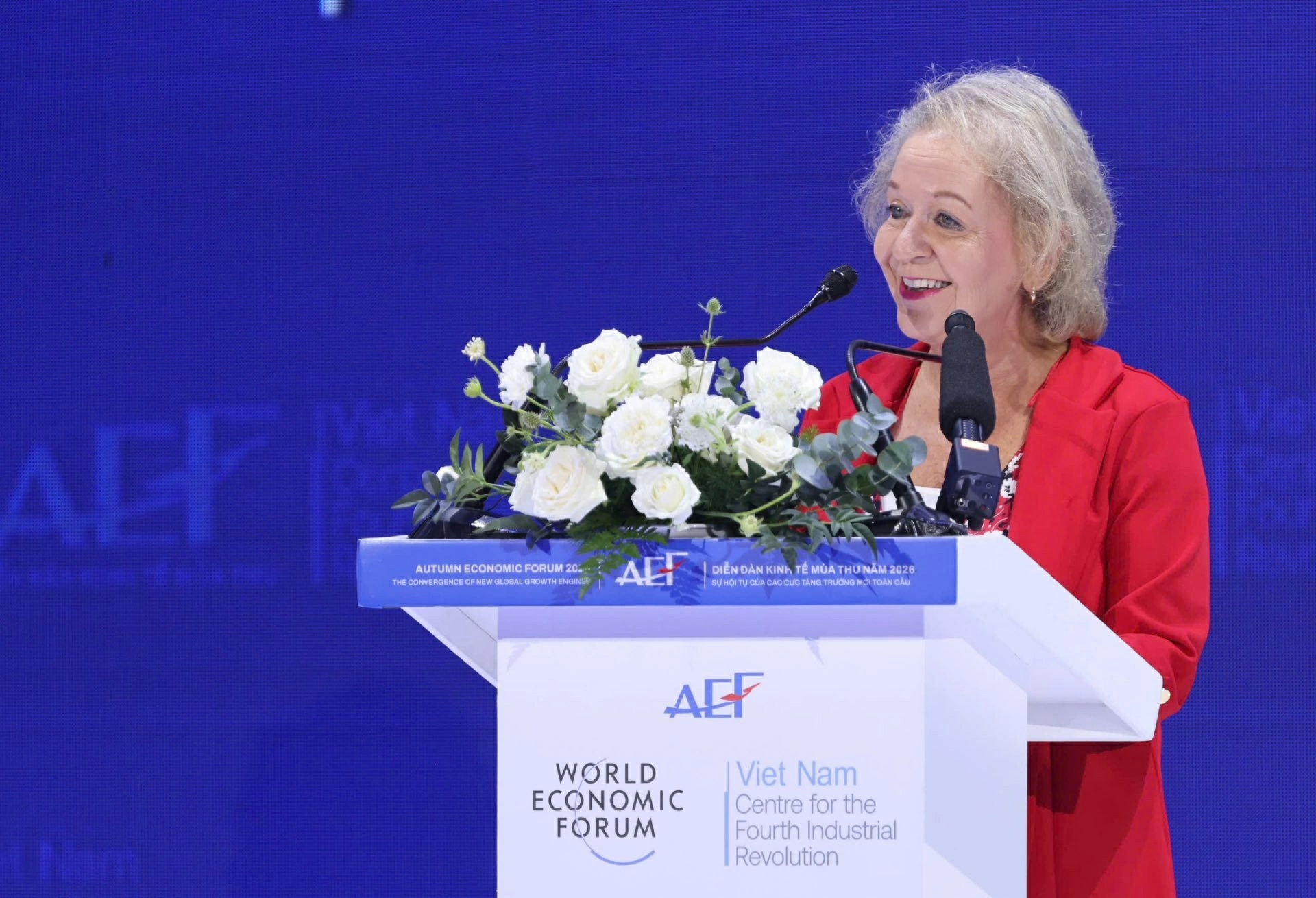 |
| Baroness Rosalie Winterton, Minister of State for Foreign Affairs, Commonwealth and Development of the United Kingdom, speaks. (Source: Organizing Committee) |
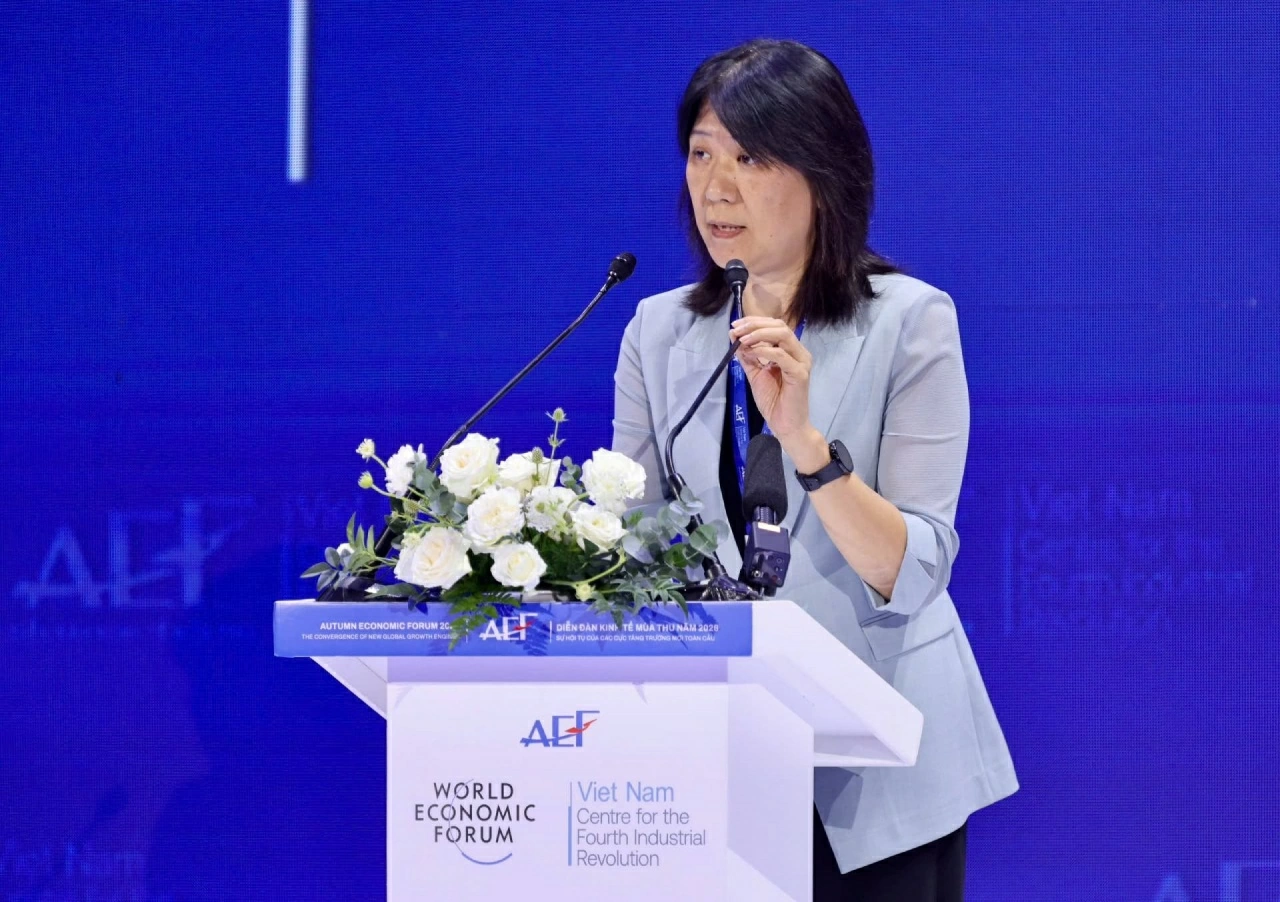 |
| Ms. Zhang Qi, Vice-President of the Development Research Centre of the State Council, Representative of the Chinese Government. (Source: Organizing Committee) |