



A new era for the Education Sector (Part 4): Educational integration – A bridge for Vietnamese culture to reach out
WVR - The significant aim of Resolution 71-NQ/TW is to view education as a bridge connecting Vietnam with the world, through both knowledge and culture.
Latest
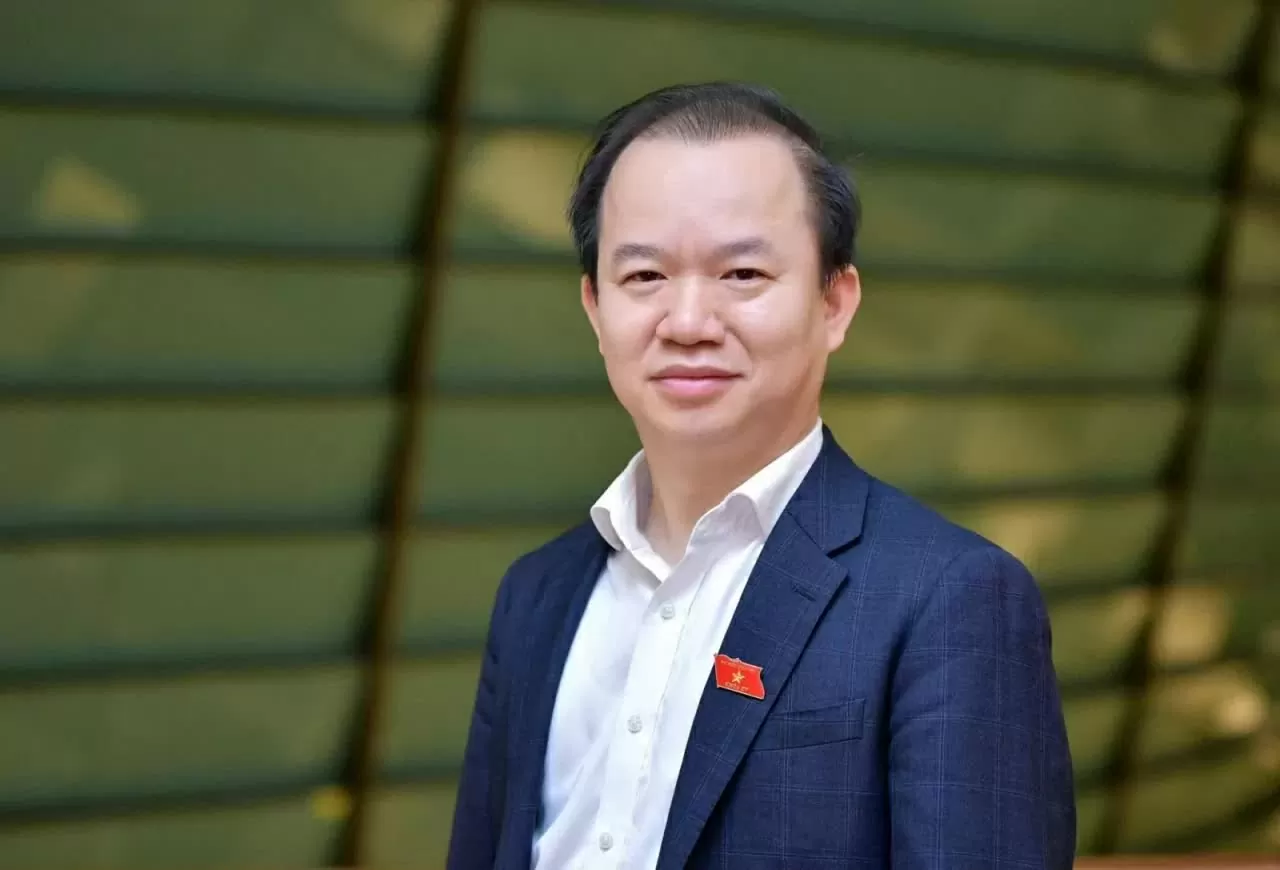 |
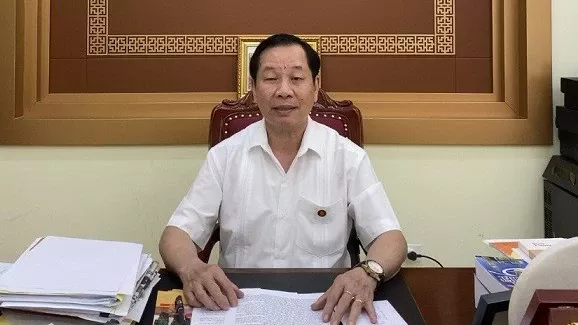
| National Assembly Deputy Bui Hoai Son believes that education can become a "cultural ambassador" if adequately invested. (Source: National Assembly) |
In the context of globalization, education is not only a top national policy but also one of the most deeply integrated fields. Resolution 71-NQ/TW of the Politburo aims to elevate Vietnamese education to international standards, participate in the global education network, thereby enhancing the quality of human resources and affirming the nation's position. More importantly, educational integration opens pathways for Vietnamese culture to blend, learn, and spread, in line with Ho Chi Minh's spirit: “Culture must be both national, scientific, and popular.”
Education – A pillar of international integration
In the trend of globalization, education increasingly becomes one of the most deeply integrated fields, from student exchanges and degree recognition to research cooperation and knowledge transfer. For Vietnam, this is not only an objective necessity but also a long-term development strategy. The Politburo's Resolution 71 emphasizes: Bringing Vietnamese education to international standards and deeply participating in the global knowledge network is the path to enhance the quality of human resources, thereby laying the foundation for a powerful nation in the 21st century.
Relating to the current national context, as Vietnam enters a phase of strong restructuring, rearranging administrative boundaries to streamline the system to only 34 provinces and cities from July 1, 2025, the demand for international educational integration becomes more urgent. A "more compact, stronger" nation will only truly harness its strength when supported by a globally-minded workforce capable of international communication and cooperation. Therefore, educational integration is not only about improving training quality but also a cultural and national identity challenge, ensuring each citizen has enough knowledge to compete globally while retaining Vietnamese identity in the integration flow.
It can be said that education is the key to sustainably opening the door to international integration. When Vietnamese students enter global lecture halls, they bring not only knowledge but also the cultural identity of Vietnam. Conversely, when international students come to study in Vietnam, it is also an opportunity for Vietnamese culture to be spread, understood, and empathized with. This is the great significance that Resolution 71 aims for: Education as a bridge connecting Vietnam with the world, through both knowledge and culture.
Becoming a "Cultural ambassador"
Educational integration is not just a strategy for human resource development – it is also a way for Vietnamese culture to be brought to the world while simultaneously receiving the best of humanity. According to the Ministry of Education and Training, in the academic year 2023-2024, about 22,000 international students are studying at Vietnamese universities. Among them, nearly 4,000 are under agreements, while the rest are self-funded or part of bilateral programs. Countries like Laos, Cambodia, China, Republic of Korea, and Singapore are the major sources of international students coming to Vietnam.
| "When Vietnamese education truly meets international standards as per Resolution 71, not only in terms of curriculum, facilities, or management but also in cultural exchange capability, national culture will be more prominently expressed and spread. In this way, Vietnam not only imports knowledge but also exports identity through each international student and each Vietnamese student returning home, enriching the global cultural flow." |
Conversely, the number of Vietnamese students studying abroad is rapidly increasing. Statistics show that over 230,000 Vietnamese are studying globally as of 2023. In the U.S. alone, the 2023-2024 academic year sees 22,066 Vietnamese students enrolled in universities and colleges, placing Vietnam among the top countries with a significant number of students in the U.S. These figures are not just educational data but cultural footprints: Exporting knowledge, importing experiences, and exchanging identities.
Each international student studying in Vietnam is a cultural bridge, from learning Vietnamese, exploring national history and culture, to experiencing local social life. Meanwhile, Vietnamese students abroad not only acquire knowledge but also bring the image of the country – etiquette, a spirit of learning, and conduct into the international environment. Vietnamese universities opening dual-degree programs, teaching in English, and collaborating with foreign institutions are concrete steps to make education a cultural exchange ambassador.
However, much work remains. The number of international students in Vietnam, though increasing, is still not commensurate with the country's potential. According to surveys from over 120 universities, the number of long-term international students in the 2023-2024 academic year is only about 5,300, with short-term students numbering over 4,000. Attracting long-term international students still faces challenges in mechanisms, policies, and uneven internationalization levels among schools.
Education becomes a "cultural ambassador" when even the smallest things are done well: Training programs must reflect identity; international students must be welcomed and supported; lecturers must have international qualifications; academic and school rituals must bear cultural imprints. Each international student exchange, each Vietnamese language or national culture class is not just a knowledge exchange, but an exchange of emotions, understanding, forming mutual empathy and respect.
When Vietnamese education truly meets international standards as per Resolution 71, not only in terms of curriculum, facilities, or management but also in cultural exchange capability, national culture will be more prominently expressed and spread. In this way, Vietnam not only imports knowledge but also exports identity through each international student and each Vietnamese student returning home, enriching the global cultural flow.
| "Resolution 71 affirms the determination to bring Vietnamese education to international standards, deeply participating in the global knowledge network. This is not only a strategy for human resource development but also a cultural vision: Transforming education into a gateway for our nation to integrate with humanity while preserving its unique identity." |
In recent years, Vietnam's educational integration has made significant strides. The number of joint training programs with international universities is increasing, covering various fields from science and technology, economics, medicine to arts and languages. More and more Vietnamese universities appear in prestigious regional and international rankings, reflecting efforts to improve training and research quality. This not only affirms professional competence but also indicates that Vietnamese education is finding its place in the global knowledge network.
On the diplomatic front, numerous bilateral and multilateral agreements in education and training have been signed with countries and international organizations, creating a solid legal framework for student exchanges, degree recognition, and research cooperation. Vietnam actively participates in international educational forums, from UNESCO to ASEAN and APEC, thereby not only absorbing international experiences but also contributing initiatives, building a position in the global community.
Opportunities also arise as Vietnam gradually becomes a study destination for international students. Many universities have opened English-taught programs, attracting more students from Laos, Cambodia, South Korea, Japan, and even Europe. This not only contributes to internationalizing the domestic educational environment but also turns Vietnamese lecture halls into diverse cultural spaces, where Vietnamese culture has the opportunity to be felt and spread by international friends.
As the country enters a new development phase, rearranging administrative units and streamlining the system, educational integration becomes even more crucial. It opens channels for cultural exchange and international cooperation, contributing to creating high-quality resources to serve the country's modernization efforts while elevating Vietnam's position on the global education map.
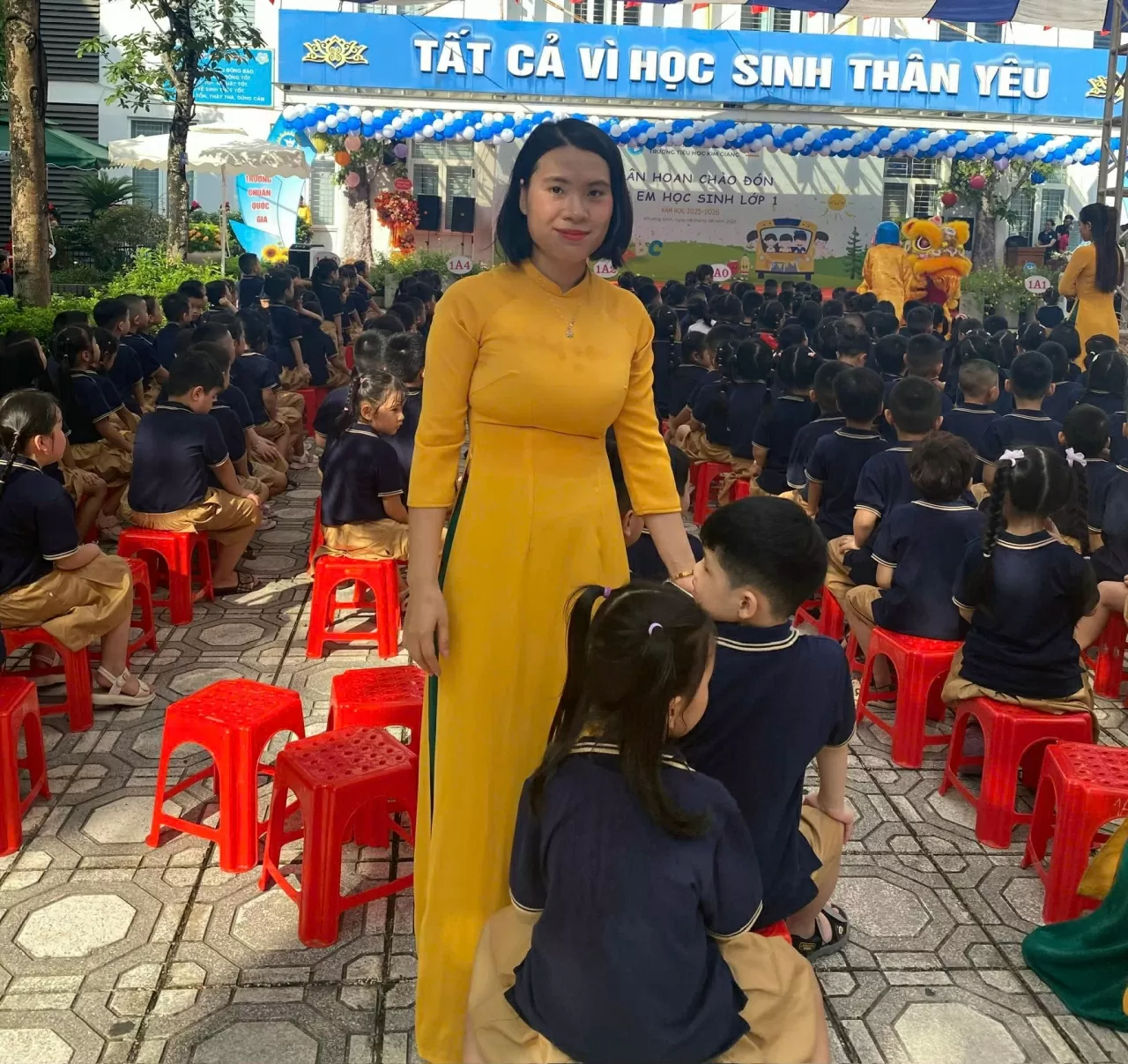 |
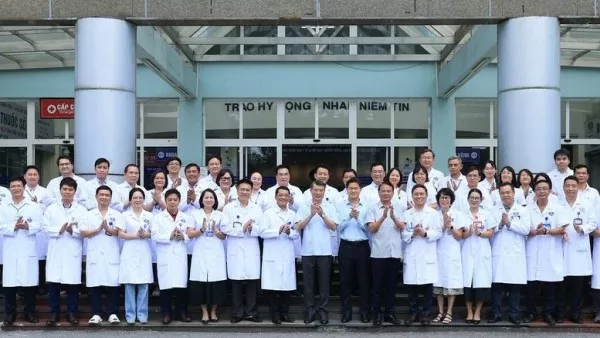
| Vietnamese education has made proud marks in recent years. (Illustrative photo: Nguyet Anh) |
Great opportunities but also challenges
Alongside achievements and open opportunities, educational integration also poses numerous challenges for Vietnam. The quality gap between educational institutions remains large. While some schools have reached international standards and participate in prestigious rankings, many others still struggle with curriculum, faculty, facilities, and management methods. If this disparity is not addressed, it will create a significant gap in the integration process, making it difficult to achieve international standardization goals.
Another issue is the uneven foreign language and digital skills of Vietnamese students. In a global environment, language and technology are "keys" to open the door to integration, but many young people still face obstacles in communication, research, and international cooperation. Without a comprehensive investment strategy, it will be challenging to transform the younger generation into high-quality human resources as expected.
| "Educational integration is not just about rankings, cooperation agreements, or joint training programs. On a deeper level, it is a cultural bridge – where knowledge connects nations, where people understand each other better through learning, where Vietnamese culture is introduced and spread to international friends through the most sustainable path: The path of knowledge." |
"Brain drain" is also a present risk. When many outstanding students and intellectuals study abroad but lack attractive mechanisms to return, the country loses a valuable part of its resources. To mitigate this, there must be comprehensive policies, from talent incentives, creating favourable research environments, to building a domestic creative startup ecosystem, so young people see long-term development opportunities right in their homeland.
Additionally, in the integration process, the risk of "cultural assimilation" cannot be overlooked. When expanding international cooperation, if only chasing external standards without preserving the national cultural roots, education easily loses its identity. This is a significant challenge, as integration is only sustainable when we both absorb the world's essence and assert our unique values. As President Ho Chi Minh emphasized, culture must be "both national, scientific, and popular", meaning both open for integration and steadfast in preserving identity.
Educational integration is thus a journey filled with both opportunities and challenges. To stay on the right path, the involvement of the entire political system, the innovative renewal of educational institutions, and especially the courage of each Vietnamese student – the direct participants in this process – are needed.
A cultural bridge connecting Vietnam with the world
Educational integration, ultimately, is not just about rankings, cooperation agreements, or joint training programs. On a deeper level, it is a cultural bridge – where knowledge connects nations, where people understand each other better through learning, where Vietnamese culture is introduced and spread to international friends through the most sustainable path: The path of knowledge.
Resolution 71 affirms the determination to bring Vietnamese education to international standards, deeply participating in the global knowledge network. This is not only a strategy for human resource development but also a cultural vision: Transforming education into a gateway for our nation to integrate with humanity while preserving its unique identity. A generation of global citizens carrying Vietnamese courage is the most concrete image of educational integration.
When a Vietnamese student steps into a lecture hall in Europe, America, or when an international scholar comes to Vietnam to research our culture and history, it is not just an academic journey. It is a cultural encounter, a dialogue between different values to enrich humanity. Thanks to education, this dialogue becomes natural, enduring, and ever-expanding.
In the era of globalization, a nation's culture is only truly sustainable when it can dialogue, share, and spread. Educational integration is the path for Vietnam to affirm its position, for Vietnamese identity to be understood, for the spirit of learning, kindness, and creativity of the Vietnamese to contribute to the colorful mosaic of humanity. As President Ho Chi Minh once said, culture must be both national, scientific, and popular, and today's educational integration is vividly realizing that spirit.
With the vision of Resolution 71, with the determination of the entire system and the efforts of every citizen, we have the foundation to believe that: Education will not only be a place to acquire knowledge but also a bridge to bring Vietnamese culture to the world, while opening arms to embrace the world's essence, contributing to building a common future of peace, cooperation, and development.
National Assembly Deputy Bui Hoai Son (Standing Member of the National Assembly's Committee for Culture and Society)
| On the morning of September 16, at the national conference to disseminate and implement four resolutions of the Politburo, Prime Minister Pham Minh Chinh presented the first topic on the core contents of Resolution No. 71-NQ/TW, dated August 22, 2025, of the Politburo on breakthroughs in education and training development and the Government's action program to implement the Resolution. Presenting the topic, Prime Minister Pham Minh Chinh stated that, along with the decisions in the resolutions issued by the Politburo, with the Party and State's view that education is the top national policy, determining the nation's future, Resolution 71 is of special importance, with a strategic scope to achieve breakthroughs in developing high-quality human resources, as part of the overall breakthroughs in various fields to lead our country steadily into an era of prosperous, civilized, and happy development, standing shoulder to shoulder with the world's powers. The Prime Minister highlighted some achievements in education and training in recent times: Access to education and the quality of general education are increasingly improving, ranked high in the region and among countries with similar income levels, especially achieving high results in international competitions; higher education has shown clear improvements in training quality, scientific research, and international integration; vocational education has expanded, initially meeting the demand for labor skill enhancement; the quality of specialized education is affirmed with high results in international competitions; Vietnam is one of 21 countries to achieve the United Nations' sustainable development goal on quality education early; the intelligence and creativity of the Vietnamese people always shine; mobilizing social resources, from the people and businesses, for education and training development has achieved positive results… |