



14th National Party Congress: Building a modern and strong Vietnamese working class in the new era of national development
WVR - On the occasion of the 14th National Party Congress, Member of the Party Central Committee, Vice Chairman of the Central Committee of the Vietnam Fatherland Front, Party Secretary, and President of the Vietnam General Confederation of Labour (VGCL) Nguyen Dinh Khang shared insights with journalists about the historical mission, role, and position of the Vietnamese working class in the new development phase.
Latest
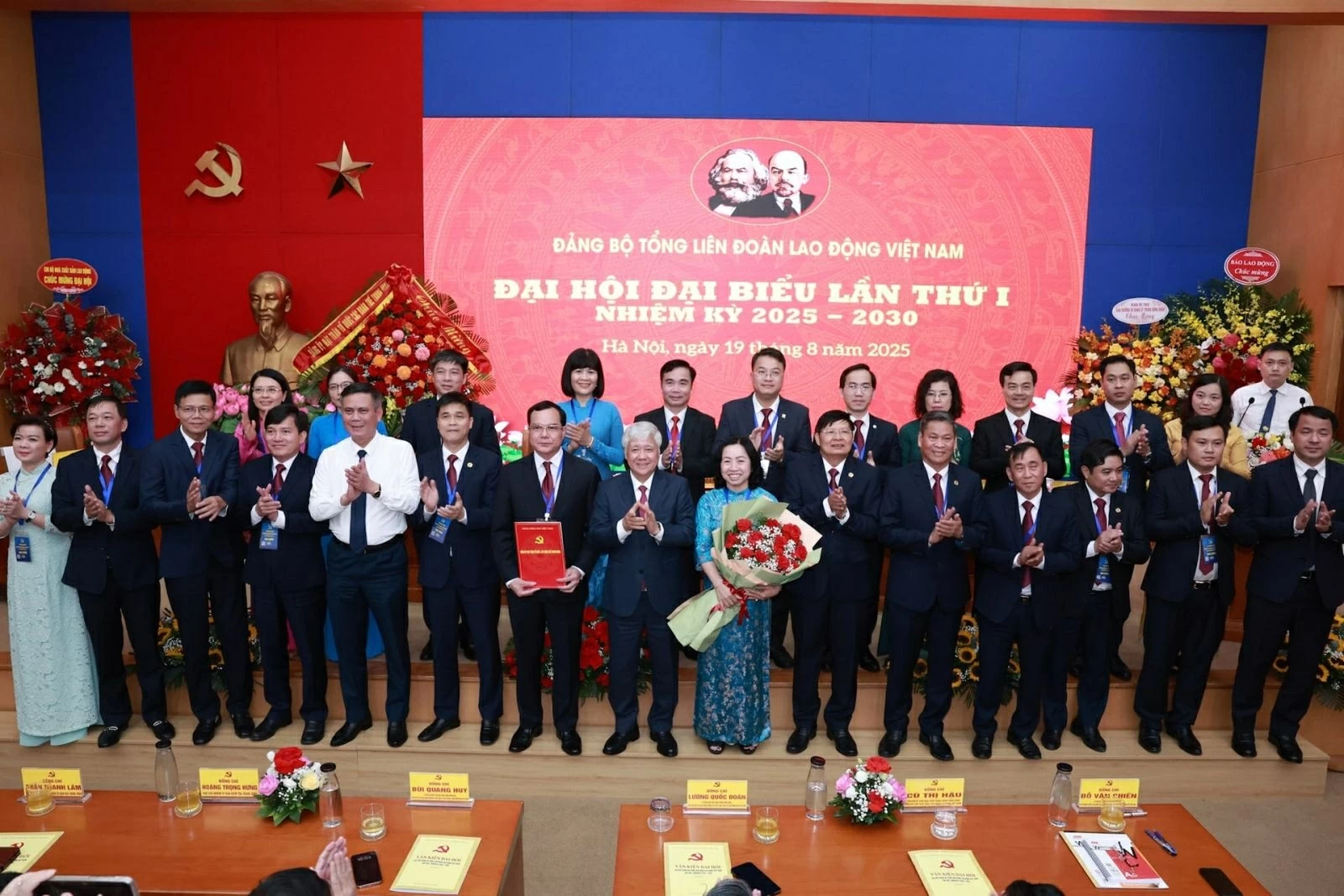 |
| Toward the 14th National Party Congress: Delegates attending the First Congress of the Party Committee of the Vietnam General Confederation of Labour (VGCL) for the 2025-2030 term. (Photo: Nguyen Hai) |
In the context of industrialization, modernization, and international integration, how do you assess the role, position, and development of the Vietnamese working class after 40 years of renewal?
Since its inception, especially over the past 40 years of renovation, our country's working class has consistently affirmed its historical mission, role, and position as the leading revolutionary class through its vanguard, the Communist Party of Vietnam. Entering the era of accelerated industrialization, modernization, and international integration, the working class continues to play a pivotal role, directly maintaining and developing production, creating the majority of material wealth, and contributing significantly to the state budget.
According to the General Statistics Office, the country currently has about 17.5 million workers in the industrial and construction sectors and 21.2 million in the service sector, accounting for approximately 39% of the population and 73.6% of the social labour force. The quality and skill level have gradually improved; the rate of trained labour increased from 64.5% in 2020 to 70% in 2025, with the proportion of labour with degrees and certificates rising from 24.1% in 2020 to about 29.2% in 2025. Notably, a new generation of young workers mastering science and technology is emerging, showcasing the new vitality of the Vietnamese working class in the digital era.
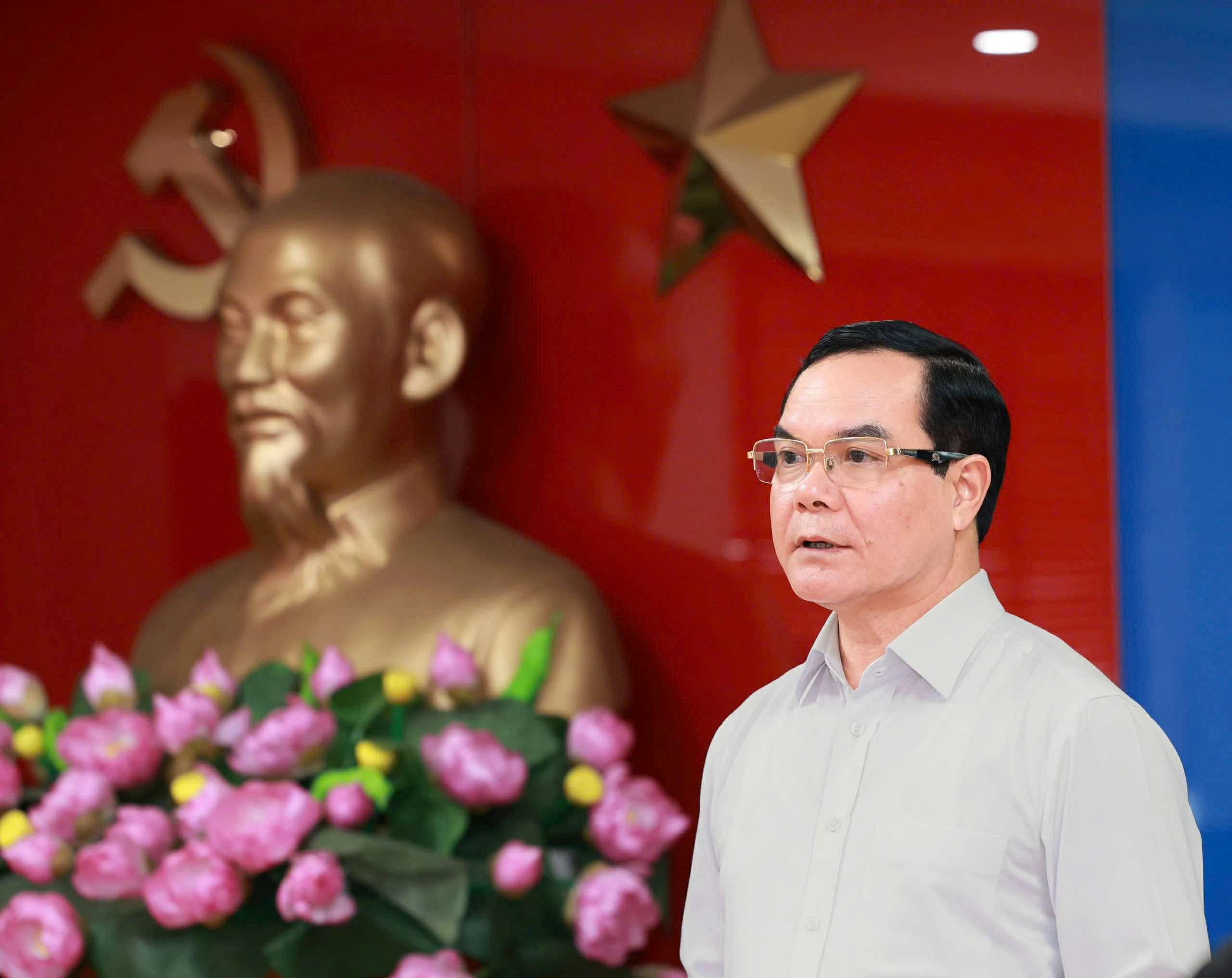 |
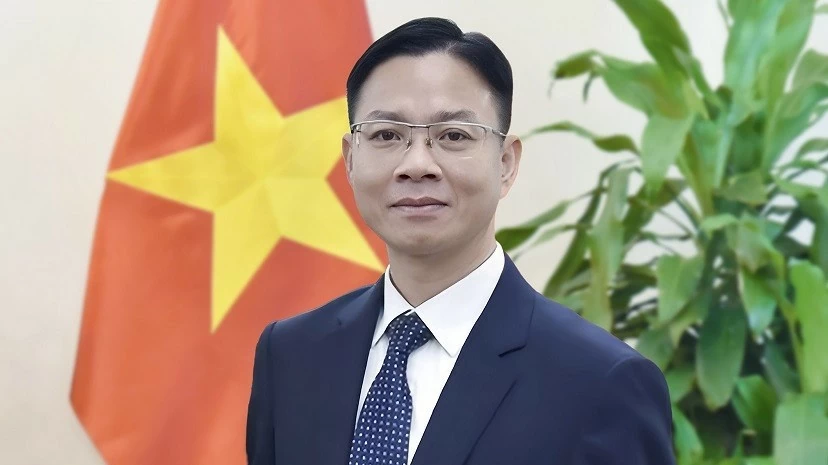
| Member of the Party Central Committee, Vice Chairman of the Central Committee of the Vietnam Fatherland Front, Party Secretary, President of the VGCL Nguyen Dinh Khang. |
According to reports from various levels of the Trade Union, the material and spiritual life of workers has improved in recent times. Employment is generally stable; income and wages have increased; the working environment is continuously improving; labor relations are harmonious, stable, and progressive, with a significant reduction in collective disputes and work stoppages. The grassroots democracy regulations have expanded; social welfare and benefits policies are increasingly developing.
As the largest representative organization of workers, what key solutions has the Vietnam Trade Union implemented?
As the "largest representative organization, the center for gathering and uniting the working class and workers nationwide", the Vietnam Trade Union has implemented numerous solutions to participate with the entire political system in building a modern and strong Vietnamese working class, serving as the vanguard force in the mission of rapid and sustainable national development.
Firstly, enhancing the work of training, educating, and raising the political, legal, class consciousness, and national spirit for the working class. The Trade Union has proactively and flexibly chosen various forms, including the application of digital technology to innovate methods of propagating and disseminating policies and laws; compiling and distributing a large volume of materials for political and ideological education. Legal advice and support activities have raised legal awareness and self-defense capabilities of workers, contributing to building harmonious, stable, and progressive labour relations in enterprises.
The study and practice of Ho Chi Minh's ideology, ethics, and style are regularly implemented. Cultural activities and the network of propagandists are effectively promoted. Models of cultural institutions, self-managed groups in boarding houses, and activities caring for spiritual life continue to be expanded. Annually, over 80% of union members and workers are educated and thoroughly understand the Party's guidelines, the State's policies and laws, and the regulations of agencies, units, and enterprises.
Secondly, actively participating in training, improving educational levels, vocational skills, and labor productivity for workers. The movement to encourage lifelong learning among union members and workers has many effective models that are being replicated; proactively proposing to authorities, negotiating with employers to create conditions for workers to participate in learning and skill enhancement. Various levels of the Trade Union have proactively coordinated to organize many activities such as establishing scholarship funds, learning points; coordinating to organize training and retraining classes; encouraging mentoring models between senior and new workers.
Thirdly, creating an environment for workers to train and grow through patriotic emulation movements and widespread campaigns nationwide. The patriotic emulation movement, "Skilled Labor, Creative Labor", has generated millions of initiatives, with benefits worth hundreds of thousands of billions of đồng, strongly inspiring creativity, discipline, and social responsibility among workers, contributing to improving productivity, quality, and labor efficiency nationwide. The rate of commendation for direct workers, those not holding leadership positions, reached 35.5%, exceeding the set target, clearly demonstrating the orientation of focusing on union members and workers, directing commendations towards the grassroots, where emulation movements are directly organized and responded to.
Fourthly, the Vietnam Trade Union continues to affirm its role in representing, caring for, and protecting the legitimate rights and interests of workers. Various levels of the Trade Union have contributed to thousands of legal documents; effectively participated in the National Wage Council, proposed adjustments to the minimum wage; reflected the thoughts and aspirations of workers to party committees and authorities; while enhancing the quality of dialogue and collective bargaining. As a result, 80.42% of collective labor agreements have been signed with more favorable terms for workers, such as wages, bonuses, labor norms, occupational safety, hygiene, working conditions, and mid-shift meals...
Welfare policies for union members have become a practical support for millions of workers. Programs like "Union Shelter", "Reunion Tet", and "Workers' Month" have been widely implemented; some new models for care have been developed and achieved positive results, notably the "Union Meal". Over two years (2024, 2025), more than 20,000 grassroots unions have organized "Union Meals" with the participation of over 5 million union members. Nearly 23 million union members and workers have been cared for during the Lunar New Year with a total amount of nearly 15 trillion đồng.
Fifthly, the Vietnam Trade Union strengthens coordination with various levels and sectors in building a modern and strong working class; promoting the core role of the working class in alliance with the peasantry and intellectuals, while fostering the "intellectualization" of workers. This enhances the capacity, professional skills, and creative thinking of workers, contributing to building a modern, dynamic workforce that meets the demands of industrialization, modernization, and international integration. From 2023 to 2025, the Vietnam General Confederation of Labor awarded 1,457 Creative Labor Certificates to outstanding individuals.
In your opinion, what are the major challenges currently facing the Trade Union and workers?
Alongside significant achievements, reality shows that the task of building the Vietnamese working class still faces many challenges, including:
Firstly, the development of the working class has not kept pace with the requirements of the growth model and national development strategy. The quality of the workforce is limited; the technical labor structure is imbalanced, lacking skilled workers, highly technical workers, and workers capable of mastering modern technology. The young workforce is large but unstable, with short career spans, and the risk of shifting to the informal sector is increasing, undermining the long-term sustainability of the working class.
Secondly, prolonged inadequacies in benefit distribution and social security assurance reduce workers' motivation. Employment is not sustainable; the minimum wage is not enough to live on; income disparities between labor groups and regions are large. The social welfare system, especially housing, childcare, medical facilities, and cultural and spiritual activities, is lacking, increasing internal division within the working class and posing risks of instability in labor relations.
Thirdly, the human resource management model is slow to innovate, not meeting sustainable development requirements. High labor intensity and long working hours are still prevalent, while investment in technological innovation and improving labor productivity and quality is insufficient. This limits the ability to regenerate labor, learn to enhance skills, and comprehensively care for workers' lives, affecting national competitiveness in the long term.
Fourthly, the work of summarizing practical experiences and theoretical research on the working class has not met the demands of the new context. Many emerging issues have not been fully explained; breakthrough policies and guidelines for building the working class have not been formed.
Fifthly, class consciousness, political bravery, and legal understanding of a segment of workers are limited; the work of identifying and nurturing outstanding workers for training and placement in the political system is inadequate. Trade union activities, especially in non-state enterprises and foreign-invested enterprises, face many difficulties; the legal allowance for establishing worker organizations in enterprises poses a risk of being exploited to divide the working class, presenting new challenges to the Party's leadership.
Comrade, to build a modern and strong Vietnamese working class, what key tasks and solutions will the VGCL propose to the Party Central Committee and the Congress?
To build a modern and strong Vietnamese working class, the VGCL proposes five main contents to the Party Central Committee and the Congress.
Firstly, issuing a strategy for building the working class in conjunction with the socio-economic development strategy, concretizing the orientation for building a modern and strong Vietnamese working class, linked with the development of science and technology and innovation. Focus on improving educational levels, professional skills, industrial style, and labor discipline to enable the Vietnamese working class to adapt, develop, master knowledge, technology, integrate internationally, and promote innovation and creativity in the new era of development.
Secondly, ensuring a harmonious distribution of benefits among workers, employers, and society, with the foundation being the issuance of regulations on minimum living standards instead of minimum wages. Expand the social welfare and security system, paying attention to social insurance, housing, childcare, healthcare, education, and cultural and spiritual life of workers; promote corporate social responsibility, encourage fair benefit sharing, create sustainable employment, living wages, and invest in human development.
Thirdly, researching to reduce working hours, improve workers' quality of life, in conjunction with enhancing productivity and national competitiveness. This is a legitimate need to help workers regenerate labor, care for spiritual life, take care of family and children, while having additional conditions for learning, improving skills, promoting productivity, quality of human resources, and the competitiveness of the economy, thereby affirming the pioneering role of the Vietnamese working class in the new era.
Fourthly, paying more attention to theoretical research and practical summarization on building the working class. Directing the entire political system to summarize 20 years of implementing Resolution No. 20-NQ/TW of the Party Central Committee (10th term) on "Continuing to build the Vietnamese working class in the period of accelerating industrialization and modernization of the country", thereby forming new guidelines for leading the construction of a modern and strong Vietnamese working class in the new era of development.
Fifthly, renewing and strengthening the Party's leadership, the coordination and support of the State and the political system to promote the role of the Vietnam Trade Union in building a modern and strong working class. Perfecting mechanisms, proactively fighting, preventing the exploitation of the right to establish worker organizations to divide the working class, distort, and oppose the Party, State, and Trade Union. Focus on promoting the admission of outstanding union members into the Party, especially in enterprises without grassroots party organizations.
With absolute confidence in the Party's leadership and the great success of the 14th Congress, the working class and the Vietnam Trade Union pledge to unite as one, uphold the glorious tradition, revolutionary pioneering spirit, and steadfastly advance under the glorious flag of the Communist Party of Vietnam, determined to make unceasing efforts, proactively and creatively bring the 14th Congress's Resolution to life; together with the entire Party, people, and army, unite and strive to realize the aspiration for a prosperous and happy nation.
Thank you very much!