




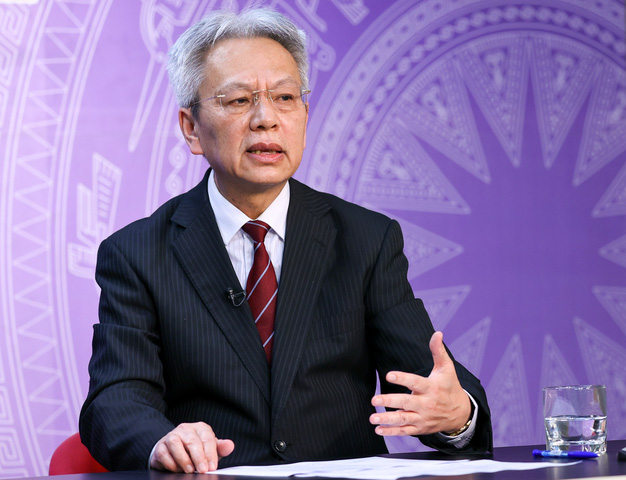

Dr. Nguyen Sy Dung highlights the significance of the 2026 elections
WVR - On March 15, voters nationwide will participate in the election of the 16th National Assembly deputies and People's Council deputies at all levels for the 2026-2031 term. This is not only a significant political milestone according to the Constitution and law but also marks the beginning of a new governance cycle for the country amid pressing demands for institutional reform, enhanced execution capacity, and accelerated development.
Latest
In this process, the significance of the election goes beyond the exercise of citizenship rights; it lies in the quality of representative selection. Each vote today contributes to forming the state power bodies at all levels for the upcoming term, where laws, policies, budgets, and oversight of all executive activities are decided. In other words, the voter's ballot initiates a series of decisions that will directly impact national governance effectiveness over the next five years.
 |
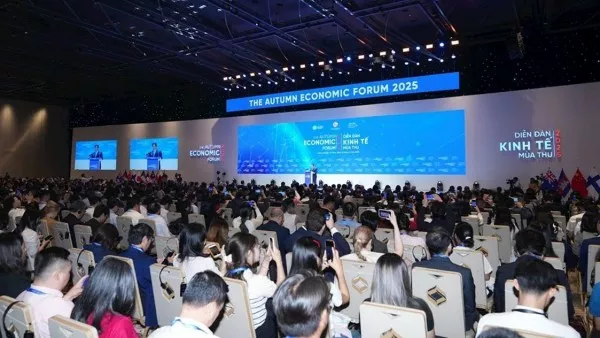
| The significance of the 2026 elections. (Source: VGP) |
General Secretary To Lam emphasized at the National Conference on the implementation of the election of the 16th National Assembly deputies and People's Council deputies at all levels for the 2026-2031 term: “Every election is an important milestone, linked to the revolutionary mission of the nation, continuing the democratic tradition of the country and affirming the strength of national unity…”
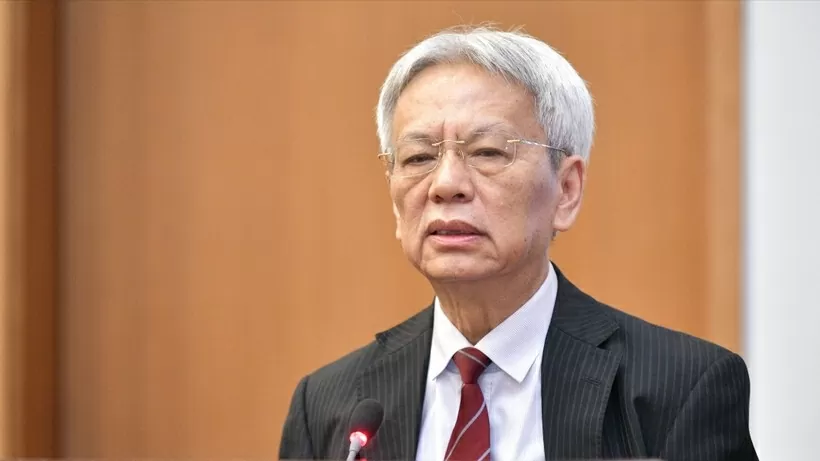 |
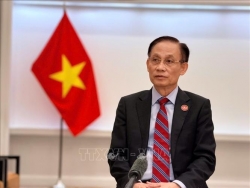
| Dr. Nguyễn Sĩ Dũng. |
Therefore, from a strategic perspective, the 2026 election is not just a regular political event but the starting point for national execution capacity in a new phase, where the quality of representation will transform into the quality of policy and effective governance serving national development and the people.
The ballot and the quality of representation
In the structure of state power, the Vietnamese National Assembly is the highest representative body of the People, the highest state power body; People's Councils at all levels represent the will and aspirations of local voters. These bodies not only decide laws, budgets, and public investment policies but also exercise supreme oversight and monitor law compliance.
Notably, the National Assembly election results serve as the basis for the National Assembly to elect and approve key state leadership positions, including the President and the Prime Minister. According to the 2013 Vietnamese Constitution and laws on state apparatus organization, the Prime Minister must be a National Assembly deputy. This shows that the voter's ballot not only forms the legislative body but also lays the groundwork for forming the central executive apparatus.
Similarly, at the local level, People's Councils elect the Chairperson and members of the People's Committee. Thus, elections not only determine state power bodies but also indirectly decide the executive leadership structure at both central and local levels. The quality of representation will shape the quality of the executive apparatus.
Therefore, the significance of the ballot lies not only in ensuring citizenship rights but also in how each choice contributes to shaping the quality of leadership and administration for the new term.
Quality of representation and national implementation capacity
If the quality of representation determines the quality of public decisions, then the quality of public decisions directly determines national implementation capacity.
A legal system built on substantial debate and comprehensive impact assessment will facilitate government implementation. Conversely, unclear and overlapping regulations will increase compliance costs and reduce administrative efficiency.
In the operation chain of the state apparatus, the National Assembly not only legislates but also decides important national issues and exercises supreme oversight over government activities. The quality of oversight directly affects administrative discipline, the implementation of development programs, and the effective use of public resources.
In the context of the country implementing development goals as directed by the Party at the 14th National Congress, the requirement is to enhance execution capacity at all levels. This capacity is not only about effectively implementing issued decisions but also about the ability to issue the right decisions from the outset.
Many governance bottlenecks in recent times show that when policy design is not practical or lacks foresight, the execution process will face difficulties. Therefore, the quality of representation in the legislature is directly significant to the ability to remove institutional barriers and enhance national competitiveness.
The 2026 election is thus not only about choosing participants for state power bodies but also about selecting the foundation for the executive apparatus and execution capacity for the next five years.
Raising representation standards in the new development context
Entering the 2026-2031 term, development requirements are set at a higher level. The digital economy, green transition, deep integration, and institutional reform demand that state power bodies have policy capacity and oversight at a new level.
Representatives in the new phase must not only reflect the will of voters but also have the ability to transform that will into feasible solutions. Simultaneously, the increasing demand for accountability requires representatives to maintain substantial connections with the People throughout the term.
At the local level, as decentralization and delegation are strengthened, the role of People's Council representatives becomes more important. Decisions of the People's Council are directly linked to the quality of public services, the investment environment, and people's livelihoods. Therefore, choosing representatives who understand practical realities and have effective oversight capabilities will help improve governance efficiency at the grassroots level.
Raising representation standards is thus an inherent requirement of the development process. As the development environment changes rapidly, selection criteria should focus on professional capacity, political courage, public service ethics, and a spirit of innovation.
Effective governance begins with the right choices of voters
The 2026 election is not just a regular political event. From the voter's ballot, state power bodies at all levels will be formed, and it will also serve as the basis for establishing the Government and People's Committees at all levels for the new term.
The quality of today's choices will transform into the quality of tomorrow's policies and into concrete governance effectiveness in socio-economic life. When each ballot is considered with responsibility and expectations for an effective operating apparatus, it is also when the foundation for national execution capacity is strengthened.
Ultimately, national governance effectiveness begins with the right choices of today's voters.