







When music becomes a destination: The revival of listening bars
In an era where music can be played at any time with just a tap on a screen, more and more people are seeking out spaces dedicated to listening to music. Not for dancing, nor merely for chatting or enjoying a drink, but to sit back and fully immerse in a track or an album on a high-quality sound system.
Latest
From small jazz cafes in Tokyo to sound spaces in London, New York, Berlin, or Jakarta, the listening bar model is becoming an urban cultural trend. Behind the large speakers, vinyl records, and soft lighting, this trend reflects a desire to regain focus, experience music directly, and connect with it more slowly and deliberately.
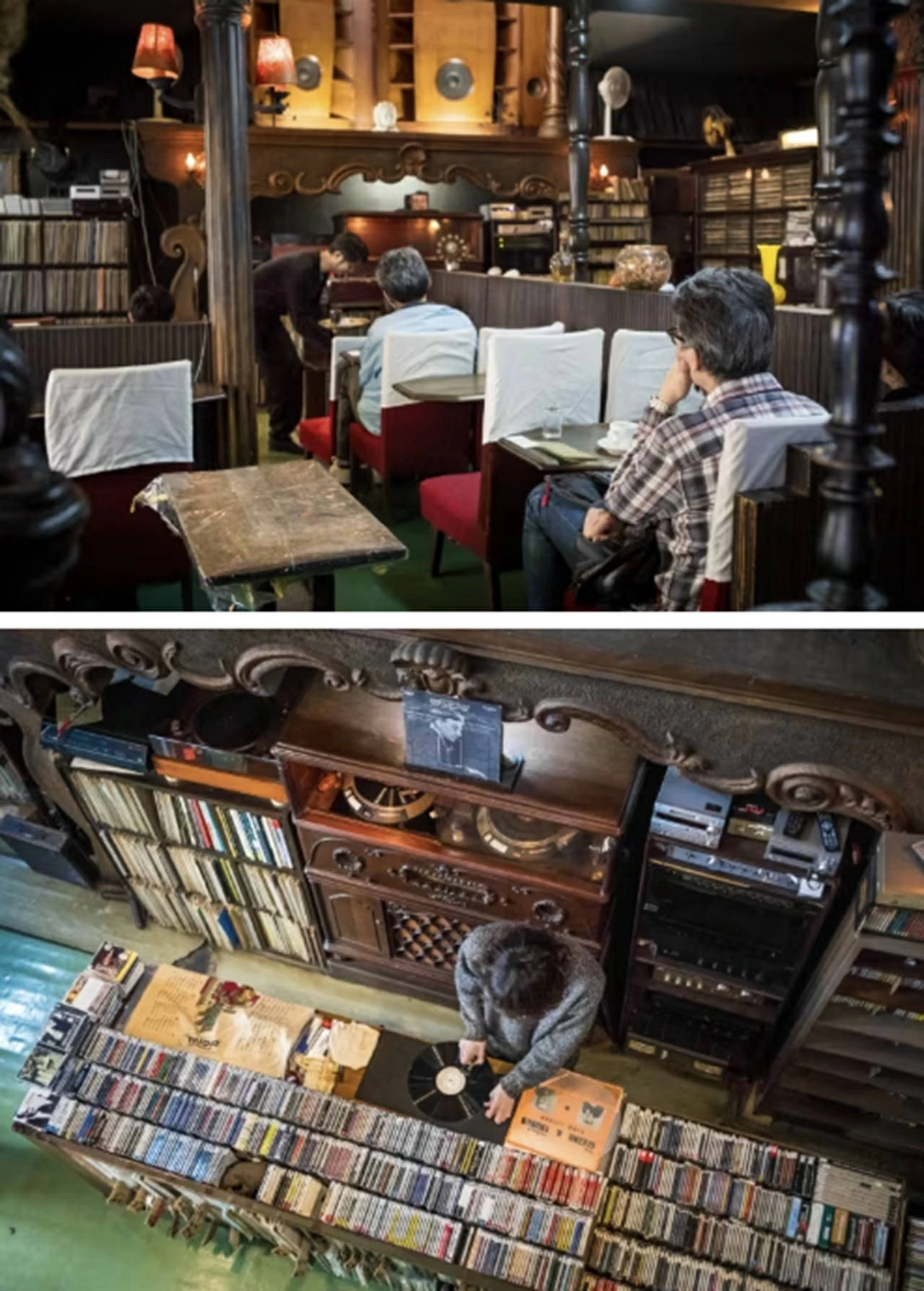 |
| Above and below: Meikyoku Kissa Lion, a classical music cafe in the Shibuya district of Tokyo, established in 1926. (Photo by Lee Chapman, from the photo book “A Century in Sound”) |
From Japanese Tradition to Global Trend
Listening bars originated in Japan, where music cafes, or ongaku kissa, emerged in the 1920s. When imported classical and jazz recordings were expensive, these cafes became places where the public could enjoy music on high-quality sound systems.
From the initial classical music cafes, the model gradually expanded to jazz, rock, and other genres. By the late 1960s, rock music bars emerged, playing loud music, serving alcoholic drinks, and staying open late. After Japan's economic bubble burst in the early 1990s, bars playing various genres of music continued to thrive, largely opened by individuals seeking to turn their love for music into a long-term career.
A notable venue is Meikyoku Kissa Lion in Tokyo, established in 1926. Nearly a century later, it still maintains a space for enjoying classical music, with large speakers and seating arranged towards the sound system, creating an atmosphere akin to a mini-concert.
Unlike regular bars, many jazz kissa prioritize listening to music. Patrons can sit for hours with a cup of coffee, tea, or another drink and listen to an entire side of an LP. In some places, talking is minimized or even prohibited to ensure the listener's focus.
The owner often selects and arranges the recordings, crafting an auditory journey from artist to genre to different emotional nuances. Some bars play an entire album, others choose music by theme, while some decide the next track based on the room's atmosphere.
Since the 2010s, this model has begun to spread beyond Japan. Brilliant Corners in London was established in 2013, while Spiritland opened in 2014, helping to bring the culture of high-quality sound system music listening to a broader audience in the UK.
Kay Suzuki, a Japanese DJ and record label owner living in London, was among those who helped establish Brilliant Corners. He recalls that at the time, many in the UK were still focused on playing music as loudly as possible. Brilliant Corners was born from a desire to create a space for sound enthusiasts, with high-quality speakers and a distinct listening experience.
Paul Noble, co-founder of Spiritland, drew direct inspiration from the listening bars he visited in Tokyo. Spiritland combines a specialized sound system, a record collection, a drinks menu, and a space designed for relaxation, creating an experience that combines musical enjoyment and social interaction.
When introduced to the world, listening bars do not necessarily adhere to Japan's strict rules. According to Suzuki, in Japan, patrons primarily visit to listen to music rather than socialize, while many venues abroad focus on large speakers, vinyl records, and a relaxed atmosphere conducive to conversation.
Similar models are emerging in various cities, with different names and styles such as Tokyo Record Bar and Kissa Kissa in New York, Unkompress in Berlin, Son of a Pitch in Jakarta, or Gramocone on Ko Lanta Island, Thailand. Spiritland is also operating a temporary space at the Barbican Center in London until July 2027, demonstrating the growing appeal of this model.
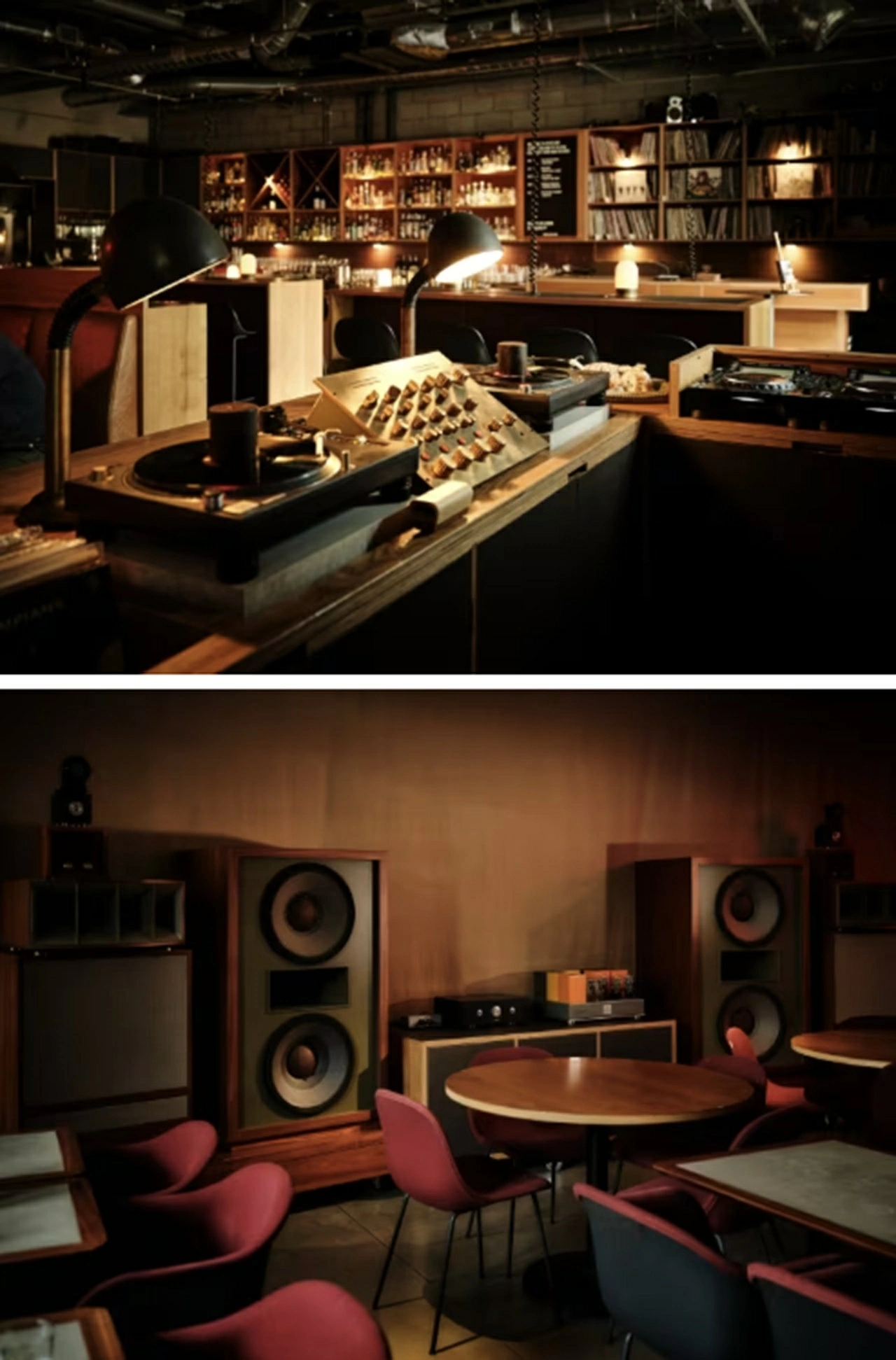 |
| Above and below: Paul Noble co-founded the listening bar Spiritland in London in 2014, inspired by the record bars he visited in Tokyo. (Photo by Charlie Mackay) |
When the Younger Generation Seeks a Different Kind of Entertainment
The rise of listening bars coincides with a shift in the public, particularly among youth, toward quieter, more experiential, and more profound forms of entertainment.
Spaces with soft lighting, sofas, vinyl collections, and carefully curated music offer a different way to socialize compared to traditional nightclubs. Patrons can enjoy drinks, listen to music, and meet friends without being swept up in an overly noisy atmosphere.
In Tokyo, Jazz Kissa Masako is an example of how music listening culture can be sustained across generations. The venue was opened in 1953 by Masako Okuda and operated until her passing in 1984. Her partner, Nobuyoshi Fukushima, continued to run it. The original location was demolished during redevelopment in 2009, but in 2020, Moeko Hayashi, a former part-time employee, reopened Masako.
Hayashi took over the cafe's collection of around 2,000 records and large JBL speakers. Patrons are asked to remain silent, order at least one drink every 90 minutes, and only take photos from their seats. Those speaking louder than a whisper may be reminded by staff.
The record collection continues to expand. Staff also participate in music selection, bringing their favorite recordings and contributing to the playlist. Hayashi has a broad view of jazz and seeks out records requested by staff.
The cafe attracts an increasing number of young customers, many of whom learn about the venue through social media or YouTube. Some foreign visitors, after experiencing Masako, have returned home to open their own ongaku kissa, further introducing the model.
Hayashi has even opened Parfun, another venue less than a five-minute walk from Masako, to meet growing demand.
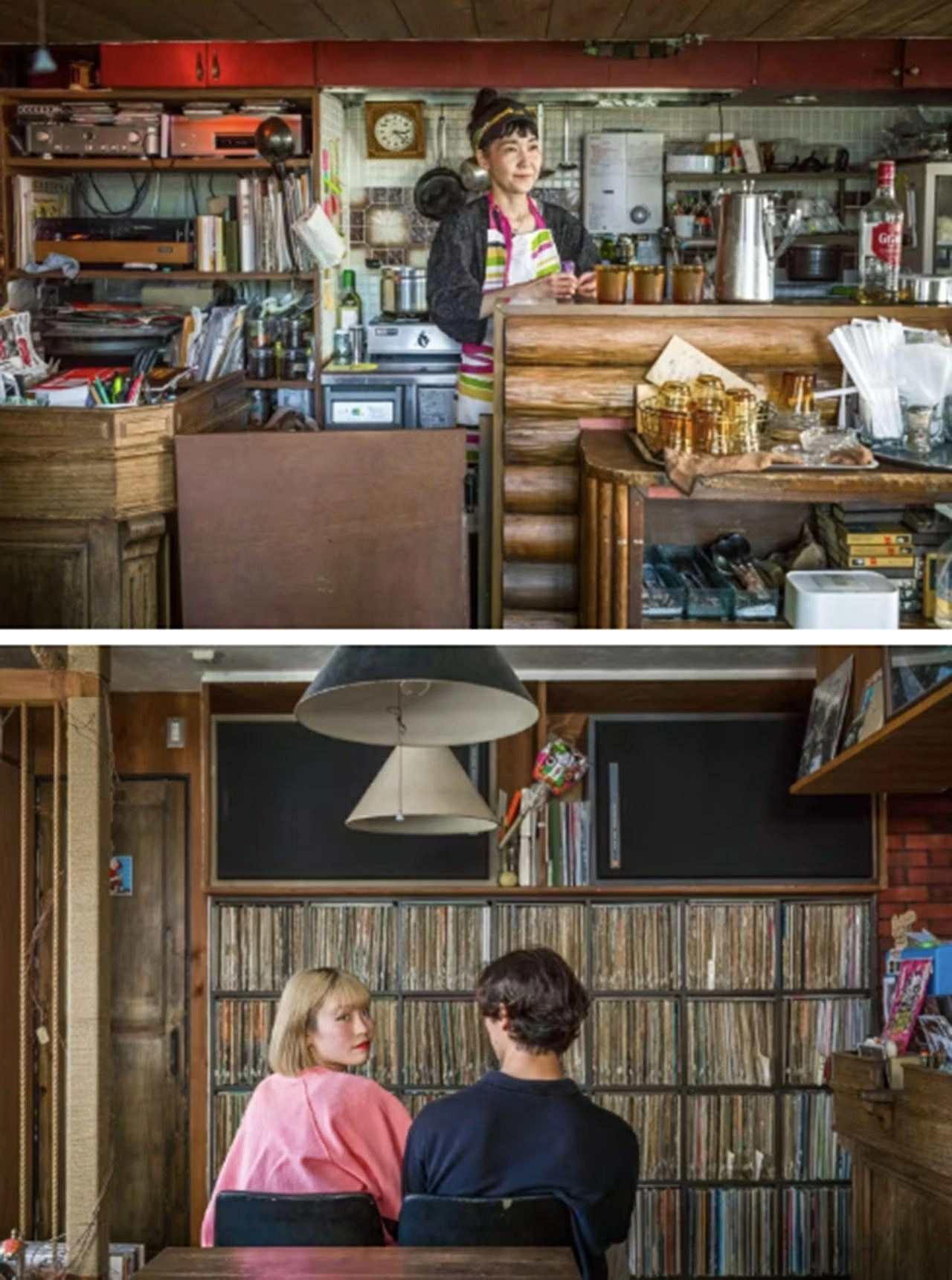 |
| Above: Moeko Hayashi reopened Jazz Kissa Masako in the Shimokitazawa area of Tokyo in 2020. Below: The cafe, first opened in 1953, still plays records from the original collection of about 2,000 discs on the JBL speaker system at the old location. (Photo by Lee Chapman, from the photo book “A Century in Sound”) |
The Return of Analog Experience in the Age of Algorithms
One reason listening bars are gaining attention is their contrast with how music is consumed on digital platforms.
Streaming services allow users to access millions of tracks, personalize playlists, and discover new artists through algorithms. However, this convenience also makes it easy for music to become part of other activities: working, driving, exercising, browsing, or commuting.
Listening bars bring music back to the forefront through a physical experience. Patrons must go to a venue, sit down, and listen to what the bar owner or music curator selects. They cannot easily skip to another track just because the first few seconds aren't captivating, nor do they necessarily know what will be played next.
Listening to an entire album, appreciating transitions between tracks, or noticing a small sound detail can become an experience that digital platforms struggle to fully replicate in the same context.
Nick Dwyer, director of the six-part documentary series A Century in Sound, which examines the development of ongaku kissa, believes people are realizing that tech companies and algorithms have altered how music is enjoyed. They want to go out and listen to music in a traditional way, with human-curated playlists.
At Masako, Hayashi also notices more customers not using their phones or just leaving them on the table. This indicates that listening bars are not only places for sound enjoyment but also spaces to temporarily disconnect from technology.
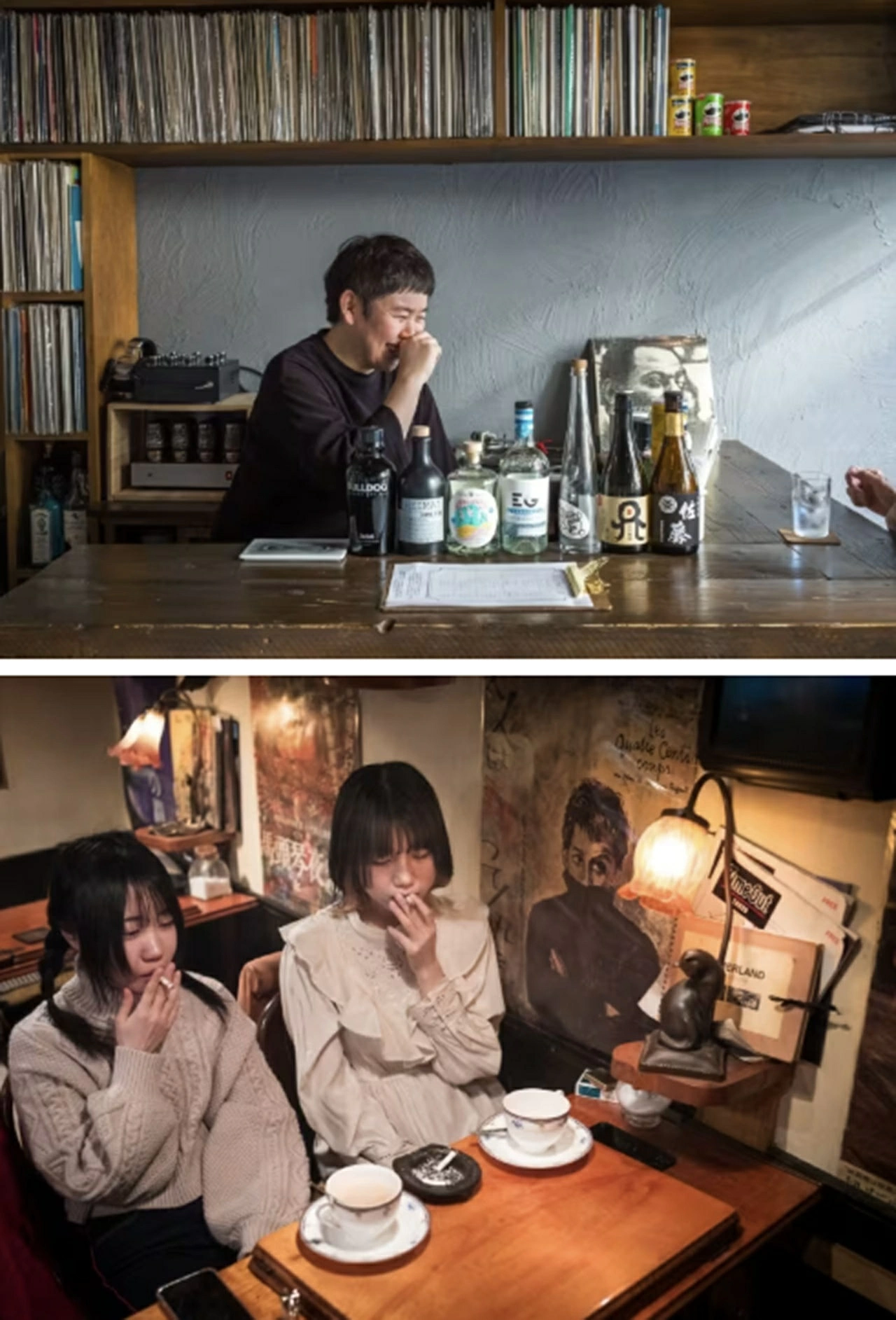 |
| Above: Silencio, a record bar near Kichijoji in western Tokyo, serves craft gin and plays a range of music from free jazz to Brazilian tunes. Below: Classic movie posters adorn the walls of Jazz Kissa Eigakan in Tokyo's Hakusan area. The name of the bar means “cinema”. (Photo by Lee Chapman, from the photo book “A Century in Sound”) |
A Culture Worth Preserving
While listening bars are thriving in many cities worldwide, the future of traditional ongaku kissa in Japan remains uncertain.
Living costs, rental prices, changing consumer habits, and succession issues pose challenges. Many bars are maintained by elderly owners who have spent decades building their record collections and sound systems, but finding successors is not easy.
According to jazzkissa.jp, when launched in 2016, the website listed about 600 locations across Japan. By 2023, 95 locations had closed, while 54 new ones had opened. Urban redevelopment and the lack of successors as owners age are reasons many bars cannot continue operating.
Yet, amid these challenges, a new generation is finding ways to sustain music-listening culture. New bars are opening, record collections are continuously expanded, and young people from abroad are learning about and bringing this model to their homelands. Listening bars are not just a business model but a continuation of a tradition of music appreciation.
Perhaps what makes listening bars appealing today is not how many vinyl records they have, how large their speakers are, or how expensive their sound systems are. It's their ability to create a moment when people don't need to multitask or constantly seek new content, but can simply sit back and listen.
In a world increasingly filled with sound, sometimes the greatest luxury is not hearing a new track, but having enough time and space to truly listen to a familiar one.