





Vietnam - ASEAN’s leading investment destination
Vietnam possesses numerous advantages in its investment environment, such as market size and growth potential, low labor costs, and stable political and social conditions. These factors are all rated higher than the ASEAN average.
Latest
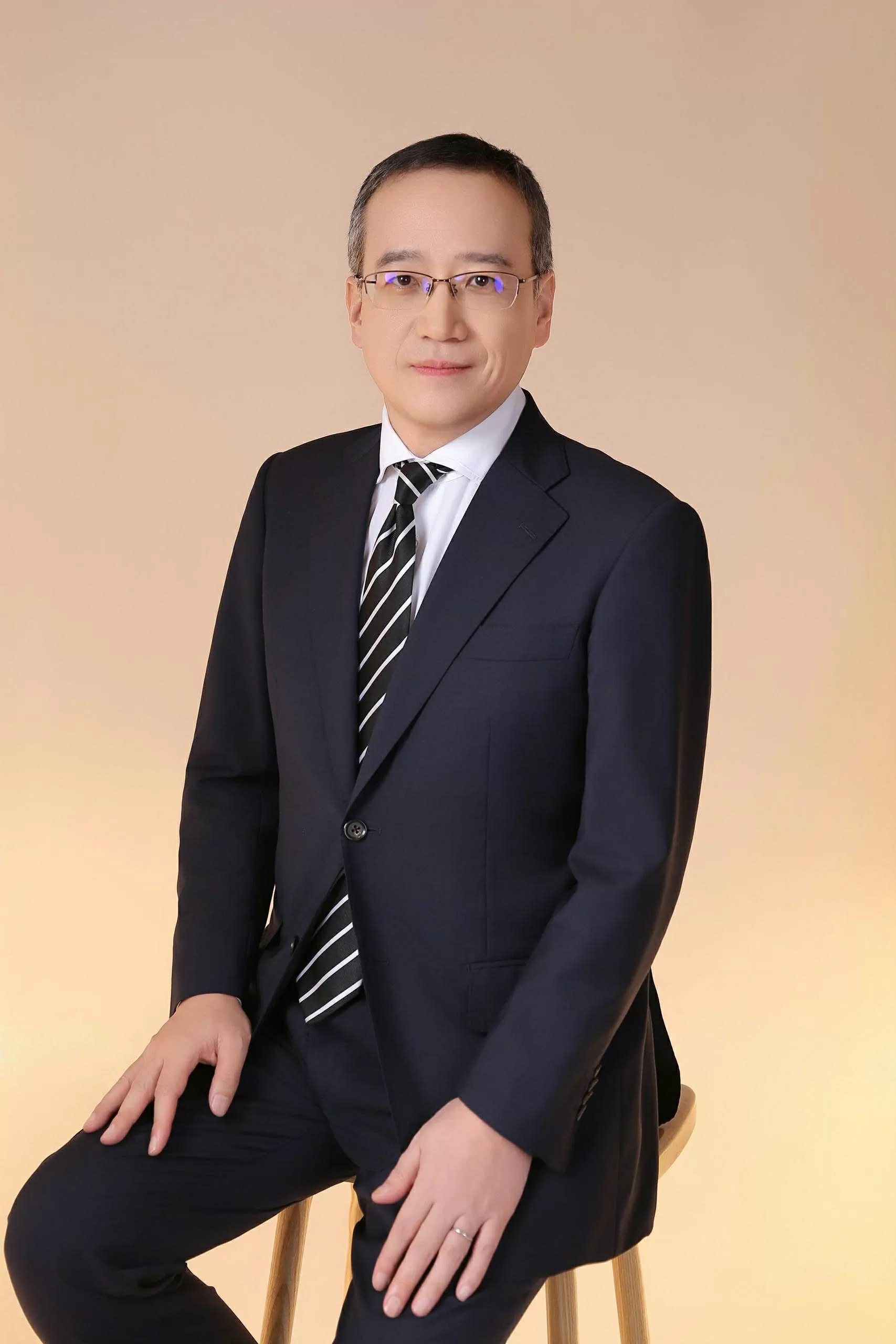 |
| Mr OZASA Haruhiko, Chief representative of the Hanoi Office of the Japan External Trade Organization (JETRO Hanoi). |
Mr OZASA Haruhiko, Chief representative of the Hanoi Office of the Japan External Trade Organization (JETRO Hanoi) expressed his impression to reporters from The World and Vietnam Report regarding the business and investment environment in Vietnam.
In recent times, Vietnam has been one of the most attractive destinations in ASEAN for Japanese businesses. Could you please share in detail about the current situation of Japanese enterprises operating in Vietnam?
JETRO conducts an annual survey on the business conditions of Japanese-affiliated companies operating around world. In the 2024 survey, 56% of Japanese companies in Vietnam responded that they plan to expand their business in the future - this was the highest percentage among ASEAN countries.
There are two notable trends among industries with strong intentions to expand in Vietnam.
The first trend involves industries targeting the domestic market. In the non-manufacturing sector, consumer-oriented businesses such as retail and food services are becoming increasingly active. In the manufacturing sector, companies engaged in “local production for local consumption” - particularly in food products as well as chemicals and pharmaceuticals - showed a strong willingness to expand their operations.
The second trend includes industries that support the activities of Japanese companies already operating in Vietnam. These are mainly in the non-manufacturing sector, such as logistics, trading and wholesale, as well as finance and insurance. The growth of these sectors contributes to smoother business operations and facilitates further market entry by Japanese enterprises.
How do you evaluate Vietnam's business environment? In your opinion, what are the main reasons Japanese businesses choose Vietnam as their investment destination?
JETRO’s survey highlights several advantages of Vietnam’s investment environment, including “market size and growth potential,” “low labor costs,” and “stable political and social conditions.” These factors are rated higher than the ASEAN average.
In particular, “market size and growth potential” was cited by 62% of respondents, significantly exceeding the ASEAN average of 49%, indicating strong recognition of Vietnam’s economic dynamism and market attractiveness.
The “stable political and social conditions” are a result of the Vietnamese government’s efforts. Amid increasing global uncertainties, Vietnam’s stability stands out as a key strength.
Specifically regarding Quang Ninh, how do you evaluate its business environment? Is Quang Ninh a potential destination for Japanese businesses? If so, why?
Quang Ninh Province possesses geographical and strategic advantages, being close to Hai Phong Port and sharing a border with China. It is considered one of Vietnam’s important manufacturing hubs.
In recent years, the development of infrastructure such as expressways and industrial parks has progressed, leading to a gradual increase in foreign investment. Among the 16 Japanese investment projects in the province, 10 have been approved since 2022.
| As Vietnam aims to become a high-income country by 2045, positioning the private sector as the key driver of economic growth is regarded as a significant business opportunity for Japanese companies. Japanese enterprises, as members of Vietnamese society, will continue to expand their businesses by emphasizing partnership with Vietnam, which in turn will contribute to the country’s further development. |
One of these projects, AEON Mall Ha Long, is the only consumer-oriented business - a shopping mall. This facility not only contributes to urban development and revitalization of the local economy, but also provides a living environment comparable to Japan for Japanese expatriates. Once completed, the mall is expected to improve the quality of life for Japanese residents and further encourage investment by Japanese companies.
Are there currently any difficulties hindering Japanese businesses operating in Vietnam? Could you please suggest some solutions to help overcome these challenges?
JETRO’s survey identifies two major risks regarding their business in Vietnam: complex administrative procedures and an underdeveloped legal system with unclear enforcement.
As Vietnam’s society and economy grow rapidly, there may be instances where administrative services struggle to keep pace. However, enhancing the satisfaction of foreign companies currently operating in Vietnam will improve the country’s investment reputation and attract new foreign investment. We therefore hope the government will continue its efforts to address these issues.
For example, under the CPTPP agreement, Vietnam is expected to abolish the Economic Needs Test (ENT) for CPTTP member’s companies, but this has not yet been implemented officially. This has created obstacles for Japanese retailers seeking to expand their store networks. Additionally, in the IRC approval process, companies are sometimes required to submit unnecessary documents or increase capital without legal basis. Foreign investors are highly sensitive to such irrational requirements.
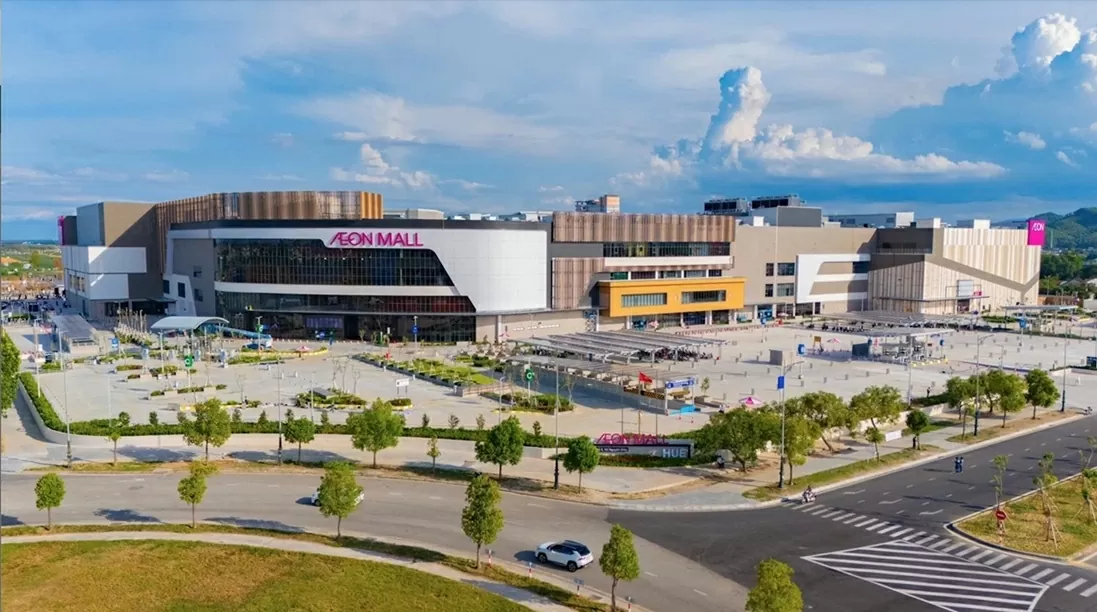 |
| In the 2024 survey, 56% of Japanese companies in Vietnam responded that they plan to expand their business in the future. (Source: AEON) |
The recent administrative restructuring aimed at improving efficiency is a major step forward. It is expected to enhance productivity and transparency in business operations. Japanese companies are hopeful that these complex administrative procedures and unclear legal practices - often seen as risks - will be improved.
We are closely watching whether these excellent government policies are being properly implemented at the operational level. Moreover, when introducing a high-impact policy - such as the recently announced direction to restrict gasoline-powered vehicles from entering central Hanoi - it is crucial to present a clear roadmap in advance and engage in thorough discussions with stakeholders.
I believe that if the aforementioned challenges and obstacles can be effectively addressed, Vietnam will continue to maintain its position as the leading investment destination in ASEAN for Japanese enterprises.
In the future, what are your expectations for the cooperation between Japanese businesses in Vietnam, and between Japanese businesses and localities in Vietnam?
As Vietnam aims to become a high-income country by 2045, positioning the private sector as the key driver of economic growth is regarded as a significant business opportunity for Japanese companies. Japanese enterprises, as members of Vietnamese society, will continue to expand their businesses by emphasizing partnership with Vietnam, which in turn will contribute to the country’s further development.
JETRO is focusing on three key initiatives to deepen the Japan-Vietnam partnership:
Collaboration between Japanese companies and Vietnamese startups: By investing in and cooperating with Vietnam’s startups that offer innovative technologies, business models, and networks, Japanese companies can help accelerate the growth of startups.
Local procurement by Japanese manufacturing companies from Vietnamese suppliers: This strengthens shared supply chains between the two countries, enhances the resilience of Vietnam’s manufacturing sector, and promotes the integration of Vietnamese firms into global supply chains.
Recruitment of highly skilled Vietnamese talent by Japanese headquarters: Human exchange forms the foundation of Japan-Vietnam business relations and helps solidify long-term partnerships.
In the coming time, JETRO will continue its efforts to contribute to Vietnam’s economic growth through the investment activities of Japanese companies. JETRO has been, is, and will continue to serve as a vital bridge between Japanese businesses and the Government of Vietnam.
Thank you so much!
| A trusted destination for international initiatives WVR - Ambassador Vu Le Thai Hoang, Ambassador of Vietnam to Austria and Head of the Permanent Mission of Vietnam to the United Nations and ... |
| Thai Nguyen province - A promising destination for investors WVR - After its merger and expansion of its development space, Thai Nguyen has continued to stand out as a bright spot for investment thanks ... |

| CNBC: Phu Quoc is a global trend destination for 2026 WVR - Recently, the American international news channel CNBC reported on the global trend travel destinations for 2026, including Vietnam's Phu Quoc Island. |

| Vietnam and APEC: Not only participating, but leading WVR - APEC 2025 is set to spotlight the levers that will define the Asia-Pacific region’s competitiveness in the coming decade: green recovery, digital transformation ... |
| Hanoi recognized as a best street food destination Time Out magazine has named Hanoi among the top 10 Asian cities offering the world's best street food. |