


The East Sea and regional maritime Order - contestation, connectivity and cooperation
On the first day of work (October 7), following the Opening, Keynote, and Special Sessions, the 18th International Conference on the South China Sea (East Sea) with the theme “Contestation, connectivity and cooperation” continued with four content sessions.
Latest
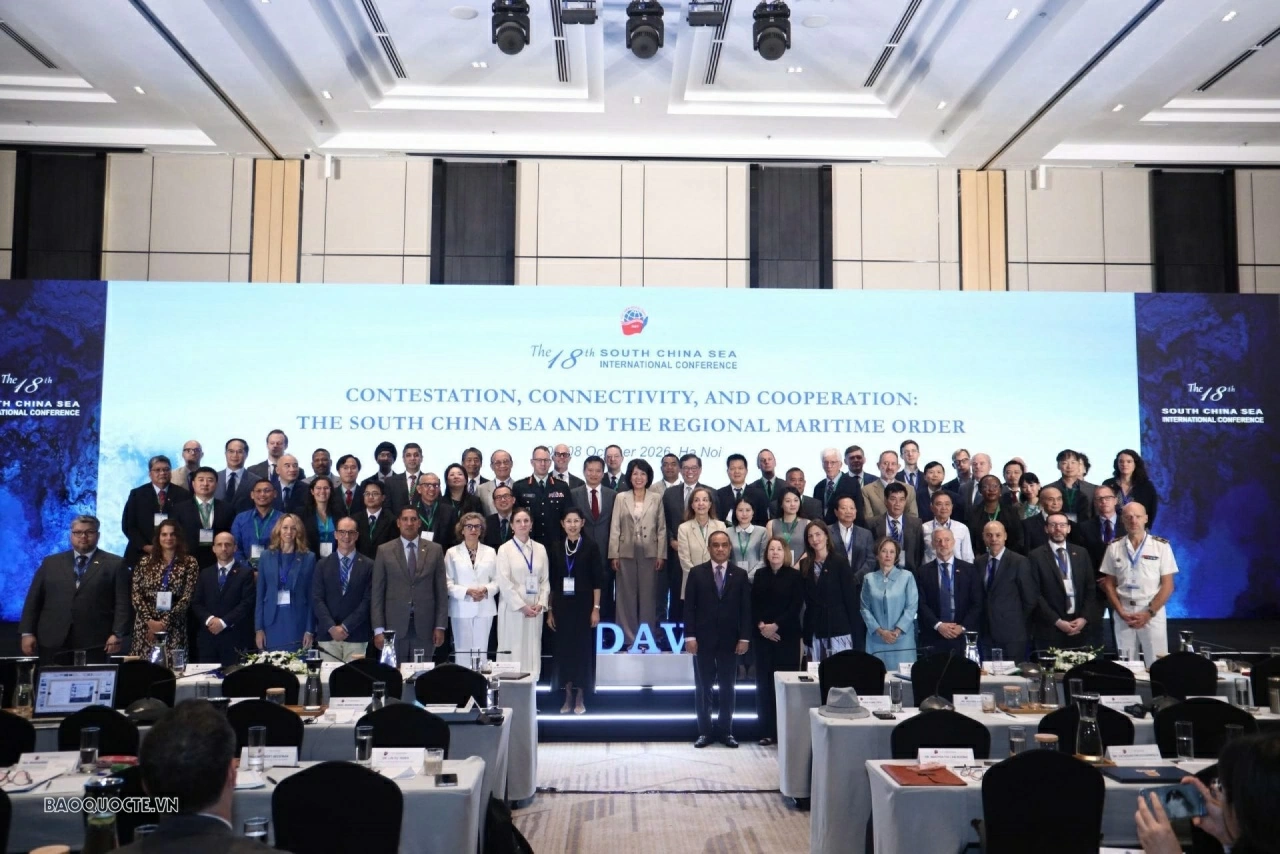 |
| Delegates take a group photo at the opening of the 18th South China Sea Conference. (Photo: Thanh Long) |
At the conference, experts discussed shifts in the regional strategic environment, the link between maritime security and energy security, trade, and global supply chains.
The East Sea in the context of multidimensional strategic competition
Opinions indicate that competition in the East Sea is long-term and tied to movements in the international order. Competition in the East Sea depends not only on the scale of military power but also on the ability to maintain presence, surveillance, law enforcement, and organize cooperative networks.
Geographical location, infrastructure, outposts, and logistical capabilities can create long-term strategic advantages. Policy adjustments and relationships between major countries continue to impact the regional balance, posing increasingly complex choices for nations in technology and digital infrastructure development.
Meanwhile, coastal countries are enhancing capabilities and expanding partnerships. Many opinions suggest that the complexity of issues in the East Sea requires a combination of different mechanisms and forms of cooperation, as no single mechanism can handle all disputes.
Experts note that “gray zone” activities and clashes below the conflict threshold continue to pose direct challenges to maintaining regional peace and stability. They emphasize the need to enhance communication, build codes of conduct, and prevent incidents from escalating, such as the Code for Unplanned Encounters at Sea (CUES) for coast guard forces.
The East Sea security closely linked to energy, supply chains, digital infrastructure
Discussions show that stability in the East Sea should be viewed within a broader, more interconnected space, linked with various maritime routes such as the Straits of Hormuz and Malacca.
Disruption in a strategic maritime route can have ripple effects on many regions and economies, altering transport routes, increasing insurance costs, and putting pressure on energy supply and prices. The impact can also extend to fertilizers, food, production, and transportation, indicating that maritime security is directly related to economic stability and people's livelihoods.
Strategic underwater infrastructure, such as submarine cables, plays an increasingly important role in digital connectivity. An incident on the seabed could become a national-scale connectivity crisis.
Transparency, maritime domain awareness (MDA), and new technologies are increasingly important in monitoring, law enforcement, and crisis management. Unmanned systems assist in search and rescue, surveillance, and extending the operational range of law enforcement forces. However, the biggest obstacles are policy differences, the “openness” in information sharing, costs, and trust among parties.
Therefore, some experts propose preparing response capabilities before a crisis occurs; diversifying supply sources, transport routes, strengthening reserves, and enhancing infrastructure capabilities; establishing rules for technology use and appropriate information-sharing mechanisms; and enhancing the safety and resilience of submarine cable infrastructure systems.
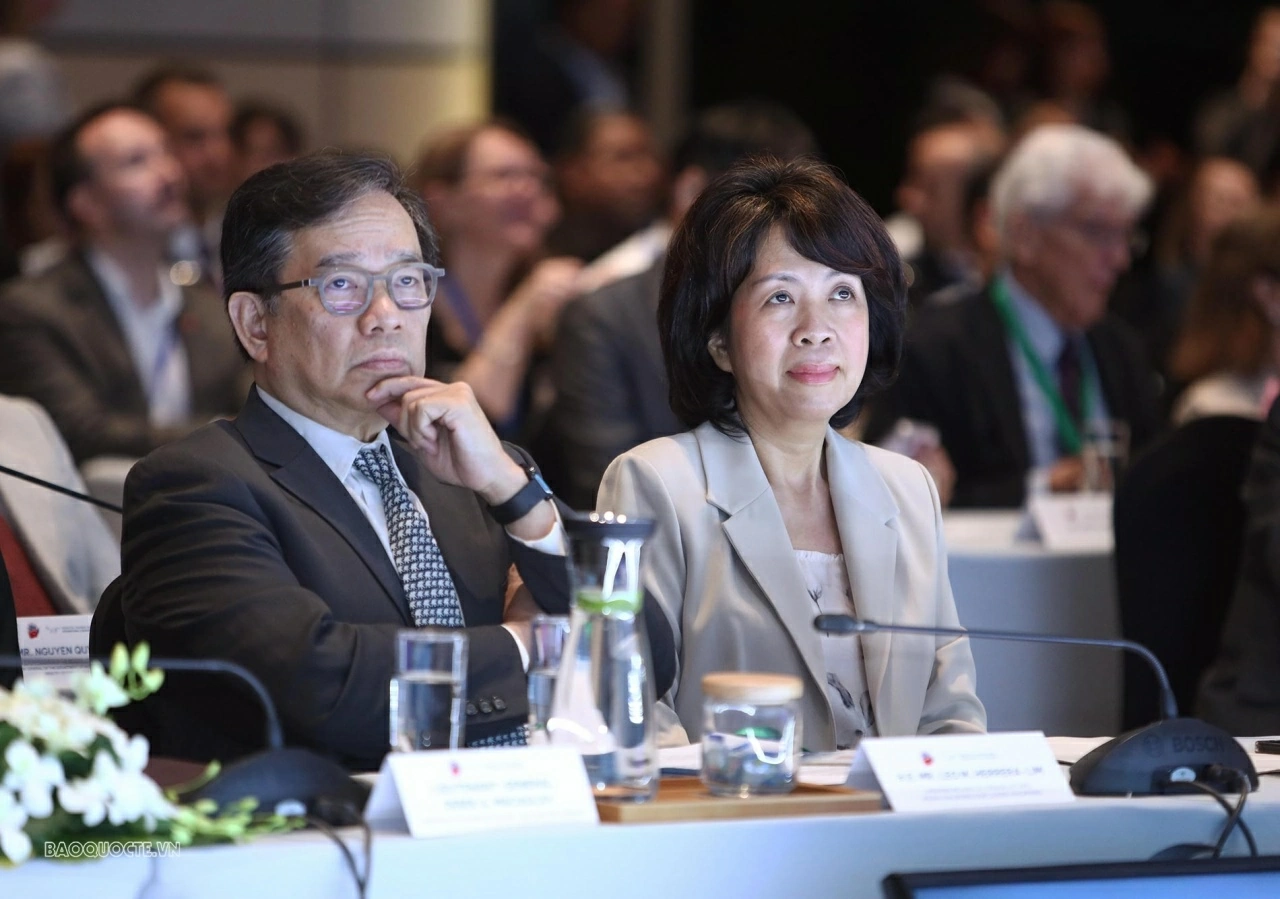 |
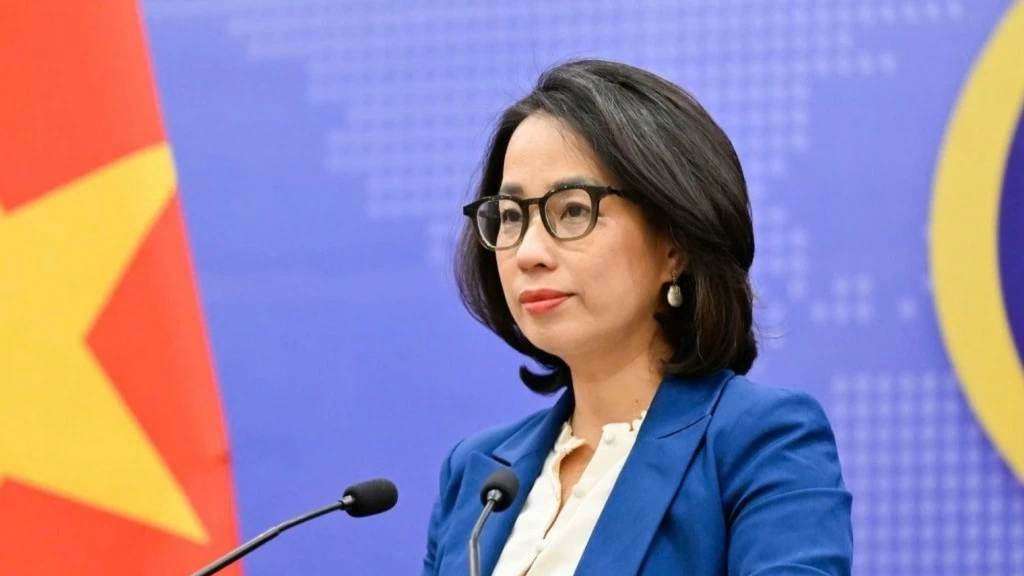
| Deputy Foreign Minister Nguyen Thi Hoang Van and Deputy Foreign Minister, ASEAN SOM Leader of the Philippines Leo M. Herrera-Lim. (Photo: Thanh Long) |
International Law, ASEAN, and shared responsibility as foundations for maintaining safe connectivity
Throughout the first day, most opinions emphasized the importance of international law, including the United Nations Convention on the Law of the Sea 1982 (UNCLOS), in maintaining safe, sustainable, and uninterrupted maritime routes. Opinions support ASEAN continuing to play a central role in dialogue, norm-building, and promoting the Code of Conduct in the East Sea (COC) negotiation process, along with bilateral, multilateral, sub-regional, and inter-regional cooperation mechanisms.
***
On the second day (October 8), the 18th International Conference on the East Sea is expected to continue discussions on the importance of international law, UNCLOS, ASEAN's central role, and new issues such as deep-sea governance and the resilience of ports and coastal communities.
The Organizing Committee will provide a summary in upcoming bulletins.
Images from the discussion sessions on the first working day of the Conference
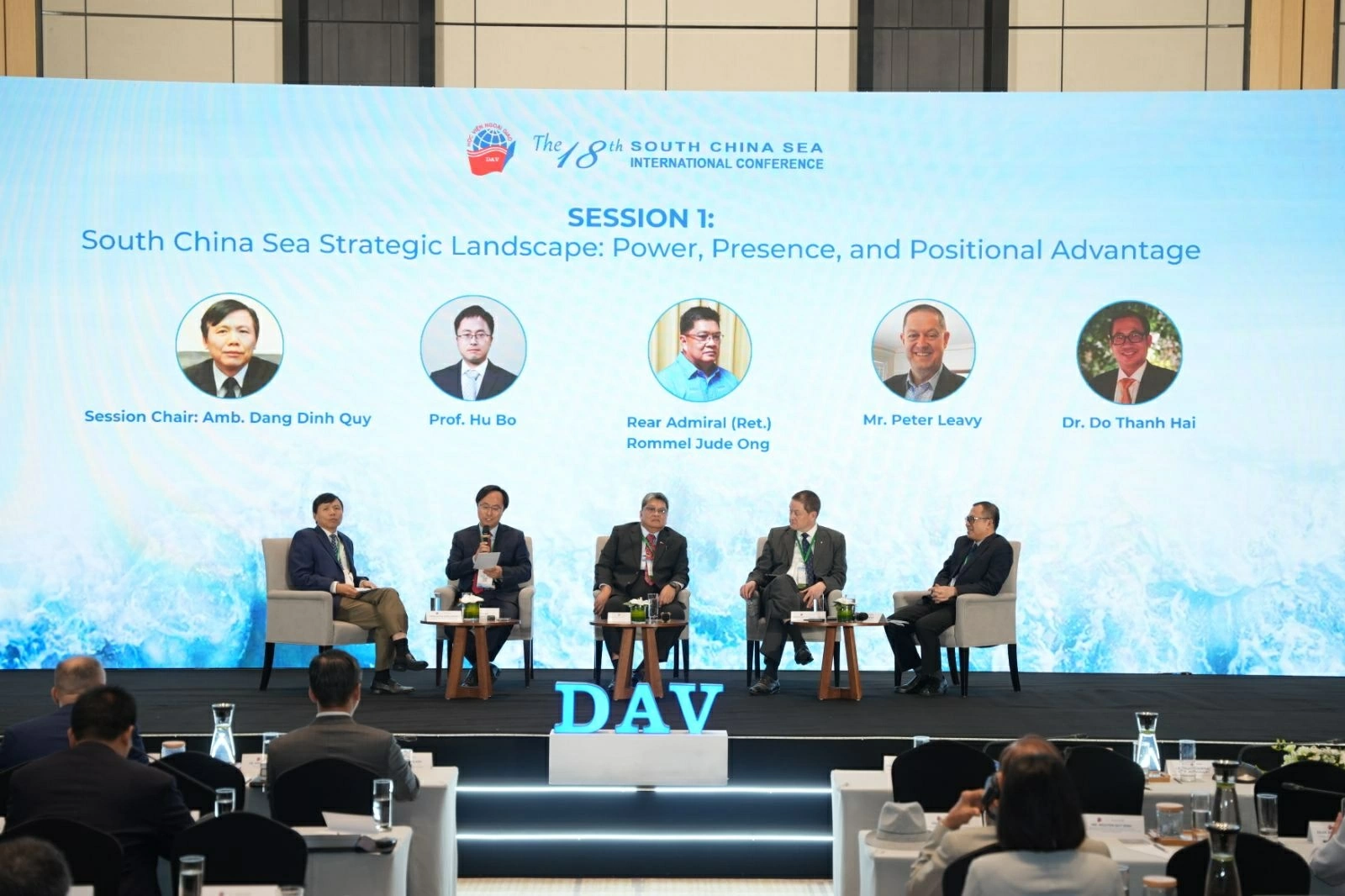 |
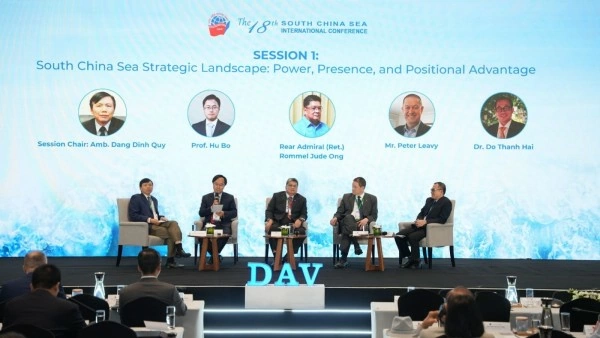
| Session 1: Strategic Context in the East Sea: Power, Presence, and Positional Advantage, chaired by Ambassador Dang Dinh Quy, former Deputy Foreign Minister. (Photo: Organizing Committee) |
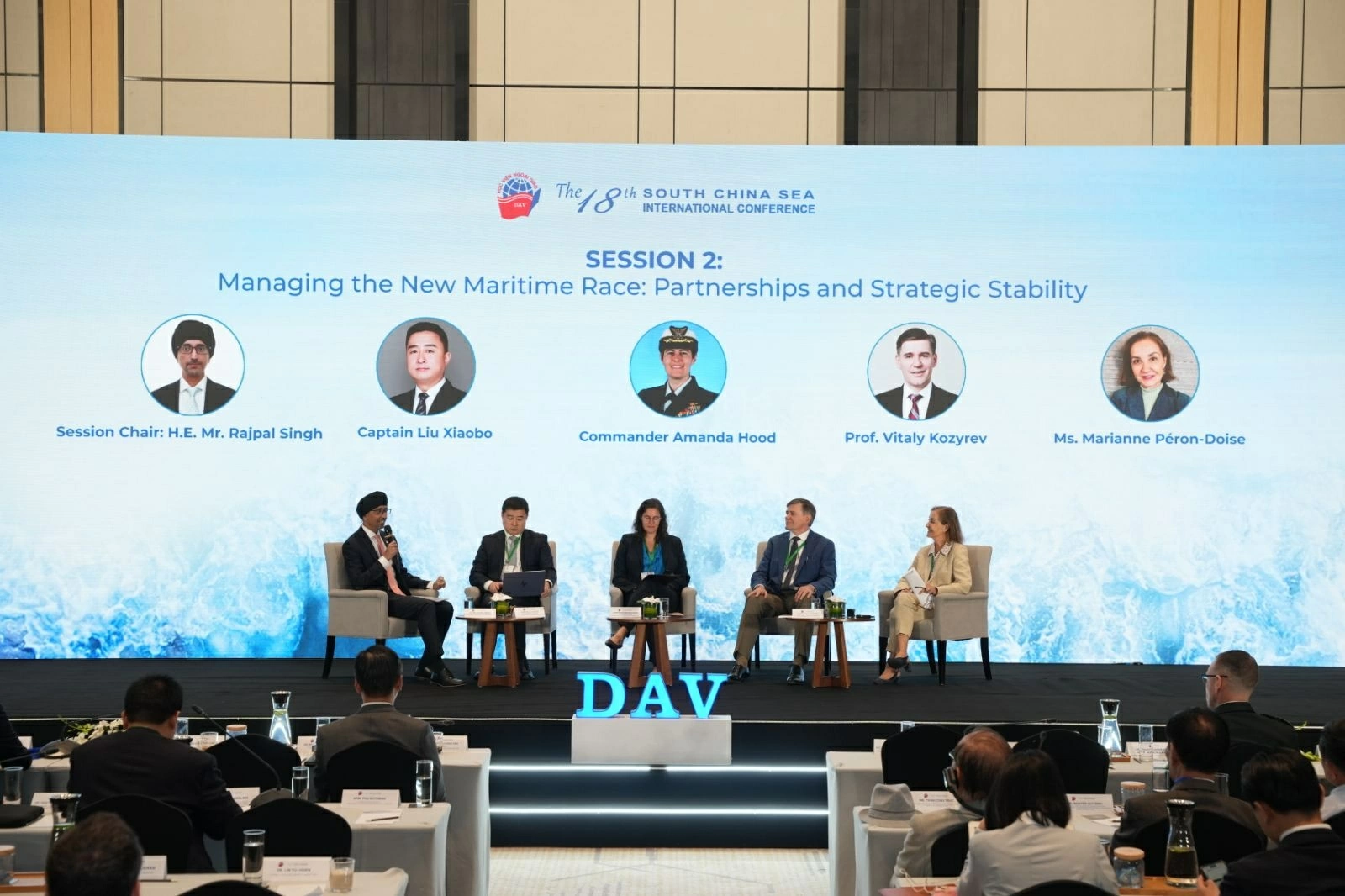 |
| Session 2: Managing the New Maritime Race: Partnerships and Strategic Stability, chaired by the Singapore Ambassador to Vietnam Rajpal Singh. (Photo: Organizing Committee) |
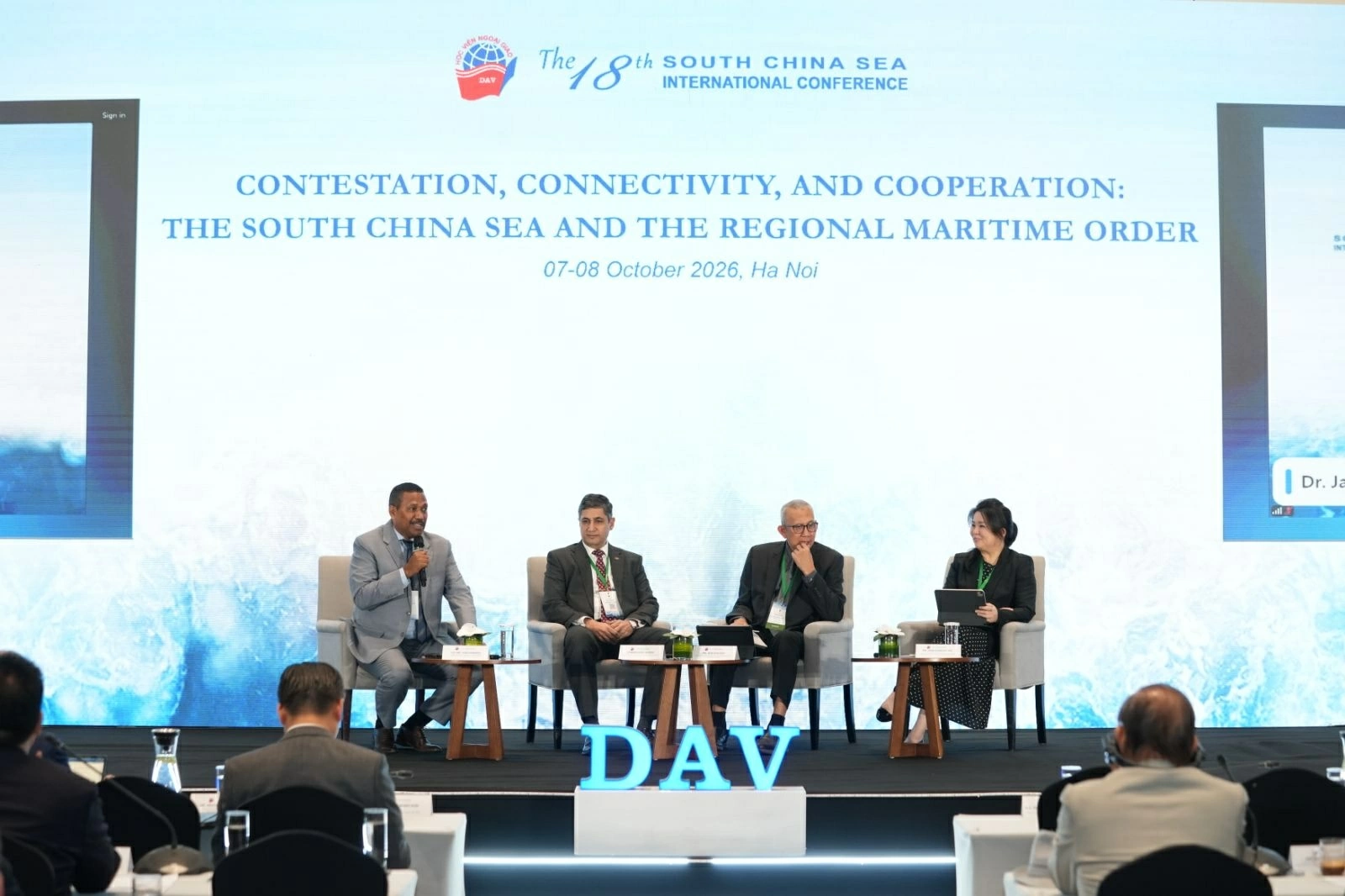 |
| Session 3: From the Strait of Hormuz to the East Sea: Oil Shocks, Maritime Transport Disruptions, and Regional Energy Security, chaired by Timor-Leste Ambassador to Vietnam João Pereira. (Photo: Organizing Committee) |
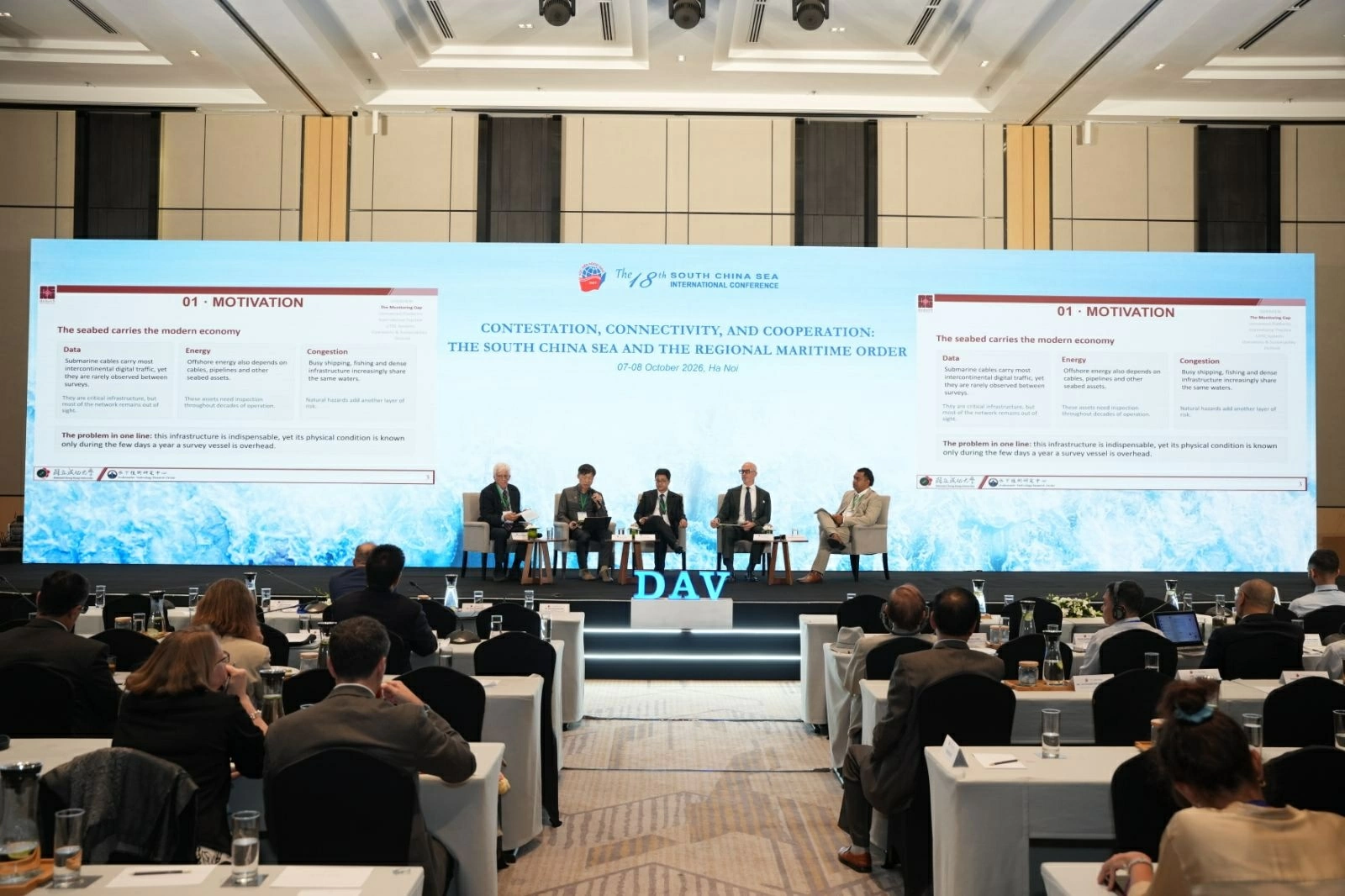 |
| Session 4: Disputed Waters, Connected Systems: Maritime Cybersecurity, Subsea Infrastructure, and Resilience, chaired by Prof. Robert Beckman, Centre for International Law (Singapore). (Photo: Organizing Committee) |