


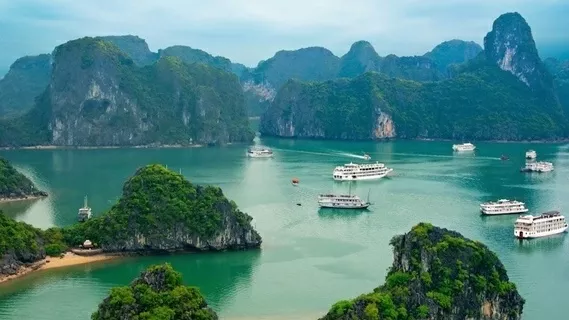
Turning culture into a brand: Quang Ninh's 'soft passport' on the map of integration
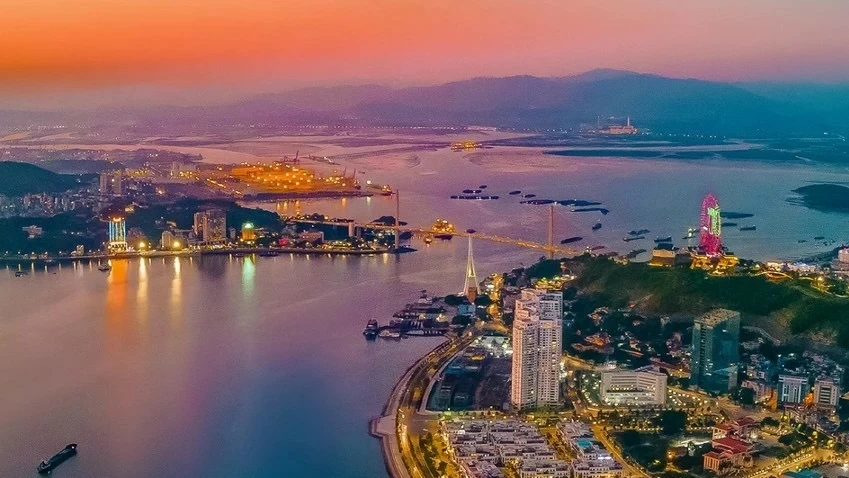
WVR - Over the past 80 years, the cultural sector of Quang Ninh province has achieved significant milestones. The foundations of cultural industries and cultural tourism have gradually taken shape and developed, with many creative products linked to heritage, festivals, and artistic events of regional, national and international scale.
Latest
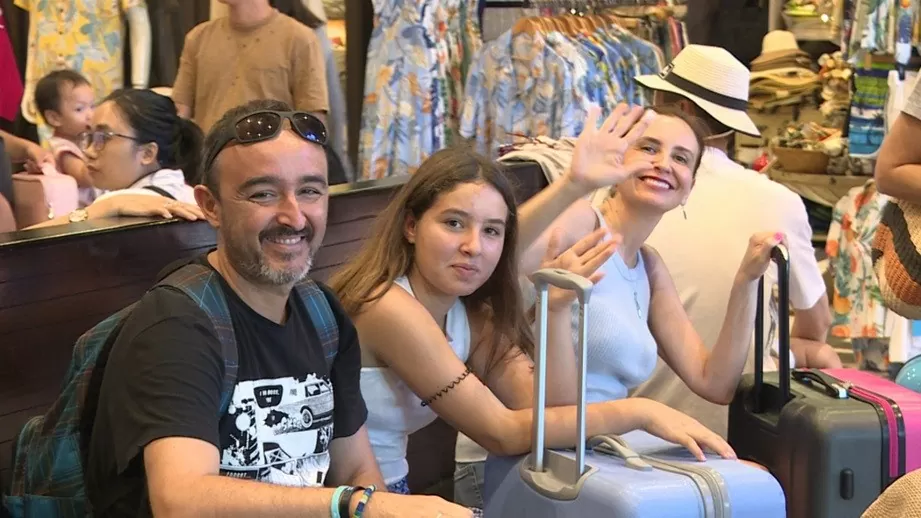 |
| International tourists in Quảng Ninh. (Source: BQN) |
Quang Ninh is a land where diverse cultural values converge and harmonise: maritime traditions, the spiritual heritage of Truc Lam Buddhism, the culture of mining workers, and the rich identities of ethnic minority communities.
Echoing President Ho Chi Minh’s teaching that “Culture lights the way for the nation”, both during wartime and throughout the period of integration, Quang Ninh’s culture, imbued with the tradition of “Discipline and Solidarity”, has remained a spiritual foundation and an intrinsic source of strength in the province’s comprehensive development journey.
Pride in a rich and distinctive culture of the sea and coal
Over the past 80 years, the Vietnamese cultural sector in general, and that of Quang Ninh in particular, has accompanied the revolutionary cause of the nation, closely interwoven with the province’s development.
Culture has affirmed its role as the spiritual foundation of society, a vital endogenous driving force that preserves and promotes traditional values, spreads humanistic ideals, and inspires people to overcome hardships, rebuild the country and pursue innovation and integration in peace.
From the very beginning, the Party and President Ho Chi Minh affirmed the special position of culture, regarding it as a “front” and those working in the cultural field as “soldiers”. The Party has consistently emphasised building “culture within the Party”, culture within the political system, public service culture, corporate culture and the culture of the rule of law, viewing these as essential to shaping a sustainable society.
At the celebration of the 80th anniversary of Vietnam’s Cultural Sector (28 August 1945 - 28 August 2025), held on 27 August, Vice Chairwoman of the Quang Ninh Provincial People’s Committee, Nguyen Thi Hanh, highlighted the significant achievements the province’s cultural sector has made in recent years.
Policy consultation, development of mechanisms, planning and projects to link culture with tourism have been implemented comprehensively. Investments have been made in cultural infrastructure from the provincial to the grassroots level, while the preservation and promotion of cultural heritage remain a top priority.
Numerous tangible and intangible cultural heritages of the province have been inventoried, documented, classified, and honoured. Notably, the Then ritual of the Tay, Nung and Thai peoples has been inscribed by UNESCO as an Intangible Cultural Heritage of Humanity.
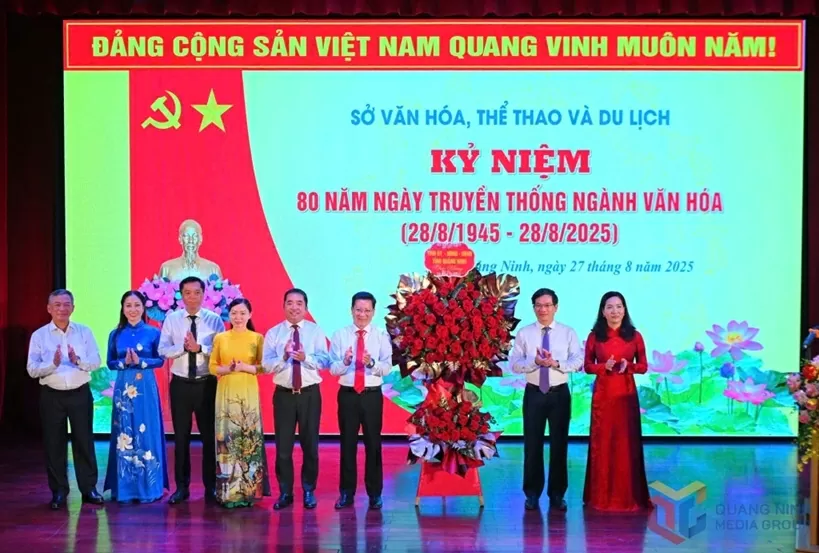 |
| Leaders of Quang Ninh Province presenting flowers to celebrate the 80th Anniversary of the Traditional Day of the Culture Sector at the Commemorative Ceremony (28 August 1945 - 28 August 2025). (Source: BQN) |
Most recently, on 12 July 2025, the Yen Tu - Vinh Nghiem - Con Son, Kiep Bac Complex was inscribed on the UNESCO World Heritage List at the 47th session, becoming Quang Ninh’s second world heritage site and the ninth of Vietnam. This is a source of immense pride not only for the people of Quang Ninh but also for the entire Vietnamese nation.
Beyond these recognitions, the movement “All people unite to build a cultural life” has been widely implemented with practical outcomes: 96% of families recognised as cultural households, 97.9% of villages and neighbourhoods meeting standards and 99% having community cultural houses. The public sports movement has flourished, contributing to improved health, happiness and quality of life for residents.
Meanwhile, cultural industries and cultural tourism have begun to take shape and develop, with creative products linked to heritage, festivals and artistic events of regional, national and international scale.
Between 2020 and 2025, Quang Ninh welcomed around 80 million visitors, including 10 million international tourists. Total tourism revenue exceeded 160 trillion VND, with tourism contributing between 5.6% and 9.64% annually to the province’s GRDP, placing Quang Ninh among the country’s leading tourism destinations.
According to Nguyen Viet Dung, Director of the Department of Culture, Sports and Tourism of Quang Ninh, the province’s cultural infrastructure has been modernised to increasingly meet the cultural needs of its people.
The Quang Ninh Museum, a symbolic work of architecture, has become a popular destination, playing an important role in educating traditions and raising community awareness of historical and cultural values.
Grassroots cultural development has been effectively promoted, bringing culture closer to the people, creating a healthy cultural environment, preserving identity and improving the quality of local human resources.
Reflecting on this journey, Nguyen Viet Dung remarked: “Eighty years is a long road, filled with hardships yet also radiant with glory. It represents the dedication, tireless labour, creativity, and even silent sacrifices of generations of ‘cultural soldiers’… This journey is not only one of development but also one of profound gratitude to those who sowed the first seeds, who lit the cultural flame, enabling us today to take pride in a rich and distinctive sea-coal culture”.
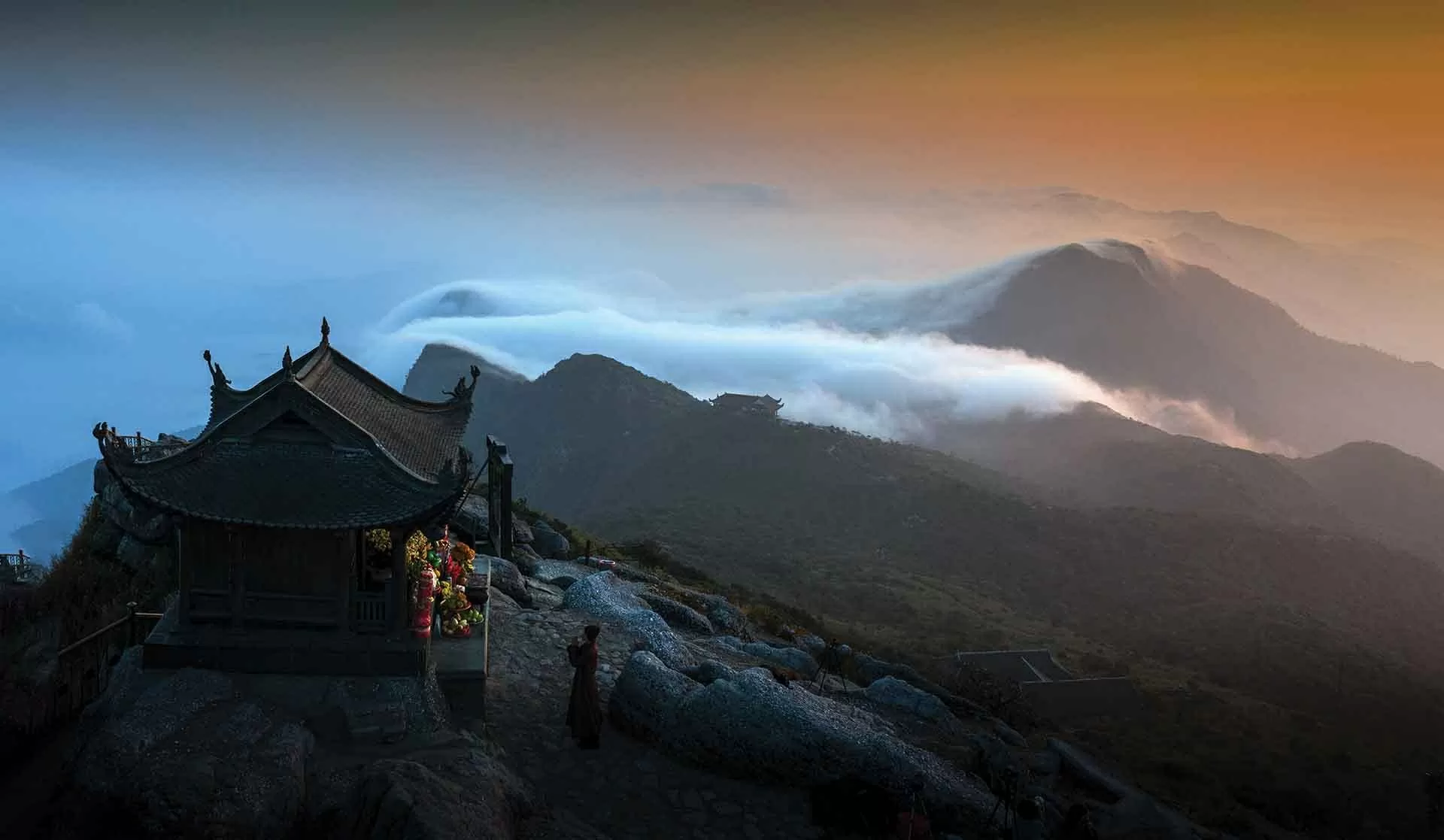 |
| Dong Pagoda, perched atop Yen Tu Mountain in Quang Ninh Province. (Photo: Khac Huong) |
Poet Tran Nhuan Minh, former member of the Council of Poetry of the Vietnam Writers’ Association and former Chairman of the Quang Ninh Literature and Arts Association, affirmed that among all the values Quang Ninh possesses, culture and the arts hold a particularly important place through poetry, literature and novels.
He emphasised that poetry and music have brought the most beautiful images of Quang Ninh - its people and its historic development - to readers and audiences across Vietnam and, in certain cases, even to international audiences.
Preserving heritage, awakening tourism potential
In the context of renovation and integration, Quang Ninh’s cultural sector is committed to following the guidelines and orientations of both the central government and the province, while promoting solidarity, discipline, innovation and digital transformation.
Vice Chairwoman Nguyen Thi Hanh outlined five key directions. The first is to effectively implement the Party’s resolutions and directives, particularly Resolution No. 17-NQ/TU dated 30 October 2023 of the Provincial Party Committee on developing and promoting Quang Ninh’s cultural values and human strengths.
The second is to intensify the preservation and promotion of cultural heritage, especially Ha Long Bay and the Yen Tu - Vinh Nghiem - Con Son, Kiep Bac Complex, regarding them as crucial resources for cultural industries and tourism, to welcome more than 28 million visitors, including 9 million international tourists, by 2030.
The third is to vigorously develop cultural industries in association with digital transformation, establishing creative spaces, expanding the night-time economy and organising events under the Quang Ninh brand.
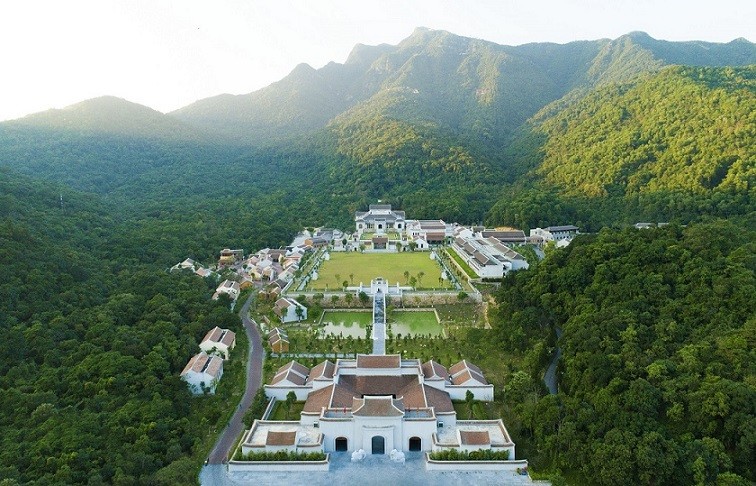 |
| Quang Ninh's cultural sector continues to promote the tradition of solidarity, discipline, enhancing innovation and digital transformation. (Source: Vietnamnet) |
The fourth is to strengthen grassroots cultural life, especially in remote, border and island areas, to improve public access to cultural activities.
The fifth is to focus on training and fostering cultural officials with strong political resolve, professional expertise and creative thinking to meet the demands of international integration.
Guided by the overarching principle that “Culture is the foundation - Information is the conduit - Sports are the strength - Tourism is the bridge of connection”, Quang Ninh’s cultural sector continues to prioritise innovation with a human-centred approach. The province seeks to nurture citizens who embody the qualities of resilience, self-reliance, discipline, solidarity, compassion, generosity, creativity and civility.
At the same time, the province will preserve and promote national cultural heritage while “awakening” its tourism potential, mobilising all resources to invest in cultural and sports infrastructure, enhancing people’s spiritual lives and hosting national and international events. It also aims to develop cultural industries so that culture itself becomes a brand - a “soft passport” for Quang Ninh on the map of integration.
These efforts will contribute to the goal of building Quang Ninh into a modern service-industrial province and an international tourism centre. With 80 years of tradition and development, combined with determination, intellect, and the support of the political system, enterprises and citizens, Quang Ninh’s cultural sector will continue to reap new achievements, contributing to a prosperous, civilised and modern Quang Ninh.