

Cultural diplomacy: A “soft power weapon” that touches the hearts of international friends
WVR - Ms. Le Thi Hong Van, Director General of the Department of External Relations and Cultural Diplomacy, Ministry of Foreign Affairs, Secretary General of the Vietnam National Commission for UNESCO, affirms that in the new era, cultural diplomacy will continue to be implemented in a professional, modern, creative, and adaptive manner to new global trends, remaining a “sharp soft power weapon” spreading the image of a peace-loving, humane, and creative Vietnam.
Latest
Cultural diplomacy, along with economic and political diplomacy, forms the essential components of Vietnam's comprehensive and modern diplomacy. In your opinion, what are the core elements that have shaped the unique identity and outstanding achievements of Vietnam's cultural diplomacy over the past 80 years?
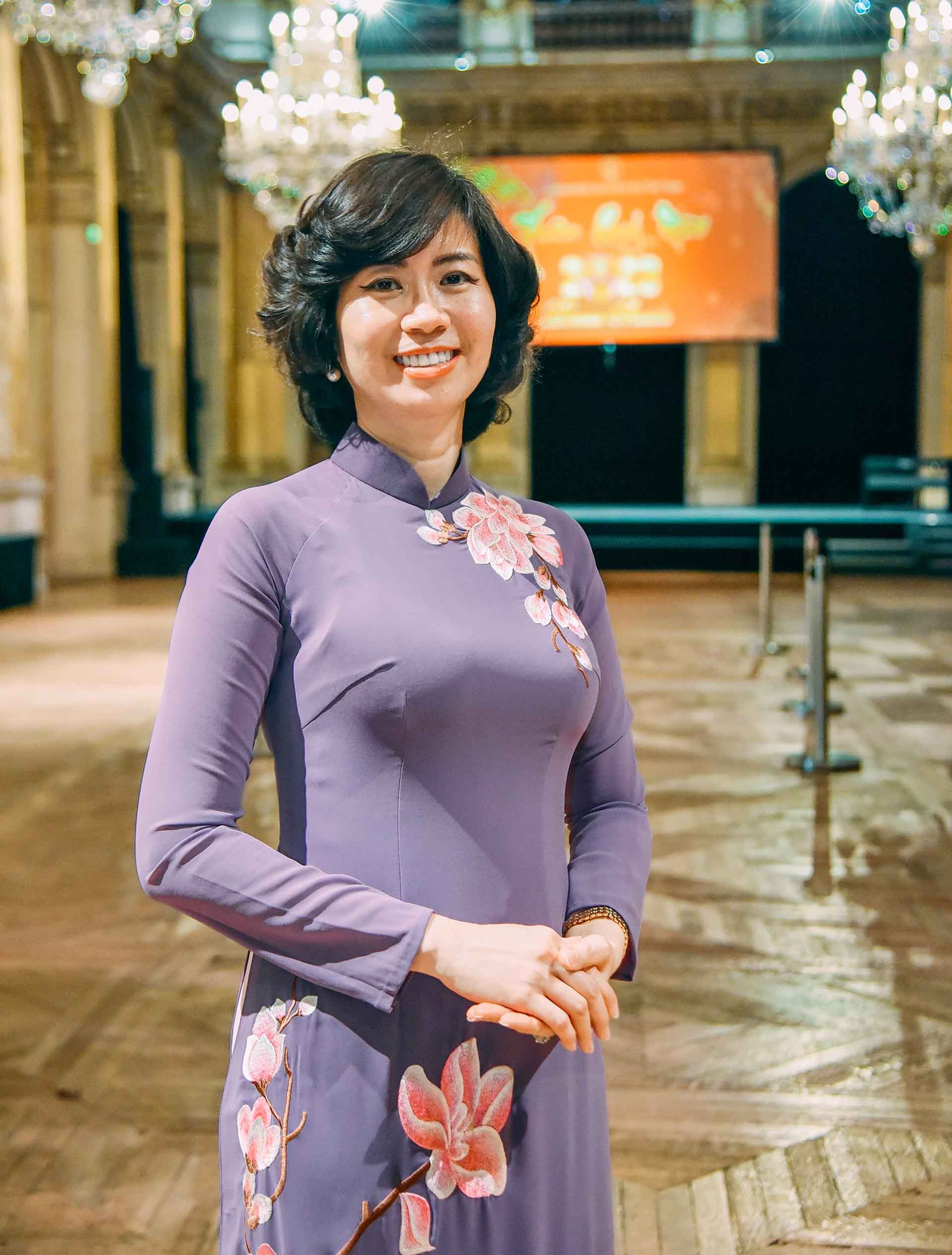 |
| Ms. Le Thi Hong Van, Director General of the Department of External Relations and Cultural Diplomacy, Ministry of Foreign Affairs. |
Cultural diplomacy is a vital component of Vietnam's comprehensive and modern diplomacy, where political diplomacy leads, economic diplomacy breaks through, and cultural diplomacy forms the spiritual foundation that defines Vietnam's diplomatic identity. It enhances soft power, spreads the country's image to international friends, and strengthens trust between Vietnam and global partners.
In recent years, cultural diplomacy has been systematically implemented with diverse and rich activities in content and form, focusing on depth and quality. It showcases innovative ideas and execution methods, achieving significant results.
On the international level, proactive and extensive integration in cultural fields at regional and international organizations and forums, especially at UNESCO, has achieved numerous accomplishments. Vietnam holds roles in six key governing bodies of UNESCO, such as the World Heritage Committee and the Executive Board, reflecting international trust and support. The values, thoughts, and progressive worldview of the Vietnamese people are spread through the image and ideology of President Ho Chi Minh and other UNESCO-honoured figures.
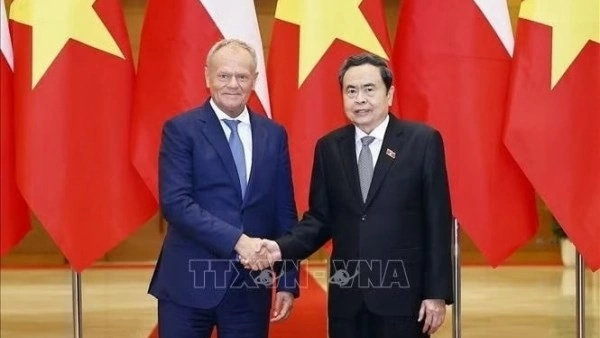
Nationally, cultural diplomacy, especially at high levels, has made significant impressions, such as images of senior leaders enjoying tea, discussing, and gifting calligraphy to international leaders, reflecting cultural depth and contributing to strengthening political trust with partners.
Locally, numerous cultural diplomacy activities, events, and international festivals have been positioning local "brands", attracting international friends and tourists. Seventy-three UNESCO-recognized heritages and titles contribute to protecting and honouring unique cultural values while becoming models for sustainable socio-economic development, enhancing local livelihoods. The active participation of organizations, businesses, and people domestically and abroad creates a comprehensive strength in implementing cultural diplomacy.
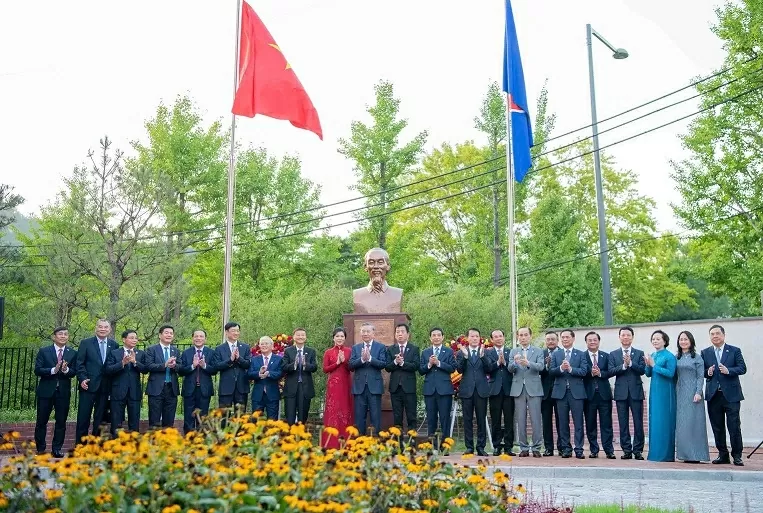 |
| General Secretary To Lam and his spouse, along with a high-level Vietnamese delegation, attend the inauguration ceremony of the Ho Chi Minh statue in Seoul, August 10, 2025. |
During a recent visit to Vietnam, UNESCO Director-General Audrey Azoulay acknowledged Vietnam as one of the most active members of UNESCO and affirmed that Vietnam-UNESCO cooperation has never been better. How do you evaluate Vietnam's role and outstanding contributions to UNESCO's overall development achievements?
It is no coincidence that UNESCO Director-General Audrey Azoulay gave special recognition to Vietnam during her recent visit. This is not only an acknowledgment but also an international assessment of a nation gradually asserting itself as an inspiring partner within the Organization.
The Vietnam-UNESCO relationship is a shining example, showcasing proactive roles and contributions to global thinking on conservation linked with sustainable development.
Milestones such as the historic visits by General Secretary To Lam and Prime Minister Pham Minh Chinh to UNESCO Headquarters and two visits to Vietnam by the UNESCO Director-General have positioned Vietnam as a cultural, scientific, and educational partner with strategic vision.
What sets Vietnam apart in UNESCO is not just political commitment but the ability to realize common development goals through specific models that align with global realities and needs.
In education, Vietnam not only fulfills sustainable development education goals but also demonstrates national commitment to "education for all" by waiving all public school fees up to high school, recognized by UNESCO as a "policy innovation model" to be widely shared. Vietnam actively contributes to digital education transformation, learning equality, and participation in the Global Learning Cities Network, promoting lifelong learning and building a learning and knowledge society, providing tangible values to the international community.
In science, Vietnam is an active partner in programs on biological conservation, AI ethics, gender equality, and science for sustainable development. Global geoparks and biosphere reserves are not just natural resources but also models for sustainable socio-economic development, enhancing local livelihoods and contributing to regional development.
In culture, with nine tangible cultural heritages, 16 intangible cultural heritages, 11 documentary heritages, and three UNESCO Creative Cities, we pride ourselves on a rich, diverse culture with distinct regional characteristics, making significant contributions to the world's cultural heritage. Vietnam is a "model example" of harmonizing heritage conservation with sustainable tourism development, economic growth, and local livelihoods.
With roles in six key governing mechanisms, Vietnam's positive and responsible contributions promote dialogue, cooperation, and consensus, finding satisfactory solutions to common concerns amid complex international situations, welcomed by UNESCO leaders and countries. UNESCO leaders and international friends remark that Vietnam is the answer to many of the world's complex issues today.
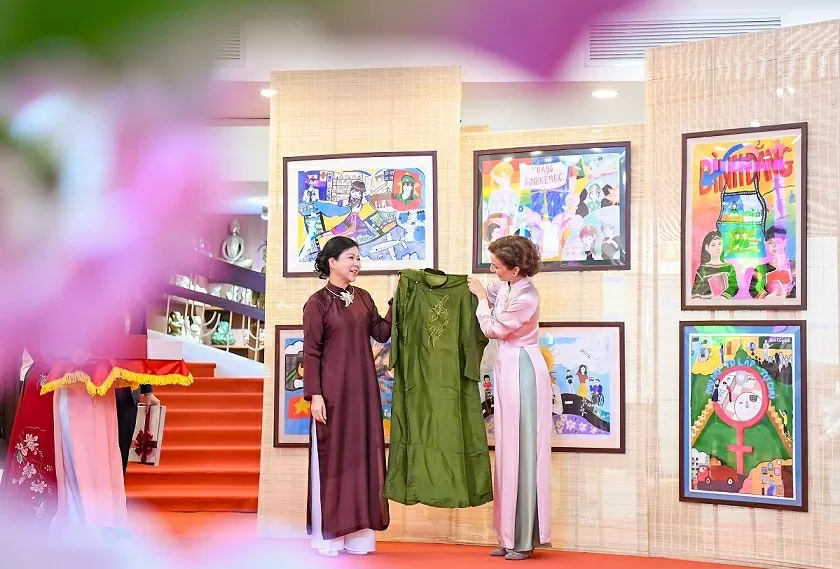 |
| The General Secretary's spouse, Madame Ngo Phuong Ly, presents a traditional Vietnamese áo dài to UNESCO Director-General Audrey Azoulay during a visit to the Vietnam Women's Museum, June 27, 2025. |
In the future, what should cultural diplomacy do to continue to serve as a “sharp soft power weapon”, contributing to enhancing Vietnam's position and prestige on the international stage?
The next two to three years are crucial for advancing comprehensive, synchronized renewal and deep international integration. Cultural diplomacy plays a vital role in promoting Vietnamese cultural values and human strength, enhancing national soft power, and realizing the aspiration for national development.
Firstly, continue to thoroughly grasp, closely follow, and effectively implement the Party and State's guidelines and policies on cultural development and cultural diplomacy, to promote culture's role as the "soul of the nation". As General Secretary To Lam directed, "culture is both a means, a principle, and a goal of foreign affairs; continuously elevating national soft power to new heights", contributing to unleashing cultural strength as an internal resource and a great driving force for rapid and sustainable national development; considering investment in culture as investment in development, cultural policy as a strong lever for national actions.
Secondly, continue to promote cultural values and the image of Vietnam and its people, focusing on spreading progressive and noble values, thoughts, and worldviews of the Vietnamese nation, especially through the image and ideology of President Ho Chi Minh and other UNESCO-honoured figures.
Thirdly, more closely link cultural diplomacy activities with political diplomacy, economic diplomacy, and the work of overseas Vietnamese.
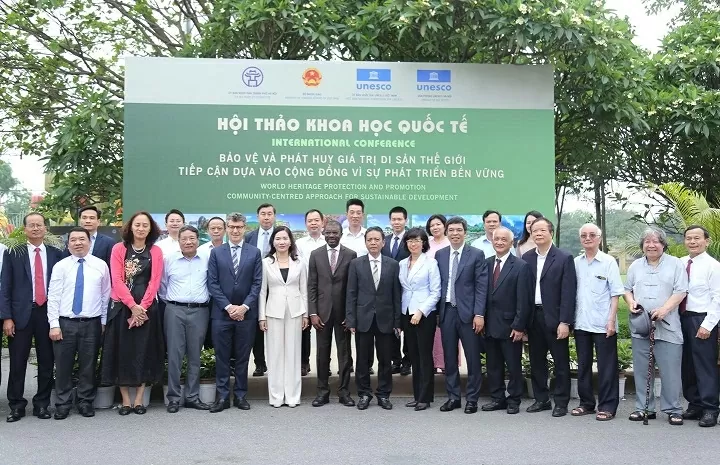 |
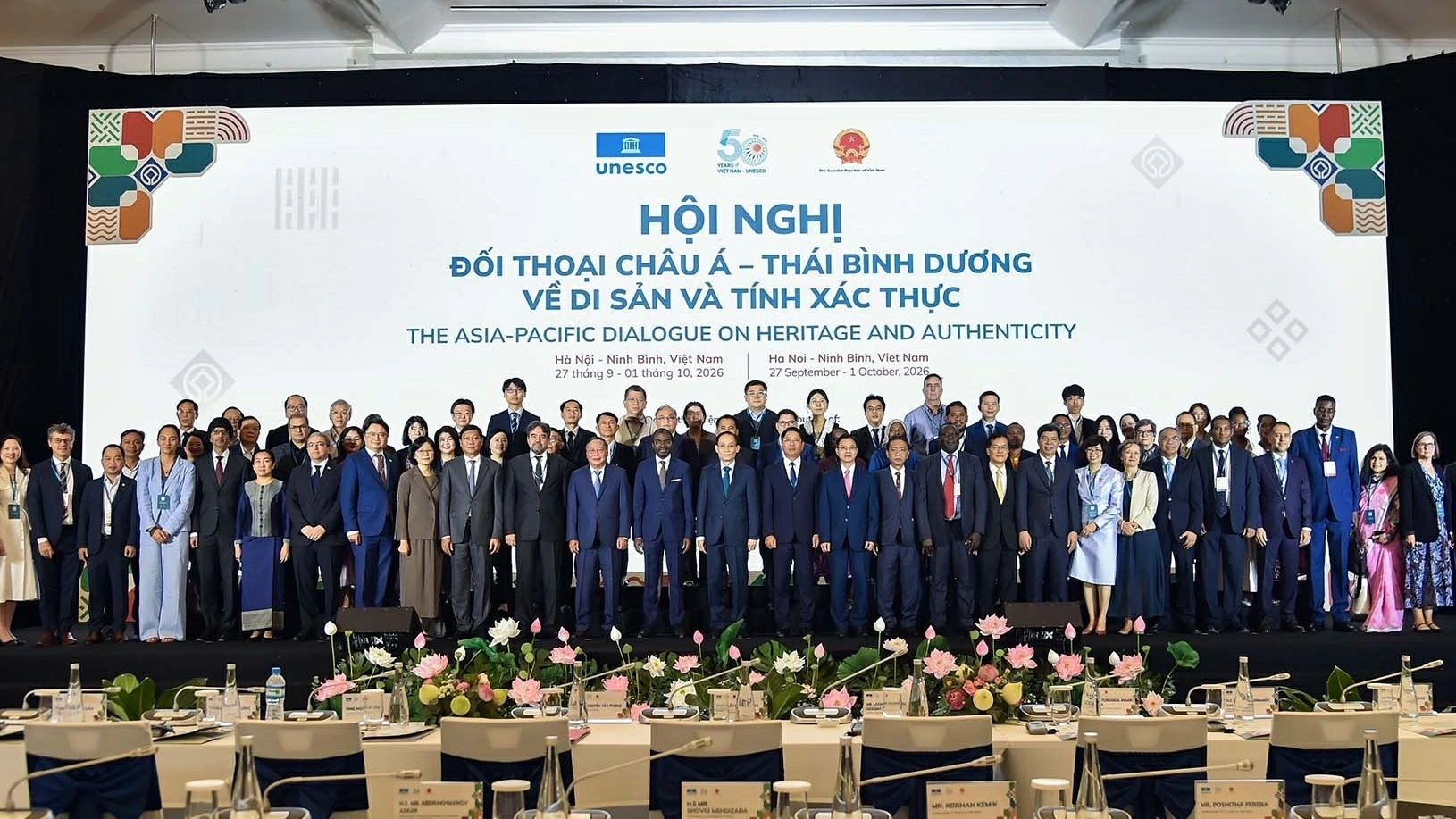
| Delegates attend the international scientific conference "Protecting and Promoting World Heritage Values: A Community-Based Approach for Sustainable Development" at the Thang Long Imperial Citadel World Heritage Site, Hanoi, May 21, 2025. |
Fourthly, in the Fourth Industrial Revolution, cultural diplomacy needs to quickly access new global knowledge, maximizing resources for sustainable national development, especially in priority areas such as developing cultural industries, creative industries, international cooperation in science and technology, education and training...
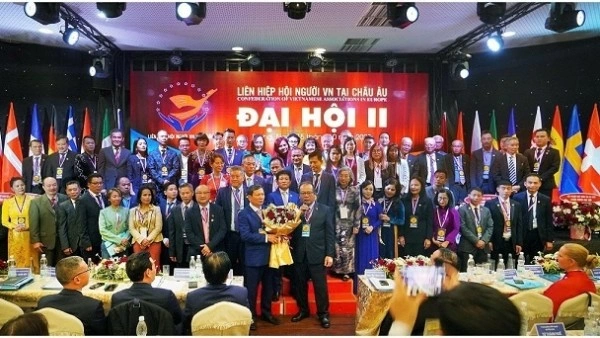
Fifthly, continue to promote creative, systematic cultural diplomacy activities with coordinated efforts from ministries, localities, and people, especially overseas Vietnamese as "Vietnamese Cultural Ambassadors" spreading Vietnamese cultural values abroad; simultaneously, continue to improve the system, policies, and coordination mechanisms for cultural diplomacy in a systematic, synchronized, and interconnected manner to unlock social resources.
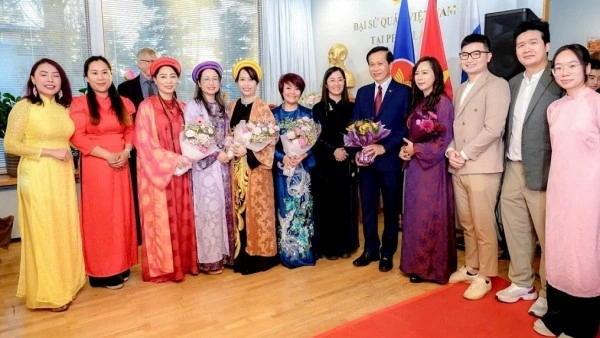
Sixthly, promote two-way cultural integration, absorbing global essence while spreading Vietnamese identity. Cultural diplomacy can help Vietnam become an attractive destination for international events; support localities and businesses in expanding cultural spaces, from exhibitions, festivals, cinema... to digital arts. Developing "Vietnamese cultural spaces abroad" will enhance the position of overseas Vietnamese communities, providing a solid foundation for Vietnamese culture to sustainably present on the world map.