




Ambassador Nguyen Quoc Dung: Turning historical gaps into bridges of sustainable cooperation in Vietnam–U.S. ties
WVR - On the occasion of the 30th anniversary of the normalization of Vietnam-US relations (July 12, 1995 - 2025), in an interview with the World and Vietnam Report, Vietnamese Ambassador to the United States Nguyen Quoc Dung reflected on the special journey, key pillars of cooperation and shared expectations for the future of bilateral ties.
Latest
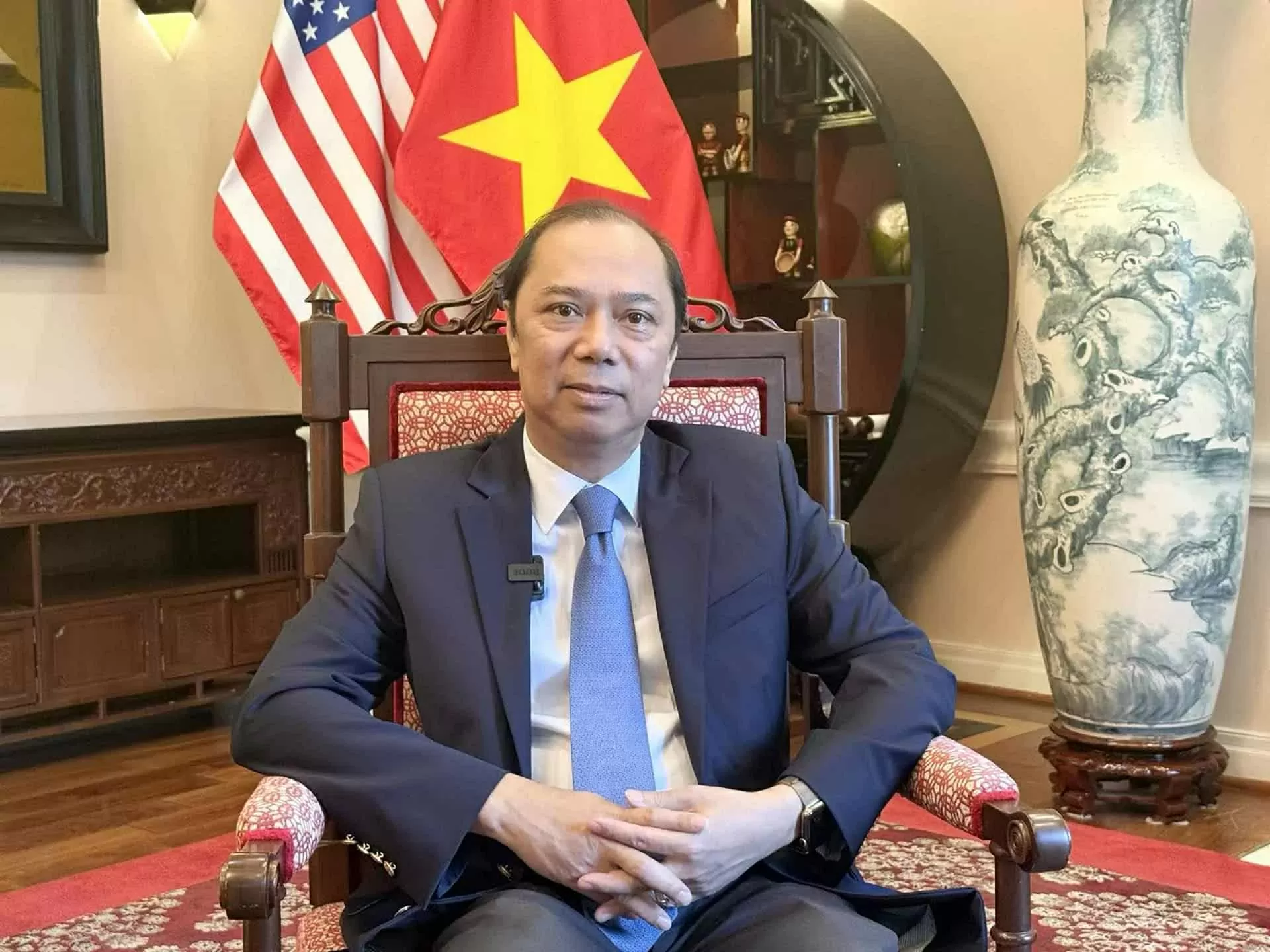 |
| Ambassador Nguyen Quoc Dung. (Source: Embassy of Vietnam in the United States) |
What is the significance of the 30th anniversary of the normalization of Vietnam–United States relations, particularly for Vietnam? What have been the key factors enabling the two countries to achieve such remarkable progress in their bilateral ties?
Three decades after normalization of bilateral relations in 1995, the story of Vietnam–United States ties has become a compelling testament to the power of reconciliation, the ability to overcoming the past, and the vision to building a shared future based on four core values: empathy, a desire for peace, courage, and a commitment to mutual interests. The journey from former adversaries to Comprehensive Strategic Partners has not only redefined Vietnam’s position on the international stage but also sent a powerful message: goodwill and long-term vision can transform historical divisions into enduring bridges of cooperation.
When President Bill Clinton and Prime Minister Vo Van Kiet simultaneously announced the normalization of relations on July 11, 1995, few could have imagined that two-way trade would rise from 62 million USD to over 132 billion USD in just one generation. This achievement affirms the effectiveness of Vietnam’s foreign policy of independence, self-reliance, diversification, and proactive international integration. It also reflects the strategic consensus among leaders of both countries to prioritize long-term interests over historical prejudices.
The solid foundation for this success lies in the shared and expanding embrace of the four core values by both nations.
First, empathy and conscience - deeply tied to war legacy resolution.
It begins with empathy and human conscience: despite enduring significant loss during the war, the Vietnamese people have shown forgiveness and a desire to understand the pain suffered on the other side. In return, many American veterans and families have returned to Vietnam to help heal the wounds of war. As the late Senator John McCain once said, it was through that empathy and humanity that “bridges were built instead of walls erected.”
Empathy has gone beyond sentiments - it has been translated into concrete actions. The two nations have worked closely on programs for bomb and mine clearance, dioxin remediation, assistance for people with disabilities, and the search for missing military personnel. These efforts not only help ease the pain of the past but also build a foundation of trust and a momentum for sustainable, comprehensive cooperation moving forward.
Second, the aspiration for peace attached with mutual respect for political systems.
The aspiration for peace has been a powerful driver of bilateral progress. The Vietnam–United States partnership represents a crystallization of the desire to live in peace and stability for the sake of development.
This peace-loving spirit is inseparable from the principle of respecting each other’s political systems, independence, sovereignty, and territorial integrity. Both countries have established and consistently upheld this principle as a bedrock for long-term cooperation—enabling the resolution of differences, strengthening trust, and ensuring that all progress is based on mutual respect and benefit.
Third, courage and determination have been hallmark values in the relationship.
In the early 1990s, it was the brave individuals on both sides who stood up to advocate for humanitarian values. On Vietnam’s side, the country’s leaders at the time showed both vision and bravery in welcoming and engaging with U.S. delegations, placing national interests and a desire for peace above the painful past. Meanwhile, generations of U.S. Senators and Congress representatives made historic visits to Vietnam, overcoming challenges and public skepticism to foster dialogue and reconciliation.
Finally, a shared commitment to development for mutual benefit is the key value ensuring long-term relations.
From the very start of normalization, both sides agreed that the bilateral relationship must be grounded in mutual respect and mutual benefit. This principle is embodied in a series of bilateral agreements and milestones—from the 2000 Bilateral Trade Agreement to the elevation of ties to a Comprehensive Strategic Partnership in 2023. The interests of both sides overlap and complement each other, laying a sustainable foundation for the relationship.
The roles of specific individuals - businesspeople, diplomats, social activists from both countries—have significantly contributed to building and strengthening mutual trust, and promoting practical cooperation initiatives, from war legacy resolution and people-to-people exchanges to connecting business communities.
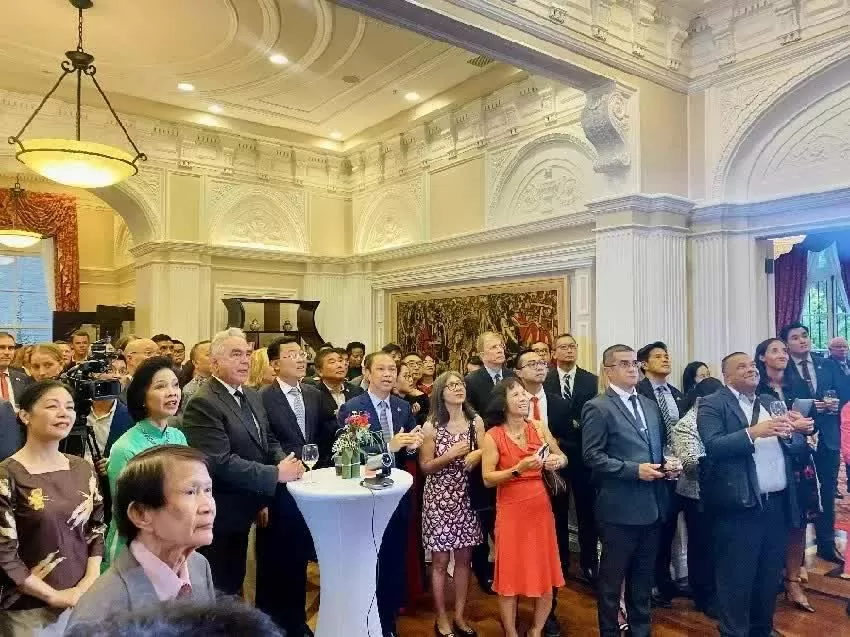 |
| Guests attending the celebration of the 79th National Day of Vietnam, hosted by the Embassy of Vietnam in the United States on September 5, 2024. (Source: Embassy of Vietnam in the United States) |
Amid current regional and global shifts, which areas of cooperation between Vietnam and the United States are expected to advance most strongly in the near future?
As the global economy restructures supply chains and accelerates digital transformation, economic–trade–investment cooperation will remain the cornerstone of bilateral ties. Vietnam is emerging as a flexible manufacturing hub, while the United States holds high technology and seeks to diversify supply chains. This complementarity presents opportunities to expand cooperation in semiconductors, artificial intelligence, smart agriculture, and green manufacturing.
Education and training is another promising area. With over 30,000 Vietnamese students studying in the United States—the highest number from Southeast Asia—the two countries are nurturing a new generation of bridge-builders who can elevate cooperation in science–technology, governance, and innovation to new heights.
In defense and security, the two sides could broaden collaboration in U.N. peacekeeping, maritime security, and disaster response. War consequence settlement and people-to-people ties remain fundamental to building trust and fostering mutual understanding. These areas fall within the ten pillars of cooperation agreed upon by the two countries’ leaders when relations were elevated to a Comprehensive Strategic Partnership in September 2023.
What are your expectations for the future of Vietnam–United States relations?
Vietnam hopes the relationship with the United States will continue to grow strongly, substantively, and in a balanced manner, based on mutual respect and oriented toward the interests of both peoples.
Building on the foundation already laid, I hope cooperation with the United States in emerging technologies, innovation, climate change response, healthcare, and education will be elevated—contributing to the creation of more resilient and sustainable value chains in the face of global shocks. At the same time, Vietnam aims to deepen coordination in regional and international forums, thereby contributing positively to peace, stability, and sustainable development.
The message to American friends on the occasion of the 30th anniversary of normalization can be summed up in one commitment: Vietnam always values the Comprehensive Strategic Partnership and is ready to work with the United States to put the past aside, overcome differences, and promote similarities toward a prosperous and long-term future for both nations.
On that journey, Vietnam affirms itself as a reliable, active, and responsible partner—ready to join hands with the United States to tackle shared challenges of our time, from climate change and pandemics to maintaining a rules-based international order.
The past 30 years have shown that the Vietnam–United States relationship can transform deep differences into drivers of substantive cooperation when both sides share core values and put the interests of their people first. With political will, mutual respect, concrete humanitarian actions, and long-term economic–technological vision, the two countries are writing a new chapter—one of reconciliation, peacebuilding, and sustainable development.
The road ahead promises many new milestones if both nations continue to foster trust, empower individuals on both sides, and turn shared aspirations into tangible projects, programs, and initiatives for the region and the world.
Thank you very much, Ambassador!


