




Tra Su: More than just shades of green
When mentioning the Tra Su Cajuput Forest, they often imagine an endless emerald-green carpet floating across the water’s surface. Beyond being a vibrant check-in destination, however, this forest also preserves remarkable memories of ecological restoration and layers of cultural identity deeply rooted in An Giang. Beneath its lush greenery lies a story of resilience, respect for nature, and the enduring aspiration to protect the ecological lifeline of Vietnam’s Mekong Delta.
Latest
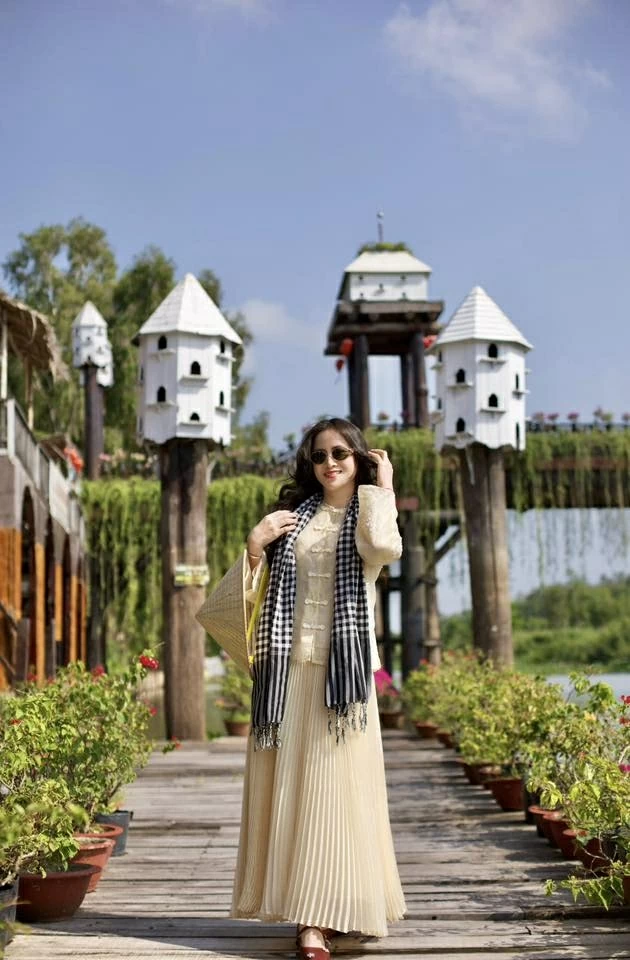 |
| Experience it once to truly understand and love it. (Photo: Lu Vu) |
Revival from Acidic Wetlands
Few people know that before becoming the “green jewel” of the Bay Nui (Seven Mountains) region, Tra Su was once a barren area heavily affected by acid sulfate soil. Its transformation began in 1983, when the first cajuput saplings were planted across the harsh wetlands. From that moment on, a new ecological symbol emerged, proving that with determination, people can restore nature rather than destroy it.
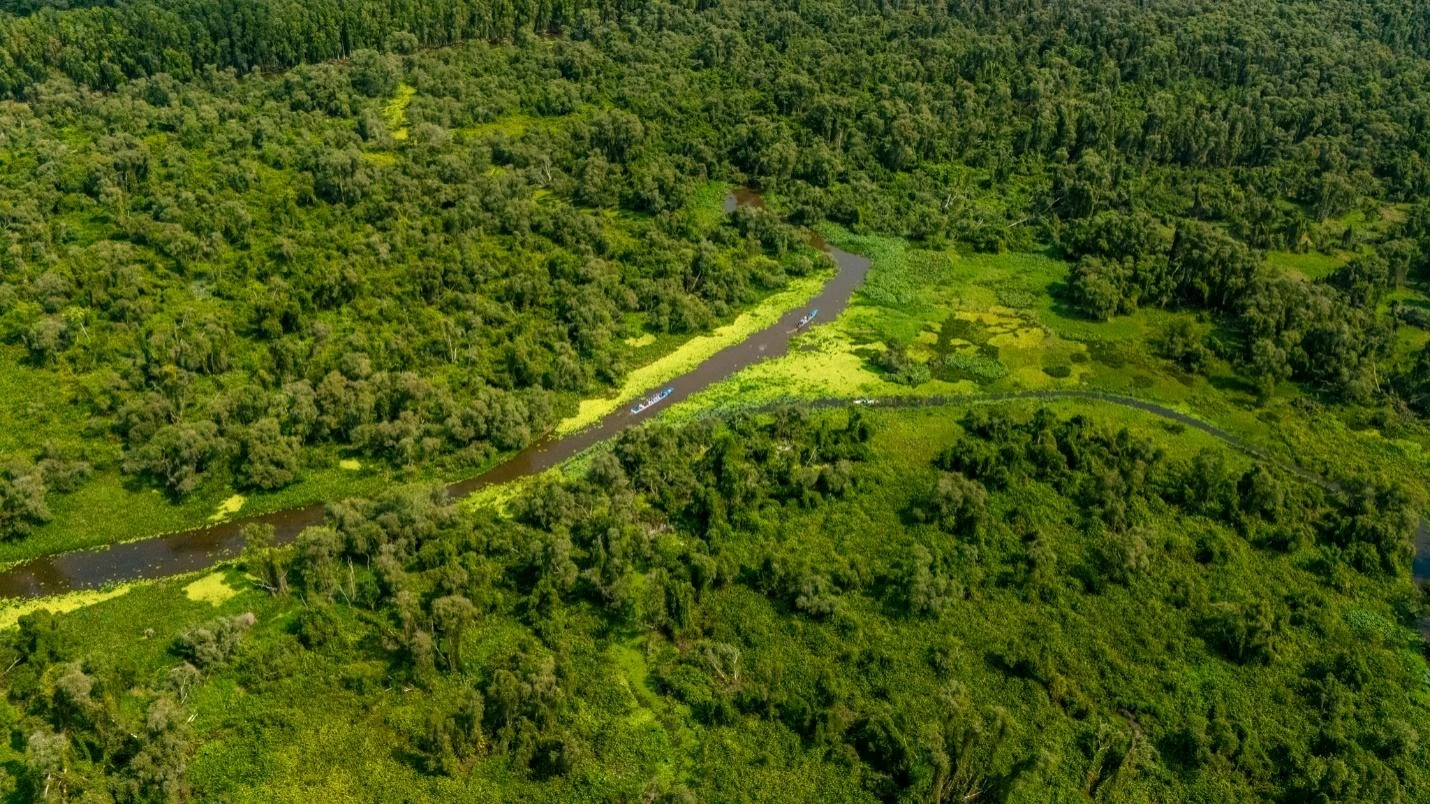 |
| Sunlight filtering through layers of cajuput trees reflects gently on the duckweed-covered water, creating a mesmerising natural spectacle. |
Covering 845 hectares, Tra Su has experienced a remarkable ecological revival. The numbers themselves speak volumes: from desolate wetlands, it has grown into a shared habitat for 140 plant species and around 70 species of birds and storks, including rare species such as the Indian adjutant stork and lesser whistling duck. This biodiversity carries not only scientific value but also symbolises the harmony between human perseverance and the generosity of nature.
Cultural Echoes in the Sound of Oars
The beauty of Tra Su is not limited to what visitors see; it is equally found in what they hear and feel. Sitting on a traditional three-plank sampan, an iconic symbol of the Mekong Delta’s pioneering culture, visitors can truly sense the rhythm of this land. The gentle sound of oars cutting through the duckweed, birds calling across the canopy, and the rustic stories shared by local boat rowers about the region’s frontier history all create a vivid learning experience beyond textbooks.
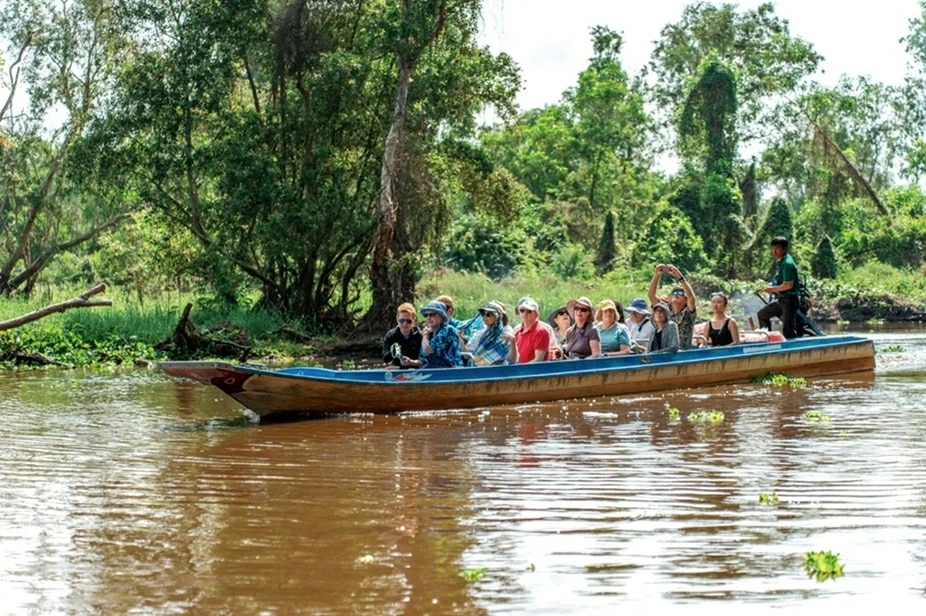 |
| A traditional sampan glides quietly through the cajuput forest, bridging people with the spirit of the southern wilderness. |
Architecture Rooted in Sustainability
Another highlight that blends modernity with local identity is the famous “Bamboo Bridge of Ten Thousand Steps” (Van Buoc). Stretching nearly 10km, the bridge is constructed from hundreds of thousands of Vietnamese bamboo poles. What makes it remarkable is how seamlessly it integrates into the environment: winding gracefully beneath ancient cajuput trees, allowing visitors to venture deep into the forest without harming its fragile ecosystem.
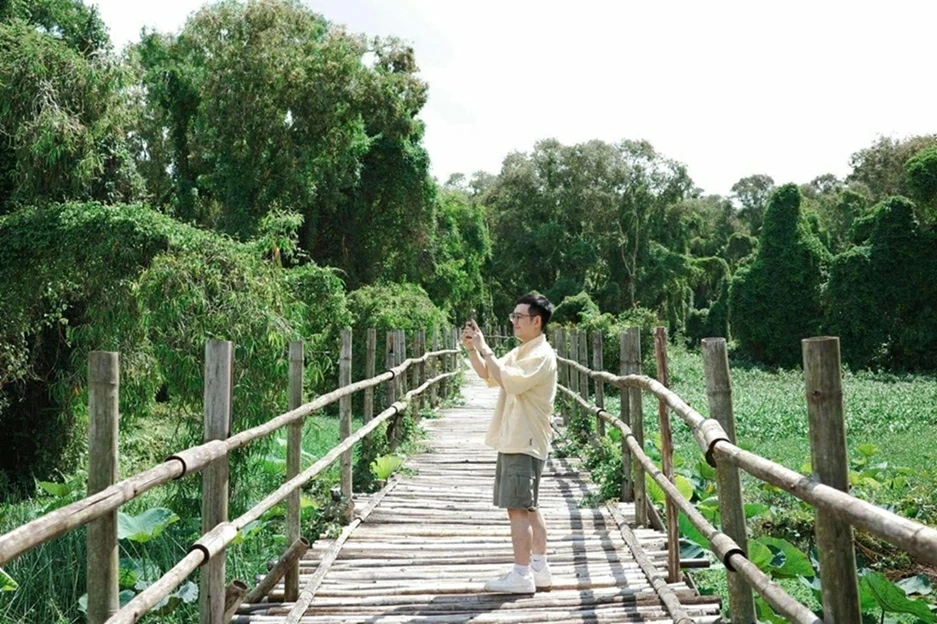 |
| The Bamboo Bridge of Ten Thousand Steps - a subtle yet iconic landmark. (Photo: Son Đoan) |
This reflects the sustainable development philosophy pursued by the management board: using the purest materials from nature to honour nature itself. Visiting Tra Su is not merely about sightseeing; it is about learning to appreciate the essential values that are gradually fading amid industrialised modern life.
Here, nature does not stand apart from human life; it intertwines with it. Tra Su resembles an open-air museum preserving the authentic spirit of the Mekong Delta people: from the way they once depended on the forest for survival to the way they now protect it as part of their own existence. Its beauty is both proud and humble, much like the enduring character of the southern people.
Tra Su is more than just a forest; it is a “green journey” connecting a wild past with a sustainable future. Immersing oneself in its endless shades of green offers not only tranquillity but also a deeper appreciation for the meaningful human stories quietly unfolding beneath the cajuput canopy.
Contact InformationTra Su Cajuput Forest Tourist Area Address: Van Tra Hamlet, An Cu Commune, An Giang Province, Vietnam Facebook: Tra Su Cajuput Forest Fanpage Phone: 02966 512 299 Email: [email protected] |

| Tra Su Melaleuca Forest - The "favorite" destination of international visitors Vietnam is always an ideal destination for international tourists, not only because of its rich culinary culture but also because of its diverse terrain and ... |

| Product Specialization - Key to tourism development The Covid-19 pandemic has changed people's lives, including travel behavior. The number of historical and natural heritage sites can not meet tourists' increasing needs. Tourist ... |

| Tra Su Melaleuca Forest: Where love and mystery blend I deeply remember the first time entering the Tra Su Melaleuca forest. It was an early summer day, the sun shimmering on the rows of ... |
| The captivating beauty of the green paradise 'the 7th art zone' WVR - Those who have been to Tra Su Melaleuca Forest even once cannot resist the wonderful and lively space of the special-use forest. |

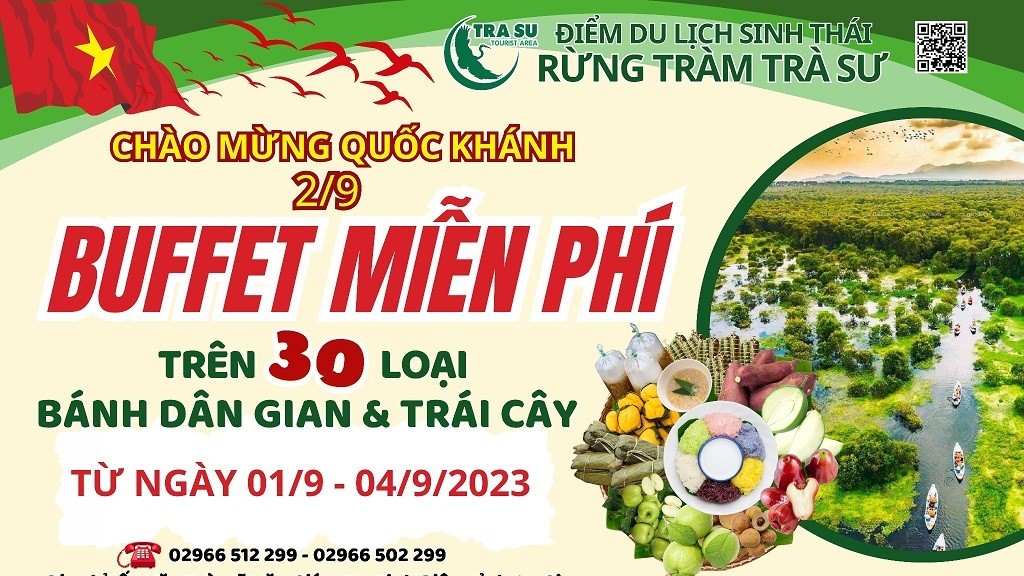
| Celebrating National Day - Satisfied Buffet Tra Su Melaleuca forest This year's National Day holiday is one of the most anticipated long holidays. Indeed, this will be an ideal time for fun, organizing short, relaxing ... |