




Sharing green growth lessons, Poland hopes to expand cooperation with Vietnam
WVR - On the morning of June 18, in Hanoi, the Embassy of Poland in Vietnam, in collaboration with the Institute for European and American Studies (Vietnam Academy of Social Sciences), organized an international seminar titled “Leading Green Growth: Lessons from Poland’s Economic Transformation Towards a Circular and Sustainable Economy.”
Latest
The event was attended by Ambassador Vu Quang Minh, former Deputy Minister of Foreign Affairs; Ms. Joanna Skoczek, Head of the Polish Delegation in Vietnam; Assoc. Prof. Dr. Nguyen Chien Thang, Director of the Institute for European and American Studies (IEAS); Prof. Marcin Piątkowski, Economics Professor at Kozminski University; Dr. Bui Viet Hung, Senior Researcher at IEAS; along with representatives from the Polish Ministry of Climate and Environment, the European Union (EU) Delegation in Vietnam, and experts, researchers, and businesses from Europe, the Republic of Korea, and Central and Eastern Europe in Vietnam.
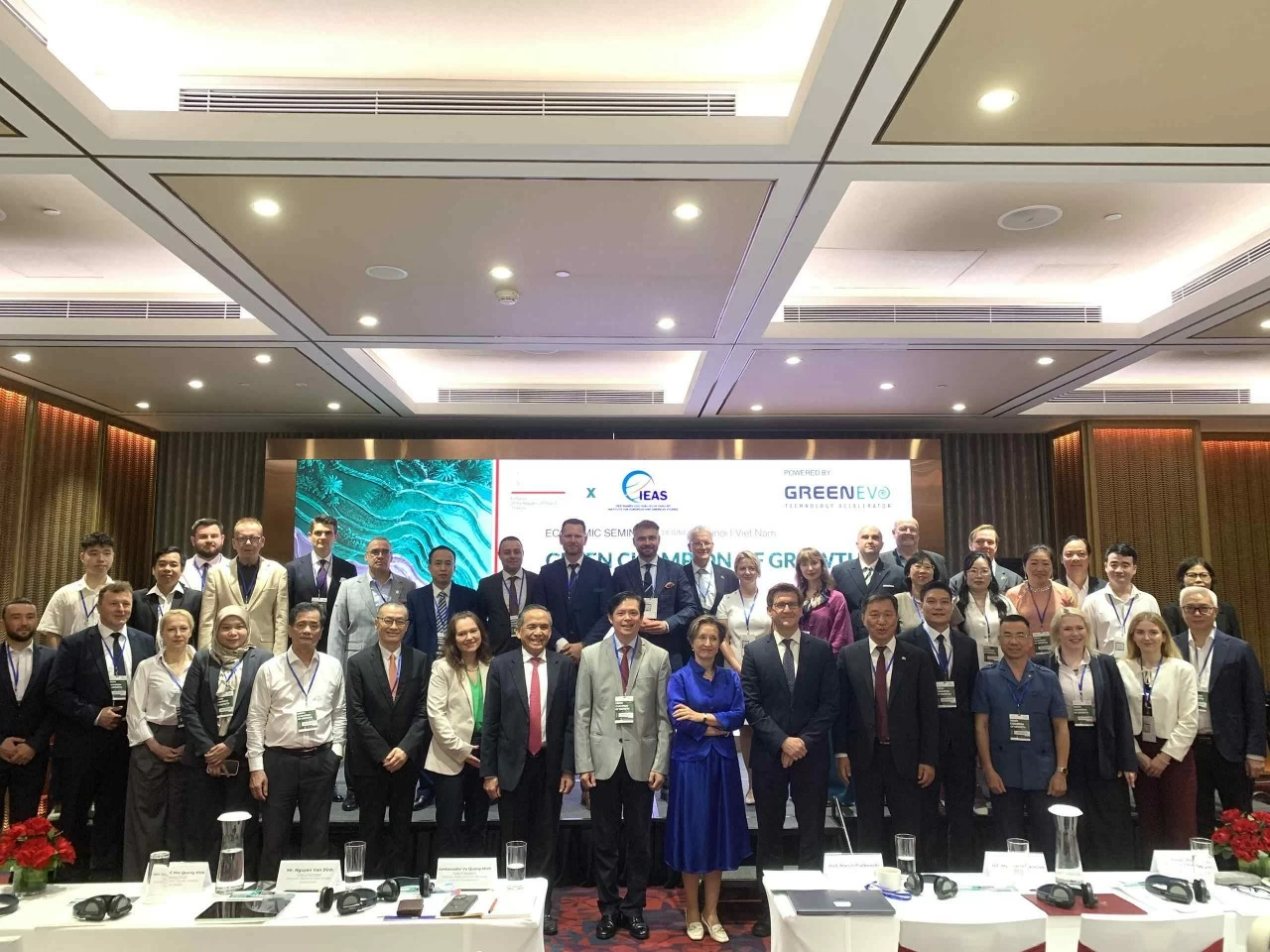 |
| The international seminar shared Poland's economic transformation experiences, expanding Vietnam-Poland cooperation opportunities in green growth. (Photo: Doan Ngan) |
Expanding cooperation opportunities between Vietnam and Poland
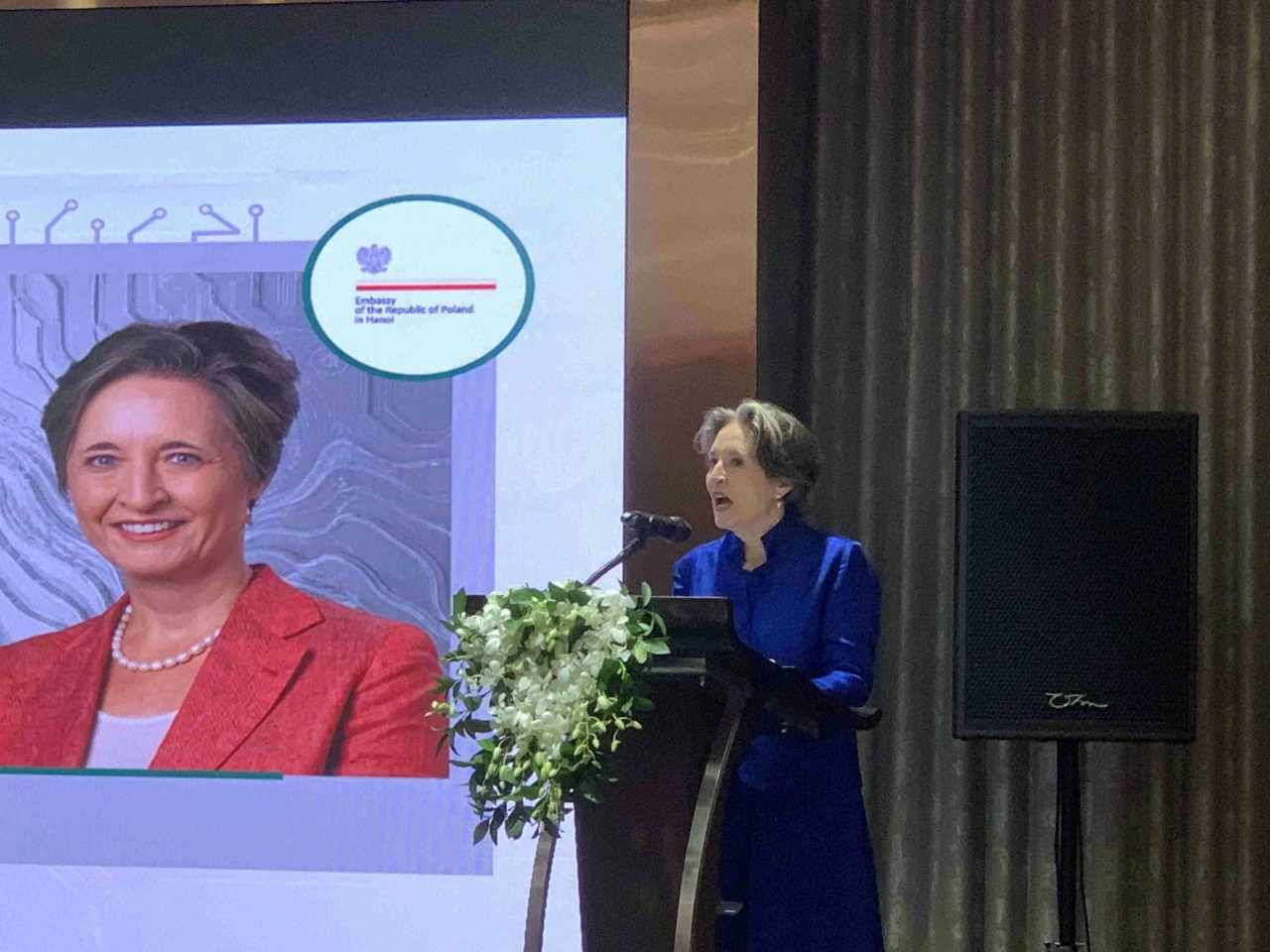 |
| In her opening remarks, Head of the Polish Delegation in Vietnam Joanna Skoczek emphasized the potential for cooperation between Vietnam and Poland in green growth. (Photo: Doan Ngan) |
In her opening remarks, Head of the Polish Delegation in Vietnam Joanna Skoczek recalled the traditional friendship between Vietnam and Poland, which has been nurtured over generations, forming a solid foundation for cooperation in various fields from politics and economy to education, culture, and people-to-people exchanges.
According to her, in the context of profound global technological, geopolitical, and economic changes, Vietnam and Poland have many conditions to enhance substantive cooperation, especially in innovation, digital transformation, education, scientific research, and the development of high-quality human resources.
“We believe that Poland’s transformation journey can offer valuable lessons for Vietnam in pursuing ambitious goals of growth, technological development, and improving the quality of life for its people,” the Head of the Delegation emphasized.
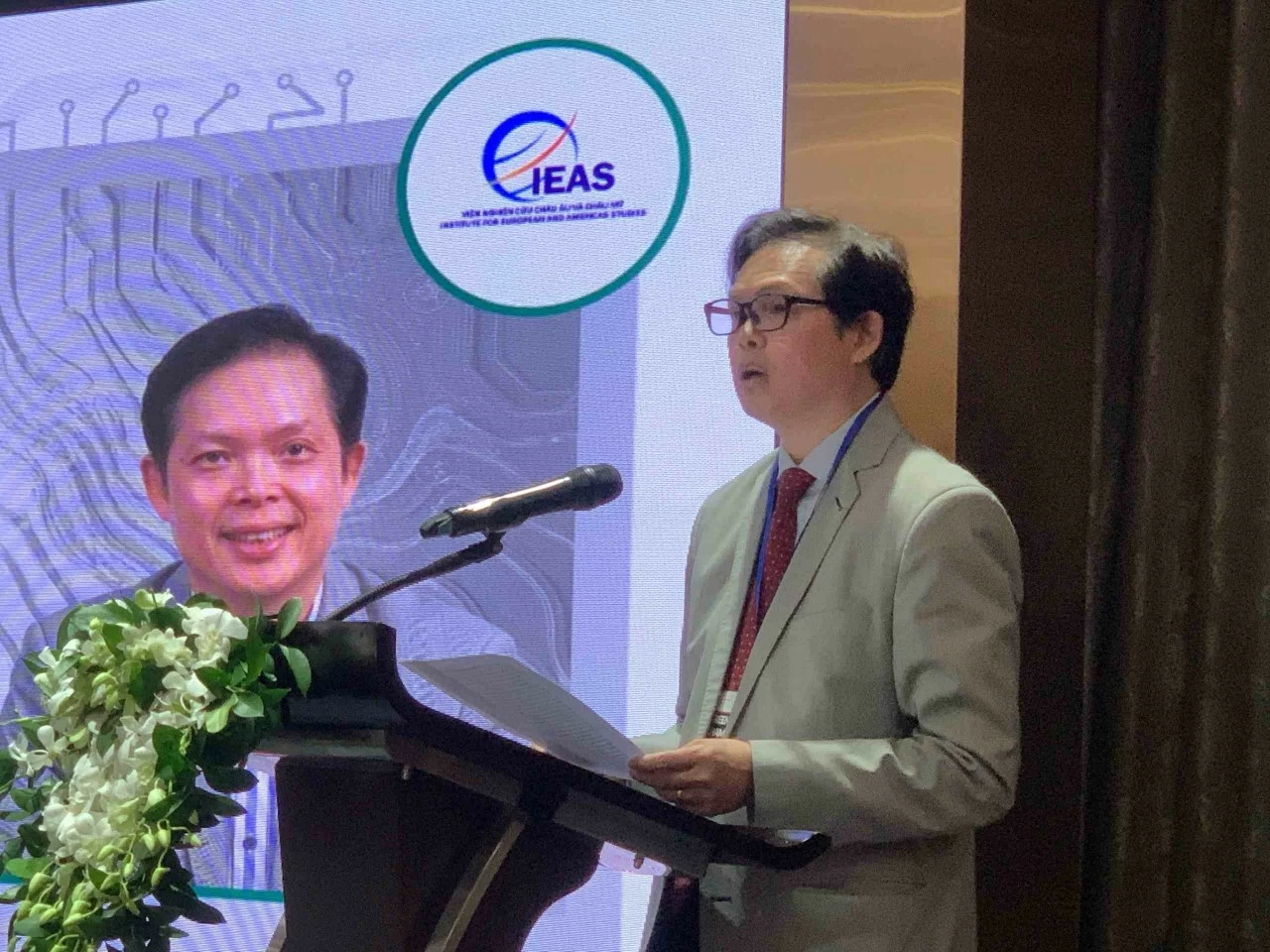 |
| Assoc. Prof. Dr. Nguyen Chien Thang emphasized the reference value of Poland's economic transformation experience for Vietnam. (Photo: Doan Ngan) |
Sharing more about the significance of the seminar, Assoc. Prof. Dr. Nguyen Chien Thang, Director of IEAS, stated that Poland’s economic transformation is a typical case study of reform and development in the modern era.
He emphasized that studying Poland’s experience not only enhances mutual understanding between the two countries but also provides useful insights for Vietnam in institutional improvement, promoting innovation, and realizing long-term development goals.
According to the Director of IEAS, Poland’s experience offers many reference values for developing countries, particularly in institutional reform, market economy development, international integration, enhancing innovation capacity, and building a resilient economy against global fluctuations.
Assoc. Prof. Dr. Nguyen Chien Thang expressed hope that the seminar would contribute to promoting academic exchanges, strengthening research cooperation between Vietnam and Poland, and providing additional useful perspectives for Vietnam’s policy-making process in the new phase.
The journey of "Breakthrough" through economic reform
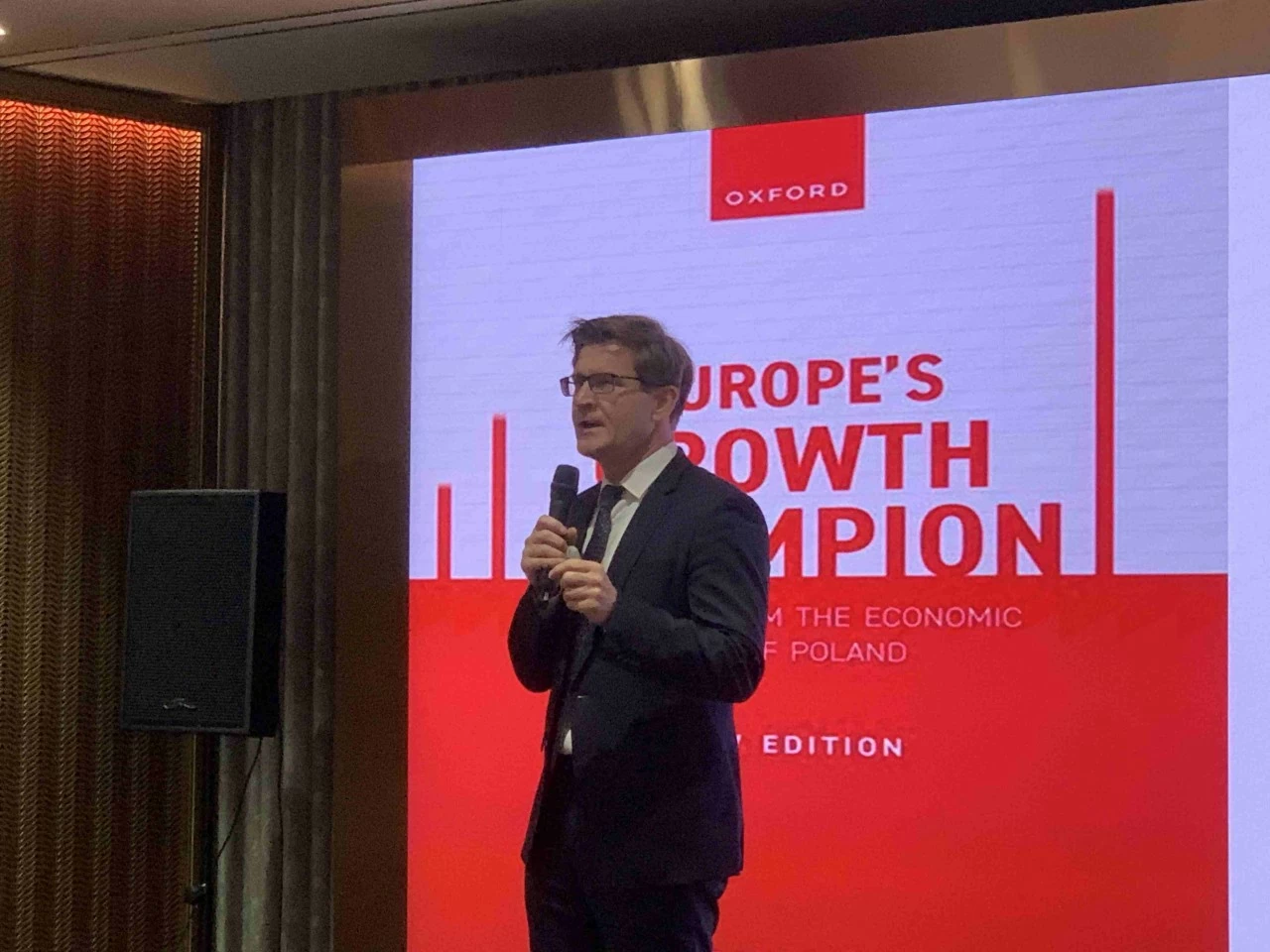 |
| Economics Professor at Kozminski University Marcin Piątkowski presented a paper on Poland's economic transformation process. (Photo: Doan Ngan) |
Opening the thematic discussion, Economics Professor at Kozminski University Marcin Piątkowski presented an overview of Poland’s economic transformation, from the post-1989 reform period to its current outstanding growth achievements.
The professor noted that Poland’s starting point before 1989 was not favorable, as the country faced the limitations of a centrally planned economic model, low productivity, and development prospects not highly regarded by international experts. Some opinions at the time even suggested that Poland “could not succeed.”
However, through a series of institutional reforms, promoting the private sector, and enhancing human development, Poland made a strong transition. Today, this Central European nation has become the fifth-largest economy in the EU and a significant contributor to the region’s prosperity, strength, and stability.
Particularly, the expert emphasized the importance of inclusive growth in the development process. He also stated that ensuring the majority of people benefit from development achievements is a factor that helps the country maintain social consensus and sustainable growth. “Economic growth is not an end in itself. Growth exists to make people happier,” Piątkowski said.
Amid increasing global challenges, drawing from his homeland’s story, he proposed a development model based on "5I": institutions, investment, innovation, immigration, and inclusive growth. According to Prof. Piątkowski, these are the factors that will determine the competitiveness of nations in the next development phase.
Prof. Piątkowski encouraged Vietnam for its impressive achievements in attracting foreign investment, international economic integration, and maintaining high growth rates for many consecutive years. The Polish expert also expressed hope that with appropriate reforms and the ability to learn from international experiences, Vietnam can overcome the “middle-income trap” to become a developed nation in the future.
Vietnam promotes development priorities in the new era
Besides Poland’s economic transformation story, the speakers also spent considerable time discussing Vietnam’s development directions in the context of profound global economic changes driven by digital transformation, green transition, and technological competition.
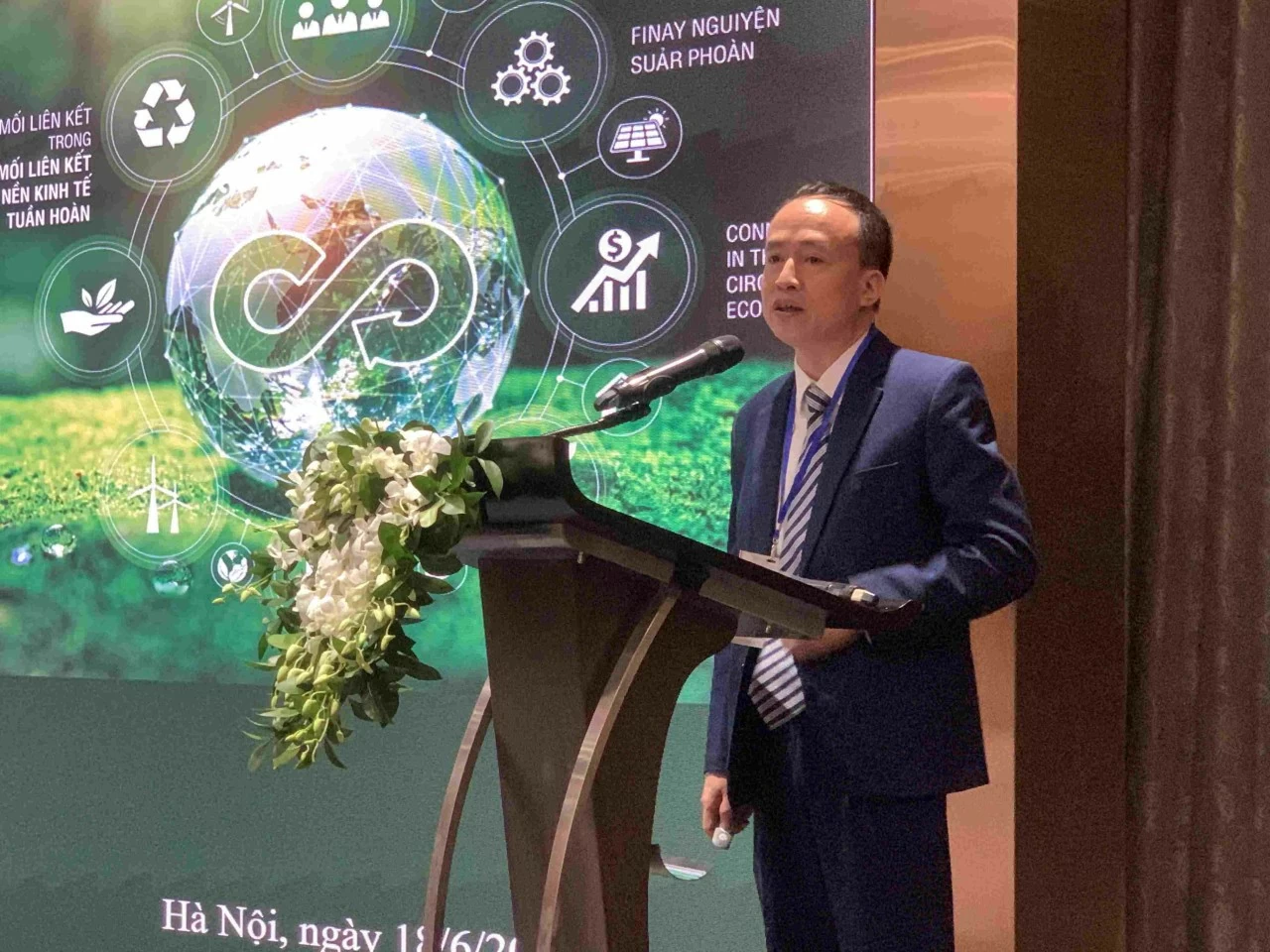 |
| Dr. Bui Viet Hung, Senior Researcher at IEAS, presented Vietnam's development priorities in the new phase. (Photo: Doan Ngan) |
Representing Vietnam, Dr. Bui Viet Hung, Senior Researcher at IEAS, introduced Vietnam’s strategic priorities in the new development phase.
According to him, Vietnam is aiming for rapid and sustainable growth based on science and technology, innovation, and digital transformation, considering these as key drivers to enhance labor productivity, national competitiveness, and growth quality.
The doctor stated that Vietnam is implementing major policies to promote green economy development, circular economy, accelerate energy transition, and fulfill commitments on net-zero emissions.
Alongside these are policies to develop high-quality human resources, enhance domestic science and technology capacity, increase economic autonomy, and build more resilient supply chains against global fluctuations.
In the context of an increasingly complex and unpredictable international environment, Vietnam remains steadfast in building an independent, self-reliant economy linked with deep international integration, while proactively leveraging opportunities from new-generation free trade agreements, the Fourth Industrial Revolution, and global investment shifts.
The senior researcher also assessed that Vietnam is emerging as one of the dynamic production and investment centers in the Asia-Pacific region.
With certain similarities in the process of transformation and international economic integration, Poland’s experience is seen as a useful reference for Vietnam, especially in institutional reform, private sector development, attracting high-quality investment, innovation, and promoting inclusive growth.
Through dialogue and experience-sharing activities like this event, experts hope to further expand cooperation opportunities, contributing to the sustainable development goals of both Vietnam and Poland in the coming years.
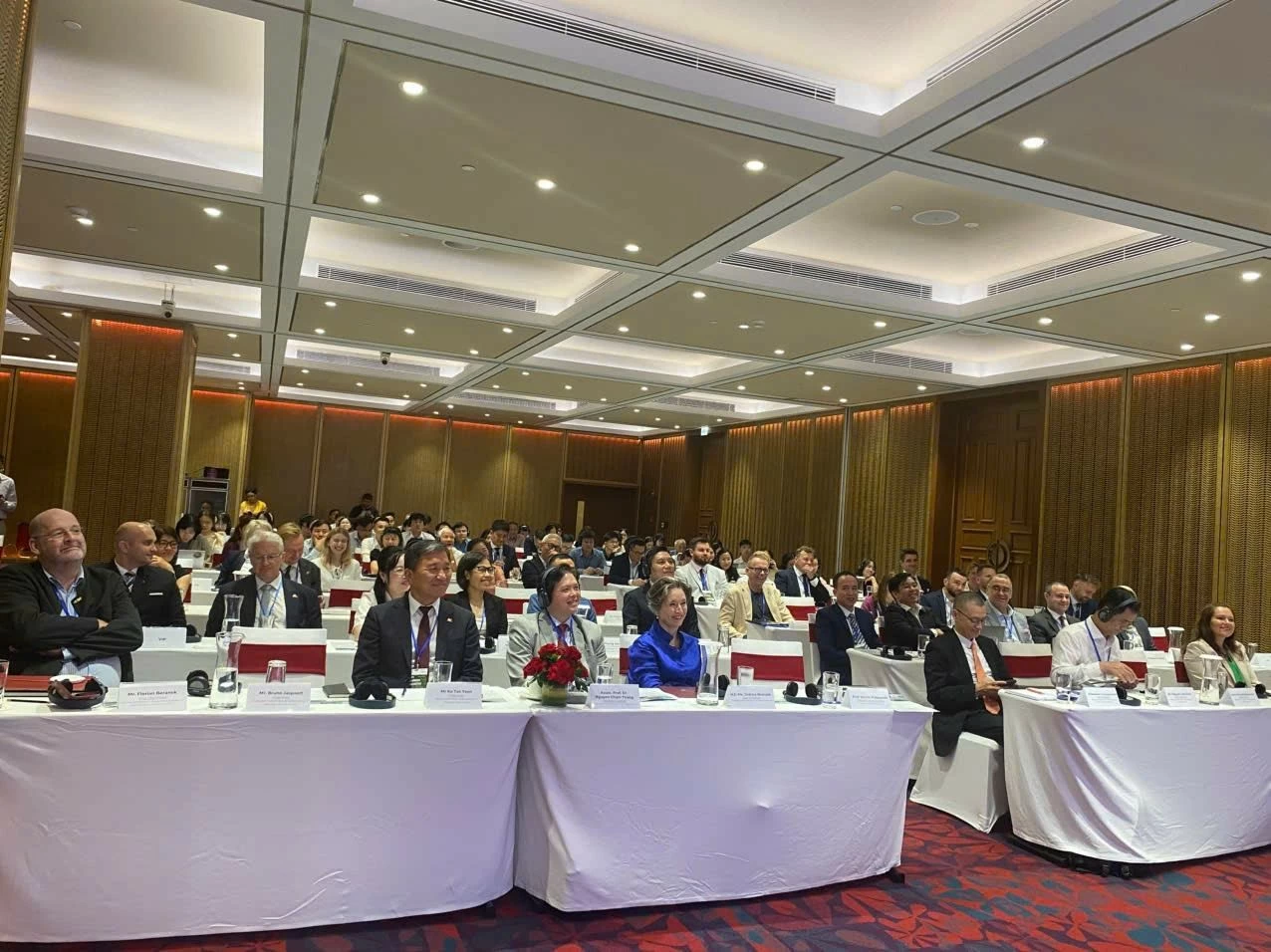 |
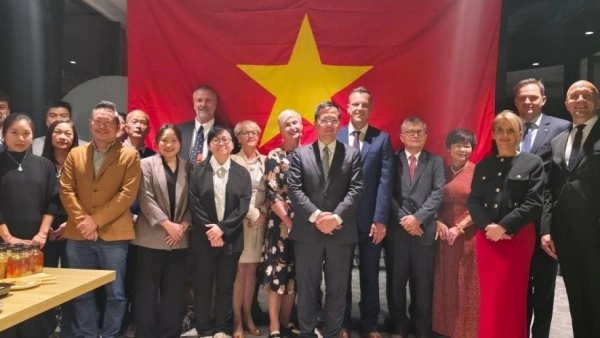
| The seminar attracted the participation of experts, researchers, businesses, and representatives from agencies and organizations of Vietnam and Poland. (Source: Institute for European and American Studies) |
Through the seminar, the speakers expressed confidence that Vietnam-Poland relations will continue to develop strongly in the future based on political trust, common interests, and mutual understanding between the peoples of the two countries.
Particularly, within the framework of the seminar, delegates were introduced to the GreenEvo - Green Technology Accelerator Program, a notable Polish initiative to support the development, commercialization, and internationalization of advanced environmental technologies.
The program focuses on areas such as water and wastewater treatment, waste management and recycling, renewable energy, energy saving, environmental technology, and solutions serving the circular economy and carbon emission reduction.
The seminar contributed to enhancing mutual understanding, promoting research cooperation, exchanging experiences, and expanding cooperation opportunities between Vietnam and Poland in green growth, circular economy, and sustainable development, thereby positively contributing to the realization of each nation’s sustainable development goals.