



ASEAN-EU Cooperation: A new driver for trade, investment and green growth
As ASEAN and the European Union continue to deepen their Strategic Partnership, EU Ambassador to ASEAN Sujiro Seam shared with The World and Vietnam Report his views on ASEAN’s role in today’s evolving international landscape, the prospects for ASEAN-EU economic cooperation, and priority areas for collaboration in the green transition.
Latest
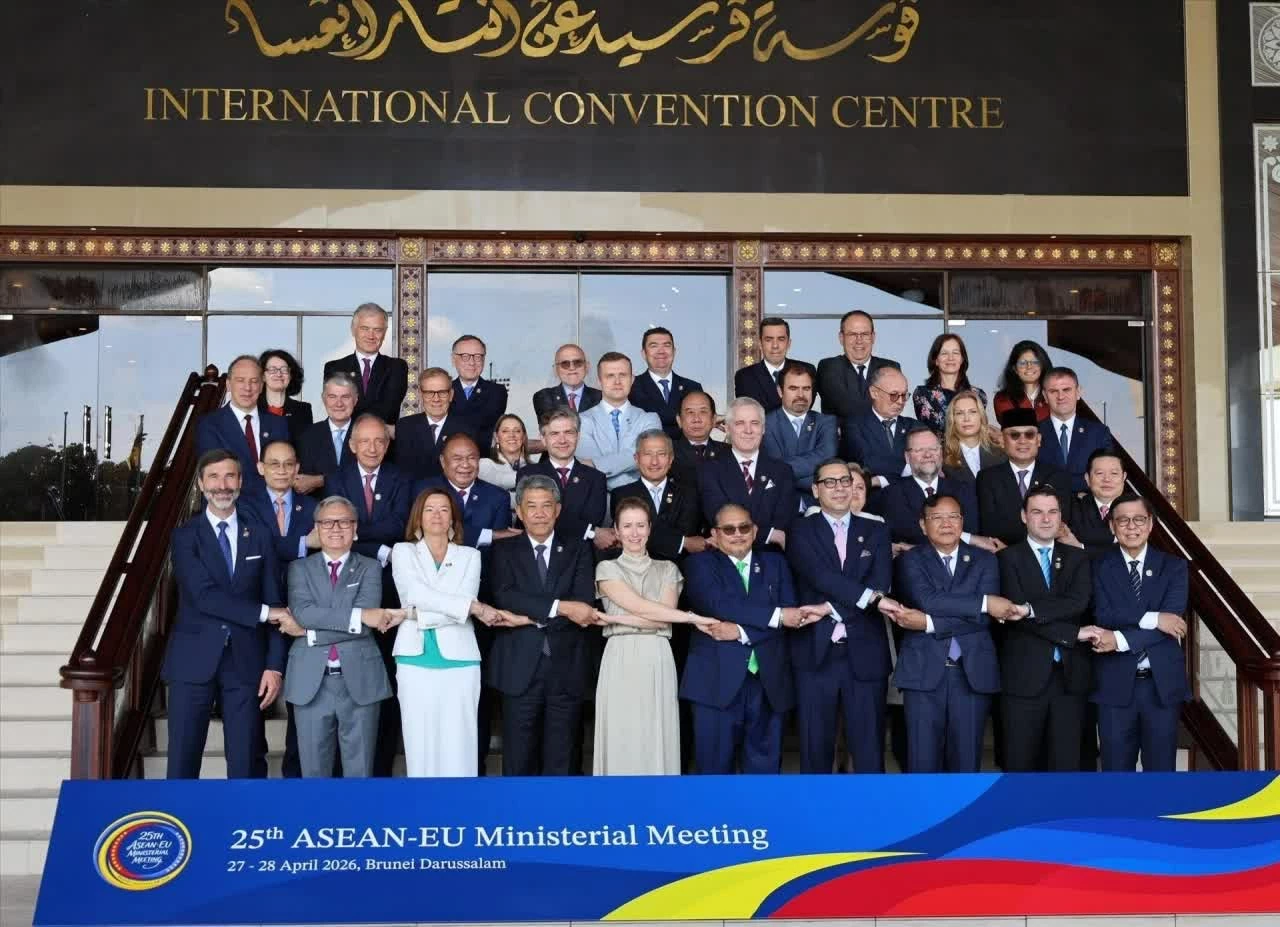 |
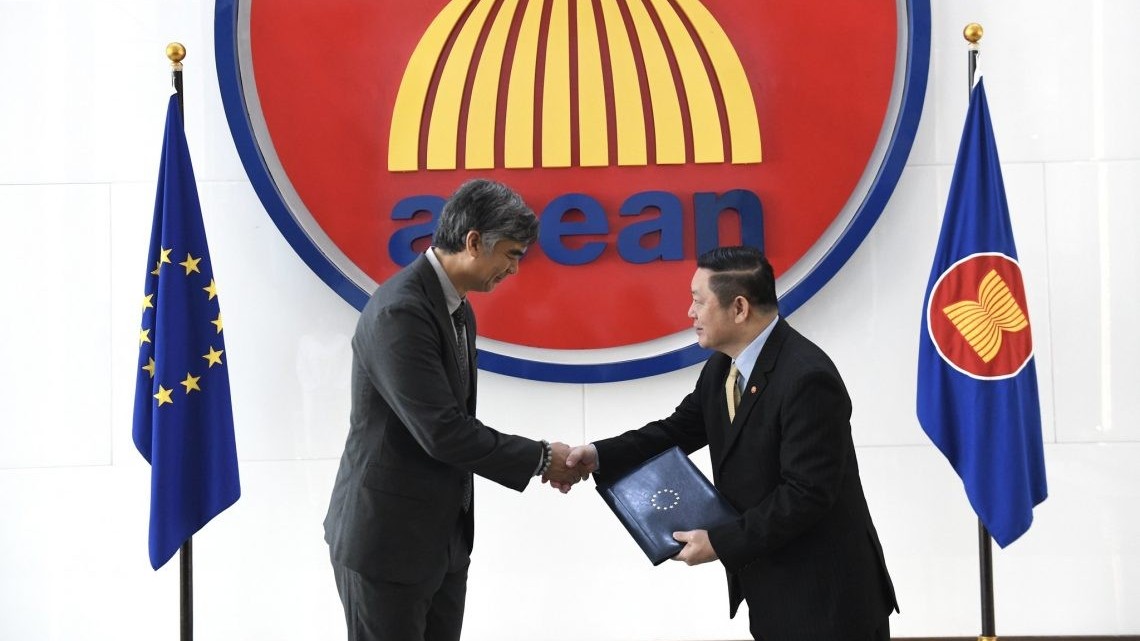
| The 25th ASEAN-EU Foreign Ministers' Meeting in Brunei, April 2026. (Photo: TTXVN) |
How do you assess the role of ASEAN and ASEAN-EU cooperation in promoting peace and regional stability amid today’s increasingly complex international environment?
Speaking at the ASEAN Summit in Kuala Lumpur on October 26, 2025, as a guest of the ASEAN Chair, President of the European Council Antonio Costa emphasized that, amid rapidly evolving global geopolitical dynamics, the European Union remains a reliable, stable and predictable partner. He also stressed that the world is moving toward a multipolar order, which requires corresponding forms of multipolar cooperation.
At a time when the world faces growing uncertainties and multilateralism along with international cooperation mechanisms are under significant pressure, ASEAN-EU relations continue to play an important role in promoting peace and stability at both regional and global levels. In particular, ASEAN and the EU are widely regarded as two of the most successful regional integration models in the world.
Both ASEAN and the EU were founded on shared goals of peace and prosperity. They also embrace the common belief that cooperation and integration enable member states to achieve more collectively than they could individually.
At the ASEAN-EU Ministerial Meeting held in Brunei on April 28, 2026, foreign ministers from both sides reaffirmed their commitment to multilateralism, international law and the rules-based international order. They also adopted a Joint Statement highlighting key regional and international issues of concern to the global community.
The two sides further reaffirmed ASEAN Centrality in the regional architecture and expressed support for ASEAN-led mechanisms and platforms. These include the Five-Point Consensus on Myanmar, the ASEAN Outlook on the Indo-Pacific (AOIP), the Treaty of Amity and Cooperation in Southeast Asia (TAC), and the ASEAN Regional Forum (ARF), all of which are considered important foundations for maintaining dialogue, cooperation and stability in the region.
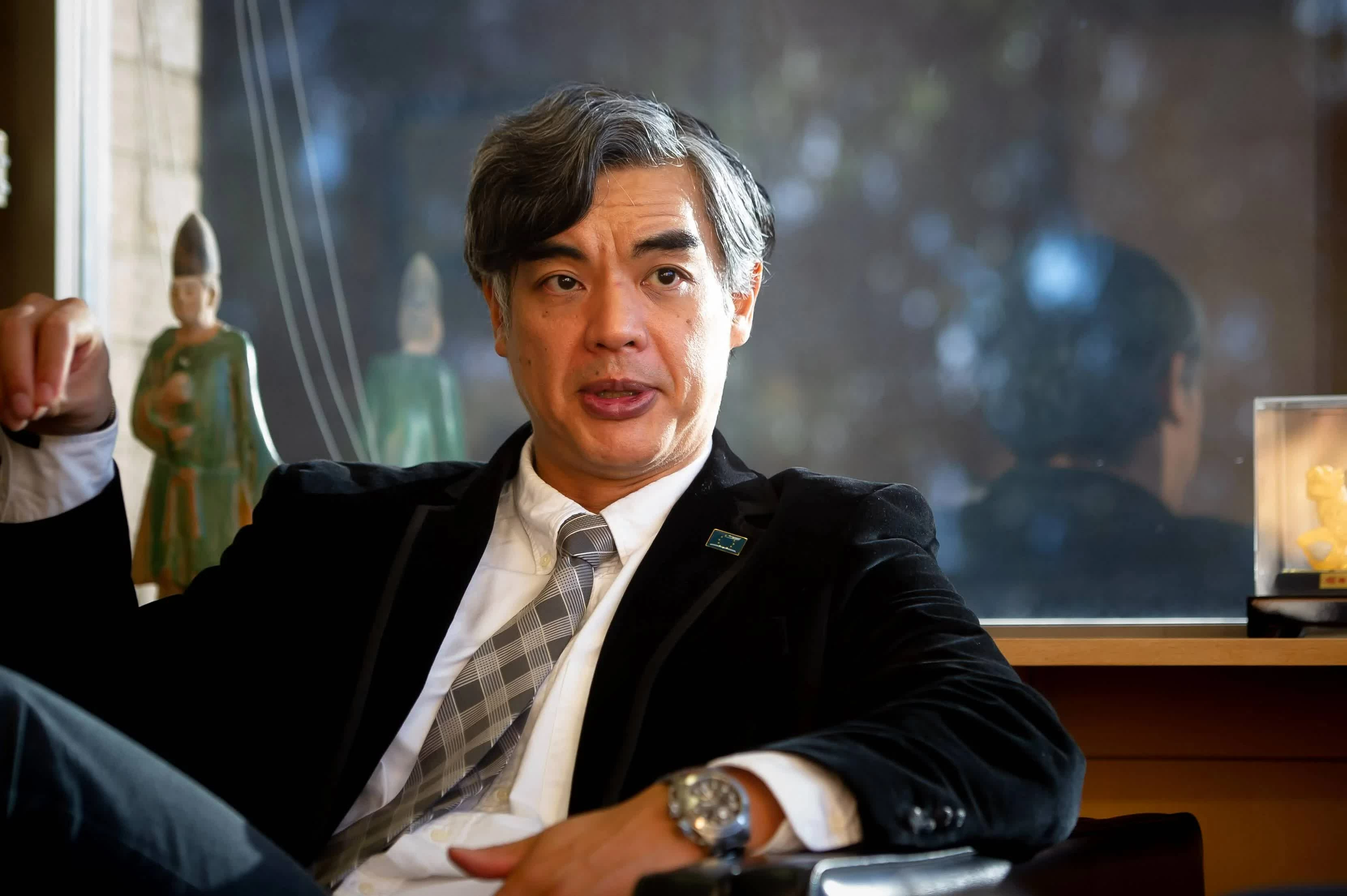 |
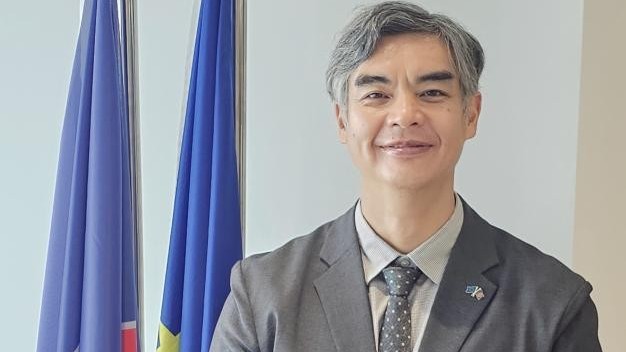
| EU Ambassador to ASEAN Sujiro Seam. (Photo: The Canberra Times) |
How do you view the prospects for ASEAN-EU economic cooperation, particularly through the network of free trade agreements (FTAs) between the EU and ASEAN member states?
Regarding ASEAN-EU economic cooperation, the roadmap agreed upon by both sides in the Joint Leaders’ Statement issued at the ASEAN-EU Commemorative Summit marking 45 years of relations on December 14, 2022, continues to serve as a guiding framework for cooperation.
The long-term objective of ASEAN and the EU is to establish a region-to-region Free Trade Agreement. At present, bilateral FTAs between the EU and ASEAN member states are regarded as building blocks that will gradually pave the way toward achieving this goal.
At the same time, both sides have agreed to expand cooperation in emerging priority areas, including the digital economy, technology and green services, while strengthening resilient supply chains and value chains amid global economic uncertainties.
To date, the EU has signed FTAs with Singapore in 2019 and Vietnam in 2020. It also concluded negotiations on a Comprehensive Economic Partnership Agreement with Indonesia in 2025.
During consultations between ASEAN Economic Ministers and European Commissioner for Trade Maroš Šefčovič on September 25, 2025, the Commissioner expressed hope that ongoing trade negotiations with Thailand, the Philippines and Malaysia could be completed before 2027, when ASEAN and the EU will celebrate the 50th anniversary of their dialogue relations.
In practice, ASEAN-EU economic cooperation has shown encouraging momentum. Bilateral trade continues to expand, while the overall investment and business environment remains favorable.
ASEAN continues to strengthen its position as one of the world’s most dynamic and attractive growth regions for European companies seeking market expansion, investment opportunities and supply chain diversification.
Bilateral FTAs have already produced tangible results. For example, trade between Vietnam and the EU has increased by approximately 40 percent since the EU-Vietnam Free Trade Agreement (EVFTA) entered into force.
ASEAN is currently the EU’s third-largest trading partner outside Europe, behind only China and the United States. Total merchandise trade between the two sides reached 274.9 billion Euros in 2025, while bilateral trade in services amounted to 139.2 billion Euros in 2024.
Investment flows between the two regions have also maintained strong growth. The EU remains among the largest sources of foreign direct investment in ASEAN and continues to be an important destination for investment originating from ASEAN economies.
As ASEAN accelerates its green transition agenda, could you share the EU’s experience and the prospects for cooperation in this field?
ASEAN and the EU achieved an important milestone in environmental and climate cooperation with the first ASEAN-EU Ministerial Dialogue on Environment and Climate, held in Langkawi, Malaysia, on September 4, 2025, under Malaysia’s ASEAN Chairmanship.
Upgrading the existing high-level dialogue mechanism to the ministerial level reflects the growing ambition of both sides and demonstrates the increasing maturity and substance of the ASEAN-EU Strategic Partnership. It also provided an opportunity to identify shared priorities, including carbon pricing, biodiversity conservation and the circular economy.
As part of the Ministerial Dialogue, ASEAN and the EU organized a side event on carbon pricing to exchange experiences, promote policy dialogue and enhance mutual understanding in this area.
| More from WVR |
 25th ASEAN-EU Ministerial Meeting convenes in Brunei Darussalam 25th ASEAN-EU Ministerial Meeting convenes in Brunei Darussalam |
In addition, two biodiversity conservation projects were launched with the participation of the Asian Development Bank (ADB) and the ASEAN Centre for Biodiversity. The European Union committed a total of 30 million Euros to support these initiatives in ASEAN.
Both sides also agreed to continue supporting the ASEAN Circular Economy Forum through cooperation with the ASEAN Centre for Sustainable Development Studies and Dialogue, helping promote sustainable growth models and more efficient resource use across the region.
Beyond policy dialogue mechanisms, the EU is actively supporting ASEAN’s green transition through Team Europe initiatives under the Global Gateway strategy. This mechanism mobilizes resources from the EU, its member states and European financial institutions to promote sustainable development in partner countries.
One notable example is the Green Team Europe initiative, which is currently mobilizing 30 million Euros to support ASEAN’s green transition. These resources may help fund the ASEAN Centre of Excellence for Micro, Small and Medium Enterprises in Green Transition, announced during Malaysia’s ASEAN Chairmanship in 2025.
Under the Global Gateway strategy, Team Europe also pledged 10 billion Euros at the ASEAN-EU Commemorative Summit marking 45 years of relations on December 14, 2022. The funding is intended to support investments in transport infrastructure, energy, digital transformation, healthcare, education and research across ASEAN.
In Vietnam, Global Gateway is supporting the implementation of the Just Energy Transition Partnership (JETP) as well as a number of green energy projects in Bac Ai, Tra Vinh and Tri An.
At the regional level, the ASEAN Power Grid has been identified as one of Global Gateway’s top priorities. The initiative is expected to strengthen regional energy connectivity, enhance energy security and support ASEAN’s green transition objectives in the years ahead.
| 'A strong sense of self-confidence on the faces of Vietnamese people gives me confidence in Vietnam’s future': President of Lithuania WVR - "I have only been in Vietnam for about 10 or 12 hours, but I already feel how warm and hospitable your people are ... |
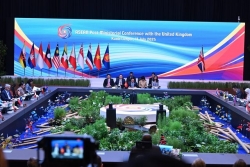
| Deputy PM, FM Bui Thanh Son co-chairs ASEAN-UK, attends ASEAN-EU, EAS Foreign Ministers’ Meetings in Kuala Lumpur WVR/VNA - On July 11, in the framework of the AMM-58, Deputy Prime Minister and Foreign Minister Bui Thanh Son attends ASEAN+1 Foreign Ministers' Meetings ... |
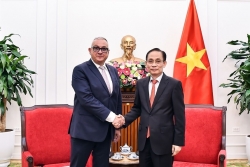
| ASEAN-EU Foreign Ministers' meeting: A testament to the vitality and enduring value of regional and multilateral cooperation WVR - On the occasion of Politburo Member and Minister of Foreign Affairs Le Hoai Trung attending the 25th ASEAN-EU Foreign Ministers' Meeting (April 27-28) ... |
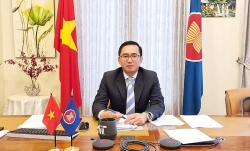
| Vietnam aspires to sustainable, long-term ASEAN–EU relations and cooperation for peace, security, and development WVR - On the occasion of Politburo Member and Minister of Foreign Affairs Le Hoai Trung attending the 25th ASEAN-EU Foreign Ministers' Meeting (April 27-28) ... |
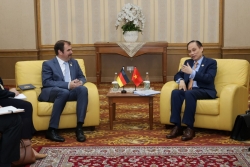
| Politburo Member, Foreign Minister Le Hoai Trung holds bilateral meetings at the 25th ASEAN–EU Foreign Ministers' Meeting WVR - On April 28, on the occasion of attending the 25th ASEAN-EU Foreign Ministers' Meeting (AEMM) in Bandar Seri Begawan (Brunei Darussalam), Politburo Member ... |