


Second CEF: Program concludes, work continues, transforming from event to infrastructure connecting capital enterprises
On August 27, right after the conclusion of the second Capital Economic Forum (CEF 2026), Prof. Dr. Mac Quoc Anh, Vice President and General Secretary of HANOISME, spoke with the World & Vietnam Report about the forum's outcomes.
Latest
 |
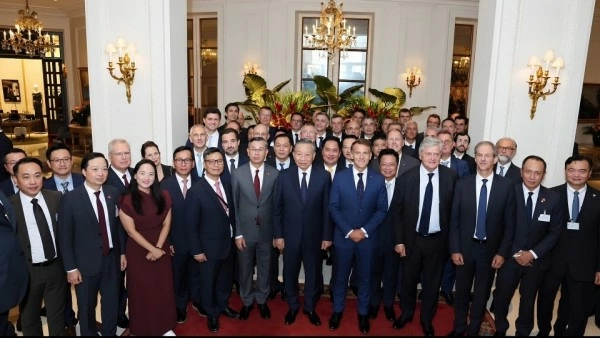
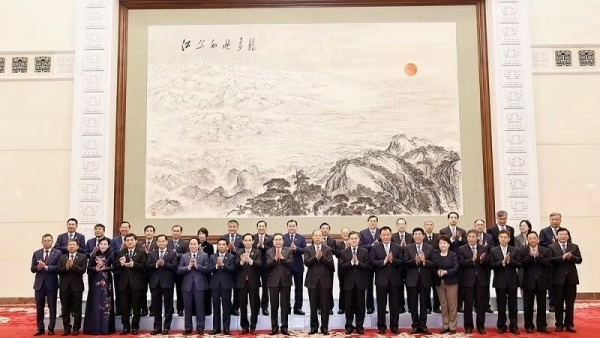
| Nguyen Xuan Luu, Member of the Standing Committee of the City Party Committee, Vice Chairman of the Hanoi People's Committee, along with delegates attending the second CEF. (Photo: Khac Kien) |
How do you evaluate the most outstanding results achieved by the forum, especially the issues, initiatives, or recommendations that could have a direct impact on the business community and the economic development of the Capital?
In my opinion, the most important outcome of the second CEF lies not only in the scale or number of delegates attending but also in the forum's gradual transition from a space for exchange and dialogue to a platform for connecting resources and promoting action.
This year's forum rightly chose issues that small and medium enterprises urgently need to address, such as capital, M&A (Mergers and Acquisitions), investment cooperation, supplier development, increasing localisation rates, and deeper participation in both domestic and global value chains.
The participation and directive speeches by Mr. Nguyen Xuan Luu, Member of the Standing Committee of the City Party Committee, Vice Chairman of the Hanoi People's Committee, along with representatives from the Hanoi Department of Finance and various agencies, organisations, businesses, and financial institutions, clearly demonstrate the city's strong interest in leveraging the role of the business sector in achieving high and sustainable growth.
The second point I highly appreciate is that the second CEF has approached M&A from a new perspective. M&A should not merely be understood as selling or acquiring businesses. For small and medium enterprises, if well prepared, it can be a tool for restructuring, capital mobilisation, technology acquisition, management capacity enhancement, and market expansion.
However, to achieve this, businesses must standardise their legal, financial, data, intellectual property, and management systems and understand their true value before entering negotiations. A specific result is that the program conducted 10 B2B Matchings, selected based on businesses' profiles and needs, connecting them with investors, financial institutions, and suitable partners.
I believe this is the direction that needs further development: It's not about connecting as many as possible but about connecting the right people, meeting the right needs, and having the potential to create real transactions.
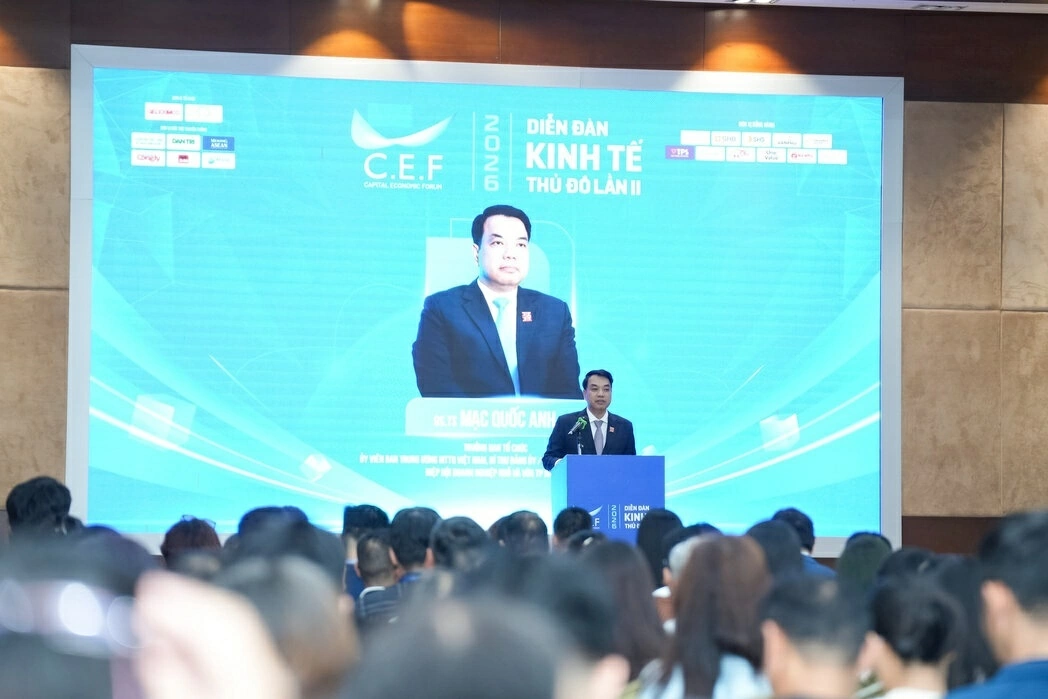 |
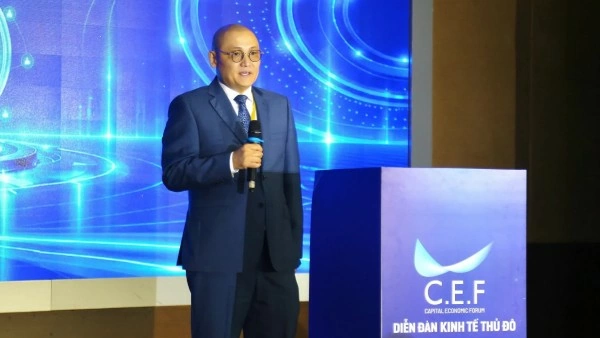
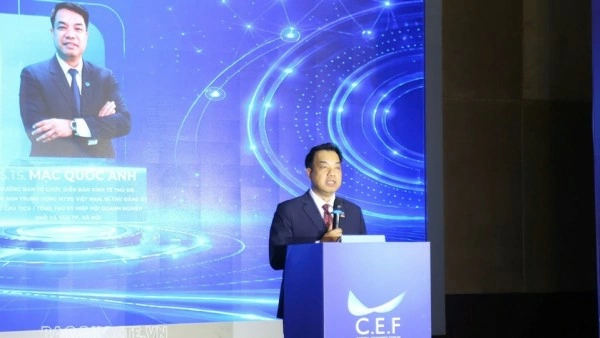
| Prof. Dr. Mac Quoc Anh, Vice President and General Secretary of the Hanoi Association of Small and Medium Enterprises (HANOISME), speaking at the Forum. (Photo: PV) |
The third highlight is the official launch of cefhanoi.vn. We don't want the CEF to just take place for a few hours and then end. The website is intended to become a regular digital connection platform where businesses can register their needs for capital, M&A, investment, supplier search, partners, markets, and B2B.
These needs will continue to be categorised and connected after the forum. This can be seen as the first step for the CEF to transition from an event to an economic connection infrastructure for the capital business community.
Through the discussion sessions, I noticed four major groups of issues: diversifying capital sources for businesses; standardising management, legal, and financial aspects; developing supporting industries and domestic supplier systems; and finally, linking growth with digital transformation, green transformation, innovation, and international integration.
These are all issues that can directly impact the productivity and competitiveness of Hanoi's businesses in the coming years.
| The cefhanoi.vn platform will be a tool to maintain this process. Businesses can continue to submit their needs, update profiles, and seek opportunities, while the Organising Committee has a basis to categorise and track results after the forum. HANOISME has determined to continue supporting businesses in completing capital profiles, evaluating supplier capabilities, structuring M&A transactions, legal aspects, valuation, and finding partners. |
One of the major expectations of CEF 2026 is to strengthen the connection between the government, businesses, experts, and organisations in seeking new growth drivers for Hanoi. According to you, how will the proposals at the Forum be transformed into specific actions by HANOISME and related units in the near future?
We have clearly defined a principle: the second CEF concludes the program but does not conclude the work. If the recommendations and needs of businesses are only acknowledged in the hall and then left there, the forum has not achieved its goal.
Therefore, after the second CEF, HANOISME will gather and categorise the needs of businesses into groups: capital and credit; M&A and fundraising; investor search; supplier development; technology and digital transformation; import-export and market expansion; policy, procedure, and business investment environment recommendations.
For issues related to mechanisms and policies, we will compile them into specific recommendation groups to be forwarded to the City People's Committee, relevant departments, and competent authorities. The role of the Association here is not merely to “forward documents” but to continue monitoring, dialoguing, and providing feedback to businesses.
Regarding the needs for capital, investment, and M&A, HANOISME will coordinate with securities companies, banks, investment funds, consulting organisations, and experts to support businesses in standardising profiles before connecting.
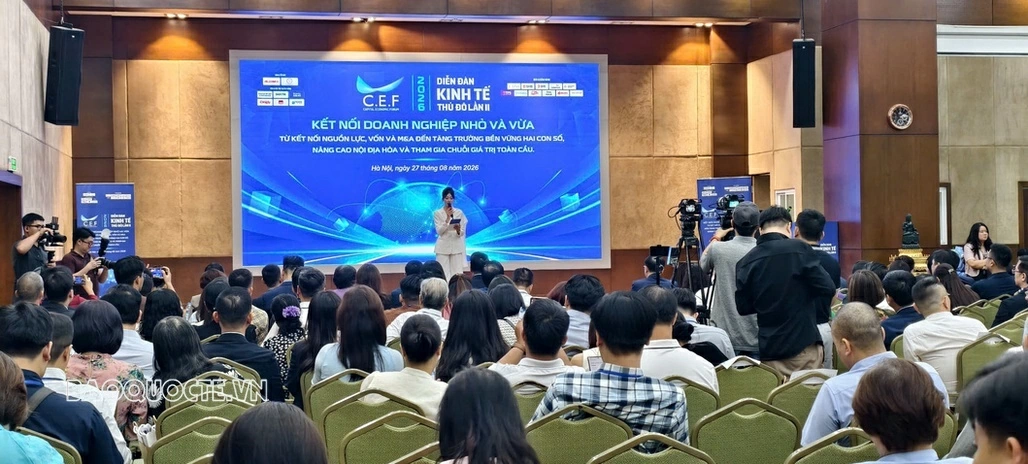 |
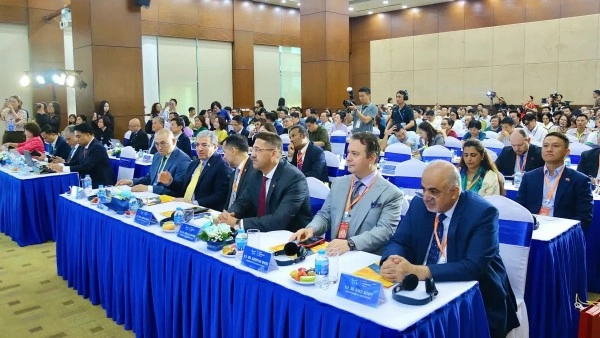
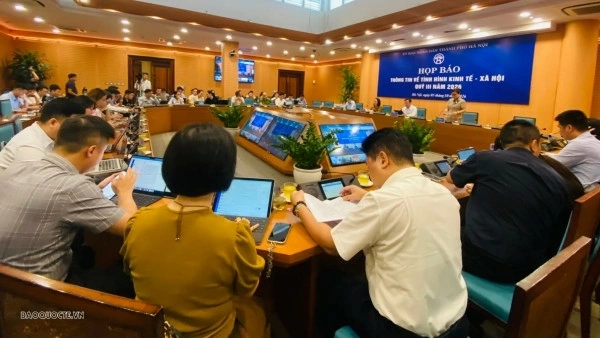
| Overview of the second CEF. (Photo: Gia Thanh) |
Businesses needing capital must clarify their business plans and cash flow; those seeking funding must standardise their financial, legal, and valuation aspects; those aiming for M&A must determine strategic objectives and transaction structures; those wishing to become suppliers must know which standards they are lacking.
For businesses wanting to participate in the supply chain of large corporations, we want to take a step further: building a supplier capability assessment system, identifying the gap between the current capabilities of small businesses and the requirements of leading companies, and then supporting businesses to bridge each gap.
Thus, connection will no longer be about exchanging business cards but will become a process of upgrading businesses.
The cefhanoi.vn platform will be a tool to maintain this process. Businesses can continue to submit their needs, update profiles, and seek opportunities, while the Organising Committee has a basis to categorise and track results after the forum.
HANOISME has determined to continue supporting businesses in completing capital profiles, evaluating supplier capabilities, structuring M&A transactions, legal aspects, valuation, and finding partners.
In the long term, I hope that CEF will form a regular series of activities, connecting three parties: the government providing policies and removing bottlenecks; financial, technology, and consulting organisations providing resources; and businesses proactively upgrading themselves.
Thus, the measure of CEF in the future will not only be how many delegates attended but how many businesses accessed capital; how many projects were connected to investment; how many businesses became suppliers; how many cooperation agreements were formed; and how many business recommendations were resolved.
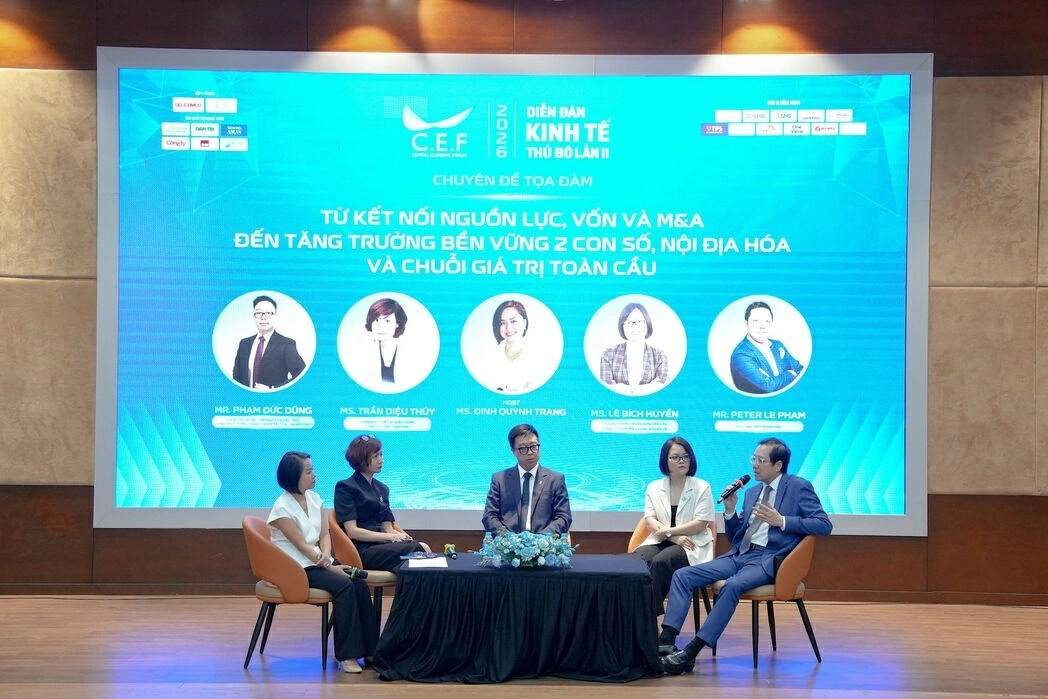 |
| The second CEF has set three clear challenges: Capital and financial structure; localisation and supplier development; market and integration. (Photo: PV) |
From the exchanges at the forum, according to you, what solutions should Hanoi prioritise to both enhance the competitiveness of businesses, especially small and medium enterprises, and create additional momentum for the Capital's economic growth in the coming period?
In my opinion, if Hanoi aims for high and sustainable growth, the business community itself must become one of the entities generating growth. Therefore, focus should be on five major solution groups.
First, there must be a great improvement in the business investment environment and a reduction in compliance costs for businesses. Each procedure reduced, each day shortened for processing documents, each process effectively digitised can translate into cost savings for businesses and additional resources for the economy.
Second, more capital channels need to be opened for businesses. Small and medium enterprises cannot solely rely on bank credit. Hanoi needs to develop a capital ecosystem that includes credit, investment funds, equity capital, capital markets, M&A, credit guarantee funds, and suitable investment cooperation forms. The second CEF also highlighted that capital and financial structure is one of the top three priorities for small and medium enterprises.
Third, there needs to be a strong program for supplier development and increasing localisation rates. Hanoi has many large corporations, FDI enterprises, and leading companies. If we can create mechanisms for these companies to place orders, announce standards, and lead small and medium enterprises into the supply chain, it will create significant growth potential within the Capital's economy.
Small businesses must also raise their standards in terms of quality, cost, delivery, traceability, management, digital transformation, and green transformation to participate in the chain.
| The measure of CEF in the future will not only be how many delegates attended but how many businesses accessed capital; how many projects were connected to investment; how many businesses became suppliers; how many cooperation agreements were formed; and how many business recommendations were resolved. |
Fourth, science and technology, digital transformation, data, AI, and innovation must be seen as tools to enhance business productivity, not just as a trend.
For small businesses, the question is not what technology to use for modernity, but how that technology helps reduce costs, increase revenue, shorten time, and enhance productivity by what percentage. Digital transformation must lead to economic efficiency.
Fifth, Hanoi businesses need to be helped to access larger markets. A business serving only a small market will find it challenging to achieve sustainable double-digit growth.
Cross-border e-commerce should be promoted, taking advantage of free trade agreements, supporting international standards, branding, logistics, trade promotion, and direct connections with corporations, importers, and international distribution systems.
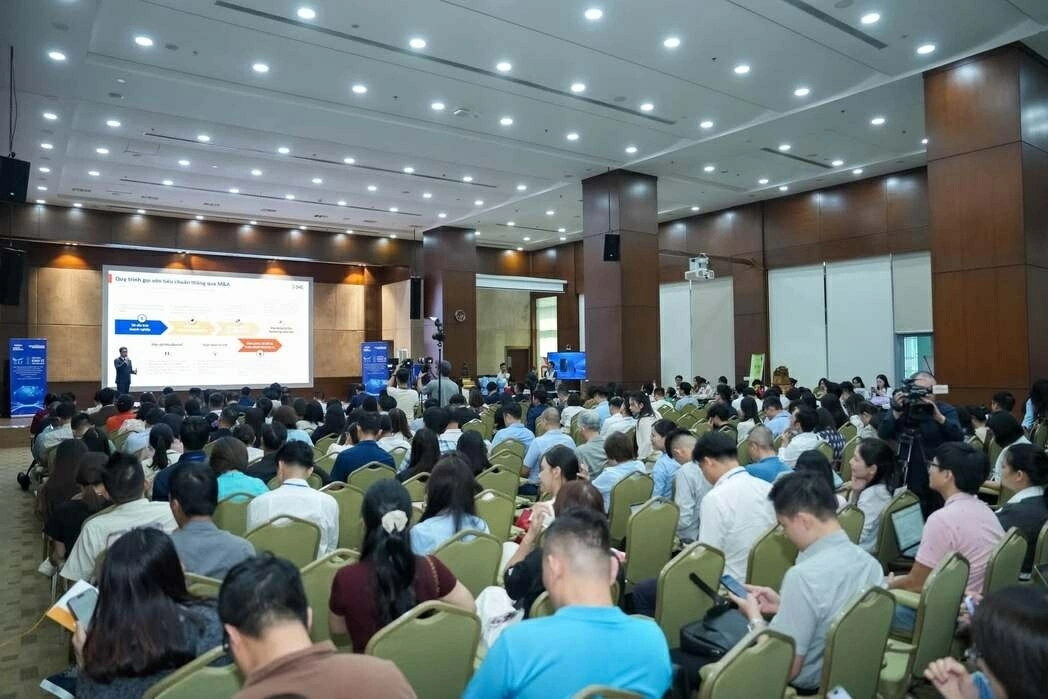 |
| After the second CEF, HANOISME will gather and categorise the needs of businesses into groups: capital and credit; M&A and fundraising; investor search; supplier development; technology and digital transformation... (Photo: PV) |
I believe the most important thing is to shift the mindset from “supporting businesses” to “upgrading business capabilities”. Support can solve an immediate difficulty, but upgrading capabilities will help businesses stand firm and grow for many years.
The second CEF has set three clear challenges: Capital and financial structure; localisation and supplier development; market and integration.
If Hanoi simultaneously addresses these three challenges, based on institutional reform, science and technology, digital transformation, and high-quality human resources, I believe we will not only have more large businesses but also build a stronger Capital business ecosystem.
And when tens of thousands of businesses increase productivity, expand investment, create jobs, participate in supply chains, and expand markets, Hanoi's double-digit growth target will not just be an administrative target but will become a synergistic result of the real growth capacity of the business community.
Thank you very much.
| Issuance of the National Program on Child Protection for the 2026-2030 period WVR - The Government has just issued Decision No. 1415/QD-TTg regarding the National Program on Child Protection and the prevention and reduction of child labour ... |
| CEF II 2026: Transforming the 'potential business' narrative into a verifiable investment plan The economic foundation and market scale are creating significant room for capital flow into Vietnamese enterprises. |