



Reinterpreting Vietnamese Cuisine for the World: The 25-Year Journey of Chef Vu Nguyen in Northern Europe
From kitchens serving international guests in Vietnam to the demanding culinary landscape of Northern Europe, Chef Vu Nguyen has chosen a challenging path: adapting Vietnamese cuisine for the world. In his approach, authenticity is not lost - it is carefully reshaped to resonate with different palates and cultural contexts.
Latest
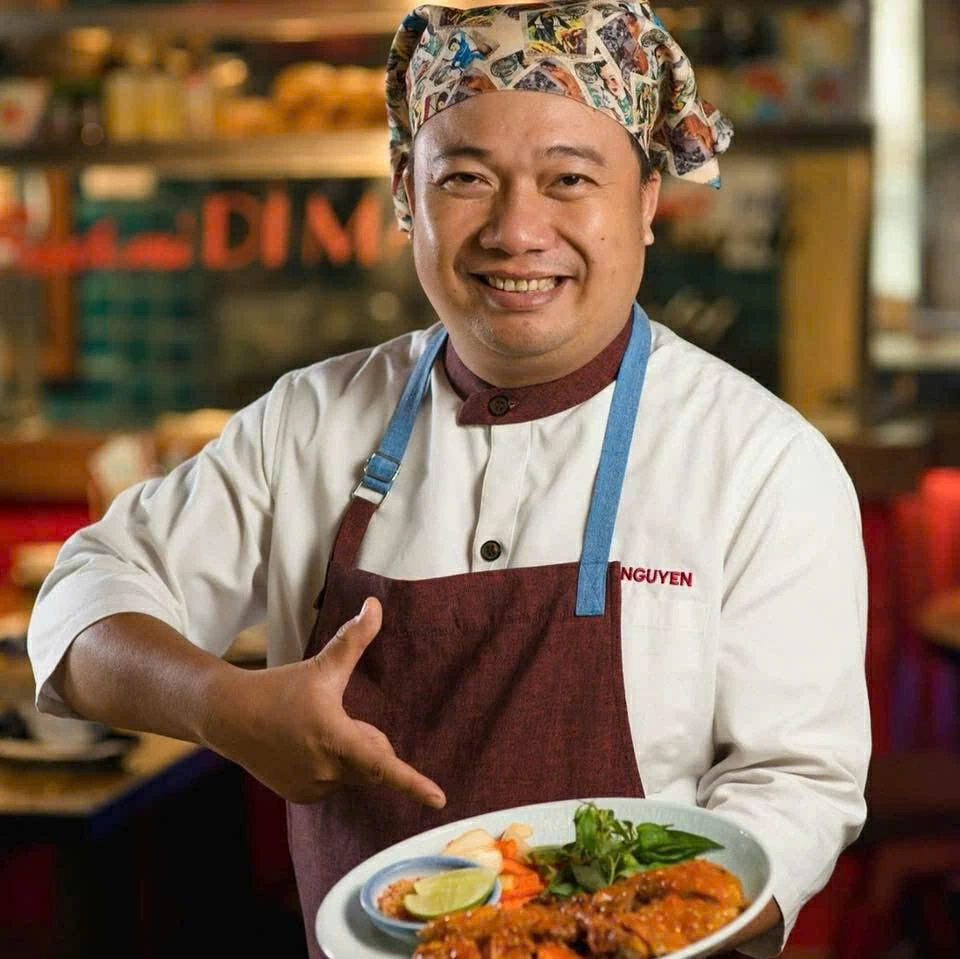 |
| After more than 25 years in the profession, Chef Vu Nguyen has worked across a wide range of environments, both domestically and internationally. The experience he has accumulated has not only strengthened his professional expertise but also reflects a clear approach to Vietnamese cuisine in the context of global integration. |
In an increasingly globalised world, cuisine is no longer just about taste - it has become a form of cultural communication. Through flavour, presentation, and storytelling, food can reflect a nation's history, identity, and values. However, for these elements to be widely understood, cuisine must transform, moving from a local to an international context.
The 25-year journey of Chef Vu Nguyen illustrates this process. From his early career in Vietnam to his professional experience in Europe, he has gradually shaped an approach to cooking that balances authenticity with adaptability. His work reflects a broader question facing many traditional cuisines today: how to remain true to one’s roots while becoming accessible to global audiences.
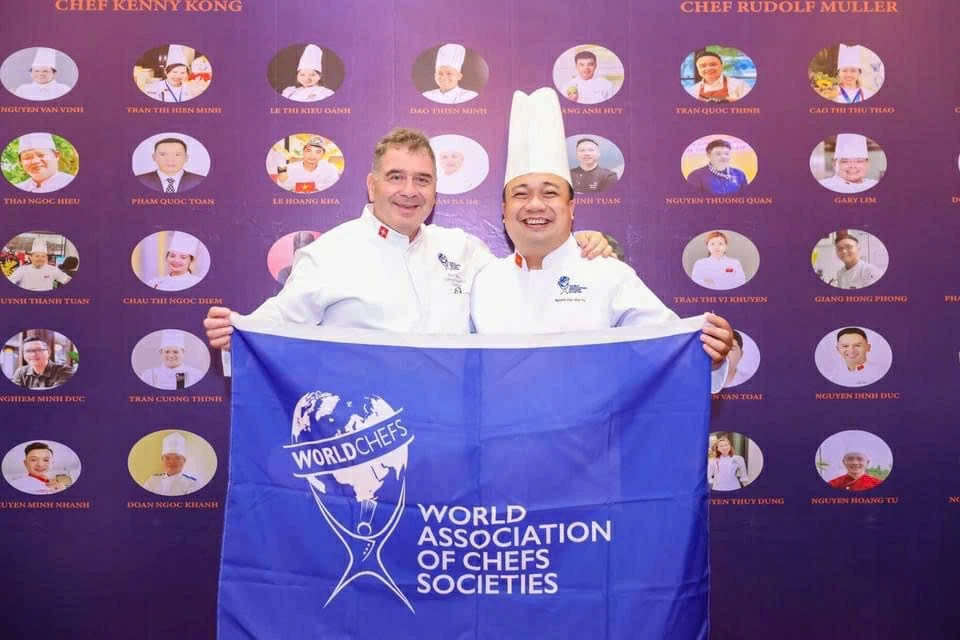 |
| Over the years, he has been involved in training activities in various roles, including as an instructor, judge, and speaker. |
From Domestic Kitchens to an International Mindset
Chef Vu Nguyen began his career in professional kitchens in Vietnam, including several years at Di Mai restaurant, which primarily served international guests. This early experience played a key role in shaping his culinary perspective.
Working in an environment with diverse diners, he became aware of the differences between Vietnamese and international palates. Dishes that were familiar and well-balanced for local customers sometimes seemed too strong or complex to foreign guests. At the same time, when adjusted appropriately, these same dishes could be received more positively.
This led him to develop a working principle: rather than changing the essence of Vietnamese cuisine, he would adjust its expression. Elements such as seasoning intensity, ingredient combinations, and overall structure were refined to achieve a balance between authenticity and accessibility.
These early lessons became a foundation for his later work abroad, where the need for adaptation would become even more pronounced.
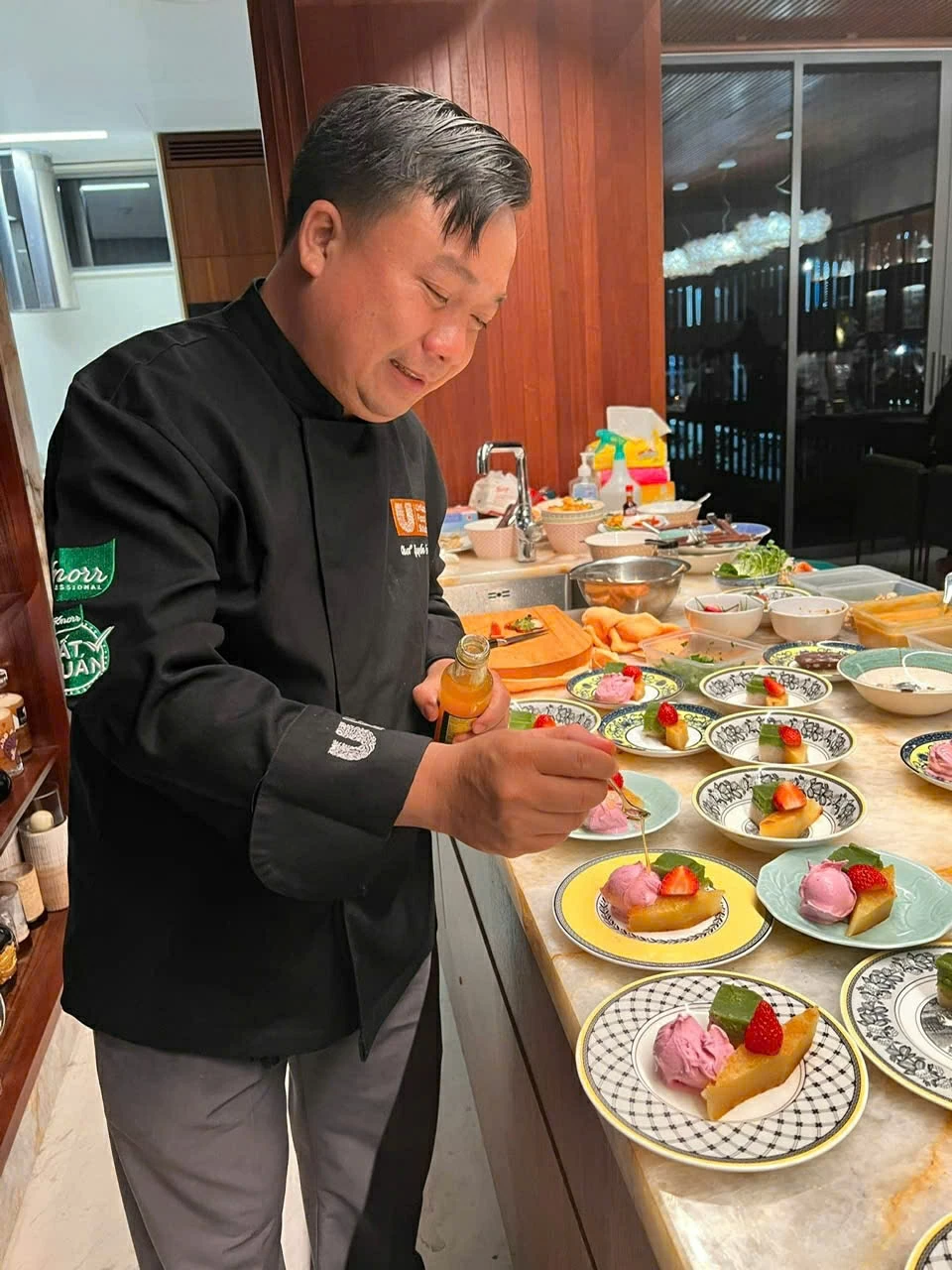 |
| Chef Vu Nguyen has spent 7 years working with The Future Chef program at the Faculty of Tourism, Hoa Sen University, and 8 years participating in the city-level Young Chef Competition in collaboration with the Ho Chi Minh City Department of Education and Training. |
Adapting in Northern Europe: Ingredients and Palates
Relocating to Finland marked a significant shift in both environment and culinary expectations. Compared to Vietnam, Northern European cuisine tends to emphasise subtlety, natural flavours, and minimal seasoning. Vietnamese cuisine, by contrast, is known for its layered flavours and bold use of herbs and condiments.
This contrast presented a practical challenge: how to preserve the identity of Vietnamese dishes without overwhelming local diners.
To address this, Chef Vu Nguyen explored locally available ingredients and identified suitable alternatives for those difficult to source. At the same time, he refined cooking techniques to create a more balanced flavour profile.
His exposure to culinary practices in countries such as Germany and Norway also contributed to a broader understanding of European dining culture. This helped him develop a style that integrates elements from different traditions while maintaining a Vietnamese foundation.
At An Nam restaurant, dishes such as pan-seared beef with cham cheo sauce, steamed chicken with fish sauce, and glass noodle salad with shrimp received positive customer feedback. These outcomes highlight the potential of Vietnamese cuisine to adapt successfully when thoughtfully adjusted.
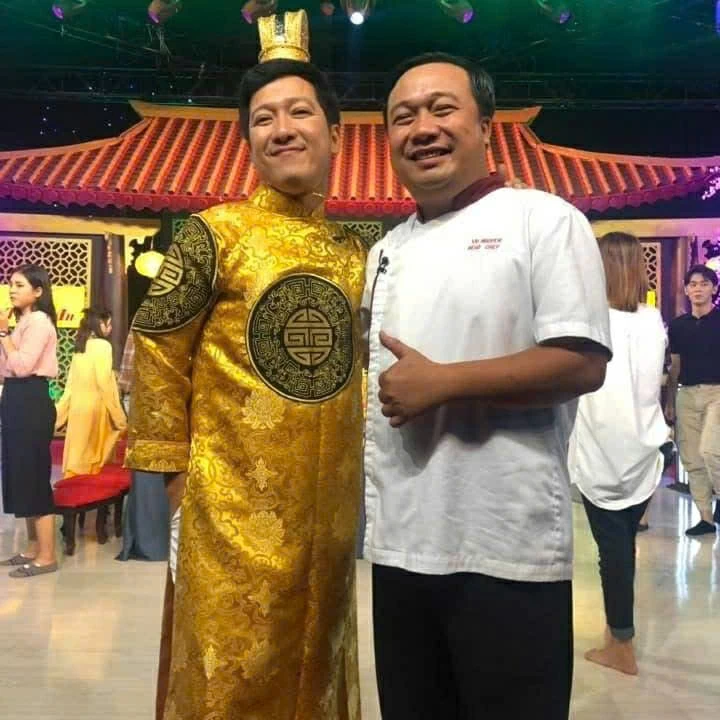 |
| Chef Vu Nguyen and comedian Truong Giang. |
From Vietnamese Banh Mi to European Culinary Standards
One notable milestone in his career in Finland is the Vietnamese banh mi concept at O’BANH in Tampere. While banh mi is a widely recognised street food in Vietnam, introducing it to a Northern European market required careful adaptation.
Here, the focus extended beyond taste. The entire process, from ingredient sourcing to preparation and service, was designed to align with local standards. Emphasis was placed on consistency, hygiene, and operational efficiency.
The concept attracted a stable customer base, including visitors from nearby areas. This indicates that Vietnamese cuisine, when adapted appropriately, can find a place even in markets with very different culinary traditions.
In addition, Chef Vu Nguyen, who holds a Hygiene Passport certification, has participated in evaluating culinary competitions. The criteria used include cooking technique, food safety, and creativity, with particular attention to consistency and quality control.
According to him, the knowledge and standards acquired through the Hygiene Passport training and certification closely align with the judging criteria he has applied for nearly a decade while serving as a culinary judge in Vietnam.
These requirements reflect the broader expectations of the European culinary environment, where success depends not only on flavour but also on professionalism and systematisation.
 |
Training, Knowledge Sharing, and a Long-Term Commitment to the Craft
Alongside his professional work, Chef Vu Nguyen has been involved in teaching and sharing culinary knowledge through training programs and workshops. His teaching focuses not only on technical skills but also on culinary thinking and cultural understanding.
Over the years, he has served as an instructor, judge, and speaker in various educational and professional settings. He has spent 7 years working with The Future Chef program at the Faculty of Tourism, Hoa Sen University, and 8 years participating in the Young Chef Competition, organised in collaboration with the Ho Chi Minh City Department of Education and Training.
In parallel, he has contributed to culinary promotion through media activities, including his role as head chef in the program “Hanh Trinh Huong Vi,” which showcases regional Vietnamese cuisine.
Professionally, his work spans a wide range of settings, from culinary events to meals prepared for international guests. These experiences require not only technical expertise but also the ability to adapt to diverse cultural expectations.
According to him, sustaining a long-term career in the culinary field requires more than skill alone. It demands persistence, discipline, and a genuine passion for the craft. “Cooking is a profession that requires long-term energy. Without real dedication, it is difficult to sustain,” he noted.
One of his ongoing directions is applying fine-dining principles to Vietnamese cuisine. The goal is to enhance the dining experience while preserving the defining characteristics of traditional dishes. In this approach, each dish becomes more than just food-it becomes a way of conveying stories about ingredients, regions, and culture.
Preserving Identity in a Global Context
After more than 25 years in the culinary profession, Chef Vu Nguyen has worked across different environments, from Vietnam to Europe. These experiences have not only shaped his professional development but also contributed to a broader understanding of how Vietnamese cuisine can evolve in a global context.
Maintaining identity while adapting to new environments is a central challenge for any traditional cuisine. In an increasingly interconnected culinary landscape, the ability to balance tradition and innovation becomes essential.
His journey suggests that Vietnamese cuisine can reach international audiences not by abandoning its roots, but by finding appropriate ways to present itself. Through this process, food becomes more than sustenance; it becomes a medium for cultural exchange.
In that sense, each dish serves as a quiet yet enduring bridge between Vietnam and the world.
| Preserving Vietnamese in Northeastern Thailand: From the first class to a journey spanning generations WVR - On April 29, the seminar “Enhancing the Teaching and Learning of Vietnamese Language and Culture in the Community in Northeastern Thailand” was held ... |

| Exhibition on the global journey of Vietnamese spices in Switzerland WVR - The exhibition "Symphony of Spices: Vietnamese Roots, Global Routes" offers insights into the journey of Vietnamese spices spreading through global trade networks and ... |