





Preserving festivals with cultural integrity
WVR - As spring arrives, Vietnamese people return to festivals as a way to extend the cultural roots of the nation. Participating in festivals, listening to folk songs, or attending processions and rituals are not only spiritual activities but also a communal need to immerse in culture and express hopes for peace in the new year.
Latest
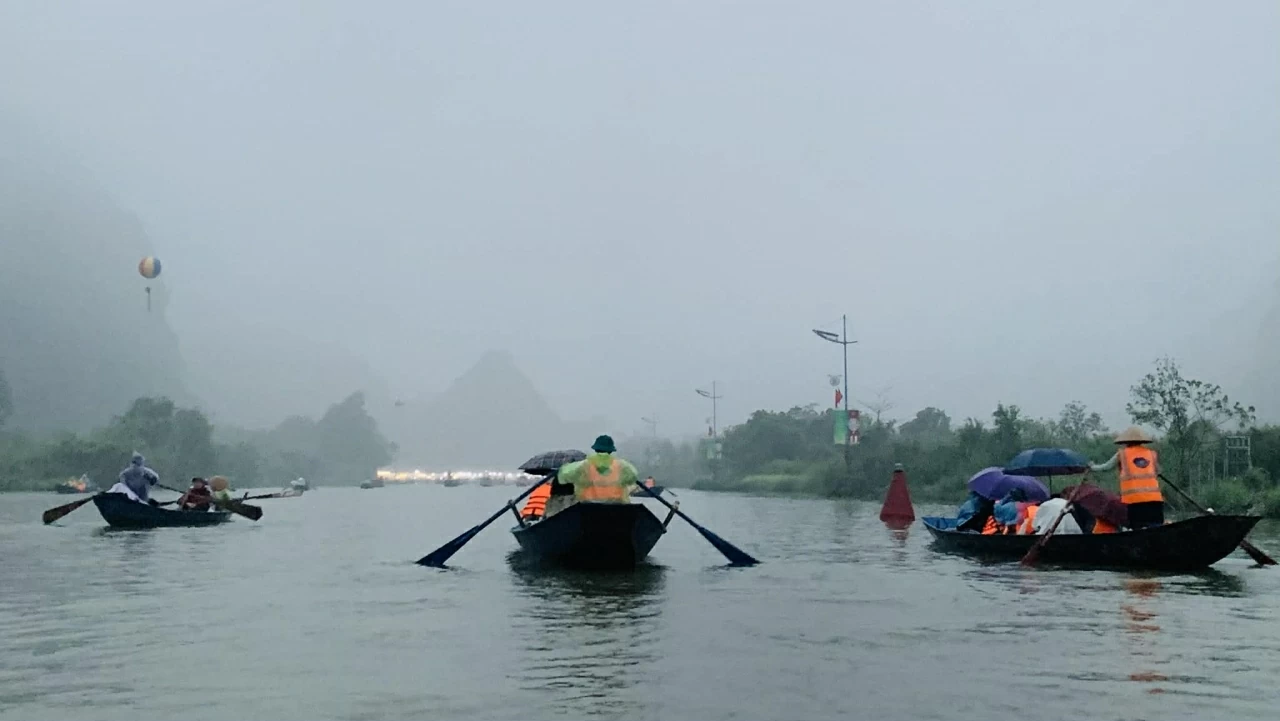 |
| Visitors at the Huong Pagoda festivals. (Photo: Phuong Linh) |
On the early morning of the festival's opening on the 6th day of Tet, I followed the crowd to Huong Pagoda. Mist and drizzle lingered over the Yen stream, with boats gliding like a soft ribbon between the mountains.
The sound of paddles splashing in the water mingled with the calls of visitors and the distant echo of temple bells. In that moment, I understood why for generations, Vietnamese people have chosen a pilgrimage at the start of the year as a way to open their hearts to spring.
Sitting on the boat, surrounded by vast waters and rocky mountains, one's heart easily finds peace. Conversations become softer, and gazes gentler. Some elderly clasp their hands in prayer, while groups of young friends capture the first moments of the year.
Yet, amidst this poetic scene, there are occasional unpleasant haggling and reports of tourists being solicited for extra money beyond agreed amounts...
Festivals are inherently spaces of spiritual belief. People come to Buddhist temples to pray for peace, but also to find tranquility in their souls. Just one act of solicitation or an unclear fee can damage trust and disrupt the spiritual atmosphere.
The situation at Huong Pagoda is not unique. Recent reports have highlighted unusually high parking fees at Phat Tich Pagoda in Bac Ninh. Although these are isolated incidents, they are enough to tarnish the experience for many on their spring journeys.
Thus, festival civility is not something lofty but begins with cultural integrity. It involves the boat rower understanding that they are carrying not just passengers but their trust.
It involves the parking lot owner realizing that a few extra coins can lead to widespread sighs on social media. And it involves each visitor reminding themselves to maintain order, avoid littering, refrain from pushing, and not react harshly when things don't go as planned.
Looking at the bigger picture, festival civility is not just about behavior during a few spring days but a measure of a society maturing in cultural awareness. When thousands gather in one space, every individual act becomes part of the collective image, which is how the community protects its heritage against the transformations of modern life.
This Year of the Horse, as many major festivals resume with more organized scales, localities have strived to change the festival image by publicly disclosing service prices, installing surveillance cameras, and setting up hotlines to receive feedback and strictly handle violations. These actions demonstrate a commitment to building a healthier, more transparent festival environment.
If spring is considered a season of beginnings, then the early-year festivals are also a starting point for new behaviors. Instead of relying solely on authorities, each festival-goer should see themselves as a “cultural ambassador”. A friendly smile, a polite word, and clearly listed prices—these seemingly small gestures can create a positive impression.
And when the festival season concludes, what remains in the hearts of visitors is a warm feeling. They will remember the beautiful scenery, the resonant temple bells, the orderly pilgrims, and the genuine hospitality of the locals. It is then that the heritage truly lives, not just in recognition documents but in the cherished memories of people.