



National Assembly Election 2026: The power of voter participation
WVR - The National Assembly election is an opportunity for voters to exercise their civic rights and responsibilities, contributing to strengthening the social foundation and political system of Vietnam.
Latest
In many democracies around the world, one increasingly apparent challenge is voter apathy. Voter turnout rates are declining in numerous countries, particularly in local or parliamentary elections, raising questions about the level of engagement between citizens and political life. As the gap between society and representative institutions widens, decisions made in the legislature sometimes struggle to fully reflect the sentiments and expectations of the community.
In this context, Vietnam's experience offers a noteworthy perspective. Over multiple election cycles, voter turnout in Vietnam has consistently been very high. Tens of millions of citizens from urban to rural areas, from mountainous regions to islands, participate in voting to elect representatives to the National Assembly and People's Councils at all levels. This figure not only reflects widespread voter participation but also highlights an important characteristic of Vietnam's political life: the close connection between civic rights and community responsibility.
The election of the 16th National Assembly and People's Council representatives for the 2026 – 2031 term on March 15, 2026, continues to be an occasion to further observe the power of such participation. When voters cast their ballots, they are not only exercising a constitutional right but also contributing to the process of shaping representative institutions and national policies. It is this widespread public participation that breathes life into elections and strengthens the social foundation of Vietnam's political system.
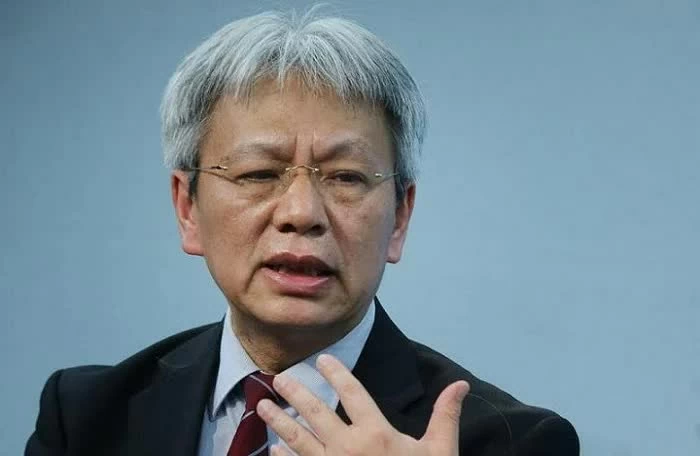 |
| Dr. Nguyen Si Dung. (Photo: Coutersy by author) |
Election: Not just a right, but a civic duty
In any country, elections are fundamentally a basic political right of citizens. This right allows people to directly participate in choosing their representatives in state power organs. In Vietnam, the right to vote is guaranteed within the framework of the Constitution and law, with principles of universality, equality, directness, and secret ballot. Every citizen meeting the stipulated conditions has the right to participate in determining the composition of the National Assembly and People's Councils at all levels—institutions representing the will and interests of the people.
However, in Vietnamese social perception, elections are not only seen as an individual right but also linked to a sense of community responsibility. Voting, therefore, is not merely exercising a constitutional right but also a way for each citizen to express concern for the nation's common affairs. Through their votes, people participate in the process of selecting those who will represent them in discussing and deciding the country's important policies.
This combination of rights and responsibilities has created a distinctive feature in Vietnam's political life. When elections are viewed as a civic duty, public participation becomes meaningful rather than formal. This explains why voter turnout in Vietnam has consistently remained very high in many election cycles. The presence of a large number of voters at polling stations shows that elections are not just a political procedure but have become a familiar part of social life.
In the context of preparing for the election on March 15, 2026, awareness of civic rights and responsibilities continues to be a crucial foundation to ensure widespread voter participation. When each citizen considers their vote as part of their responsibility for the country's future, elections not only strengthen representative institutions but also nurture the bond between society and the political system.
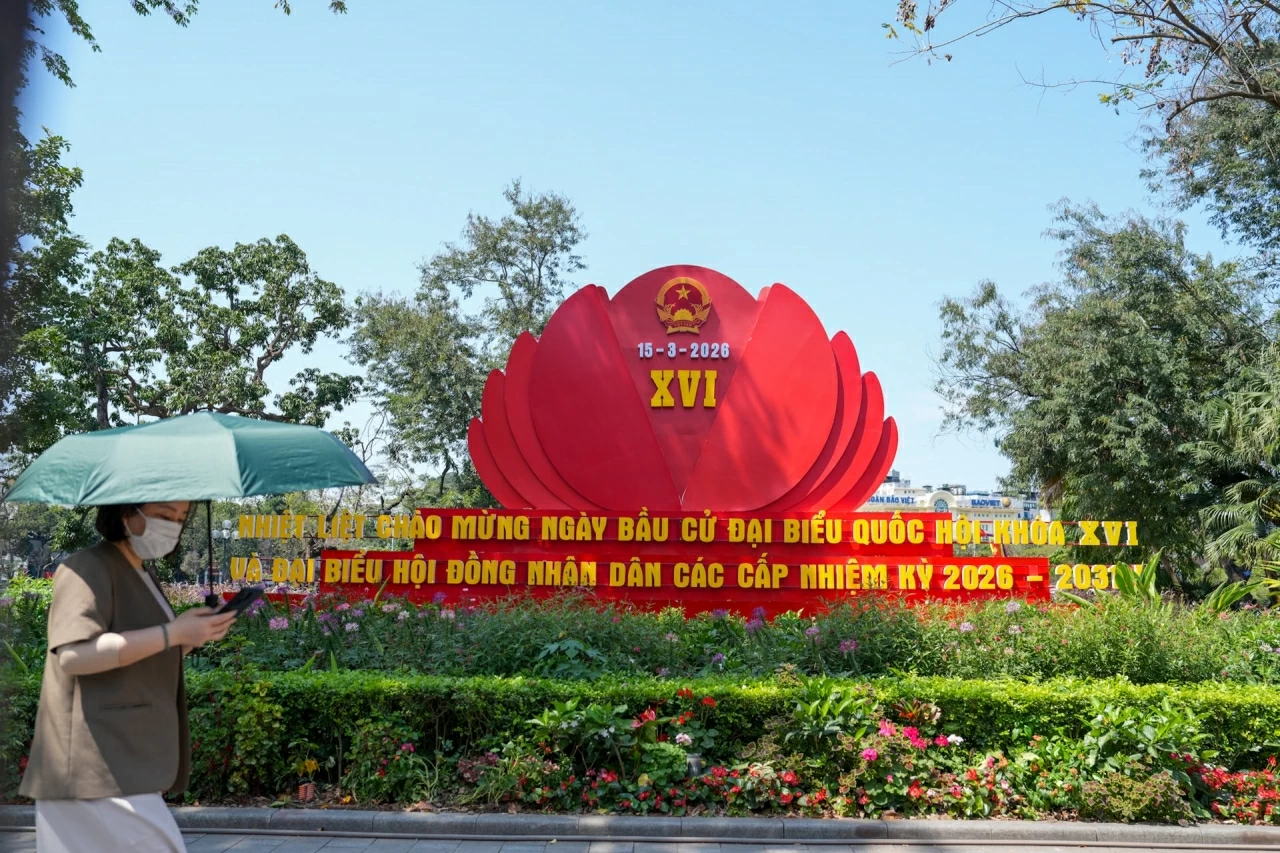 |
| The area around Hoan Kiem Lake (Hanoi) is brightly decorated with national flags, banners, and slogans to welcome election day. (Photo: Khanh Huy) |
Why is voter turnout in Vietnam always very high?
The high voter turnout in Vietnam is not a random phenomenon. Behind this figure is a combination of factors ranging from social trust, cultural community traditions to election organization methods that are accessible and convenient for the people.
First, political stability and socio-economic development achievements over the decades have bolstered public trust in the political system. When people perceive that public policies positively impact the country's life and future, they tend to participate more actively in official political activities, with elections being a significant form. Voter participation thus reflects the level of trust and connection between society and representative institutions.
Additionally, cultural and social factors play a significant role. In Vietnamese society's tradition, community activities are always valued. Collective events like elections often attract widespread public participation because they are associated with a sense of responsibility and community spirit. Therefore, voting is not just an individual political act but is also seen as an expression of concern for the common good of society.
Moreover, the way elections are organized also facilitates voter participation. Polling stations are widely distributed, close to residential areas, making it easy for people to exercise their rights. Information, propaganda, and election guidance are widely implemented, helping voters understand their rights and responsibilities in the process of selecting representatives.
These factors combine to create a prominent feature of elections in Vietnam: widespread voter participation. When a large number of people vote, elections not only fulfill the function of selecting representatives but also become a vivid expression of the bond between society and the country's political life.
Each vote reflects more than just personal choice...
The widespread participation of voters is not only a notable feature of elections in Vietnam but also carries significant implications for political and social life. Firstly, high voter turnout helps strengthen the legitimacy of representative institutions. When a large number of people vote, election results more broadly reflect the will of society, thereby enhancing the social foundation for the operation of state power organs.
Furthermore, voter participation creates a closer link between the state and society. Elections are not just a process of selecting representatives but also an opportunity for people to care, discuss, and think about the country's common issues. When people feel they have a role in policy-making through elected representatives, the level of societal attachment to political institutions is also reinforced.
The widespread participation of voters also helps enhance the spirit of civic responsibility. Each vote not only represents a personal choice but also reflects an awareness of obligations to the community and the country's future. When voting becomes a positive social habit, it helps nurture a political culture based on concern and responsibility for the common good.
From a broader perspective, high voter turnout also sends a positive message about the level of social cohesion and political stability. To international friends, it is a sign that the Vietnamese people care about representative institutions and are willing to participate in the process of selecting those who will decide the nation's important issues.
From this perspective, widespread voter participation is not just a statistical indicator of each election cycle but also a factor contributing to strengthening the social foundation of Vietnam's political system.
The strength of an election lies not only in its organizational procedures or final results but primarily in the level of public participation. When a large number of voters actively cast their ballots, elections are no longer a formal event but become a broad social process where each citizen contributes to choosing their representatives. It is this participation that creates the social foundation for representative institutions and helps strengthen the bond between the state and the people.
The election on March 15, 2026, continues to be an occasion to demonstrate the power of that participation. Millions of voters across the country, through their ballots, not only choose representatives to the National Assembly and People's Councils at all levels but also affirm their civic responsibility for the nation's shared future. When voting becomes a familiar act in social life, elections not only strengthen representative institutions but also nurture a political culture based on connection, responsibility, and trust in the nation's development path.
| Agribank Chairman To Huy Vu runs for National Assembly deputy in Constituency No. 8, Hanoi WVR - Dr. To Huy Vu, Secretary of the Party Committee and Chairman of Agribank, has been nominated to run for the 16th National Assembly ... |
| Hanoi thoroughly prepares for 16th National Assembly, People’s Council election WVR - As the Vietnamese people all are eager to the election of deputies to the 16th National Assembly and People’s Councils at all levels ... |
| National Assembly election 2026: Expectations for a responsible and action-oriented term WVR - The greatest value of each election lies in the voters' ballots. Each ballot is not only a constitutional right but also a conveyance ... |
| National Assembly Election 2026: New standards for representatives in a new era WVR - The “raising standards” for National Assembly representatives is not only about enhancing individual qualifications but also a crucial condition to improve the quality ... |
| Key timelines following the Election Day for National Assembly and Local People's Councils WVR - On Sunday (March 15), voters nationwide will participate in the election of the 16th National Assembly deputies and deputies of the People's Councils ... |