




Free Periodic Health Check-ups: Putting citizens at the centre and a shift from 'treatment' to 'prevention'
WVR - The long-term impact of Directive No. 17/CT-TTg will extend beyond the healthcare sector, significantly affecting the quality of human resources and national development capacity in the future. according to National Assembly deputy Nguyen Thi Viet Nga.
Latest
From 2026, citizens will receive free periodic health check-ups at least once a year. According to National Assembly deputy Nguyen Thi Viet Nga, this is not only a welfare-oriented health policy but also signifies a crucial shift in national governance thinking: prioritizing disease prevention, centering on citizens, and aiming for sustainable development based on a healthy community.
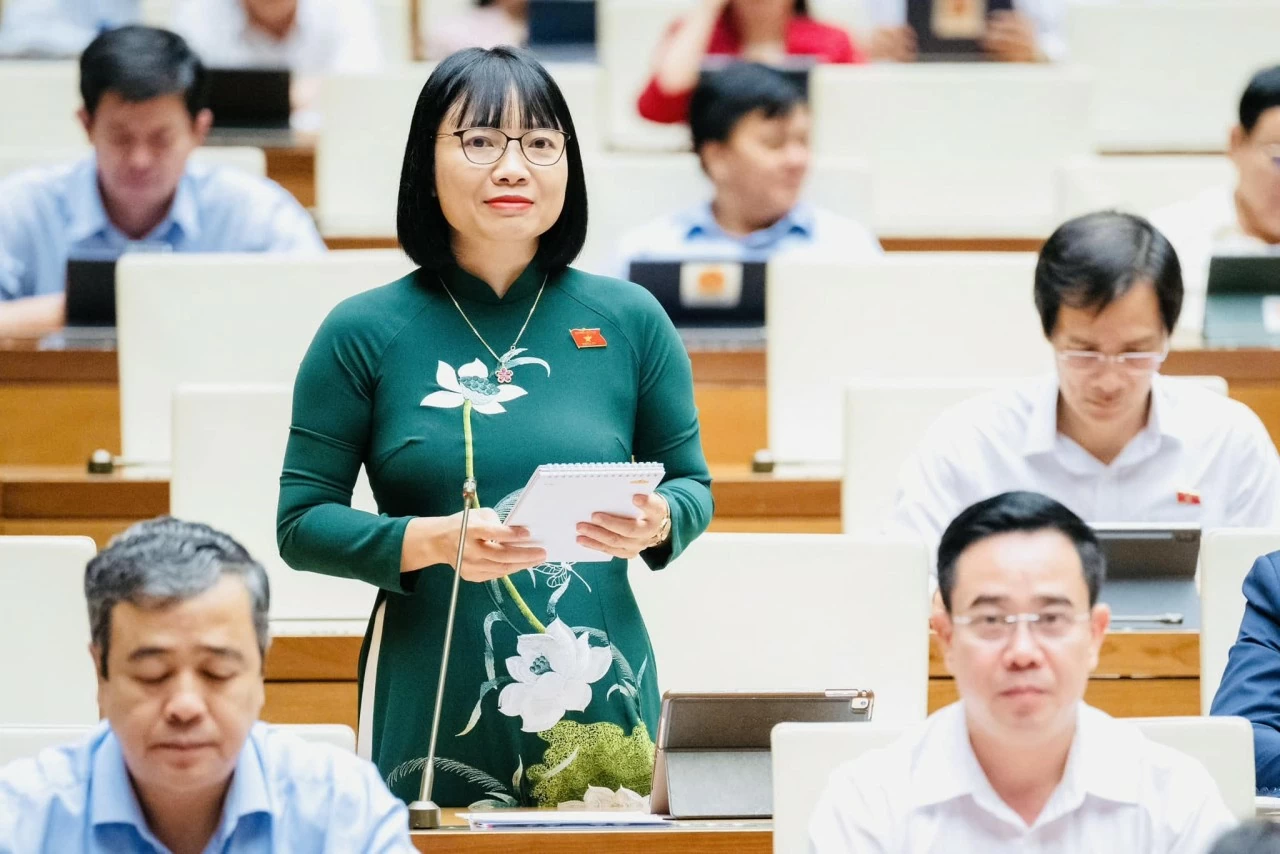 |
| National Assembly Deputy Nguyen Thi Viet Nga. (Source: National Assembly) |
From treatment to comprehensive public health care
Starting in 2026, citizens receiving free periodic health check-ups at least once a year is seen as a major shift from "treatment" to "prevention". I believe the most significant change in healthcare management thinking that this policy aims for is transitioning from "treatment-focused healthcare" to "comprehensive public health care", centering on citizens and prioritizing prevention. This is a consistent viewpoint emphasized multiple times by our Party in the Central Committee of the Communist Party of Vietnam, especially in Resolution No. 20-NQ/TW on enhancing the protection, care, and improvement of people's health in the new situation.
In previous years, our healthcare system mainly focused on treatment after citizens fell ill. This led to many diseases being detected late, high treatment costs, significant financial burdens on families and society, while the quality of life for patients was severely affected. The policy of free periodic health check-ups at least once a year represents a fundamental shift: the state not only treats diseases for citizens but proactively helps them maintain their health early and from afar.
This is crucial because health is not just an individual issue but also a national development resource. A nation that wants to develop quickly and sustainably must first have a healthy population with good longevity, labour capacity, and high adaptability. Therefore, investing in preventive healthcare is essentially an investment in the country's future.
This policy also carries profound humanitarian significance. When all citizens have access to periodic health check-ups, the gap in accessing healthcare services will gradually narrow, especially for the poor, the elderly, and those in remote areas. This is a concrete manifestation of the inclusive development orientation, ensuring no one is left behind.
It can be said that Directive No. 17/CT-TTg is not merely a healthcare solution but reflects an advancement in national governance thinking: shifting from dealing with consequences to risk prevention; from being reactive to proactive; from treatment to comprehensive health care for the Vietnamese people.
The policy of free periodic health check-ups will require substantial resources in terms of finance, human resources, and basic healthcare infrastructure. Indeed, to effectively implement the policy of free periodic health check-ups for all citizens will require significant resources. However, from a long-term perspective, this is a beneficial investment for the nation, as the cost of prevention is always much lower than the cost of treating severe diseases and the accompanying socio-economic consequences.
In my opinion, the first breakthrough solution is to strongly consolidate the basic healthcare system. Our Party has clearly identified in Resolution No. 20-NQ/TW that basic healthcare is the "foundation" and "backbone" of the health care system. If the commune and ward levels are capable of initial screening, managing chronic diseases, and providing health advice, the pressure on higher-level hospitals will be greatly reduced. Therefore, it is necessary to prioritize investment in equipment, human resources, incentives, and enhancing the professional capacity of basic healthcare.
The second solution is to organize check-ups scientifically, in a stratified and flexible manner, avoiding crowding at the same time. We can group by age, occupation, residential area; while promoting mobile check-up models, after-hours check-ups, and combining public and private sectors to increase service capacity.
Another very important issue is healthcare personnel. Currently, many localities lack doctors, especially in remote areas. Therefore, there needs to be policies for training, attracting, and retaining healthcare personnel more sustainably, especially family doctors and preventive medicine personnel. At the same time, strong application of digital technology, artificial intelligence, and big data is needed to reduce administrative procedures, support diagnosis, and manage health records.
Additionally, social resources should be mobilized reasonably. Public health care is the responsibility of the state, but it also requires the participation of businesses, social organizations, and the community. If done well, this will not only be a healthcare program but also become a public health care movement with the participation of the entire society.
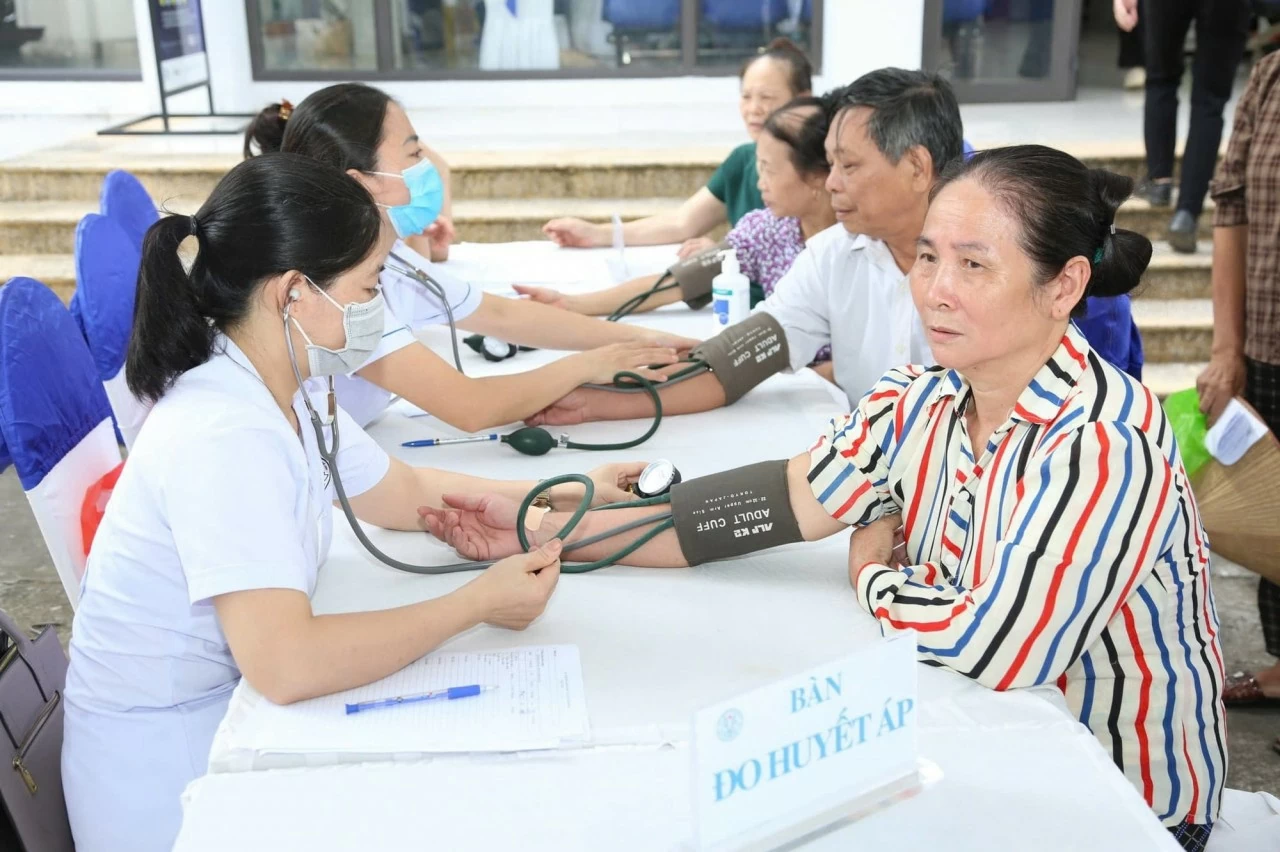 |
| On May 6, Deputy Prime Minister Pham Thi Thanh Tra signed and issued Directive No. 17/CT-TTg of the Prime Minister on organizing free periodic health check-ups or screenings for citizens. (Source: VGP) |
Changing social perception of health
A notable new point is that each citizen will have an electronic health record to manage their health throughout their life. I believe digital transformation is becoming one of the decisive factors for the quality and efficiency of the modern healthcare system. Establishing electronic health records for each citizen is not just a change in management tools but a fundamental shift in health care methods.
Previously, citizens' health information was often fragmented and dispersed across various healthcare facilities. Wherever citizens went for check-ups, records were kept there, lacking connectivity.
This made it difficult for doctors to monitor long-term health developments, while citizens wasted time, costs, and even had to redo many unnecessary tests. With electronic health records, health data will be managed continuously throughout each person's life, from vaccinations, periodic check-ups to chronic disease treatment.
The greatest role of digital transformation in healthcare is to help shift from the "treatment per visit" model to the "continuous health management" model. Doctors can monitor disease risks early, detect abnormalities in time, and provide early warnings to citizens. This is especially important in the context of rapidly increasing non-communicable diseases such as cardiovascular diseases, diabetes, and cancer.
Moreover, digital transformation contributes to making healthcare activities more transparent, reducing administrative procedures, alleviating overload, and improving service quality for citizens. Citizens can schedule appointments, track test results, and treatment history directly on digital platforms, instead of carrying multiple documents as before.
However, for this system to operate effectively, data infrastructure needs to be synchronized, ensuring information security and personal data protection. Health data is very sensitive, so there must be strict management mechanisms to prevent leaks or misuse.
If implemented well, electronic health records will be an important foundation for building an intelligent, modern healthcare system that truly centers on citizens, in line with the national digital transformation spirit that the Party and State are promoting.
In reality, many citizens still do not have the habit of periodic health check-ups, only going to the hospital when the illness is severe. This is a very concerning issue because, for many years, the common mindset of many citizens has been "if it doesn't hurt, don't go for a check-up". Only when the disease is severe do they go to the hospital, while many diseases, if detected early, have a much higher chance of successful treatment and much lower costs.
To change this, we must first change social perceptions about health. We need to help citizens understand that periodic health check-ups are not about finding diseases but about protecting themselves and their families. This is an investment in the future, not an additional expense.
In my opinion, communication efforts need to be systematic, continuous, and more relatable. It should not just be slogan-based propaganda but should provide real examples and true stories so that citizens can clearly see the value of early disease detection. At the same time, communication forms should be diversified, from the press, social media to schools, agencies, and residential areas.
Another very important factor is the quality of healthcare services. If citizens go for check-ups and have to wait too long, face complex procedures, or experience poor service attitudes, it will be difficult to establish the habit of periodic check-ups. Therefore, along with communication, the healthcare system must also innovate its service style towards being more professional, friendly, and convenient.
In addition, the roles of families, schools, and social organizations in building a proactive health care culture should be promoted. I believe that in the future, periodic health check-ups should become a civilized lifestyle like vaccinations or physical exercise.
Especially for children and young people, health care awareness should be instilled early. When a generation is formed with healthy living habits and proactive disease prevention, we will have a healthier community and significantly reduce the pressure on the healthcare system in the future.
From the perspective of a National Assembly deputy, I believe the long-term impact of Directive No. 17/CT-TTg will not only be limited to the healthcare sector but will also have a profound impact on the quality of human resources and national development capacity in the future.
First, free periodic health check-ups help early detection of diseases, better management of chronic diseases, and improve healthy life expectancy for citizens. This is very significant in the context of Vietnam entering a phase of rapid population aging. If citizens live long but are not healthy, the burden of welfare, healthcare, and the economy will be very large. Conversely, if a healthy population with long-term labour capacity is maintained, it will be a very important advantage for national development.
Second, health is directly related to labour productivity. A healthy worker will work more efficiently, take fewer sick leaves, and adapt better to the demands of the modern economy. In the context of Vietnam aiming for rapid and sustainable growth, building a high-quality workforce, comprehensive public health care is part of the human resource development strategy.
Directive No. 17 clearly reflects our Party's development perspective: economic development must be associated with social progress and equity, centering on people in development. When all citizens have access to basic healthcare services, it is not only a welfare policy but also a foundation for strengthening social trust and enhancing community cohesion.
In the long run, if effectively implemented, this policy will contribute to forming a society that values health, lives more proactively, and is more civilized. And when people are healthy both physically and mentally, that is the most sustainable foundation for national development in the 21st century.
National Assembly Deputy Nguyen Thi Viet Nga
Deputy Head of the Hai Phong City National Assembly Delegation
| On May 6, Deputy Prime Minister Pham Thi Thanh Tra signed and issued Directive No. 17/CT-TTg of the Prime Minister on organizing free periodic health check-ups or screenings for citizens. On the same day, the Ministry of Health issued Decision No. 1272/QD-BYT - Approving the Plan to implement the task of free periodic health check-ups or screenings at least once a year for citizens, aiming to organize nationwide implementation. The issuance of these two documents aims to realize Resolution No. 72-NQ/TW of the Politburo on some breakthrough solutions to enhance the protection, care, and improvement of people's health, requiring a strong change in awareness and action towards health protection, care, and improvement to meet urgent practical demands. This includes a strong shift from focusing on examination and treatment to proactive disease prevention; emphasizing comprehensive, continuous health care throughout the life cycle. With the goal that from 2026, citizens will receive free periodic health check-ups or screenings at least once a year, and have electronic health records to manage health throughout their life cycle, gradually reducing the burden of healthcare costs. In Directive 17/CT-TTg, the Prime Minister emphasizes the need for a strong change in awareness, shifting from focusing on examination and treatment to proactive disease prevention; emphasizing comprehensive, continuous health care throughout the life cycle. This aims at the ultimate goal of gradually reducing the burden of healthcare costs for both citizens and society. The content of Directive 17/CT-TTg and Plan 1272/QD-BYT carries profound humanitarian significance. The government requires localities to pay special attention and prioritize disadvantaged and difficult groups in society when developing plans. Specifically, priority is given to: People with meritorious services to the revolution and the elderly; people with disabilities, those from poor and near-poor households; people with chronic diseases; ethnic minorities, people living in mountainous, border, island areas, and areas with particularly difficult socio-economic conditions. |